History of La Cité de Carcassonne
The origins of this strategic site date back to the 6th century BC with the oppidum of Carsac. Located on the Carcassonne corridor between the Montagne Noire and the Pyrenees, this location allowed control over trade exchanges towards the Mediterranean. The city successively belonged to the Romans, the Visigoths and the Saracens before being retaken by Pepin the Short in 759, marking the end of Muslim domination in the region.
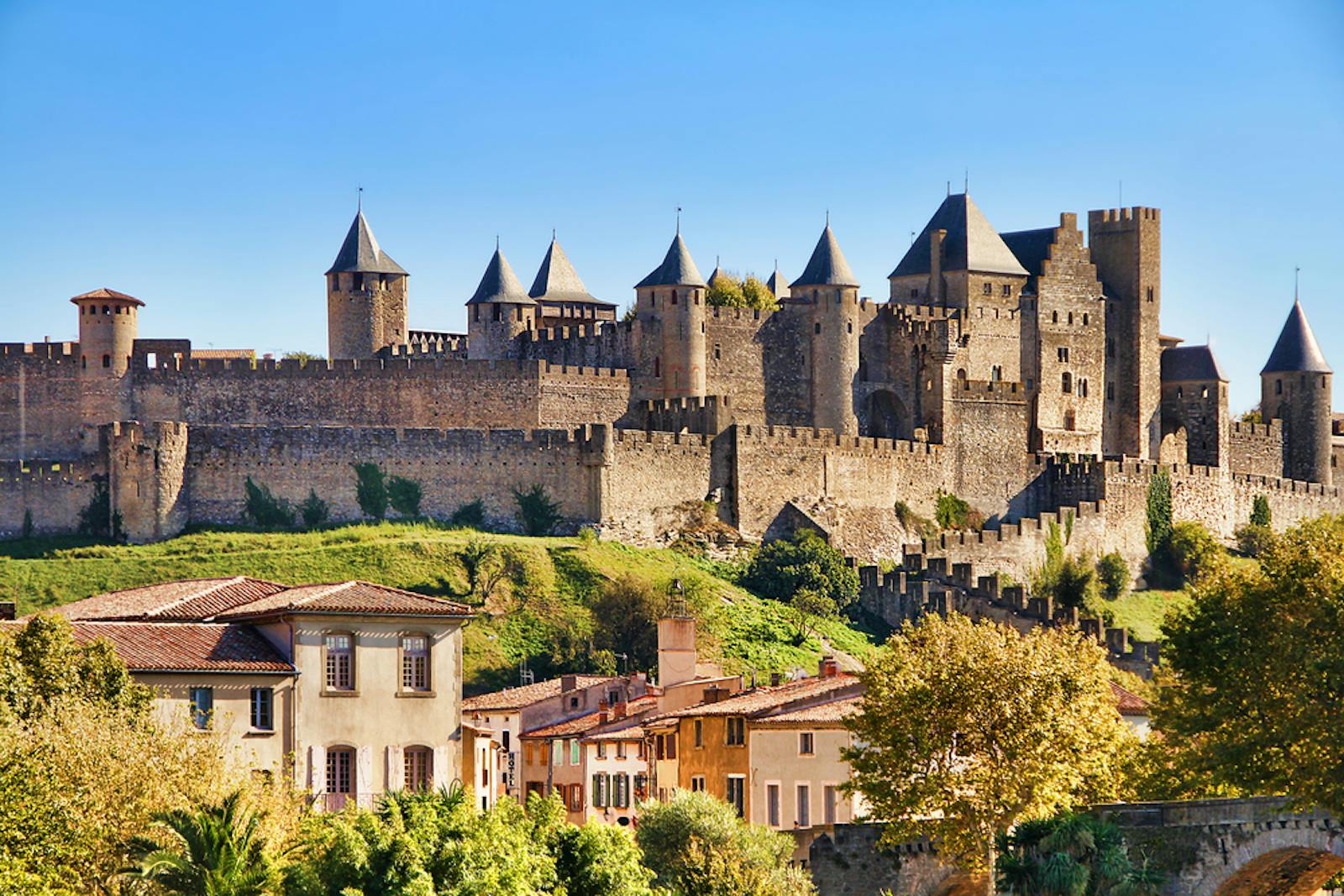
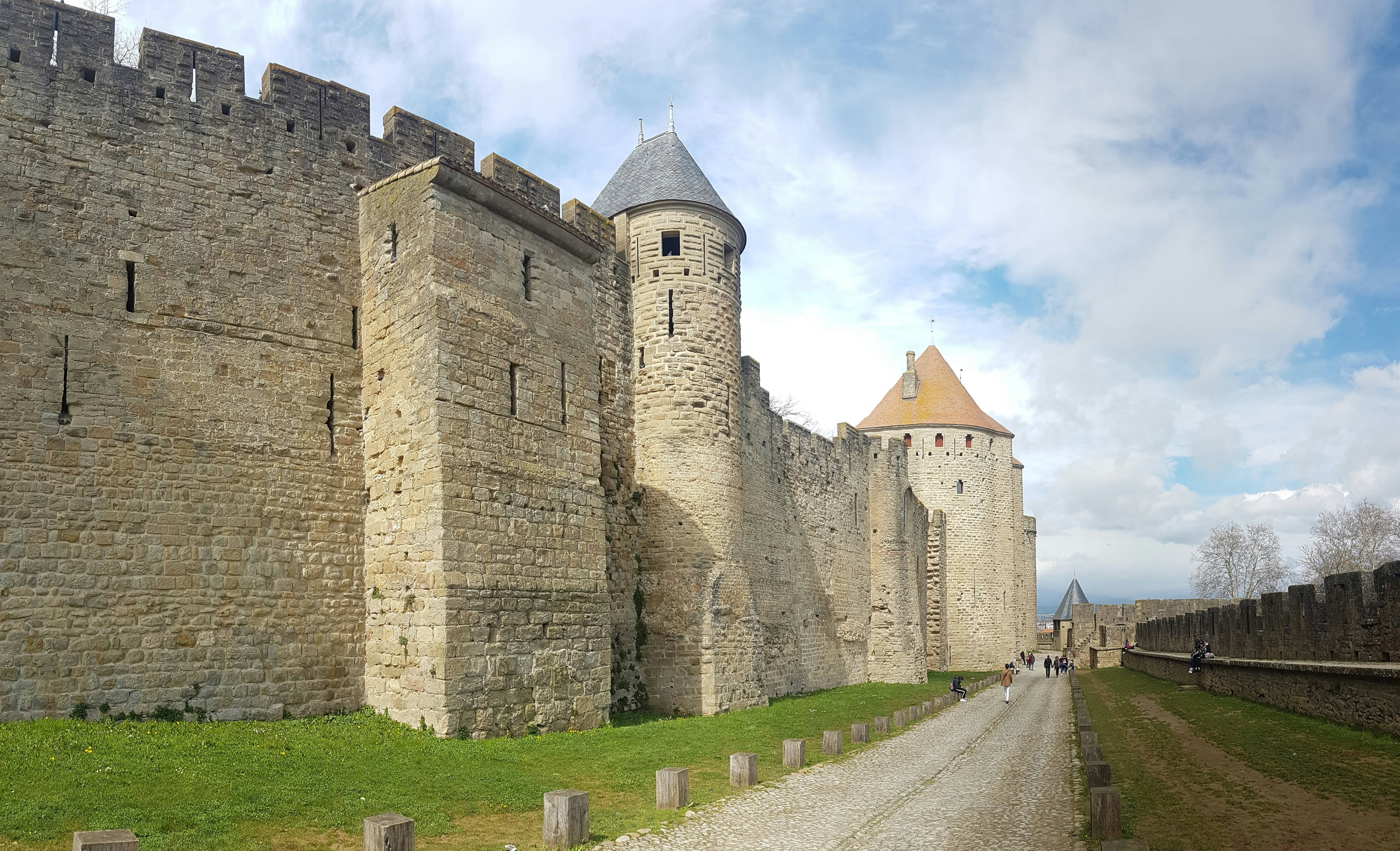
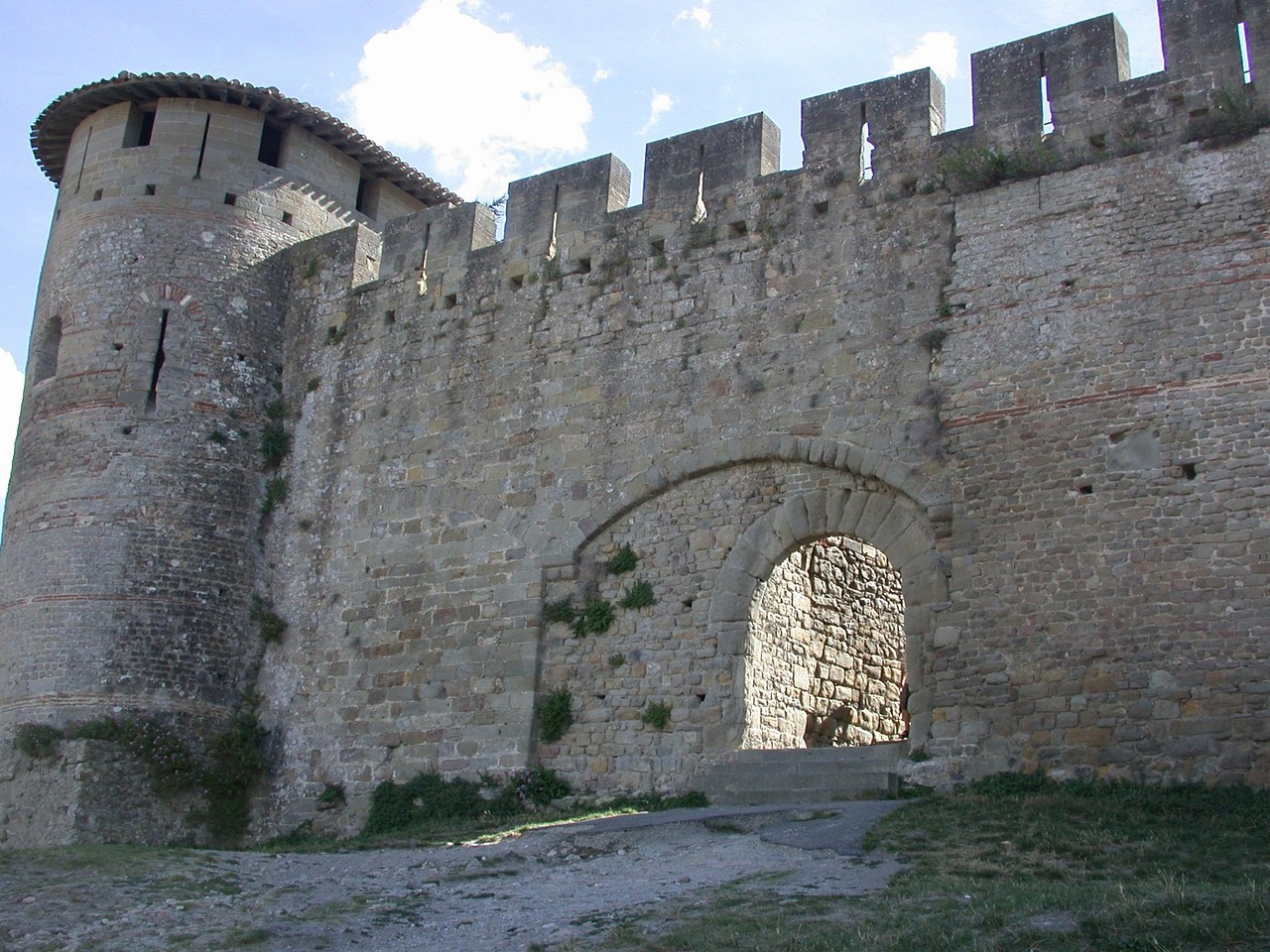
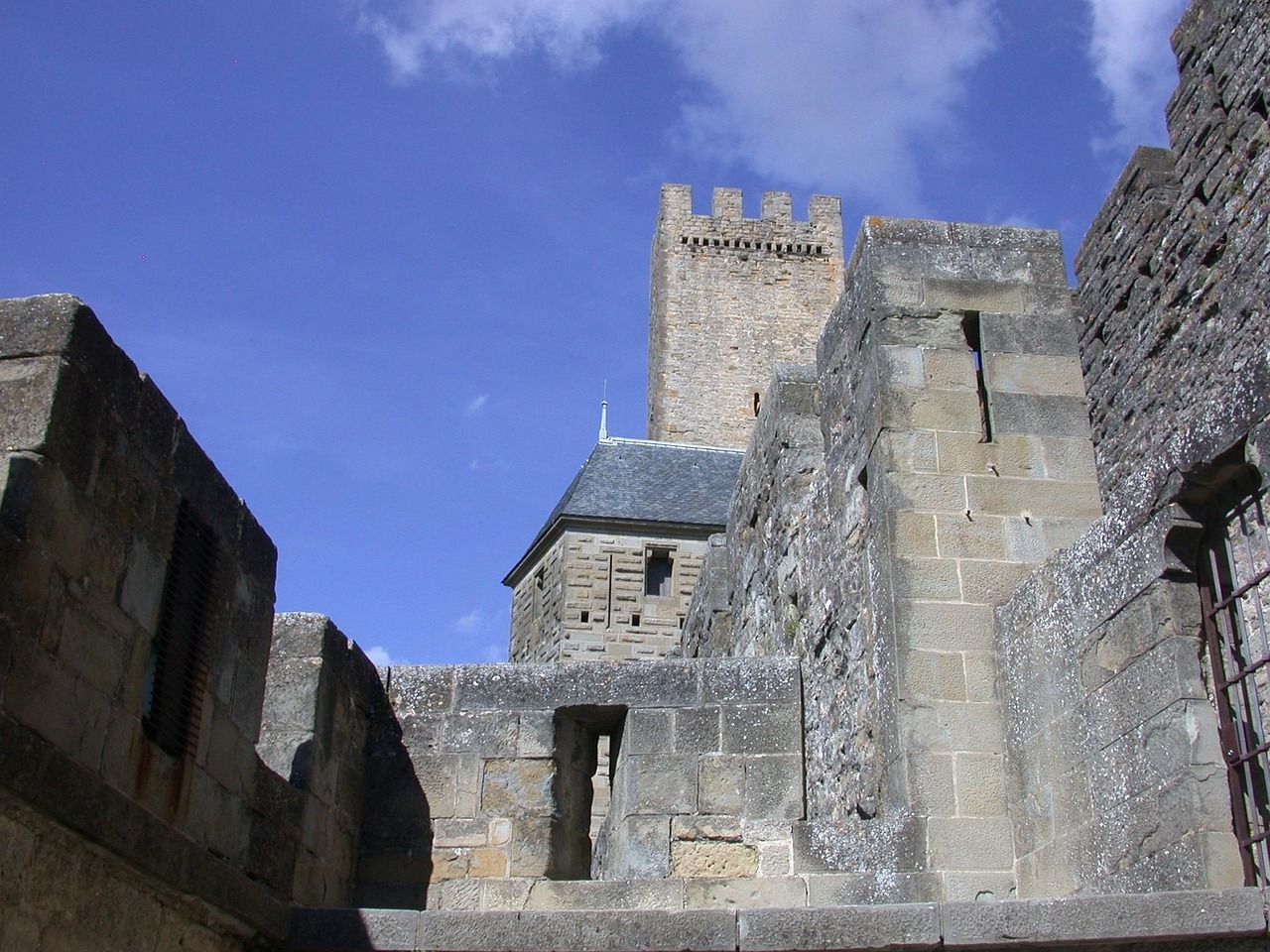
In the Middle Ages, the construction of the double fortified enclosure strengthened the city's defense against external threats. This complex architecture comprises two enclosing walls and fifty-two towers that dominate the Aude valley. The Comtal Castle served as a residence for local sovereigns and an administrative center for the region.
In the 19th century, the city was in ruins and threatened with total destruction. It was thanks to the determined action of Jean-Pierre Cros-Mayrevieille that it was saved. Eugène Viollet-le-Duc then directed an ambitious, sometimes controversial, restoration that gave the monument its current medieval appearance while integrating neo-Gothic elements.
What to see during your visit
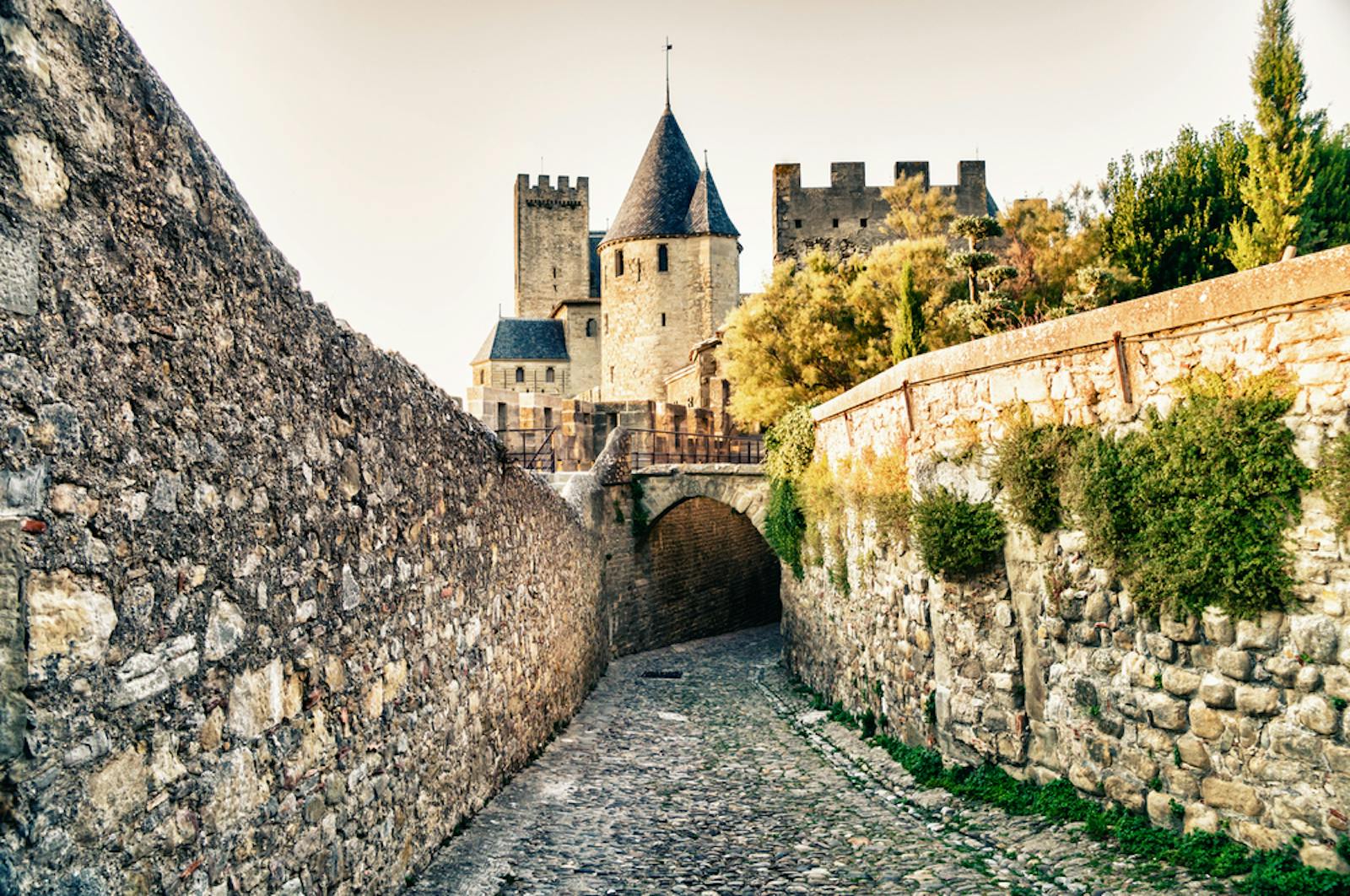
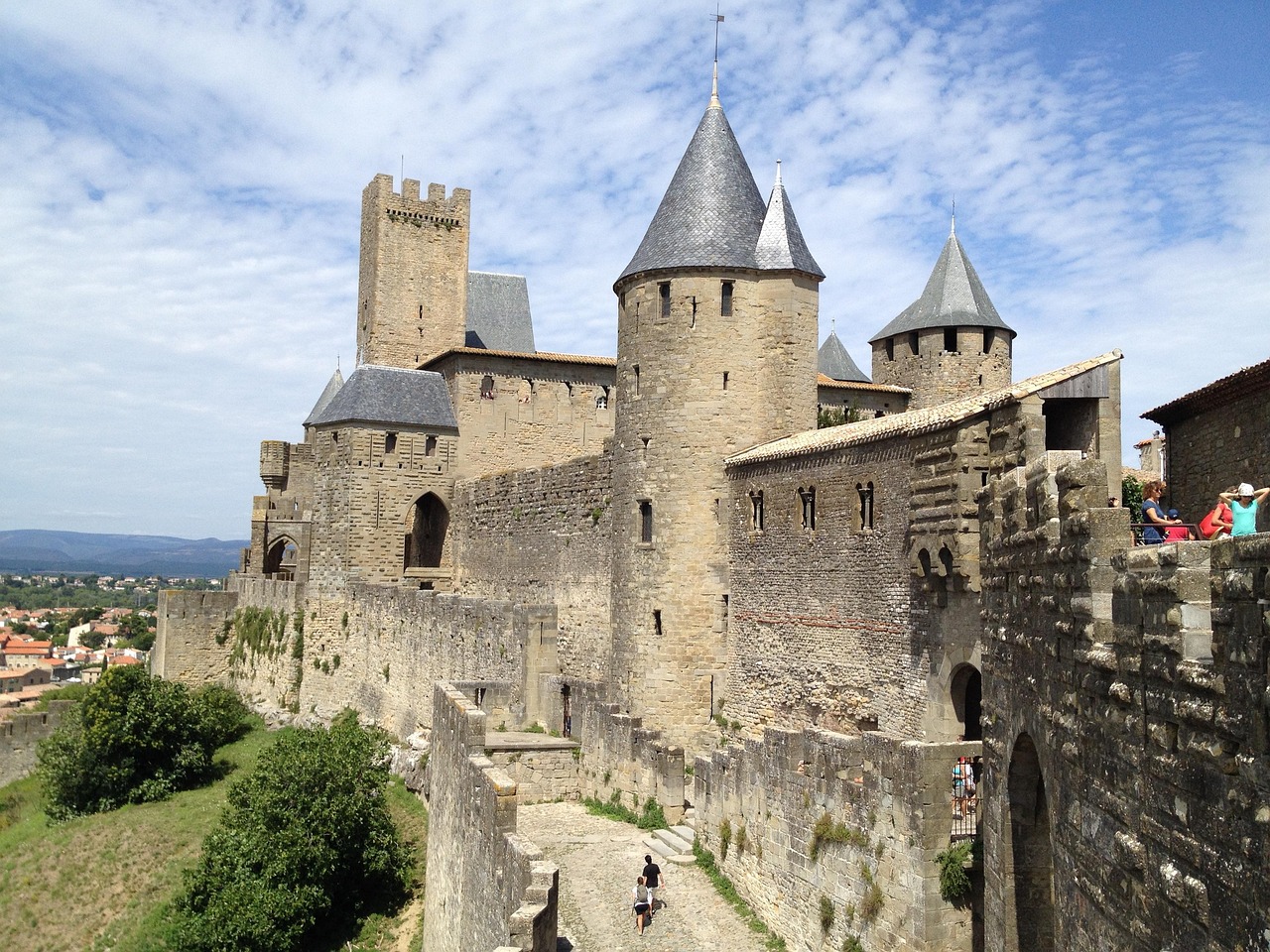
The route generally begins with the ascent of the ramparts, which offer an exceptional panoramic view of the lower town and the Canal du Midi. Visitors can walk along nearly three kilometers of walls, exploring various towers such as the Tour Belfort. These viewpoints allow you to understand the defensive strategy implemented by medieval architects.
The Comtal Castle constitutes the historical heart of the Cité with its justice halls, chapel, and moats. This fortified interior space contrasts with the exterior walls and offers an immersion into the daily life of Occitan nobles. The Basilica of Saint-Nazaire, located just next door, completes this discovery with its remarkable southern Gothic architecture.
Between paid tours, do not miss wandering freely through the lices (rampart walks) and cobblestone alleys. These public spaces host local artisans and souvenir shops that contribute to the lively atmosphere of the place. You will also find shaded areas ideal for taking a break during the summer heat.
Practical tips to optimize your stay
To avoid the crowds, it is recommended to arrive early in the morning before 10 am or late in the day at sunset. The golden light highlights the white stones of the ramparts and creates exceptional photographic conditions. Wear comfortable shoes as the irregular cobblestones and tower stairs require good grip.
Parking can be difficult in the city center; prefer the official P1 or P2 parking lots located near the Porte Narbonnaise. From the SNCF train station, a quick walk or the local bus takes you directly to the vicinity of the Cité. Always bring water as it gets hot on the sun-exposed ramparts with few drinking water points available.
Some sections of the ramparts may be temporarily closed for maintenance work or safety reasons. Check opening information before your ascent to avoid any disappointment. Families with young children should plan for lightweight baby carriers as strollers are difficult to maneuver on the ancient steps. Allow approximately 2 hours for the visit to calmly explore the 52 towers and the Comtal Castle.