History of the Renaissance Laboratory
Charles VIII, fascinated by the Villa Poggio Reale in Naples, entrusted the creation of the estate to Dom Pacello da Mercogliano. This Italian gardener transformed an old marsh into an avant-garde scientific experimentation site. He introduced potting box techniques to protect Mediterranean plants from the cold of Tours, thus laying the foundations of the modern orangery as early as the beginning of the 16th century.
The site benefits from a unique microclimate, sheltered by a 20-meter cliff that blocks northern winds. This exceptional configuration allowed for the acclimatization of citrus fruits, peaches, and other tender species unknown in France at that time. This is where the famous Reine-Claude plum was created, testifying to Dom Pacello's horticultural genius in this true nursery of the Renaissance.
After centuries of relative oblivion, the estate underwent intensive five-year restoration. Open to the public since 2014, it now reveals its original splendor. The entire site, including the royal lodge and gardens, has been classified as a Historic Monument since 2023, guaranteeing the preservation of this major cultural and botanical heritage for future generations.
What to see in the Pacellian park
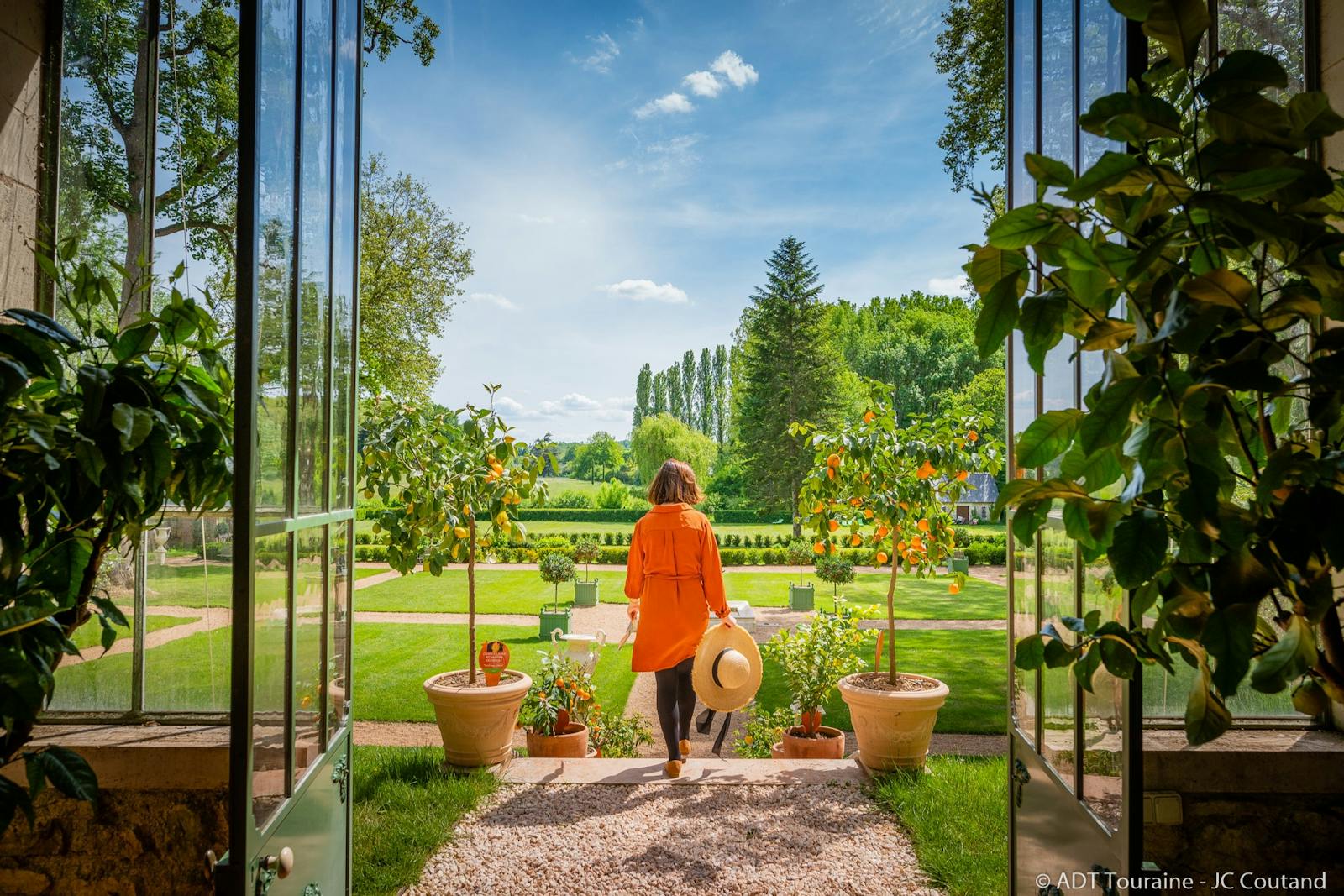
The visit often begins with the royal orangery, a green setting where ancient varieties of citrus still grow. This enclosed space allows you to observe how plants were brought indoors in winter to survive. Explanatory plaques detail the history of each species, offering a precise look at agricultural innovations of the Quattrocento and their lasting impact on French agriculture.
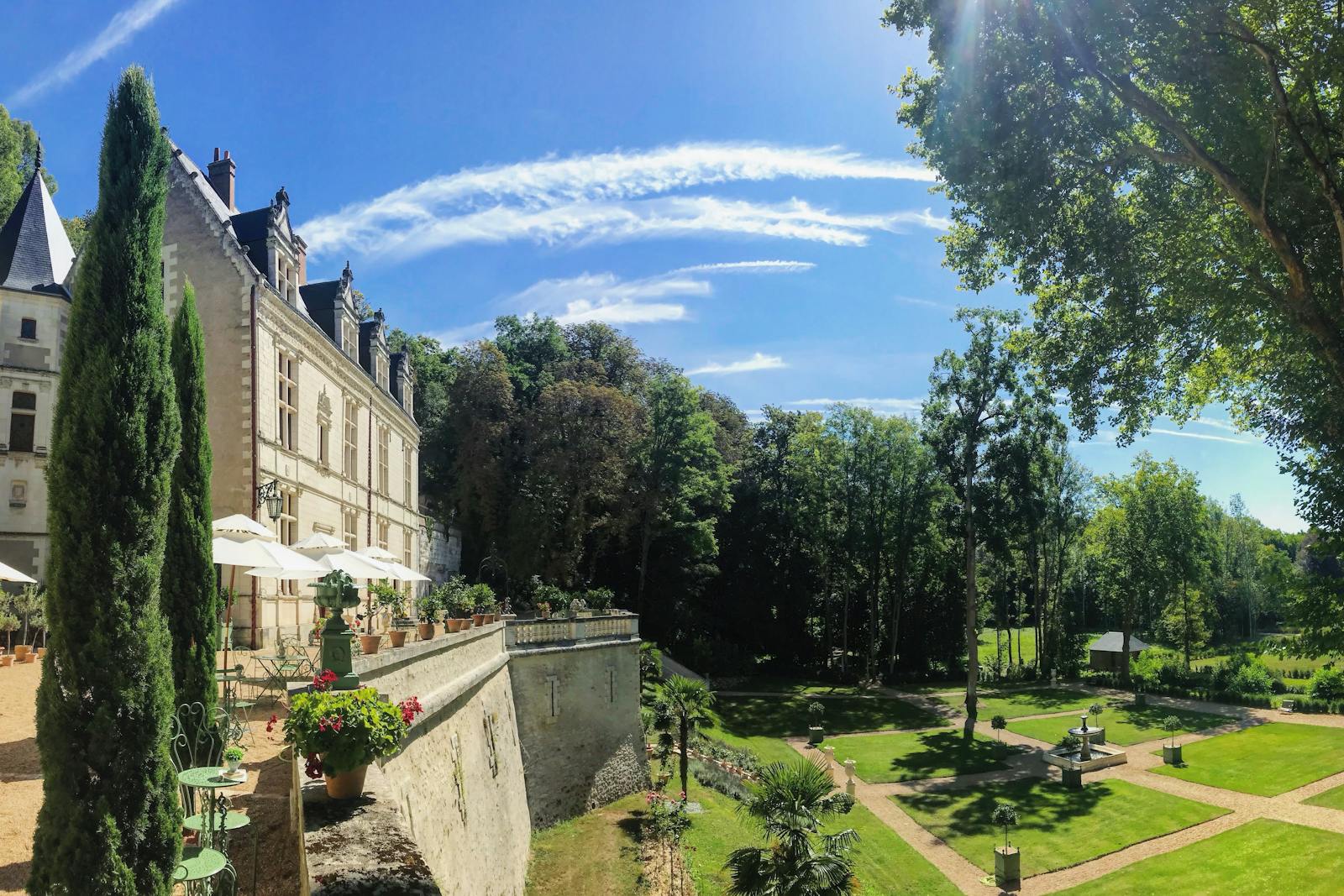
The park covers fifteen hectares and follows a rigorous axial perspective, inspired by Italian villas. You will discover French-style parterres well before Versailles, structured around the Amasse. The walkway runs along the river and offers stunning views of the royal lodge, whose Italian architecture contrasts with the traditional fortified castles of the region, illustrating the king's new taste.
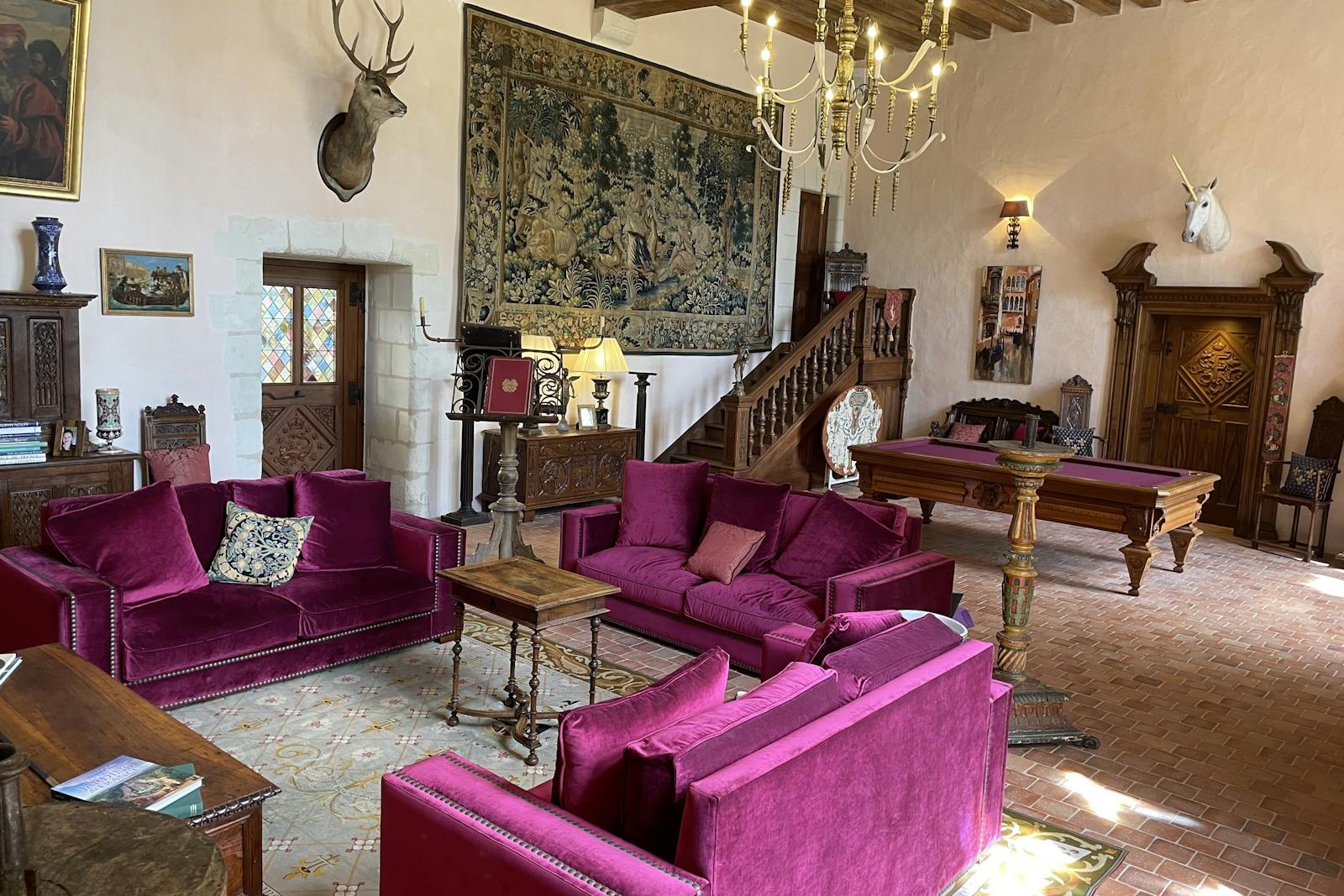
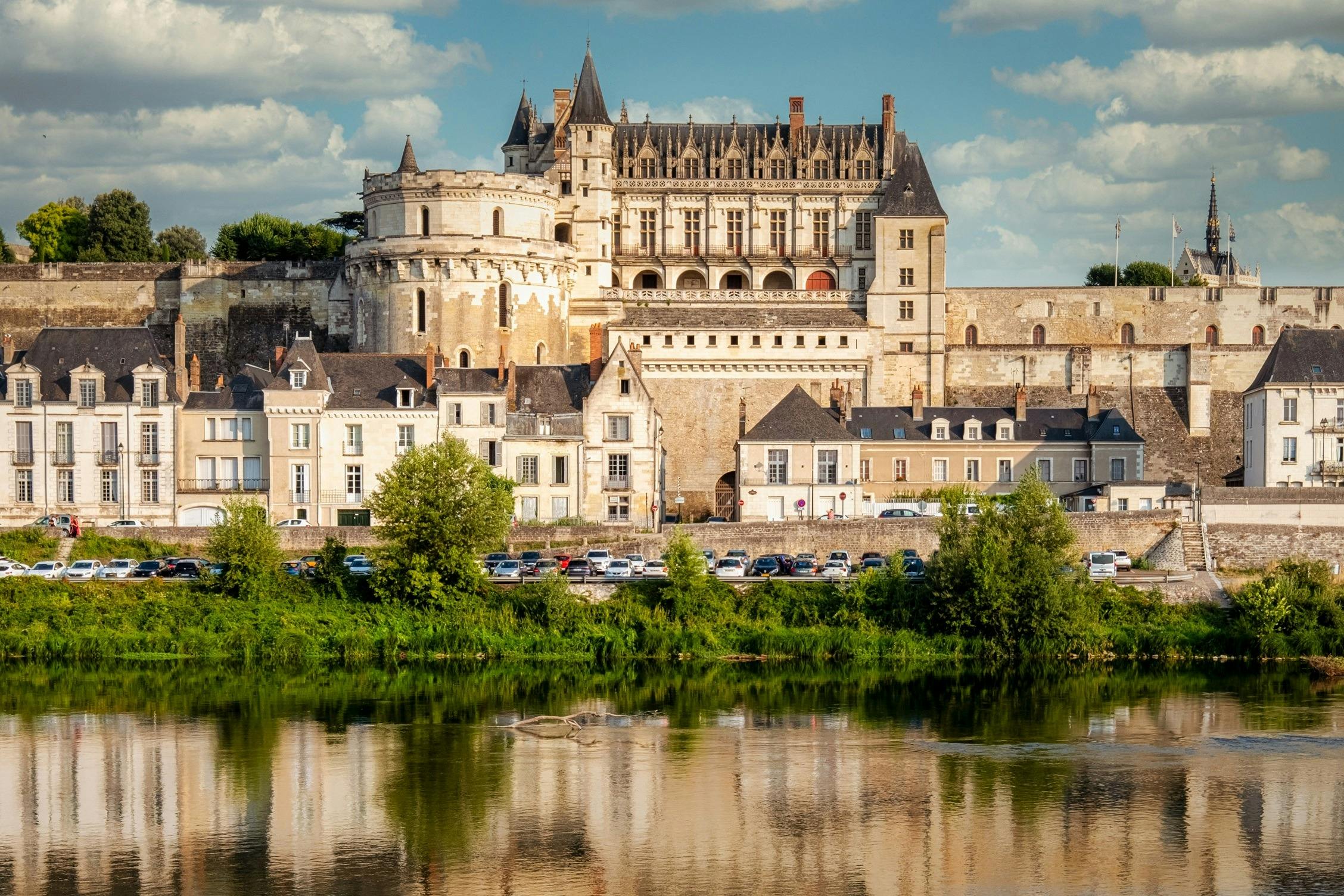
Mary Stuart also stayed in these places, adding a dramatic dimension to the site's history. Her apartments bear witness to daily life at the court of Amboise. The contrast between the intimacy of the Gaillard estate and the monumentality of the neighboring Royal Castle invites reflection on the different functions of royal residences: a place of pleasure and experimentation versus the seat of military and political power.
Practical tips for your visit
It is recommended to allow about one and a half hours to fully enjoy the lodge, the orangery, and the gardens. Arriving early in the morning allows you to benefit from ideal light passing through the stained glass and illuminating the Mediterranean plants. The south terrace offers a privileged viewpoint over the Loire and the park, perfect for capturing the essence of this exceptional microclimate protected by the cliff.
The estate is located immediately next to Clos-Lucé, allowing for a logical combination of visits. A typical itinerary consists of starting with Gaillard, having lunch in central Amboise, then visiting Leonardo da Vinci's home. Public parking is available near the city center, accessible on foot via the Saint-Nicolas bridge, offering a pleasant scenographic approach along the river.
Accessibility remains limited in certain parts of the old lodge, but the main gardens are generally accessible. For families, the park's green space offers an ideal setting for children, while respecting the historical and quiet character of the place. Check specific opening hours for the orangery according to the season, as visiting conditions may vary depending on whether plants have been brought in for winter.