History of the Alhambra
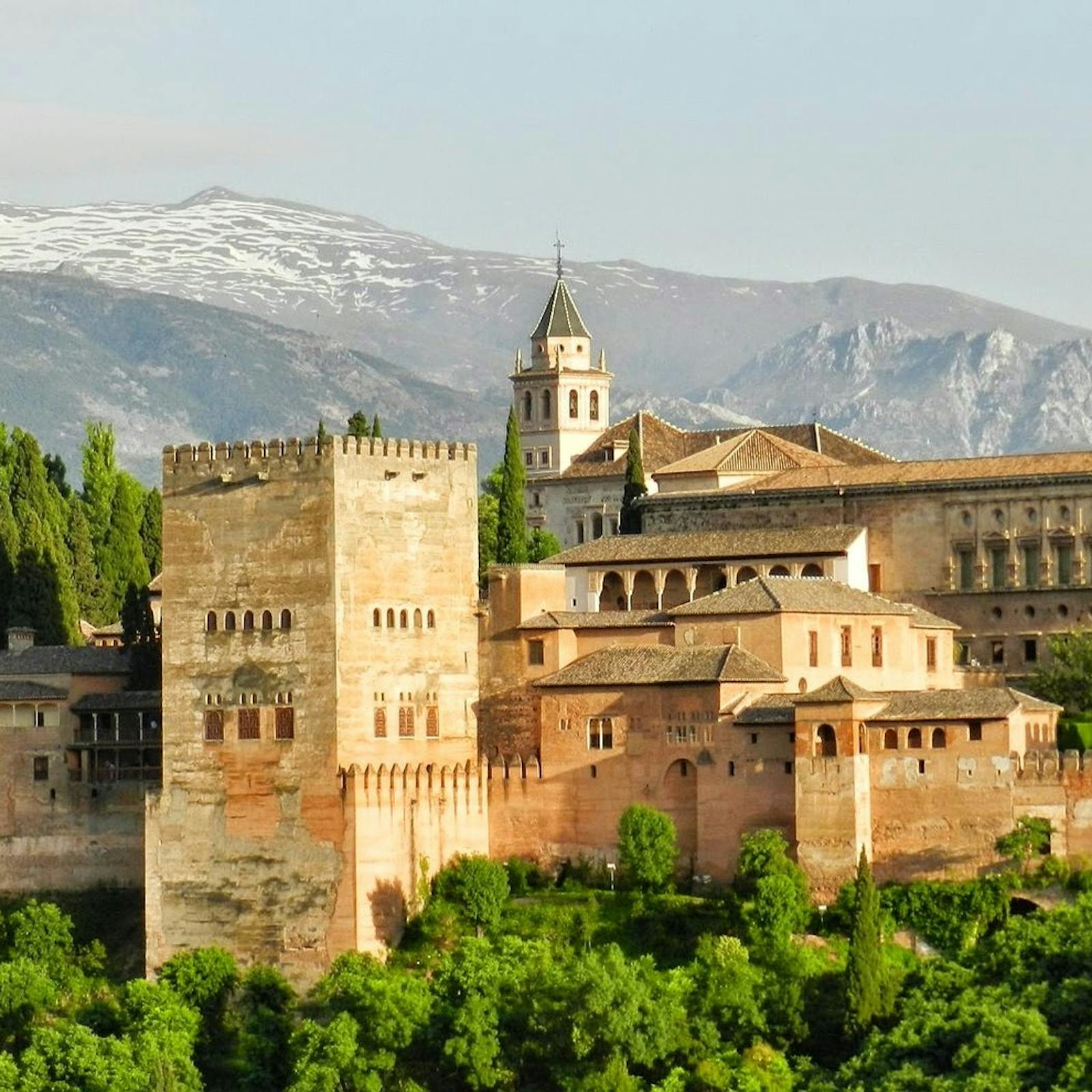
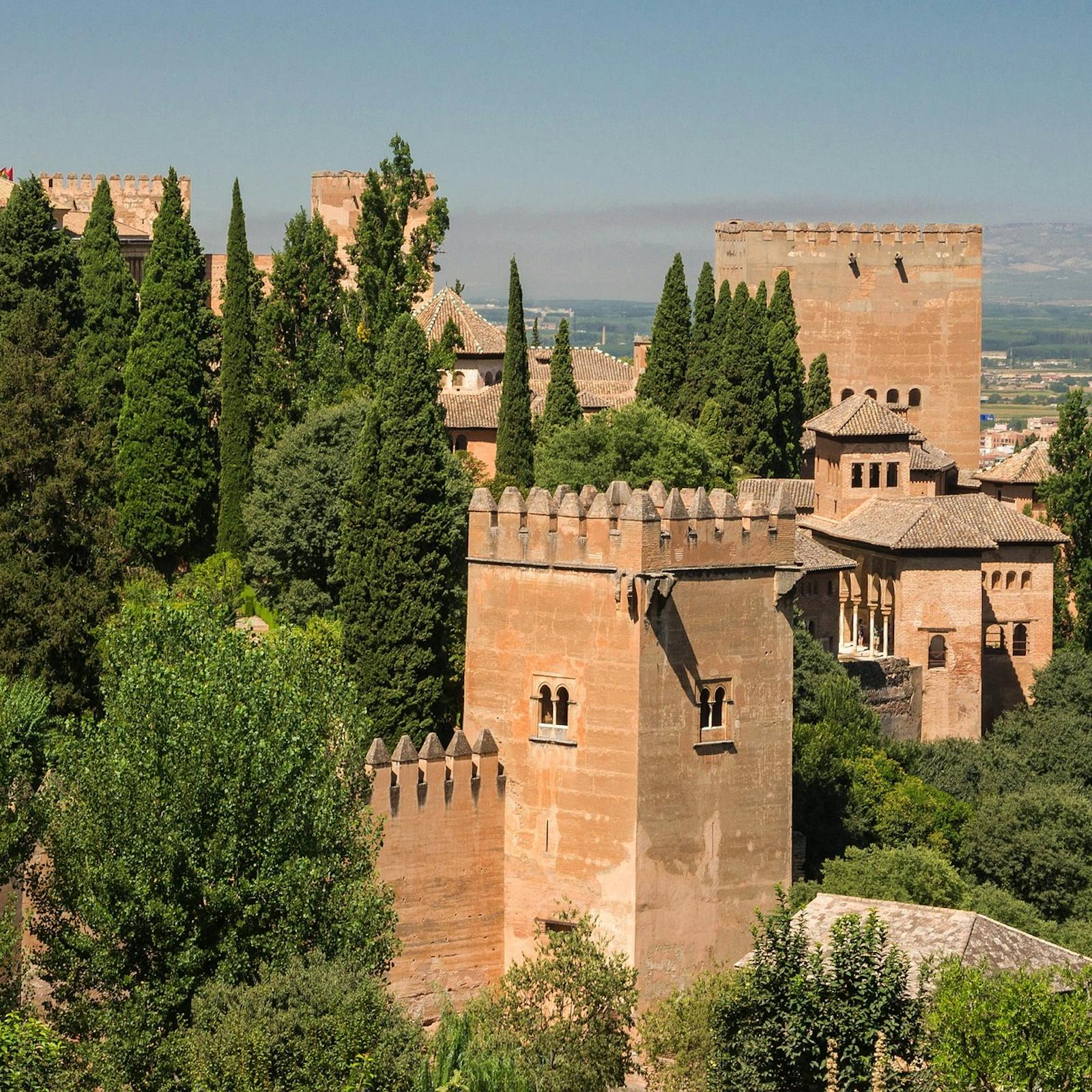
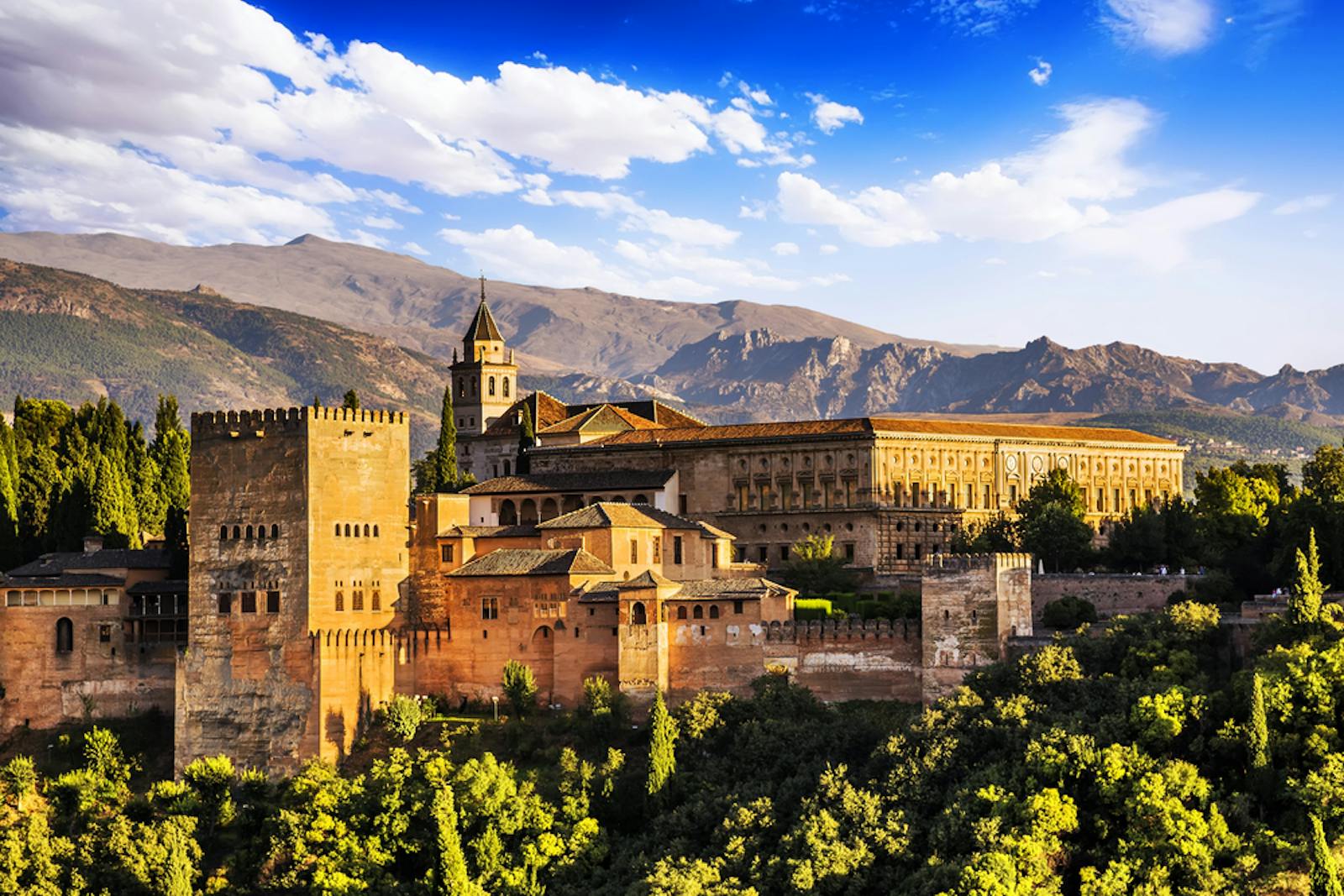
The name 'Al-Hamrâ' means 'the Red Fortress' in Arabic. This name likely refers to Mohammed ben Nazar, nicknamed 'al-Aḥmar' (the Red) for his red beard, founder of the Nasrid dynasty in 1238. It is also possible that this name evokes the ochre color of the clay soil of the Sabika hill, on which the site is built. His son Mohammed II then fortified the complex to make it an impregnable citadel overlooking the Granada plain.
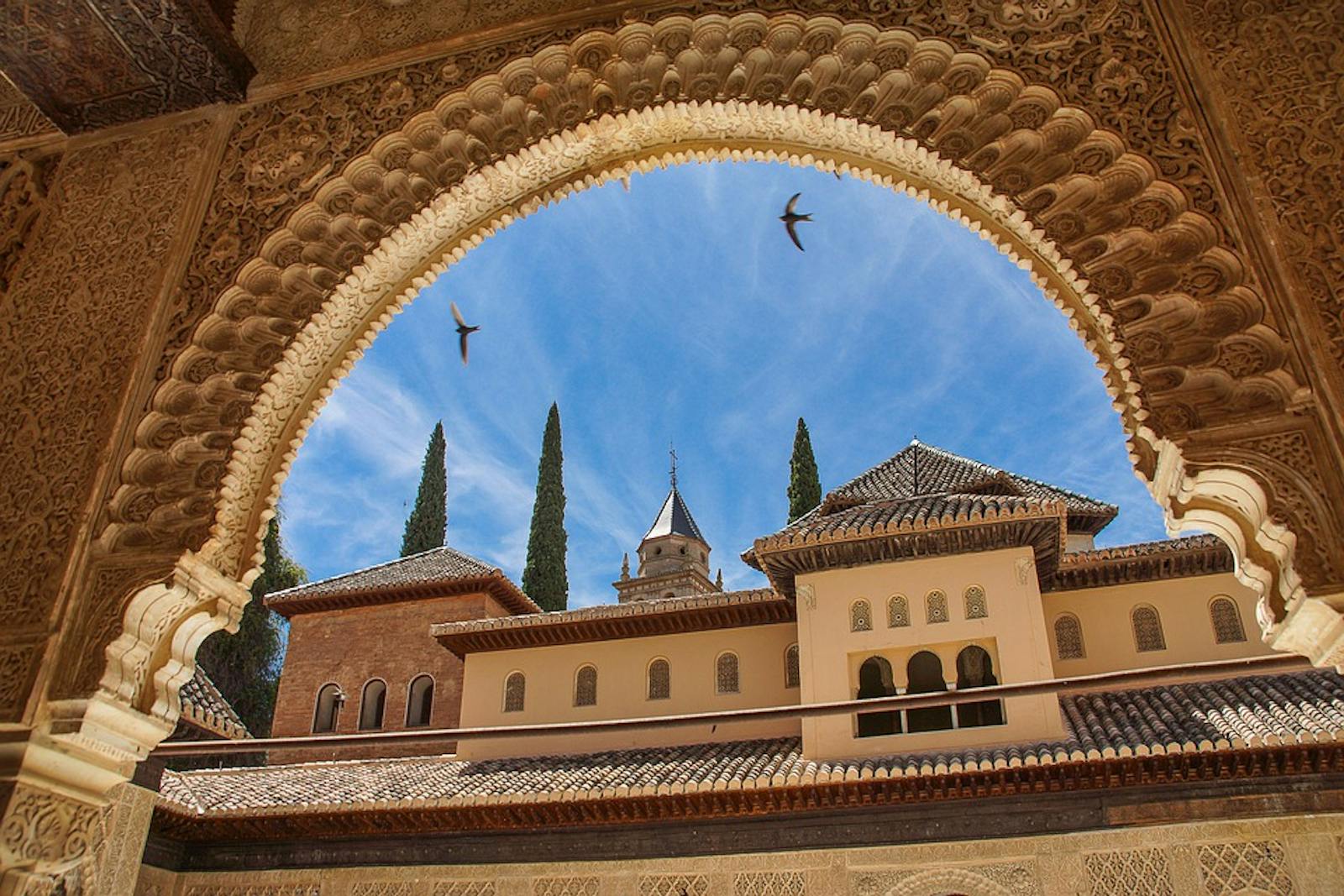
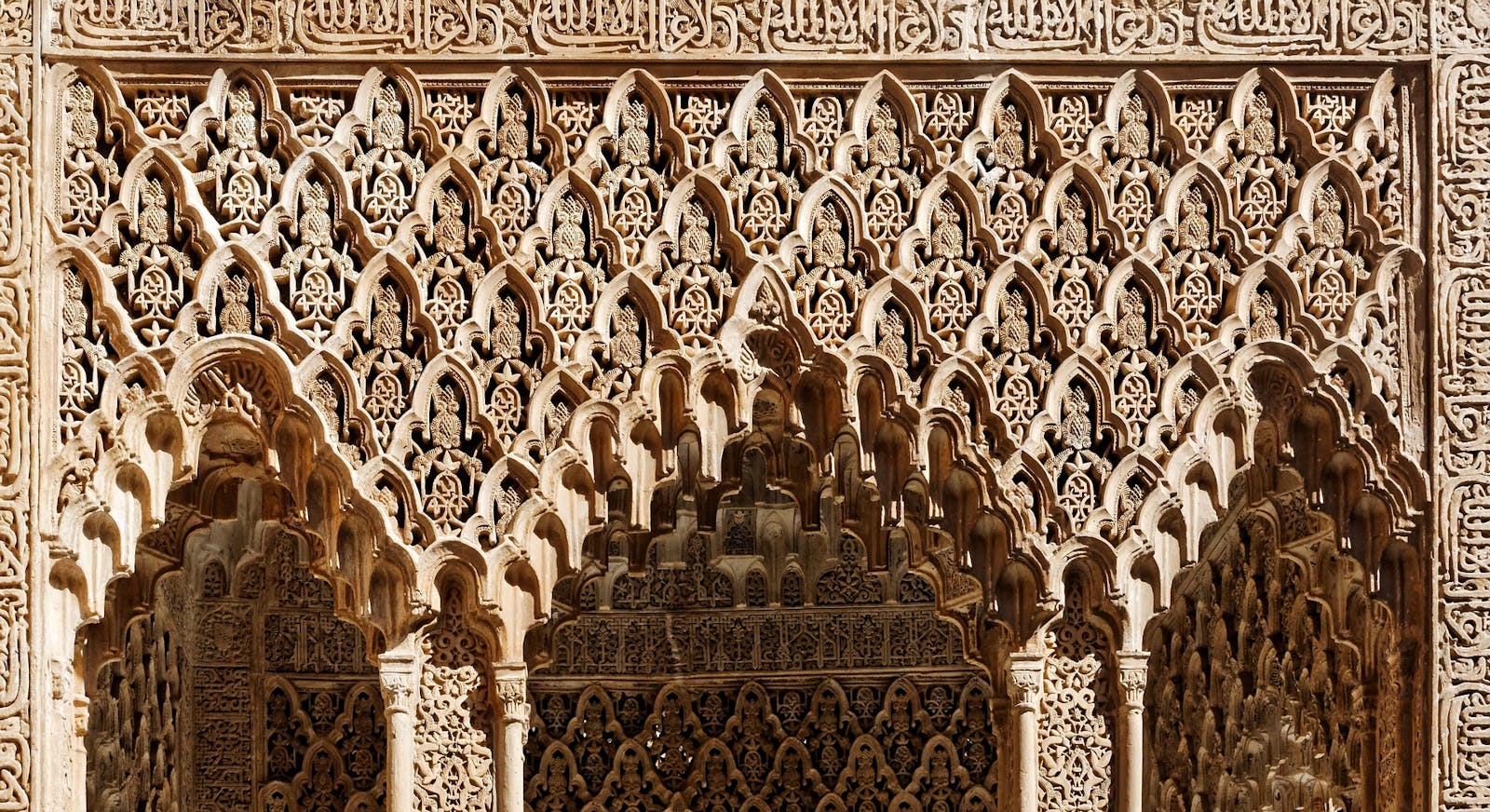
The artistic peak of the Alhambra occurred in the 14th century, under the reign of Mohammed V al-Ghanî. Between 1333 and 1354, this builder-king transformed the existing palaces into a lacework of stucco and cedar wood. Unlike the sobriety of earlier mosques, these palaces testify to a decorative exuberance linked to political decadence but to the cultural splendor of the time. Each sovereign took over the palace of his predecessor and built new parts, modifying the whole as he pleased.
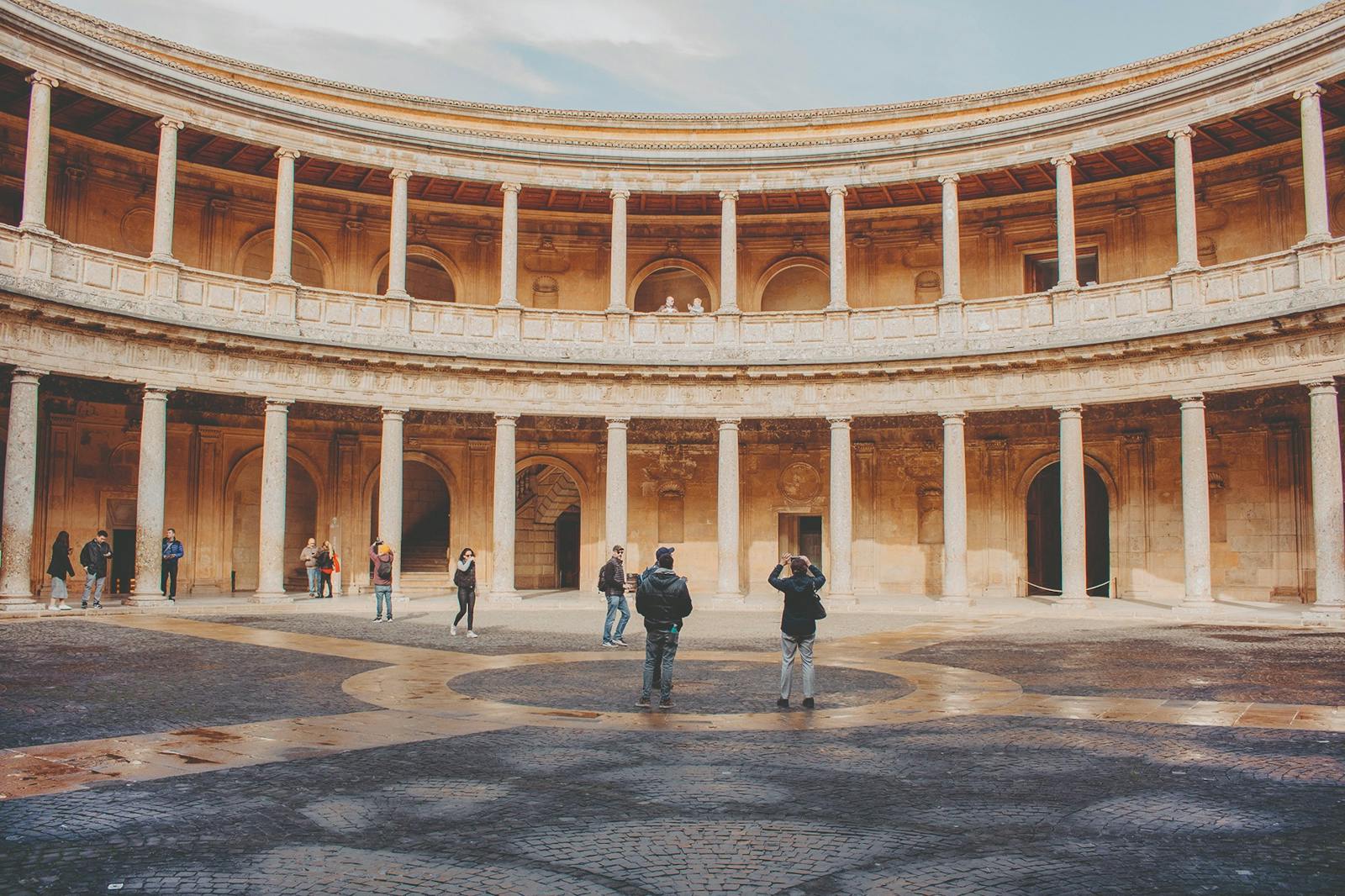
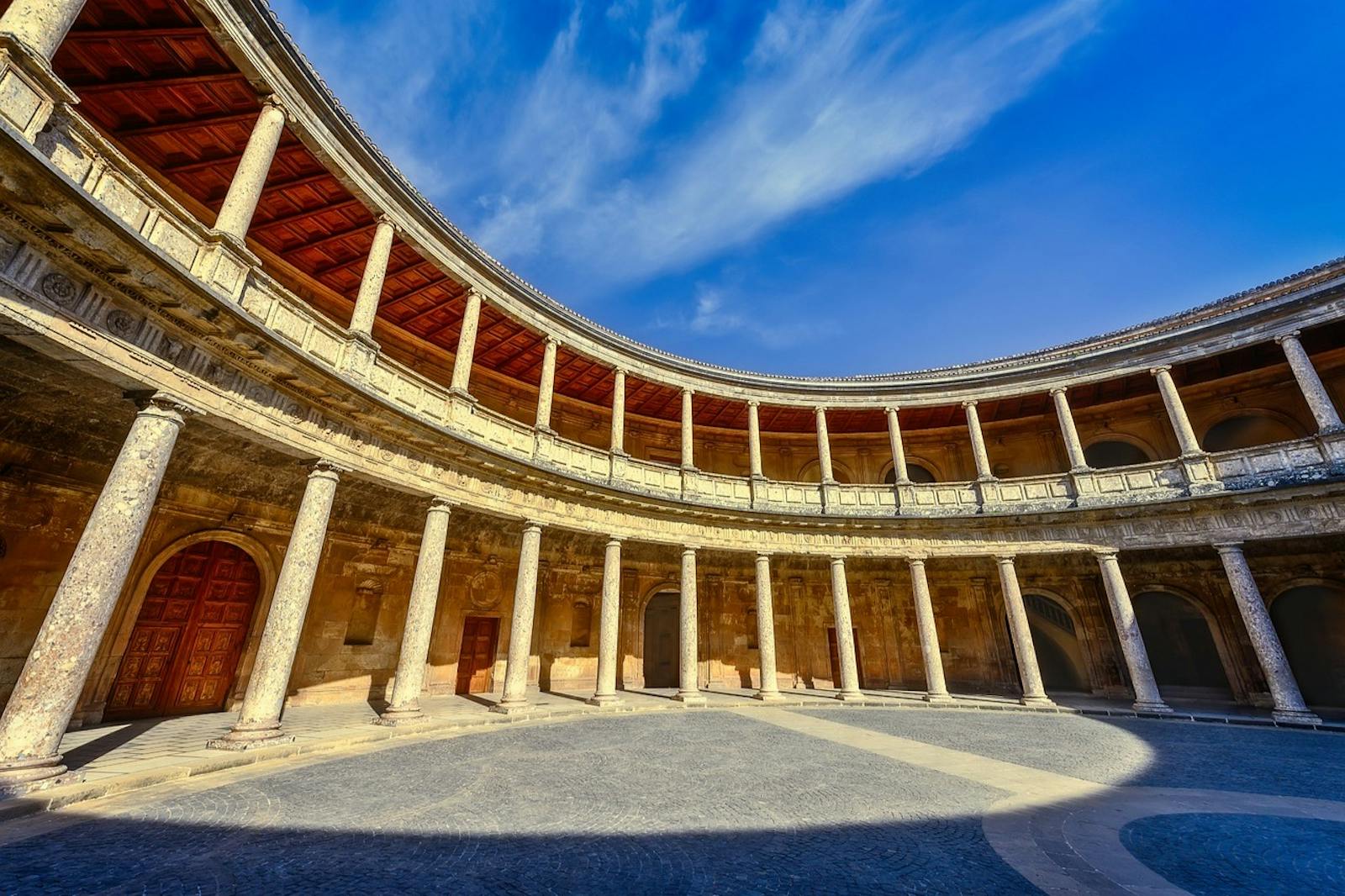
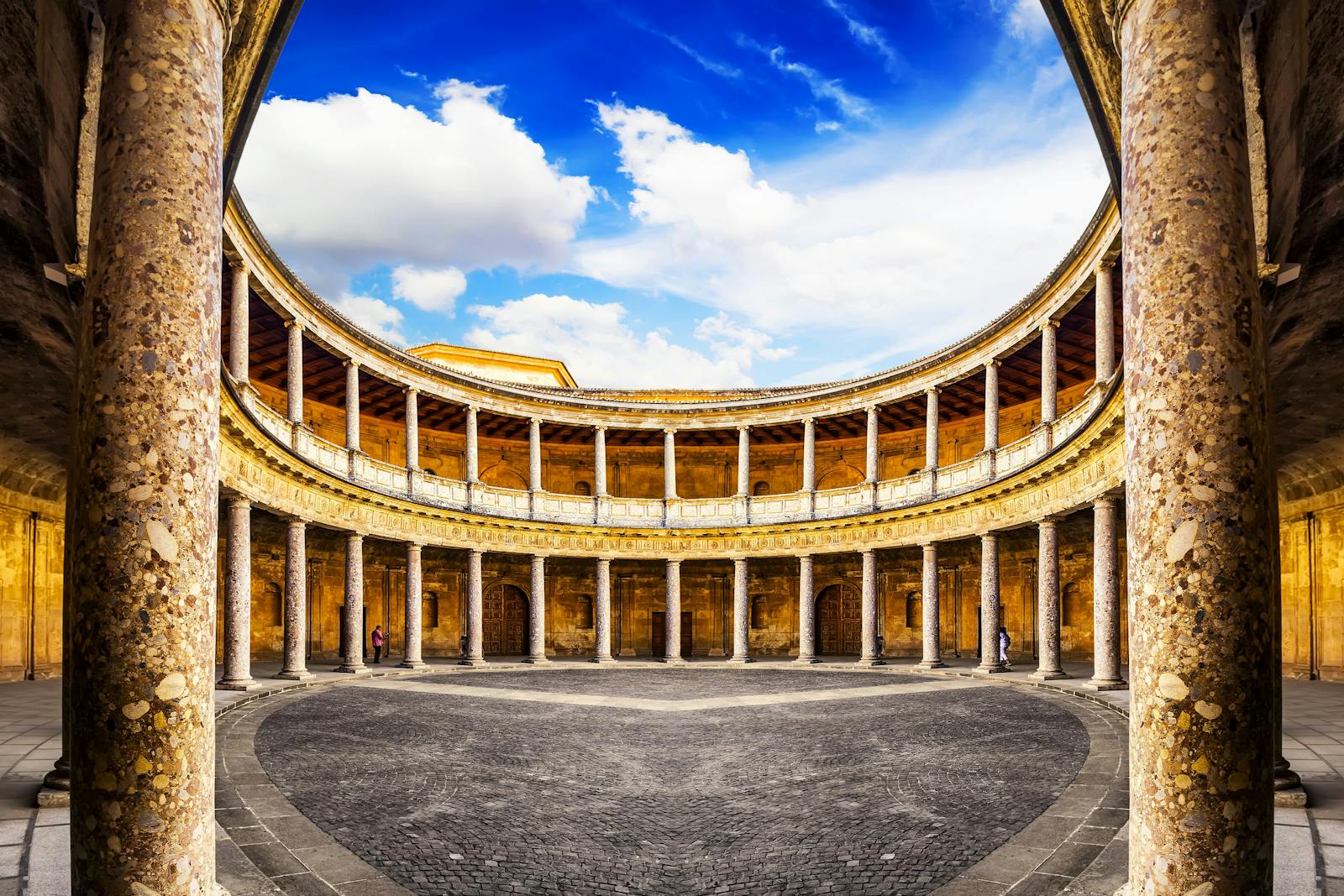
After the Reconquista, the Catholic Monarchs had the Palace of Charles V built in the 16th century. This circular Renaissance-style building contrasts sharply with the surrounding Moorish architecture. Located in the very heart of the fortress, it symbolizes Christian domination and the transition to a new historical era for Granada. A church was also built in place of an old mosque, marking the end of the Islamic period in the region.
What to see at the Alhambra
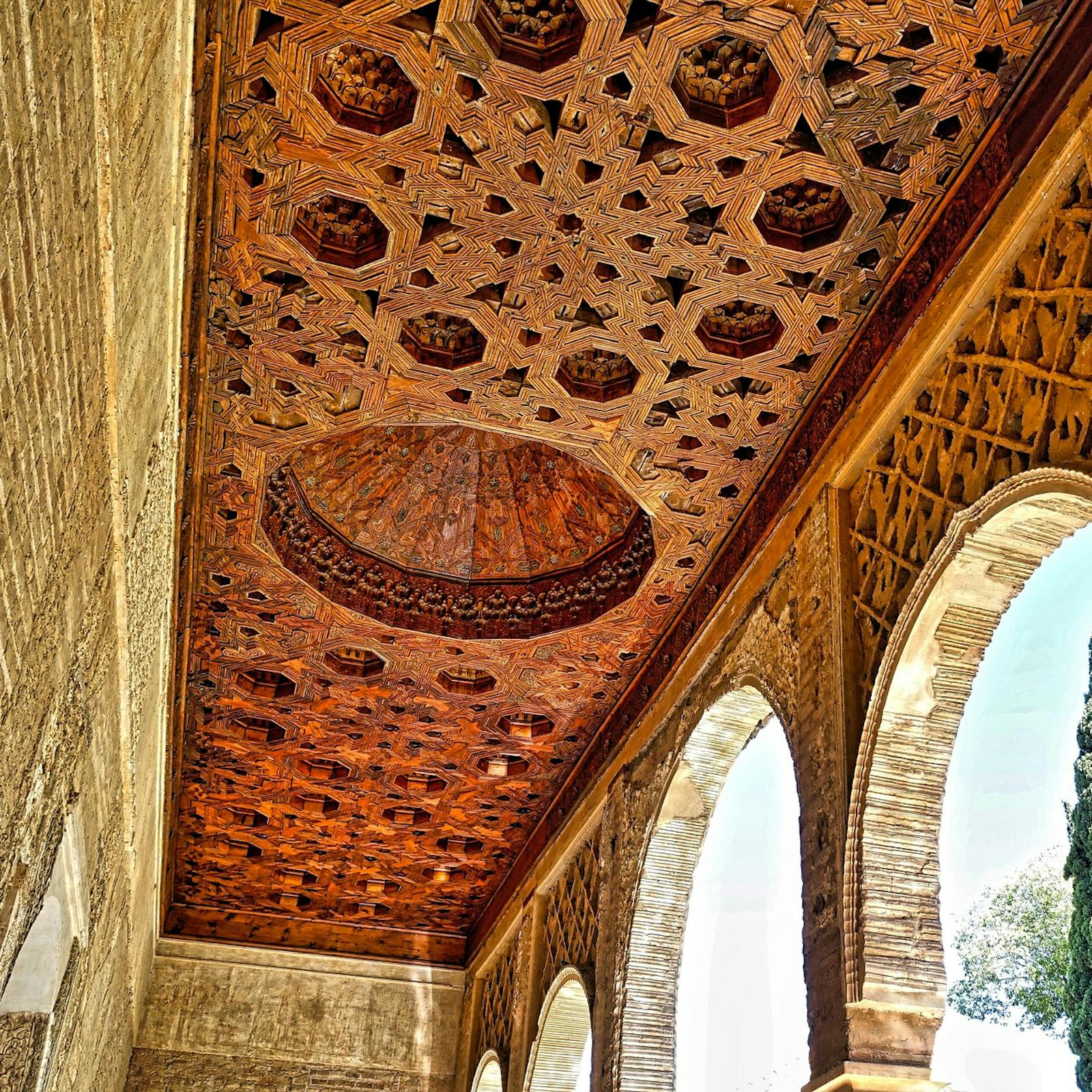
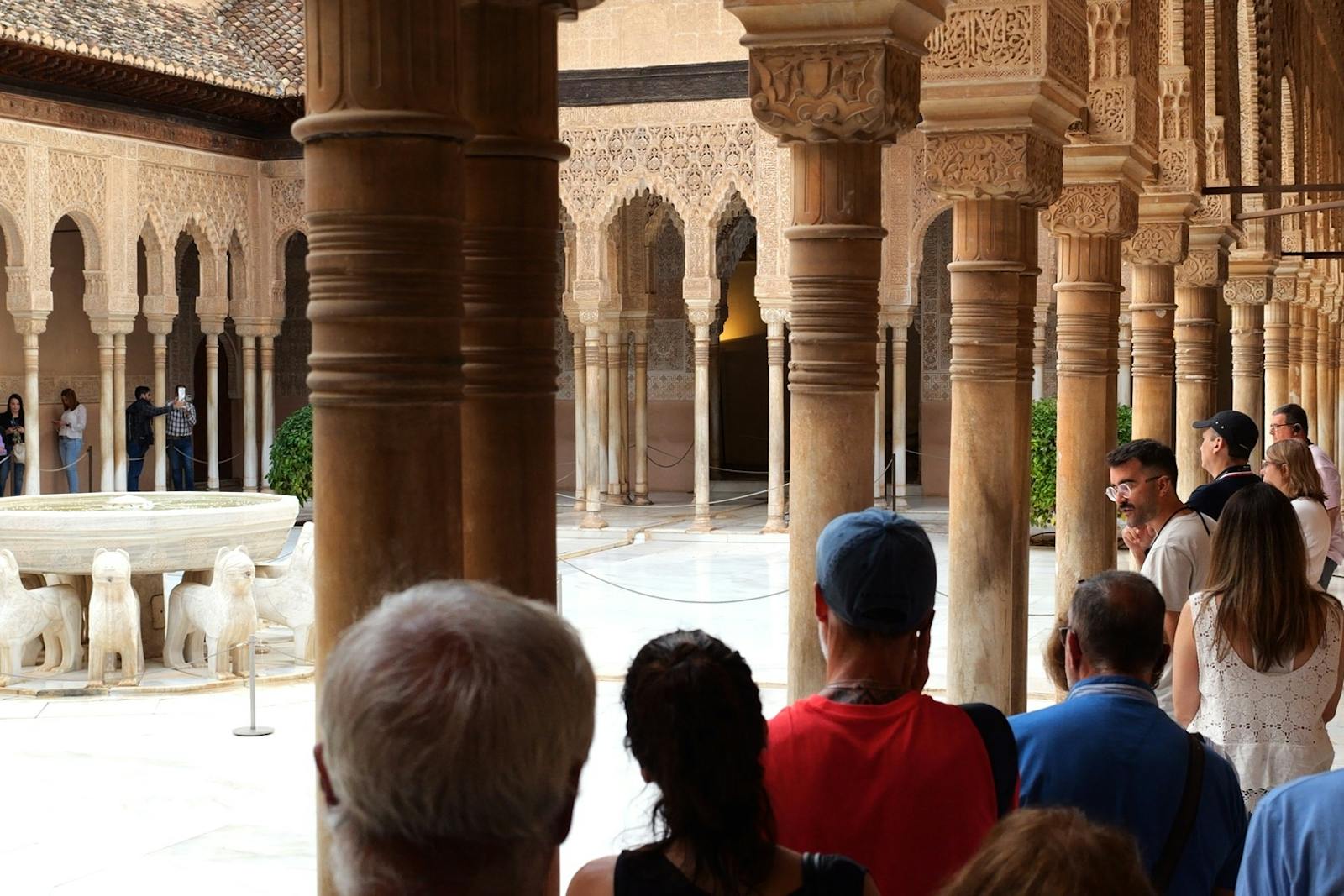
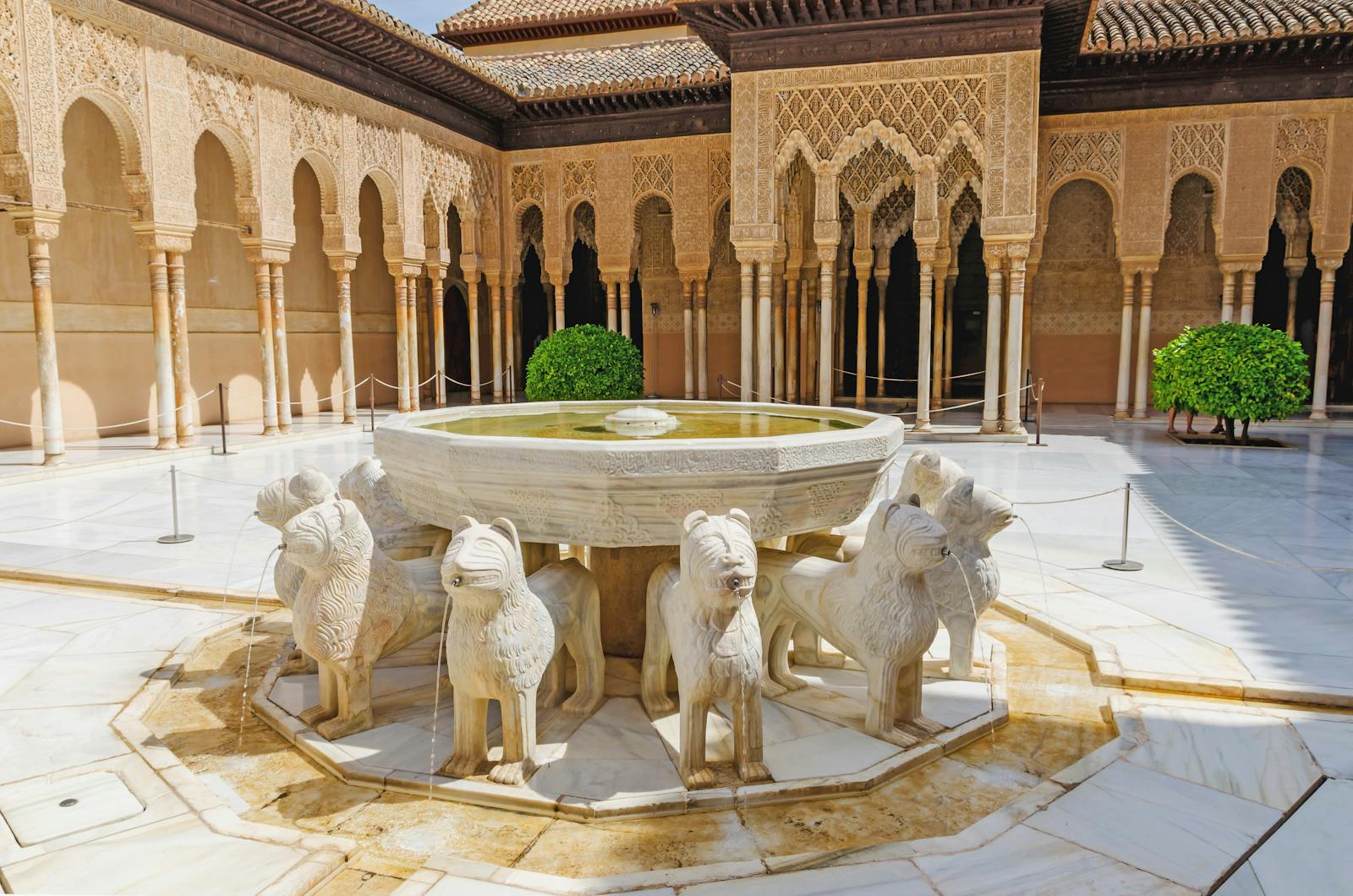
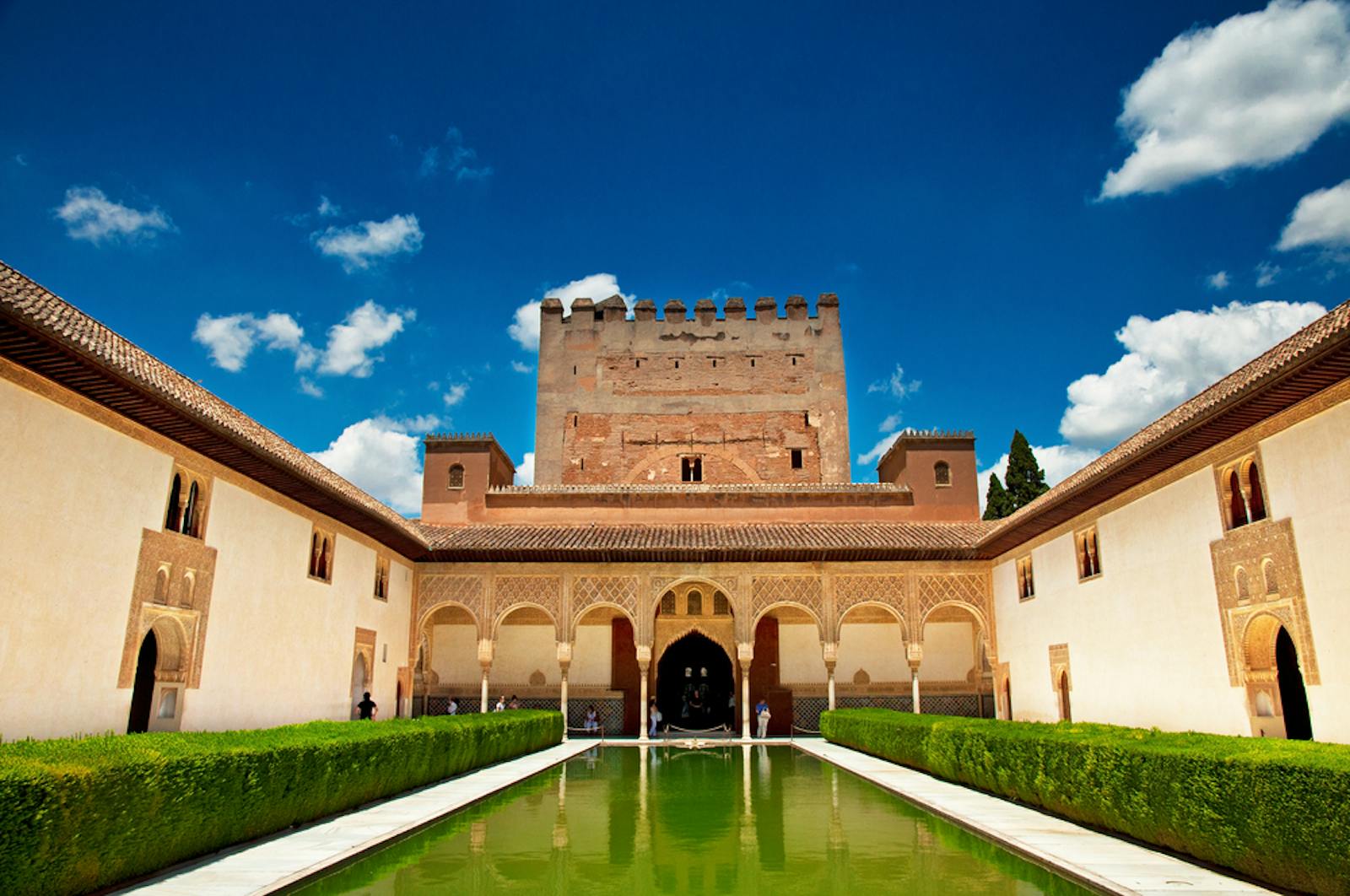
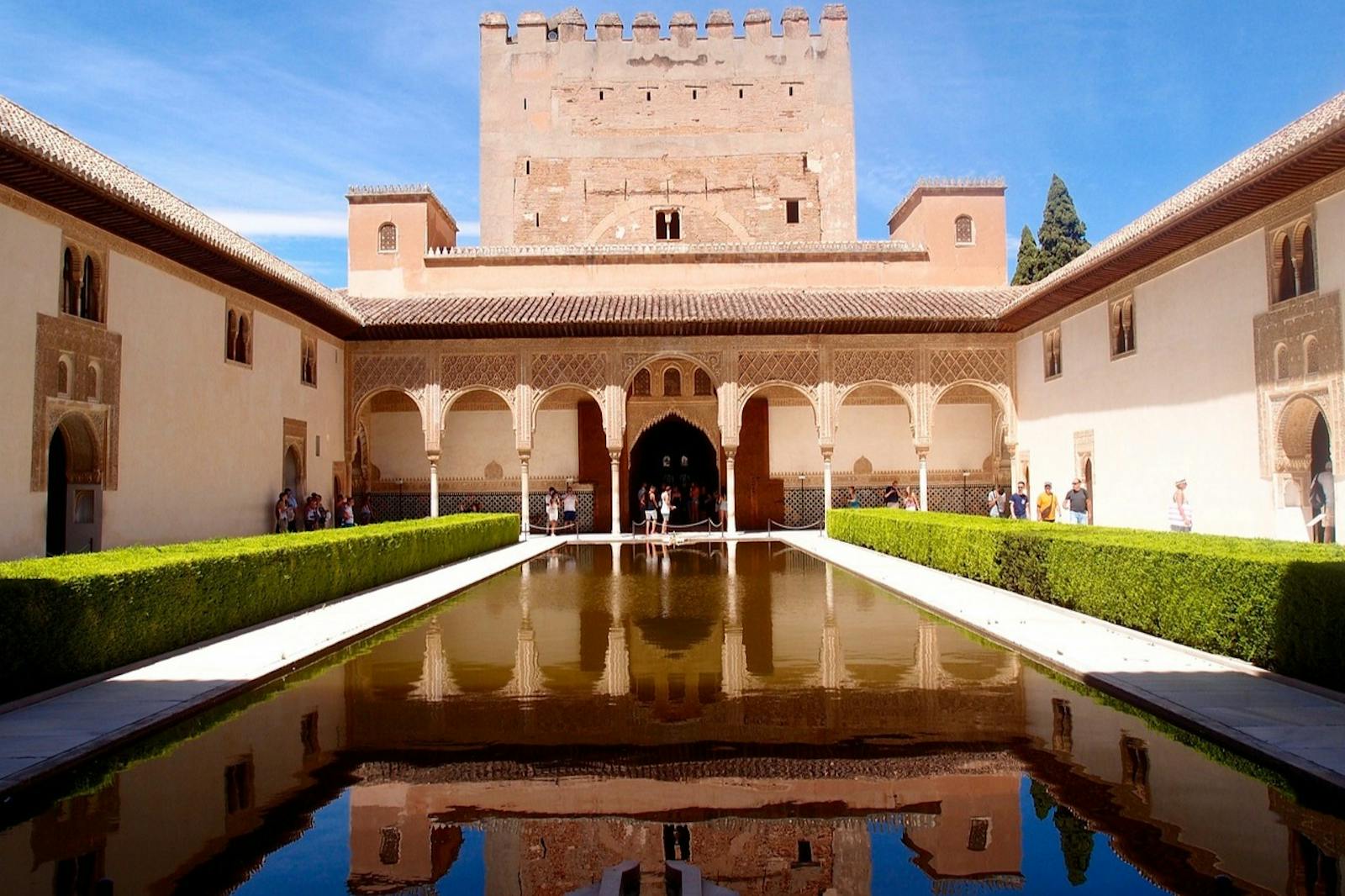
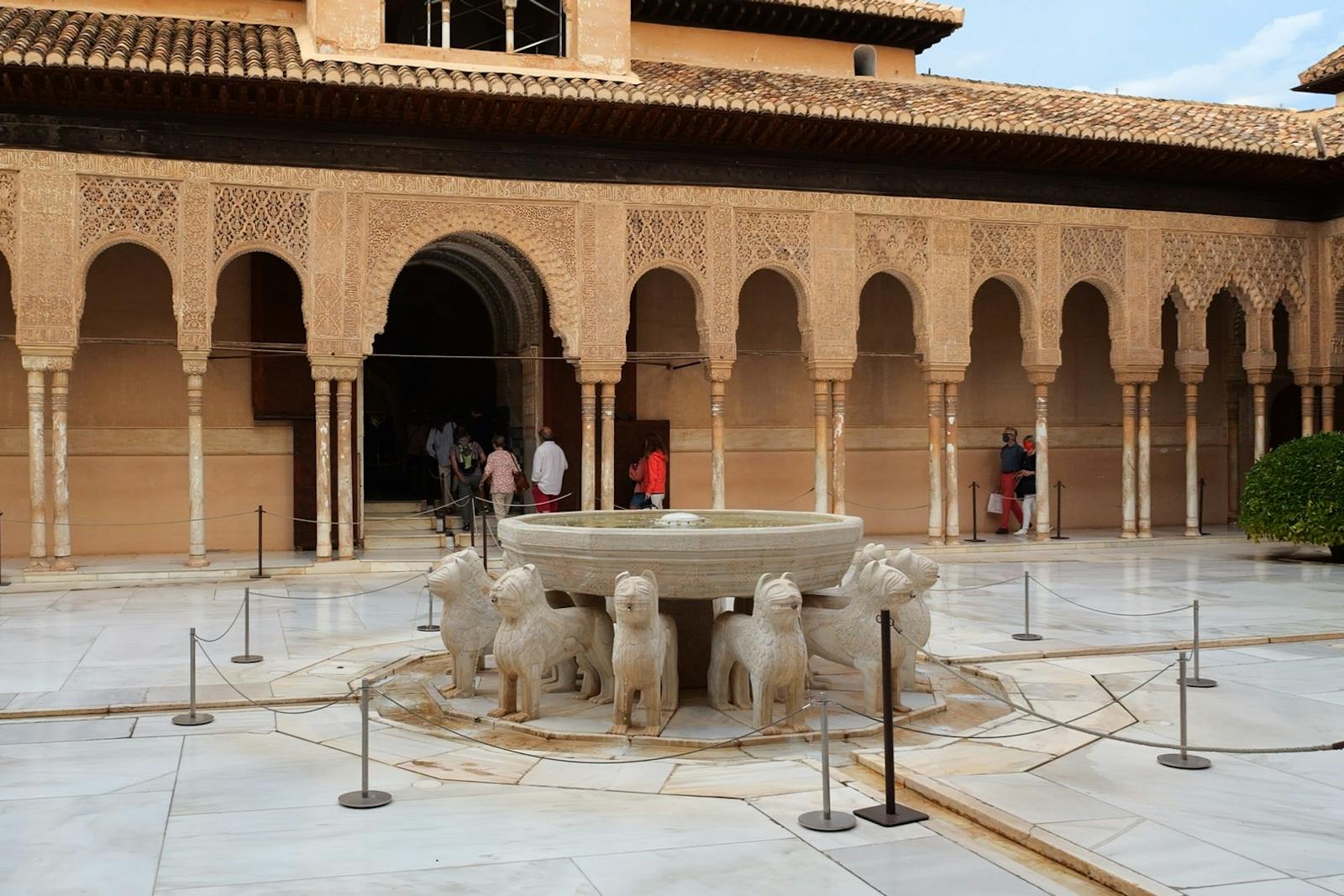
The Nasrid Palaces constitute the emotional heart of the site. Their Patio of the Court of the Myrtle and the Hall of the Abencerrajes offer stunning visual perspectives through plays of light and water. The carved cedar wood ceilings and muqarnas (stalactites) create a mysterious and refined atmosphere, typical of Andalusian Islamic art. The complex is arranged around two jewels: the Court of the Myrtles and the Court of the Lions, true masterpieces of Nasrid architecture.
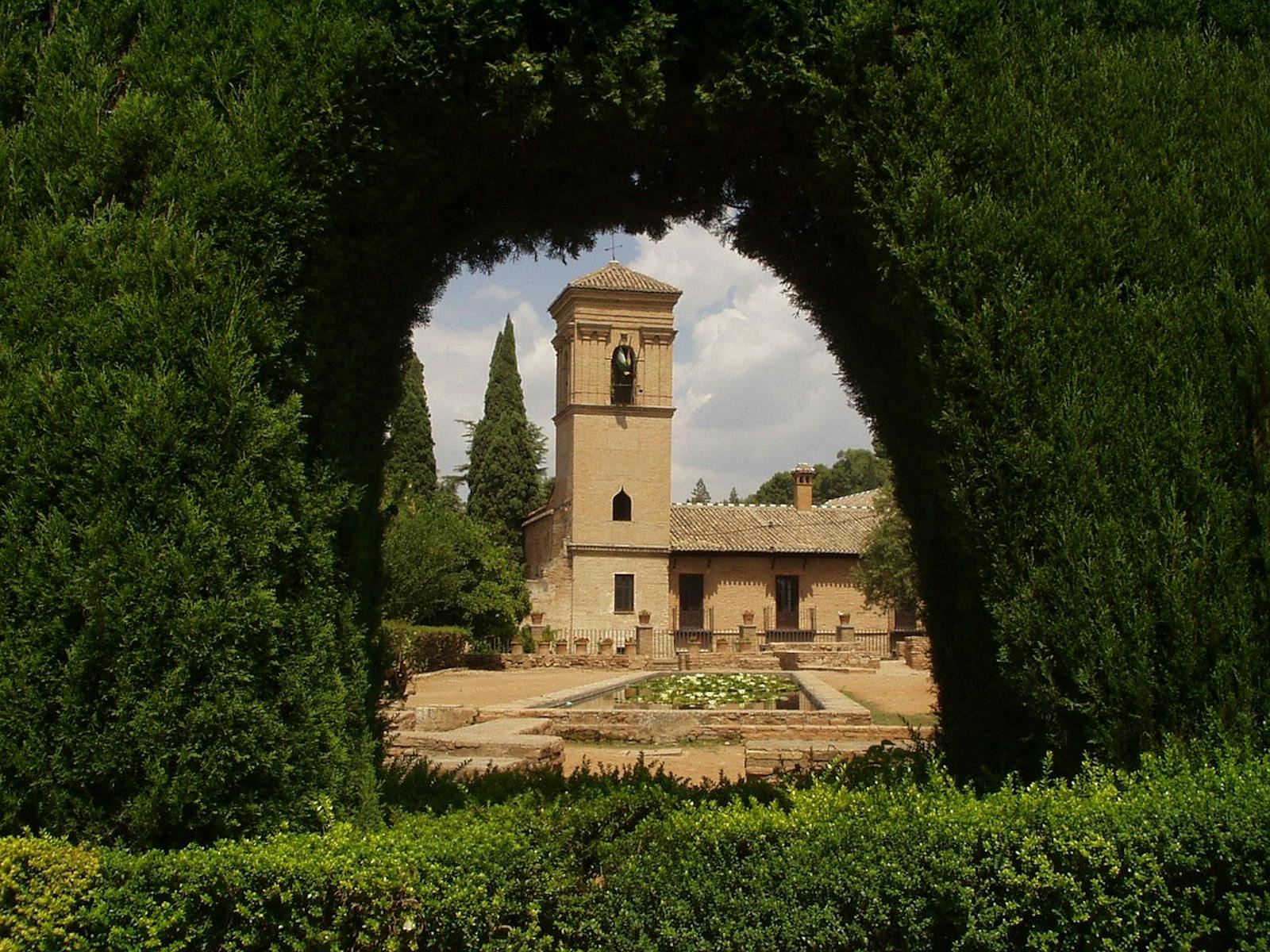
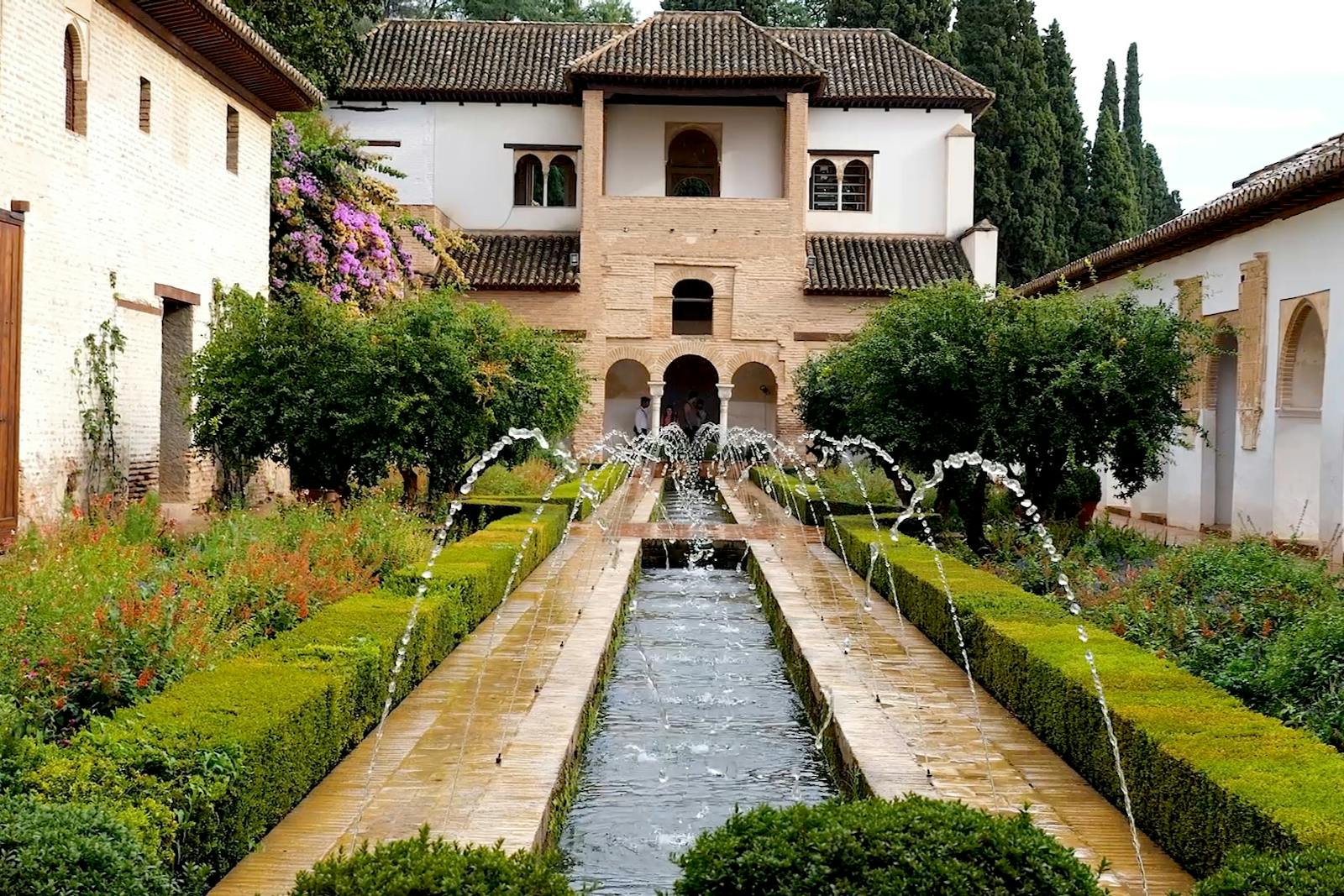
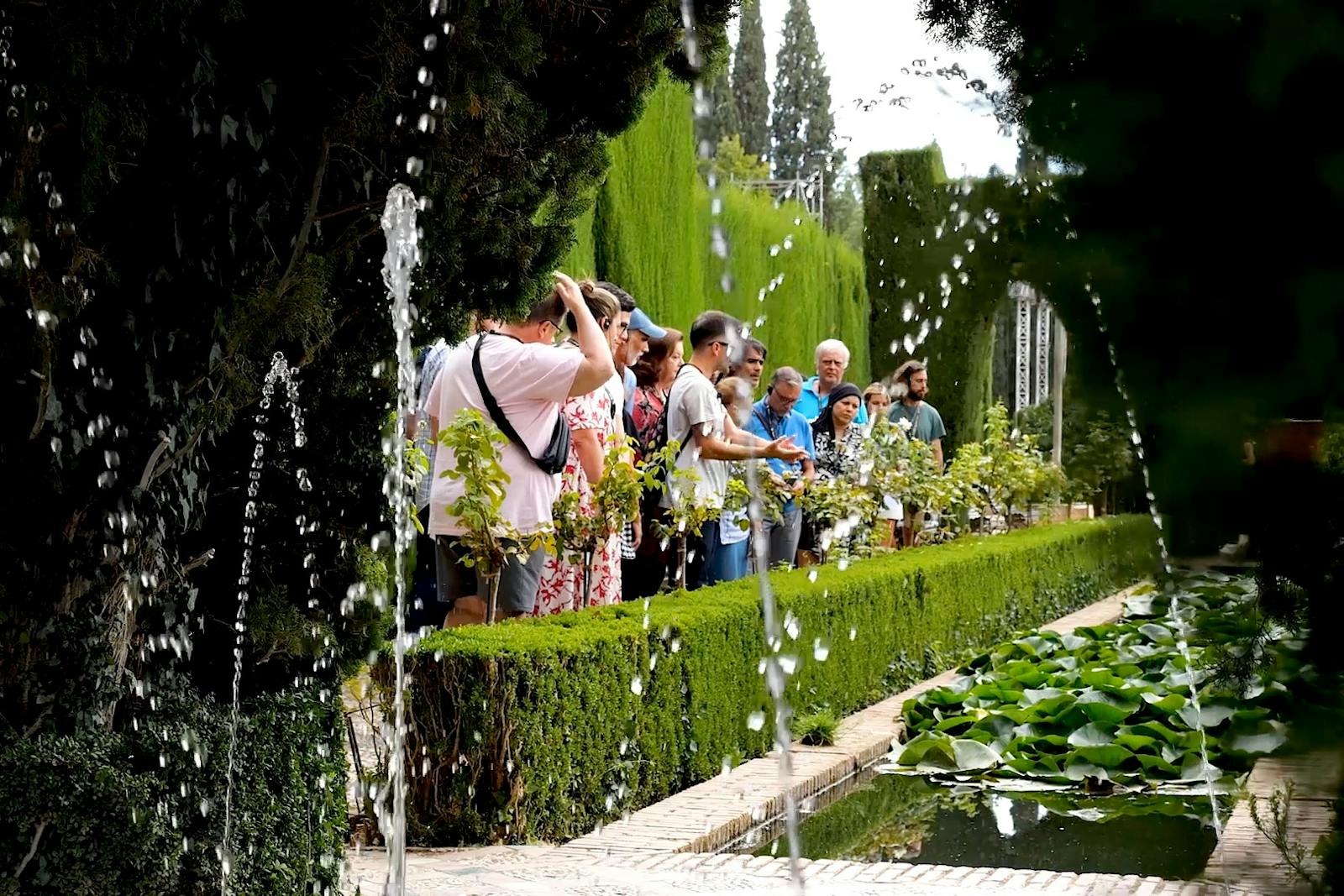
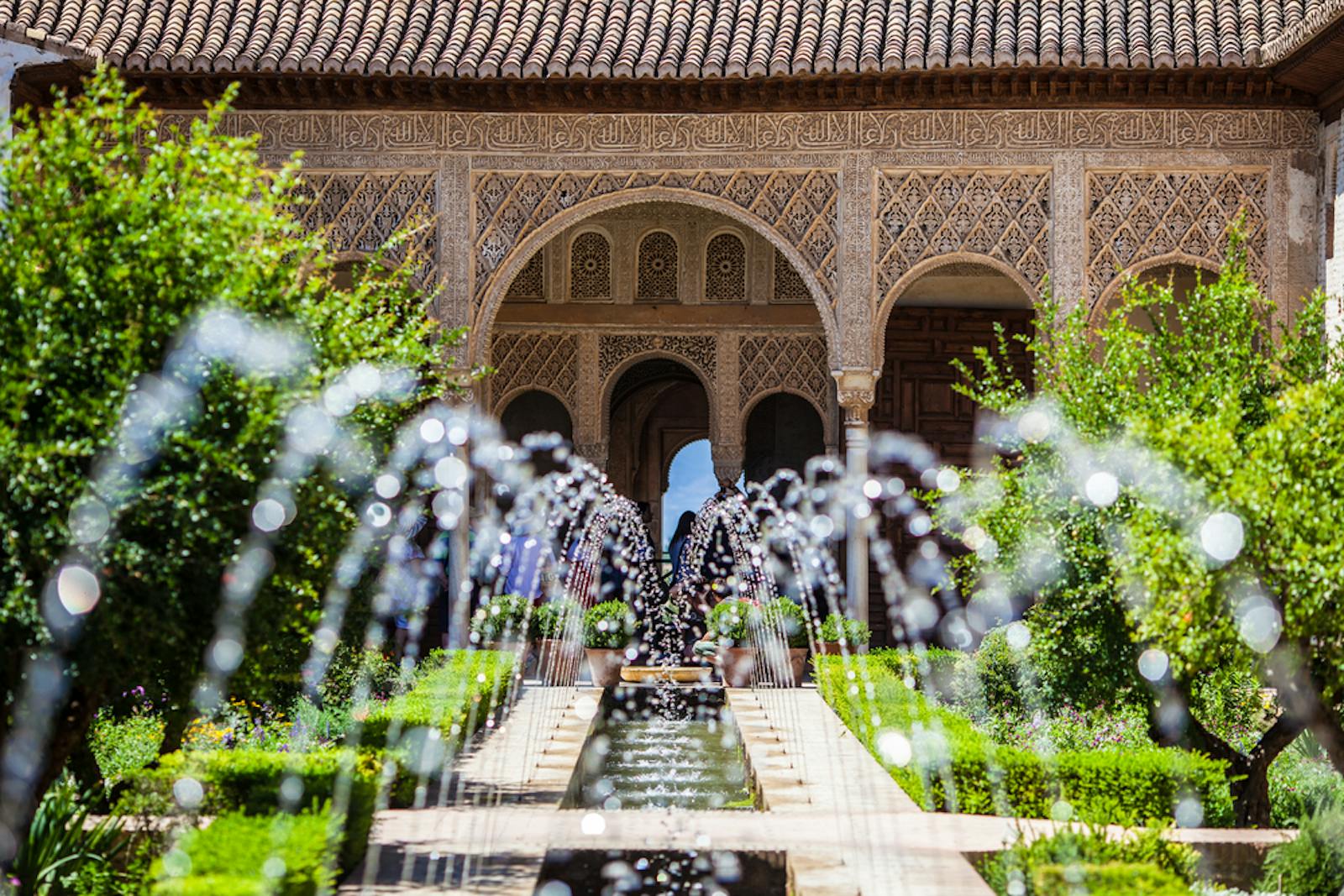
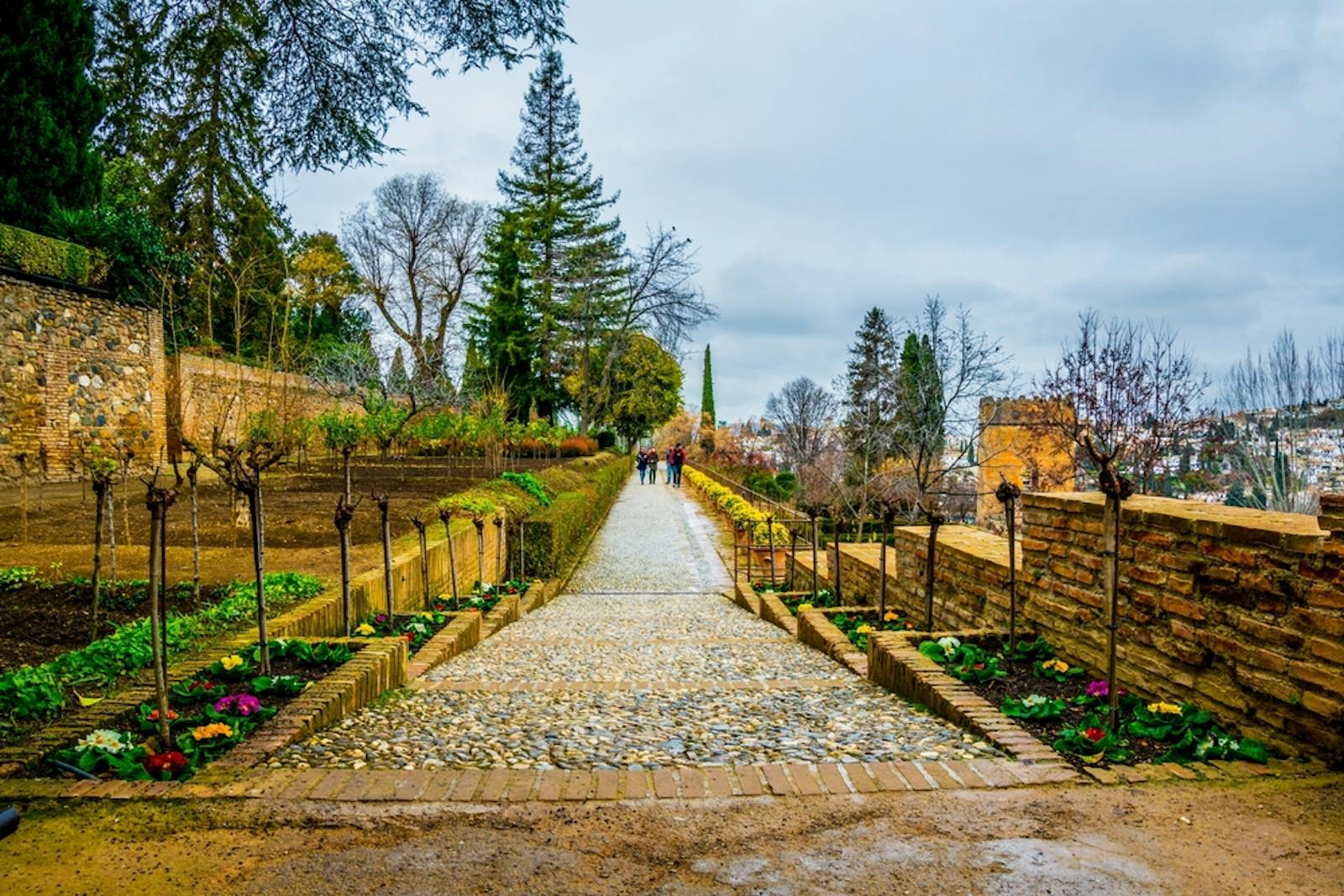
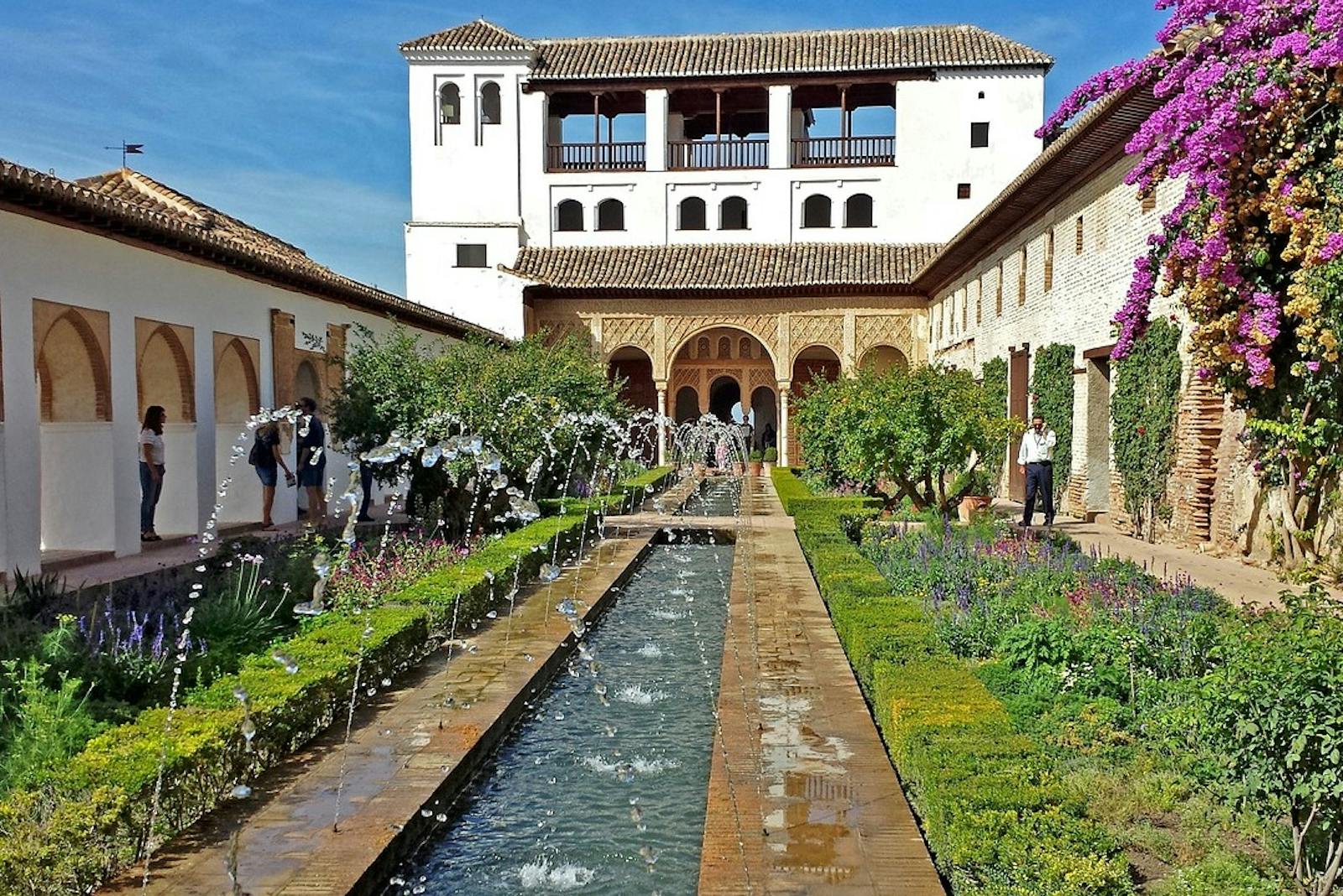
The Generalife, the summer palace of the Nasrid sovereigns, is famous for its hanging gardens. The Patio de la Acequia plays a central role here, with its long basin reflecting the cypresses and orange trees. This place of serenity offers a refreshing break and a direct connection with nature, overlooking the Granada plain and the Sierra Nevada.
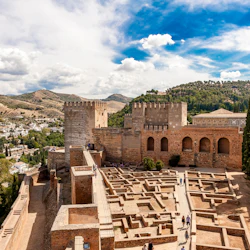
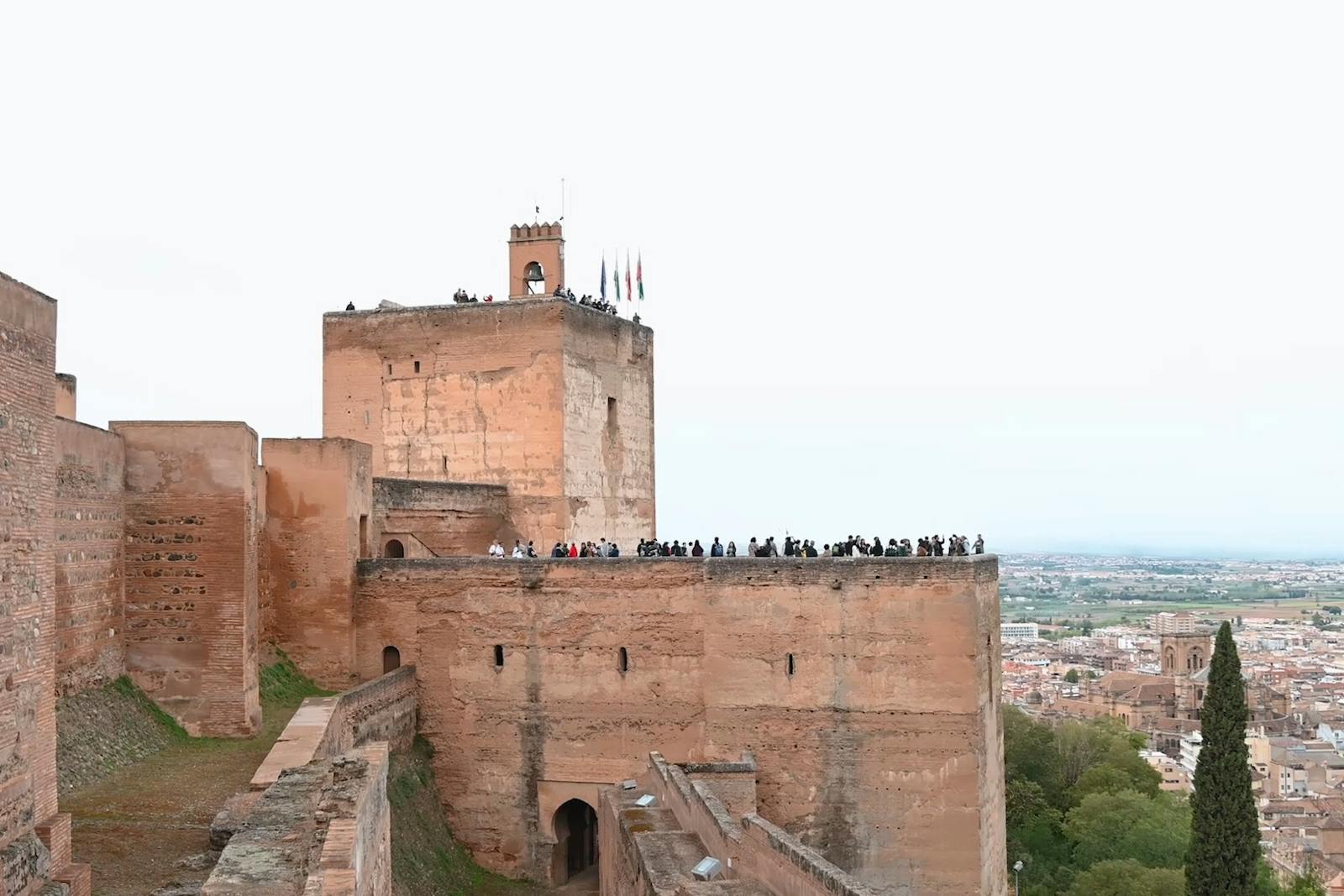
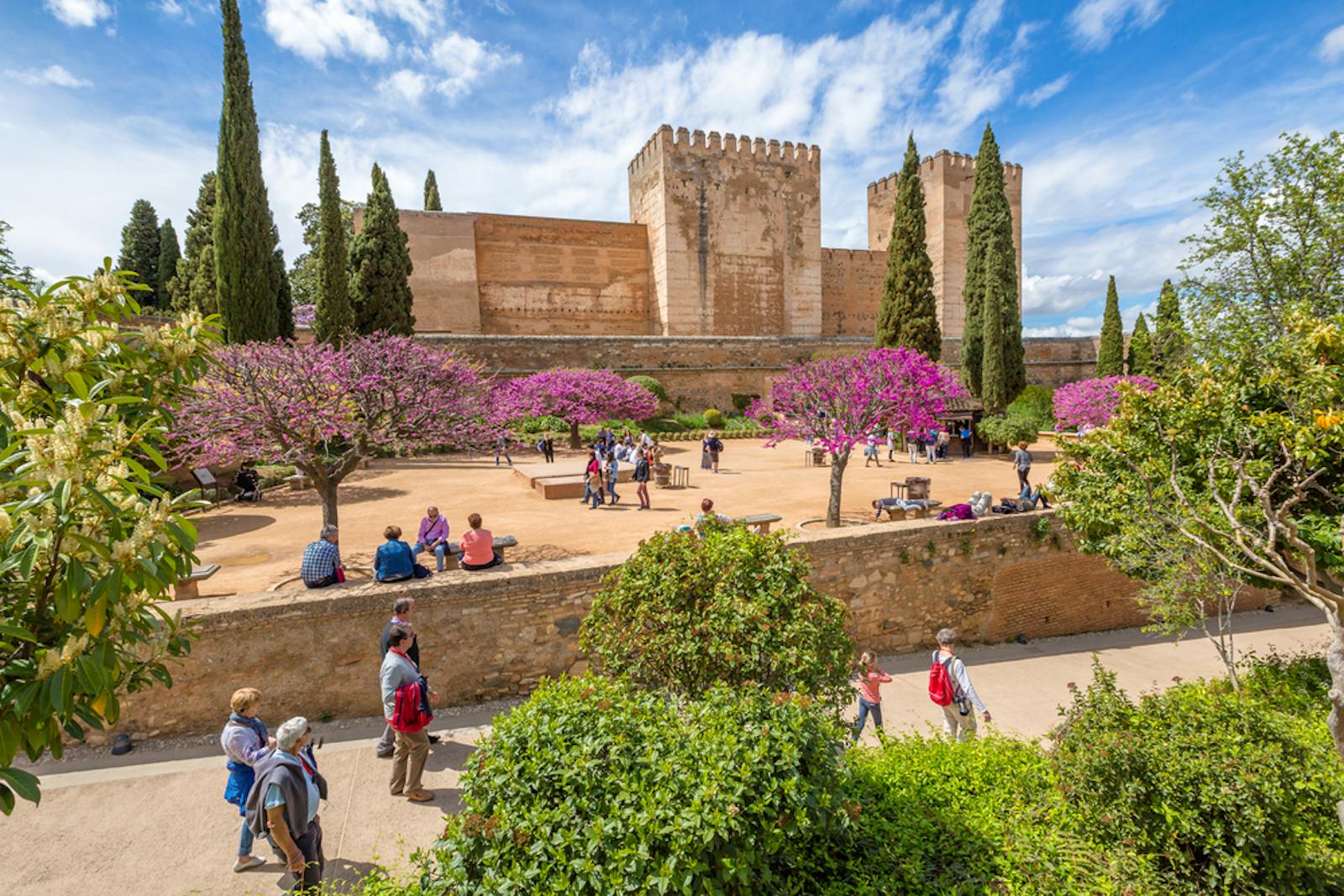
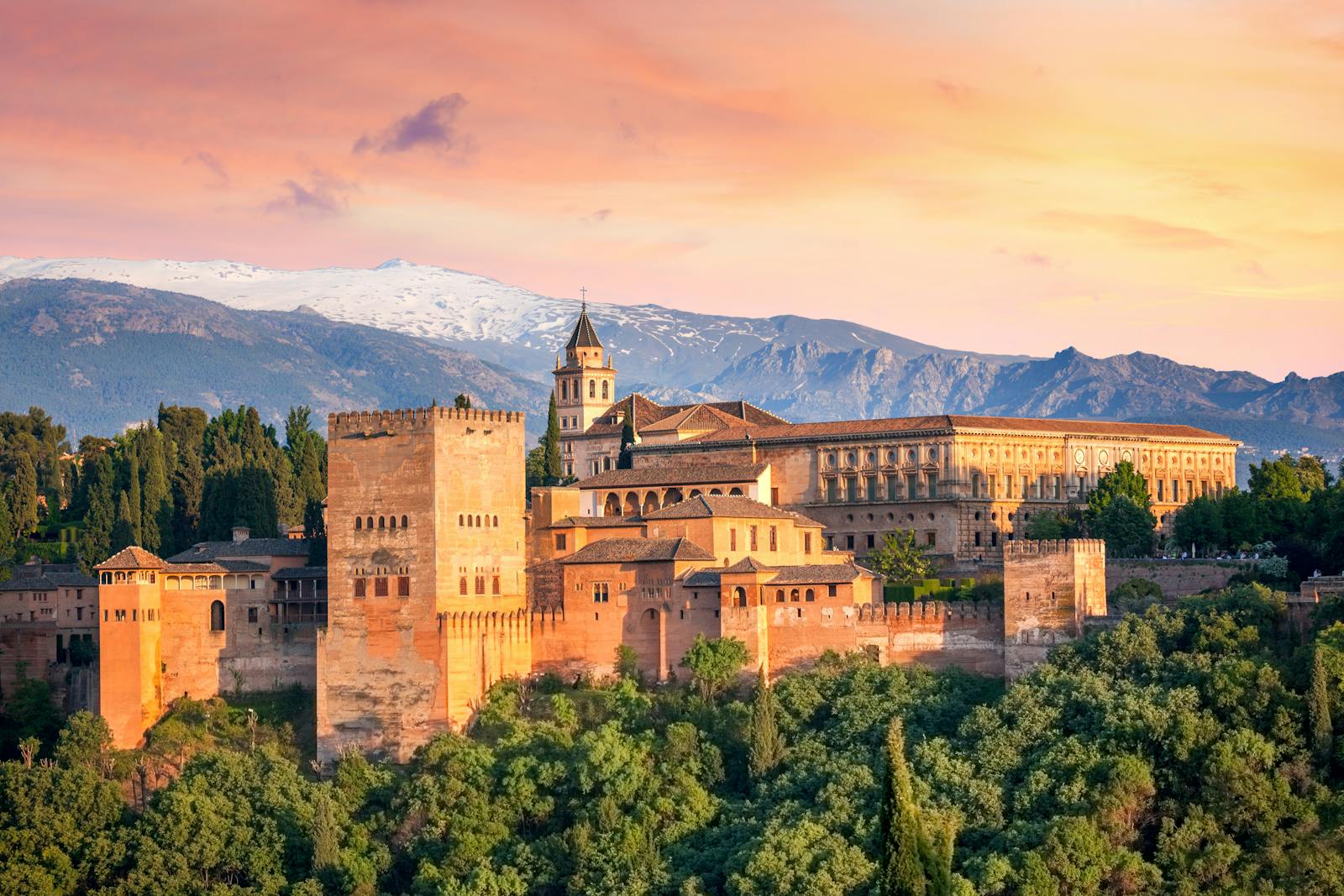
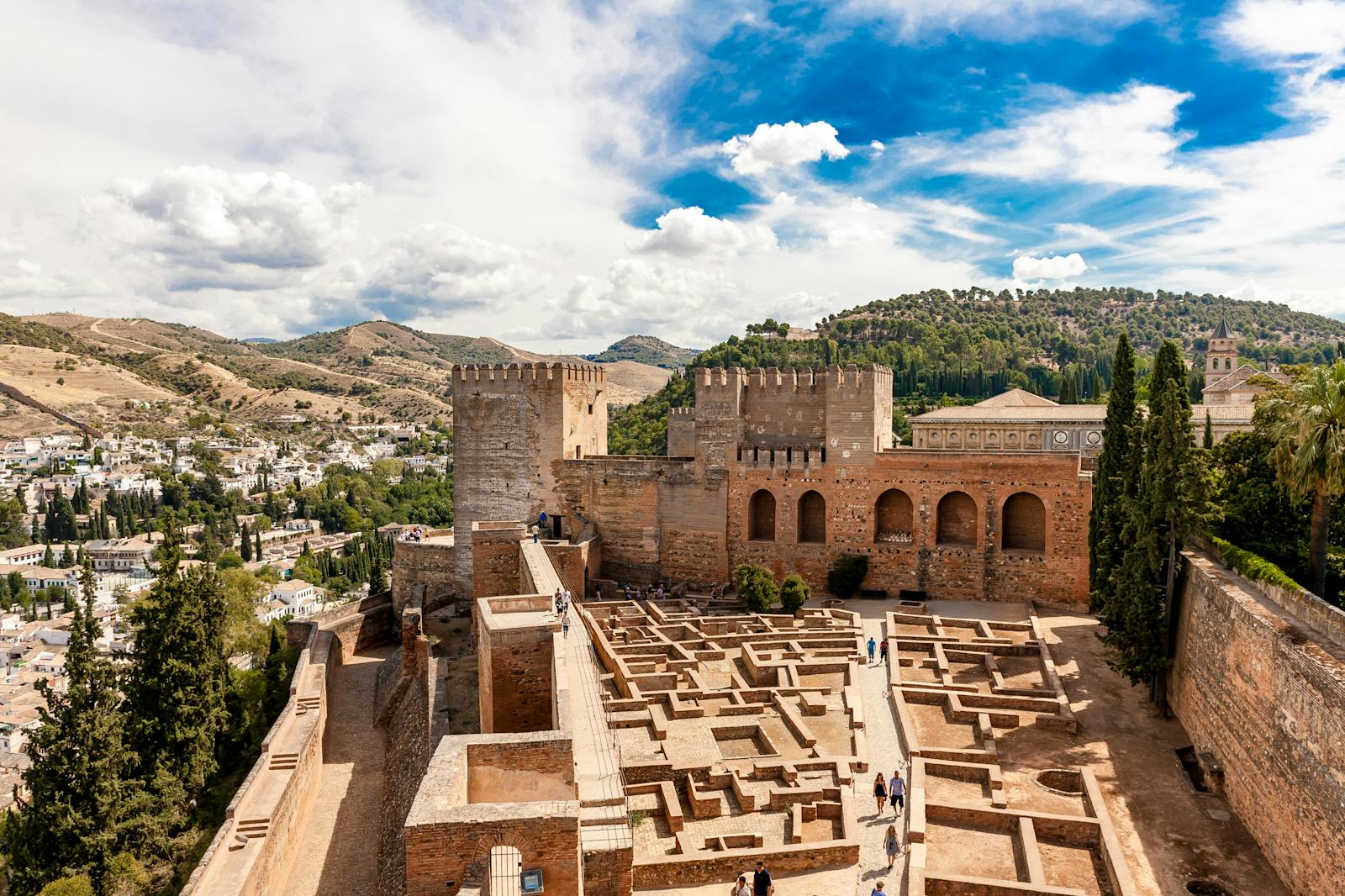
The Alcazaba is the military citadel of the complex. Its ramparts and the Tower of the Virgin offer an unobstructed panoramic view of the city and the snow-capped mountains. Although less decorated than the palaces, this fortified area recalls the site's original defensive function and houses hammam remains currently under restoration.
Tips for a successful visit
It is imperative to book your Alhambra Granada ticket online well in advance. Time slots for the Nasrid Palaces are limited and sell out quickly, especially between April and October. Plan at least one month ahead in winter, or even six months in high season, to guarantee access to these exclusive spaces.
For a complete, stress-free visit, allow at least 3 hours. Start with the Nasrid Palaces at your scheduled time, then explore the Palace of Charles V and the Alcazaba. Finish at the Generalife at sunset, when the golden light illuminates the gardens and the crowds disperse, offering a more intimate experience.
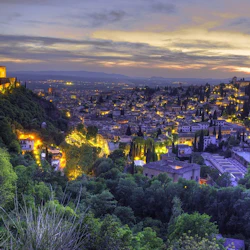
The visit ideally ends with a walk through the Albaicín, the historic quarter facing the Alhambra. The Mirador de San Nicolás offers the iconic viewpoint of the palace at dusk. This end-of-day stroll places the Alhambra in its urban and landscape context, completing the chronological journey initiated in the palaces. The contrast between the snow-capped Sierra Nevada and the red roofs is striking.