History of Vaux-le-Vicomte
The Vaux-le-Vicomte château was built between 1658 and 1661 for Nicolas Fouquet, Superintendent of Finances for Louis XIV, in a natural setting with little woodland crossed by two rivers, one of which - the Anqueuil - was transformed into a grand canal for the park. This ambitious project brought together three geniuses of the Grand Siècle: architect Louis Le Vau, painter Charles Le Brun, and landscape designer André Le Nôtre, who designed the ensemble in perfect harmony. Inaugurated in 1661 with a sumptuous party, the château quickly became a symbol of elegance and power, but Fouquet was arrested shortly after, and his estate was confiscated by the king.
After Fouquet's arrest in 1661, Louis XIV called upon the same artists - Le Vau, Le Brun, and Le Nôtre - to build the Palace of Versailles, taking Vaux-le-Vicomte as an architectural model. The château was then left to decay, threatening decline, until it was bought in 1875 by Alfred Sommier, who became its savior. Thanks to his passion and patronage, he carried out exemplary restoration, preserving the integrity of the Grand Siècle. Since then, the property has belonged to a junior branch of the Marquis de Vogüé, and remains the largest private property listed as a historical monument in France.
Today, Vaux-le-Vicomte is a living place of history, where the architecture, gardens, and decoration of the 17th century are preserved in their original state. The maintenance of the estate represents an annual budget of 8 million euros, employing 75 full-time staff, and welcoming over 300,000 visitors each year. The château is open to the public and offers events like Le Rendez-vous Grand Siècle and Les Soirées aux Chandelles, allowing visitors to experience the Grand Siècle in all its splendor.
What to see at the Château de Vaux-le-Vicomte
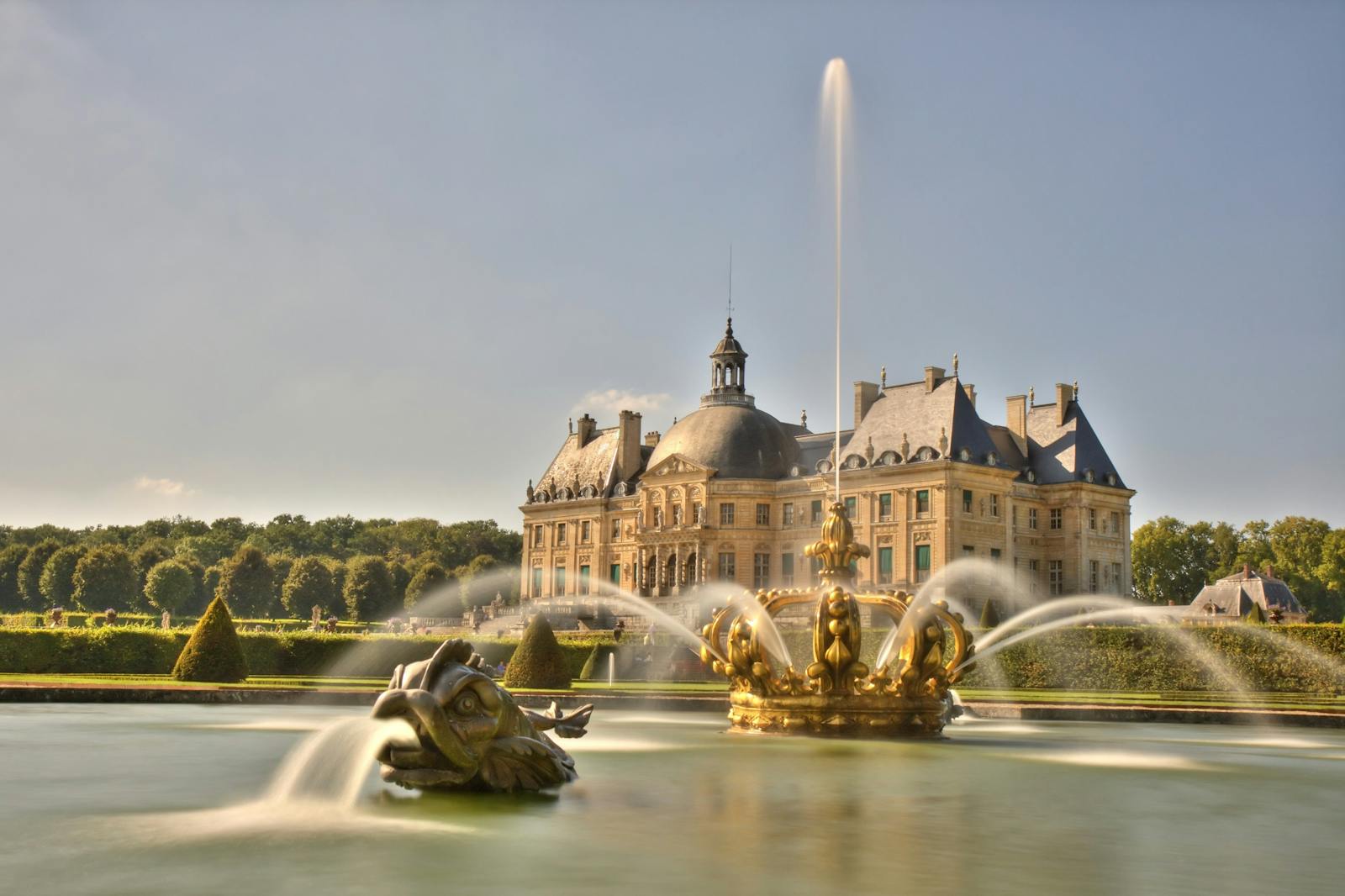
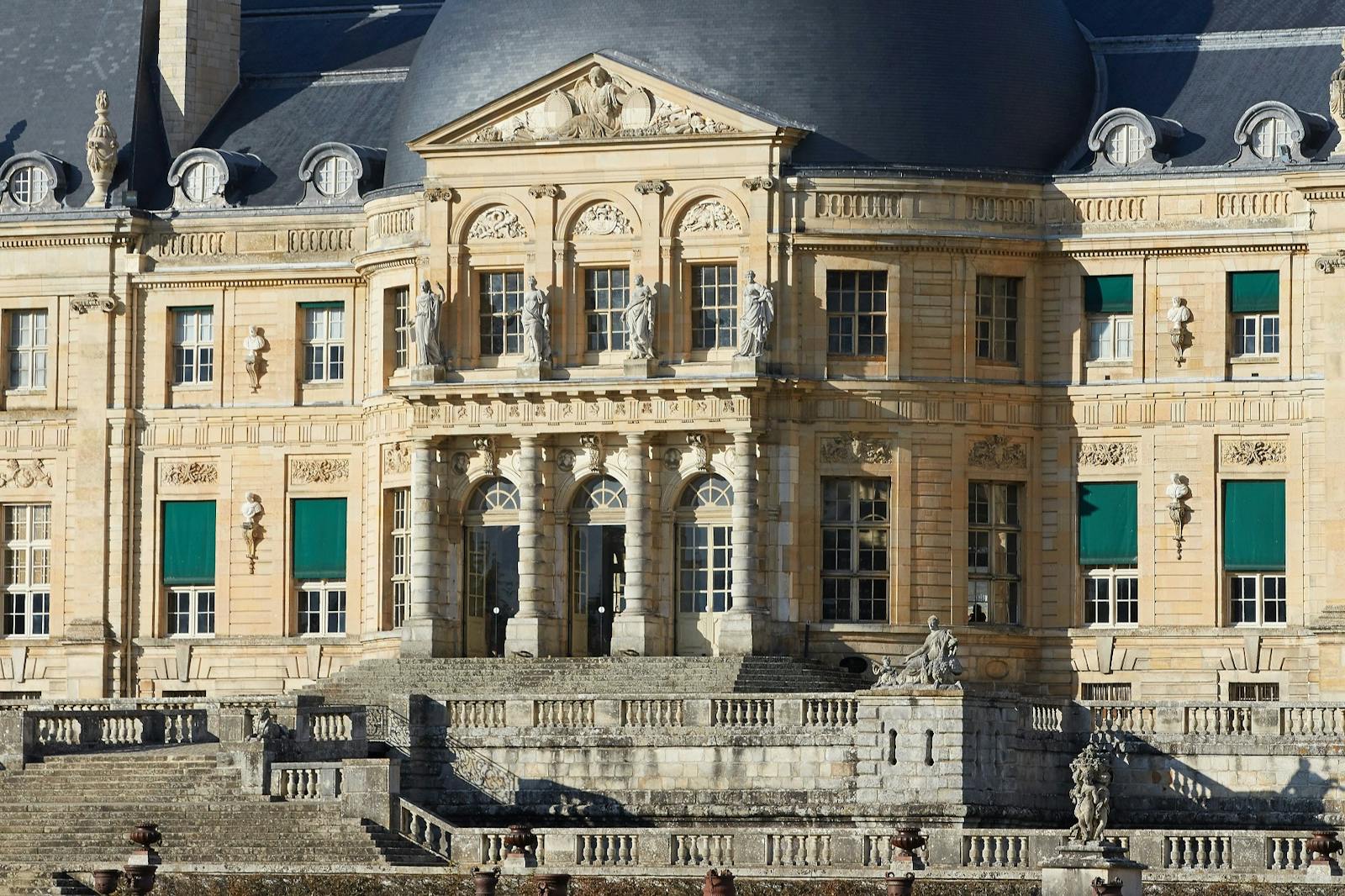
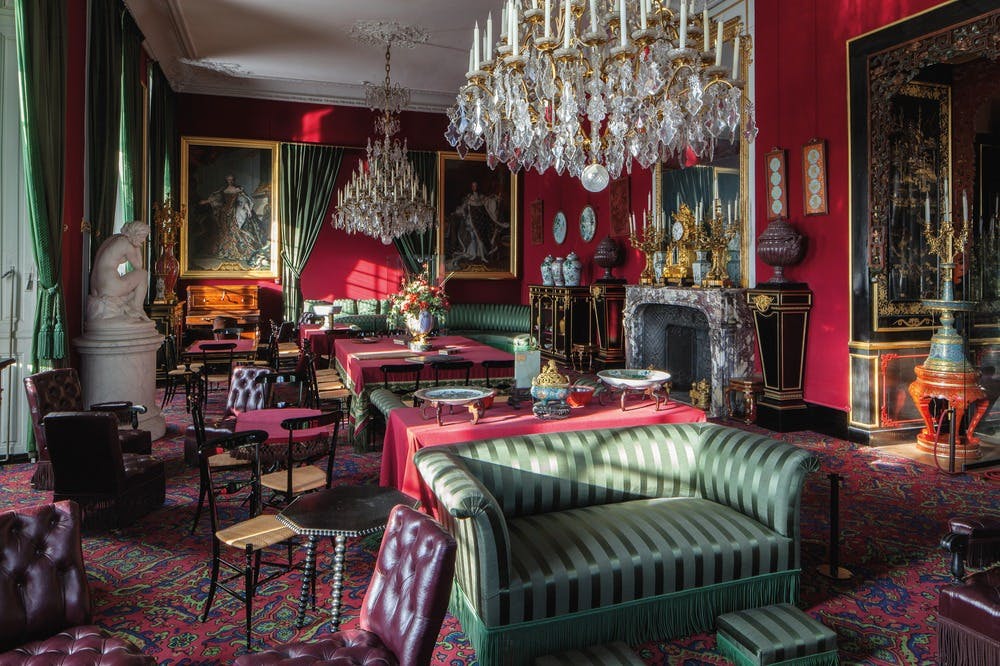
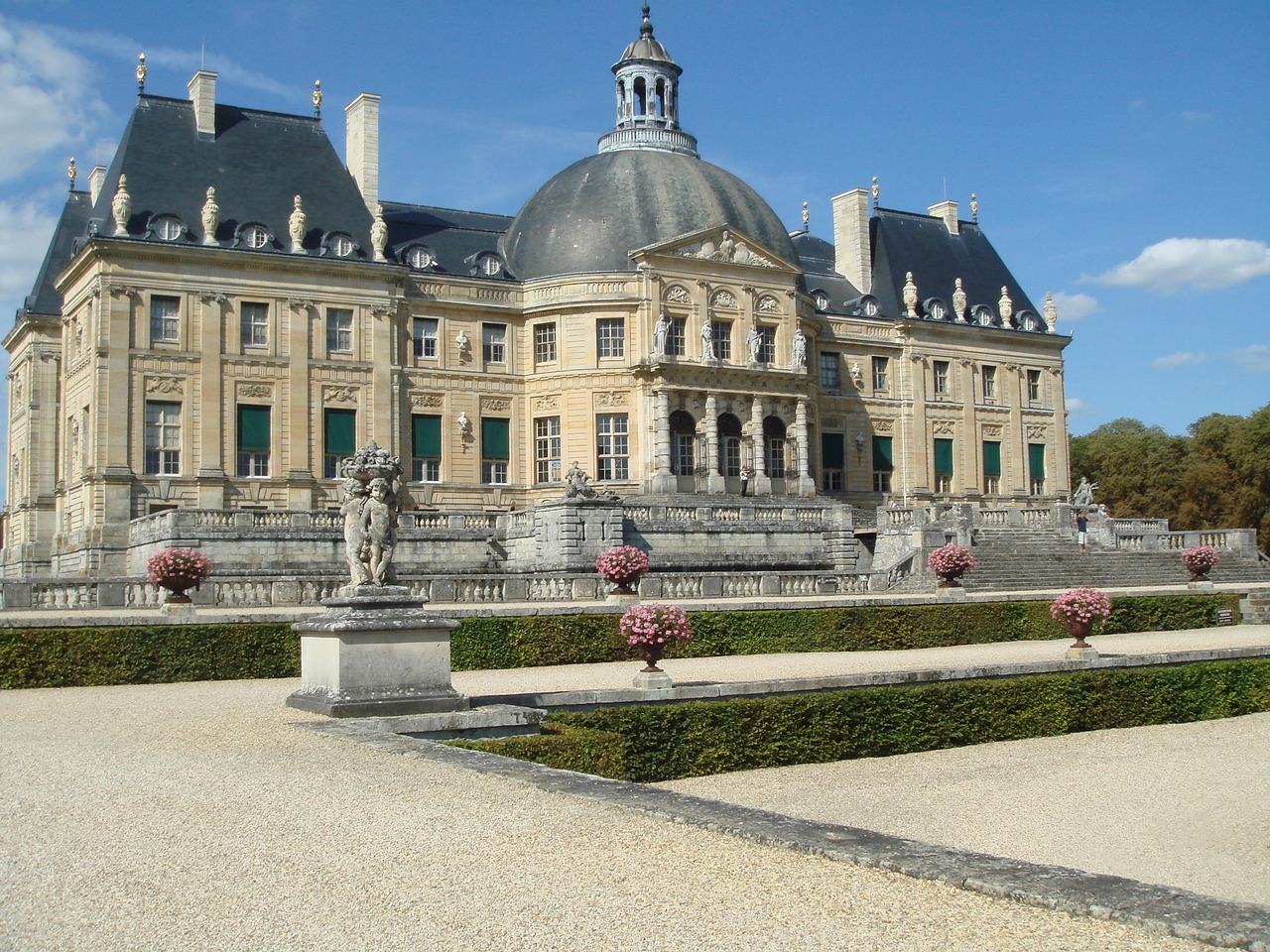
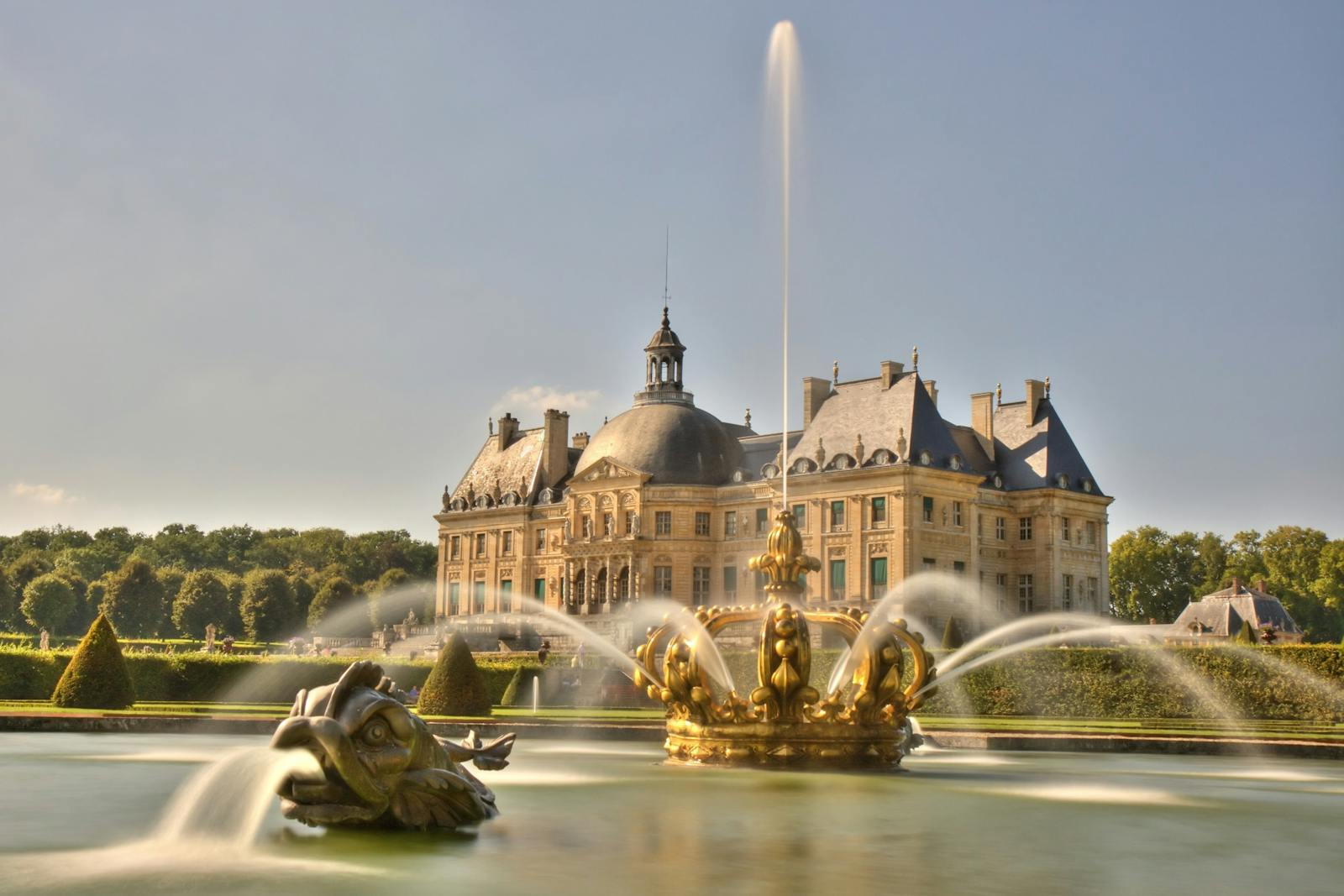
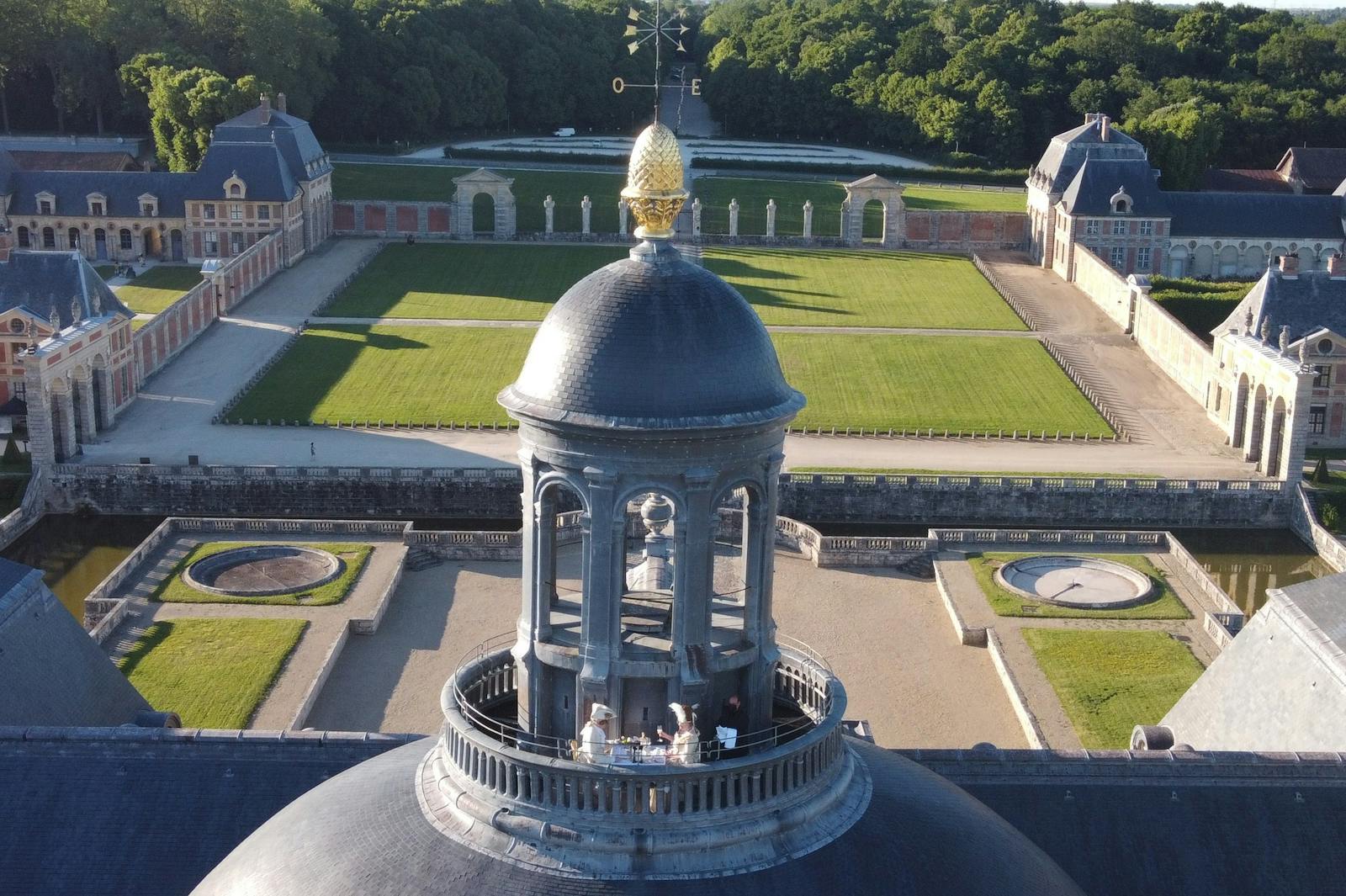
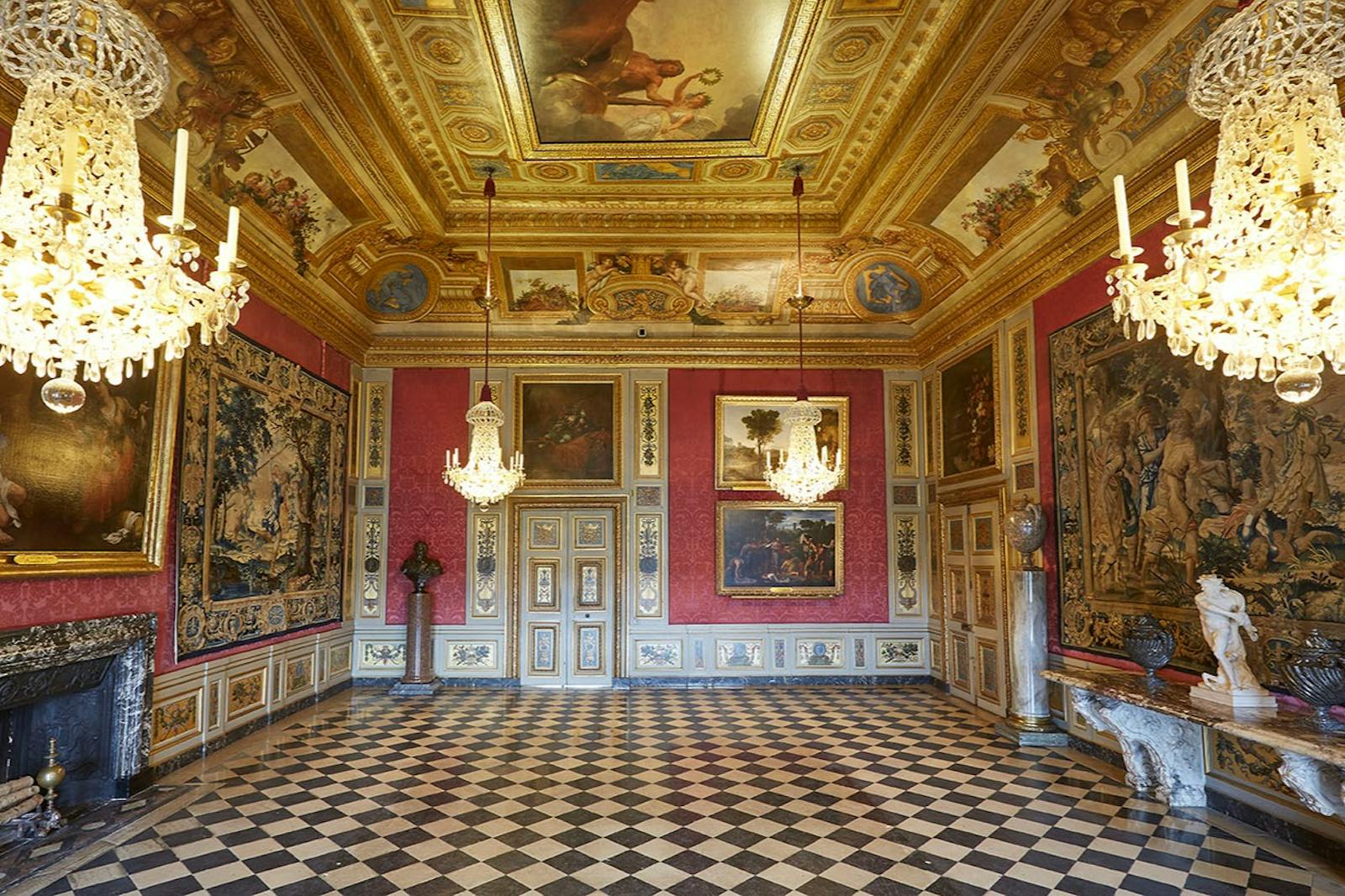
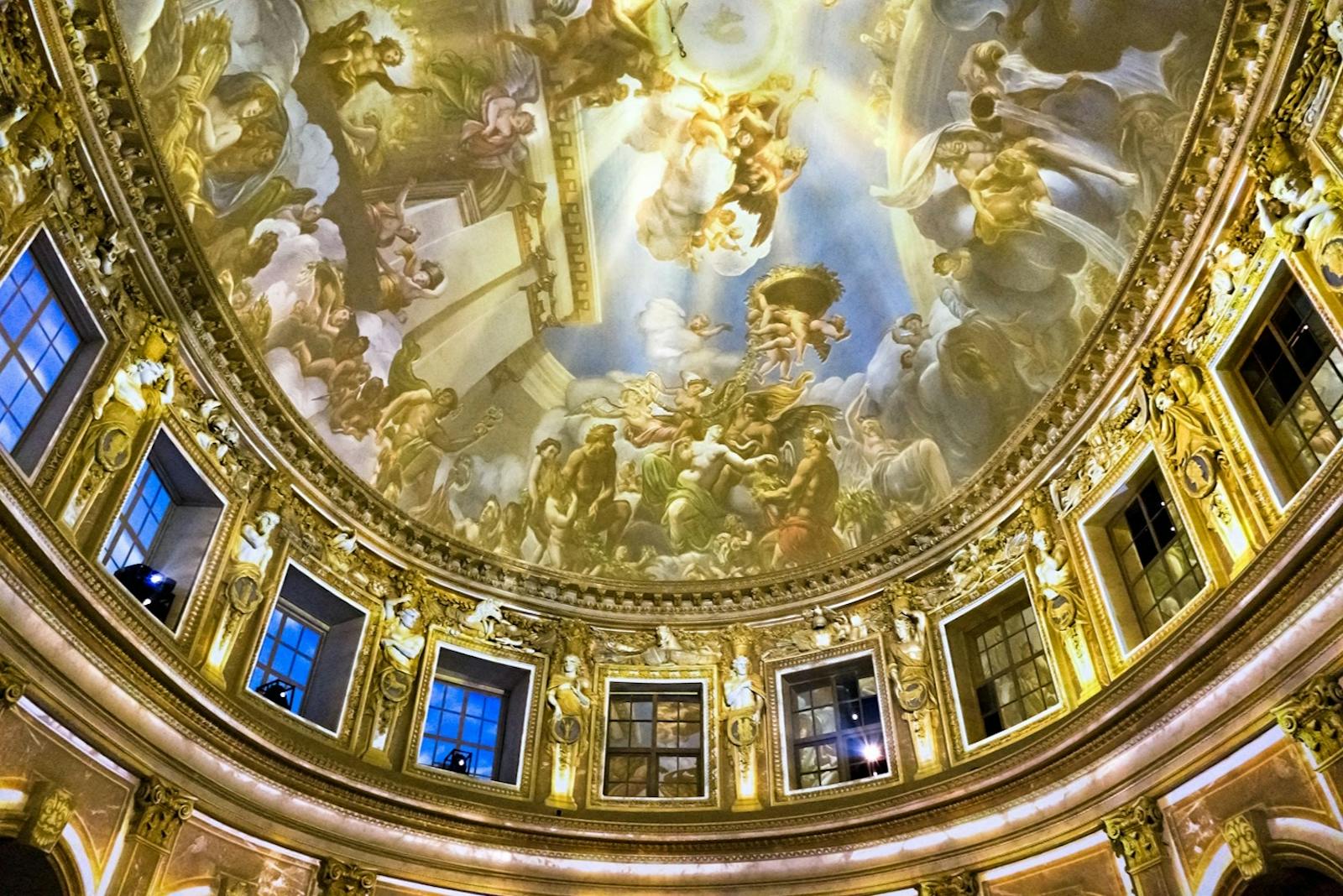
The Château de Vaux-le-Vicomte stands out for its mid-17th-century classical architecture, designed by Louis Le Vau. The main building, in classical style, is set in a U-shaped plan, with a central block flanked by two symmetrical wings, opening onto a vast park. The interior, decorated by Charles Le Brun, houses sumptuous salons, adorned with frescoes, stucco, and precious woodwork, testifying to the art of living of the Grand Siècle. Each room tells a story, from the dining room with painted ceilings to the music salon, where Fouquet's guests came to listen to music.
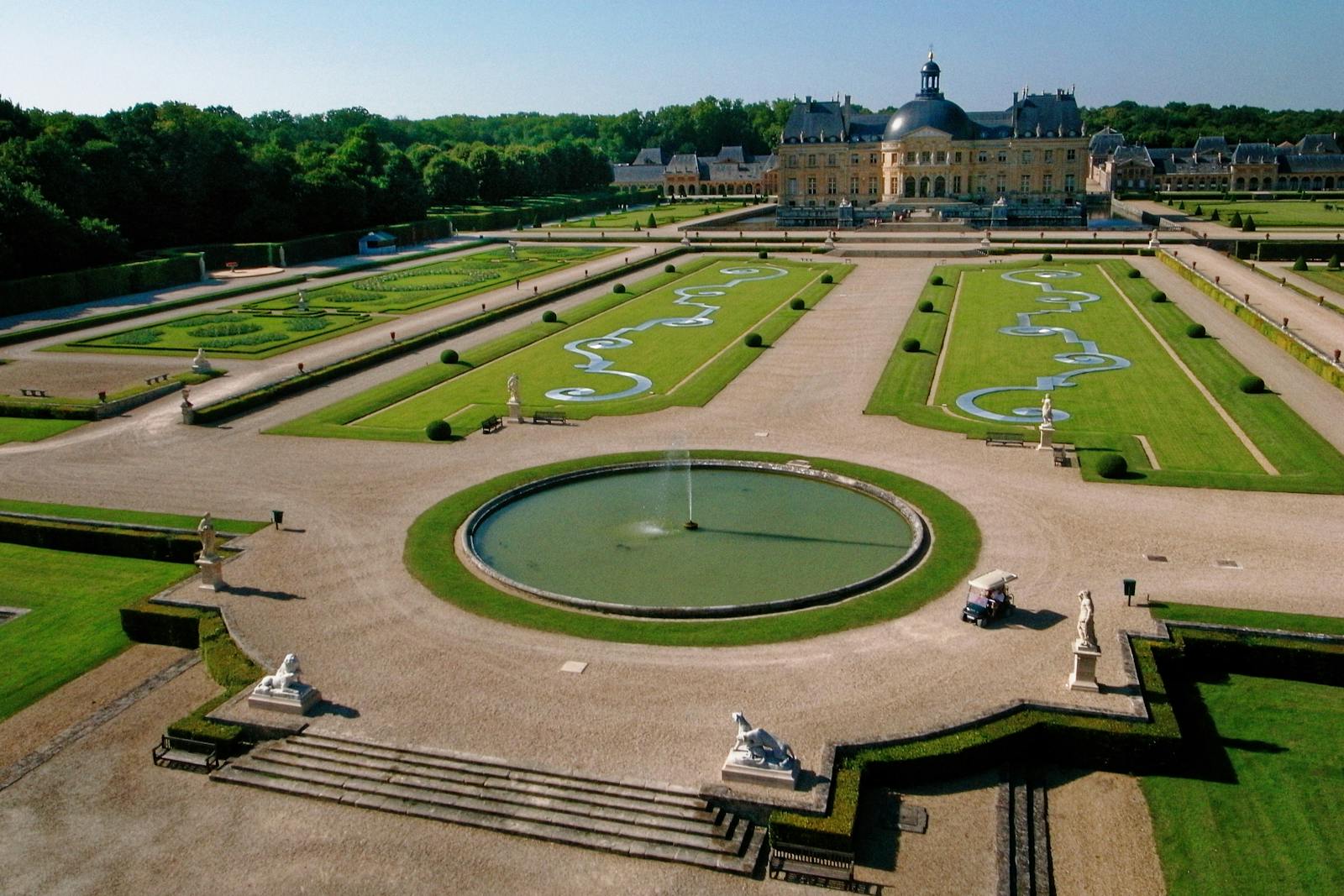
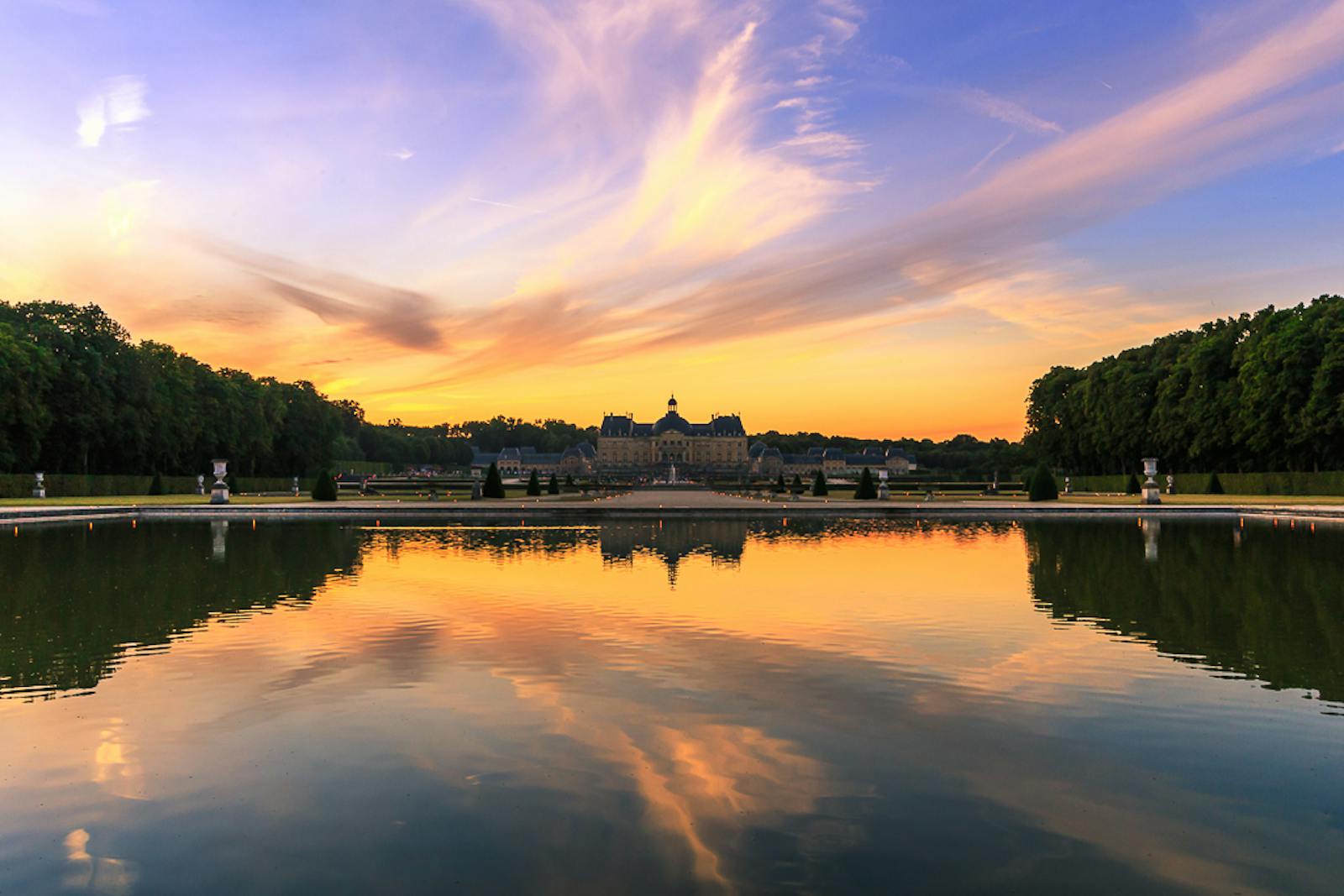
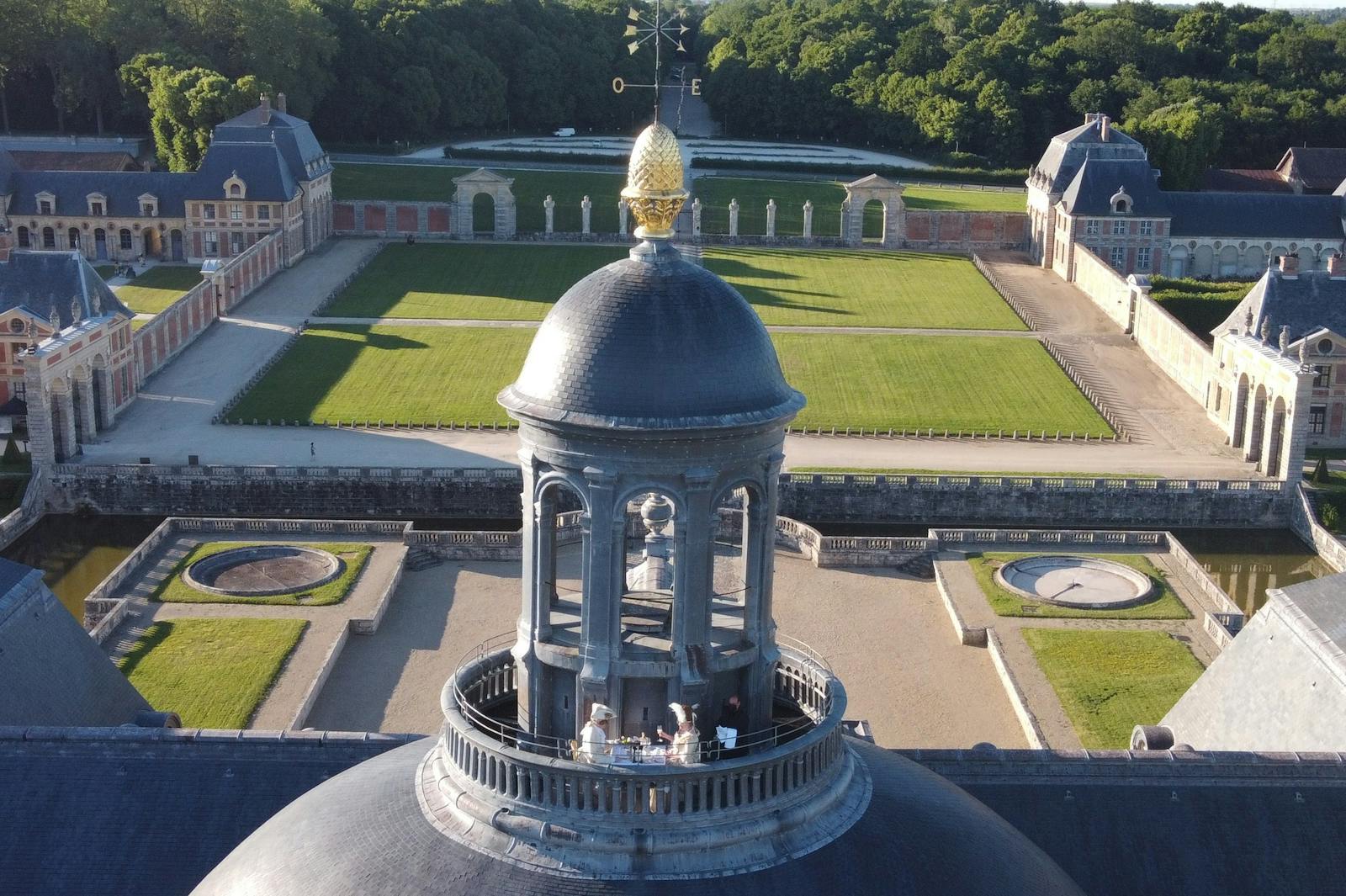
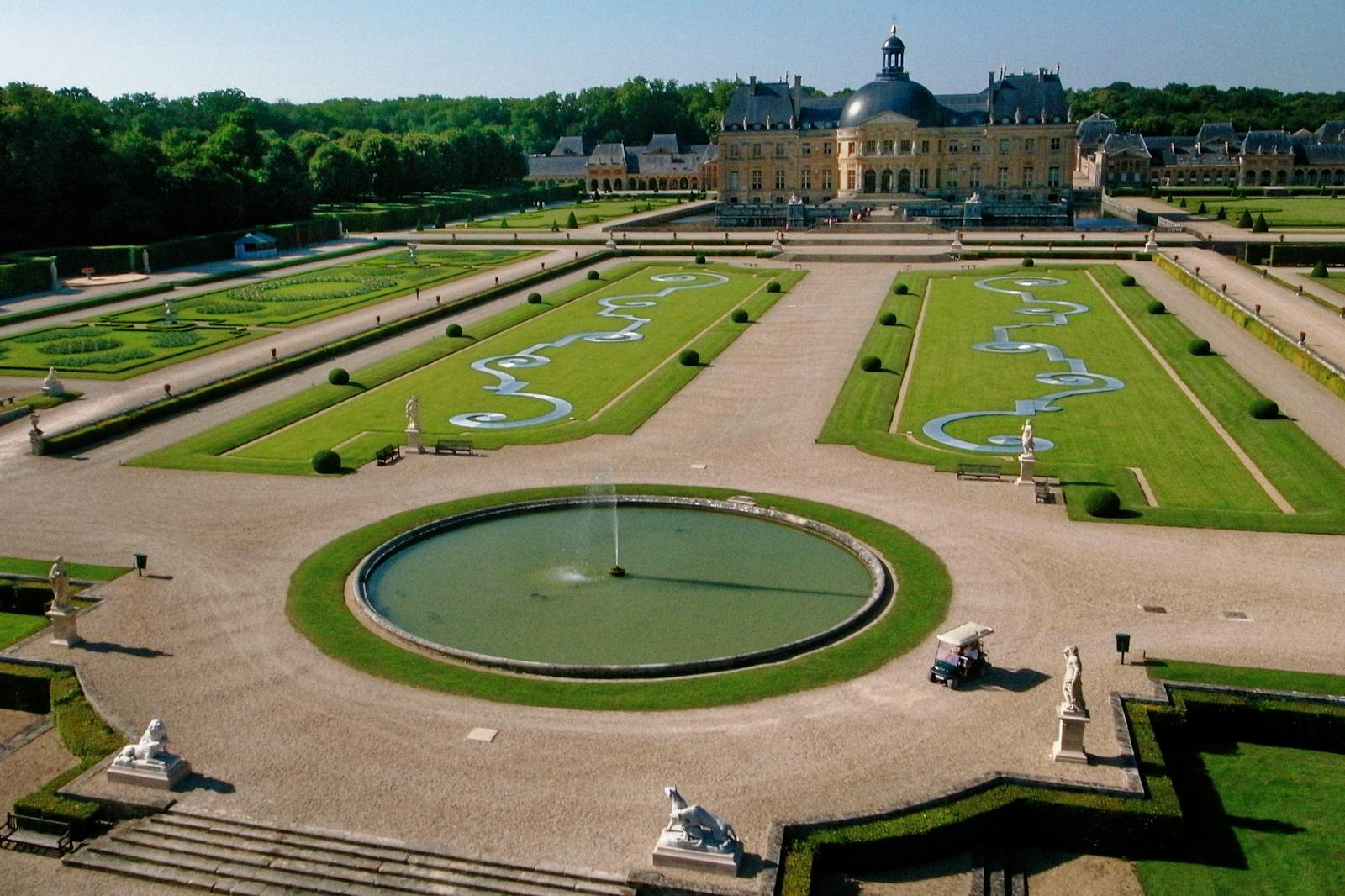
The gardens, designed by André Le Nôtre, are a masterpiece of Grand Siècle landscape art. Organized according to geometric perspectives, they stretch over several hectares, with parterres, groves, alleys, and the grand canal, transformed from the Anqueuil river. The gardens offer spectacular views of the château and are particularly magnificent in soft light, at dusk or in the evening, during the Soirées aux Chandelles. The park is a place for walking and contemplation, where the harmony between nature and architecture is perfect.
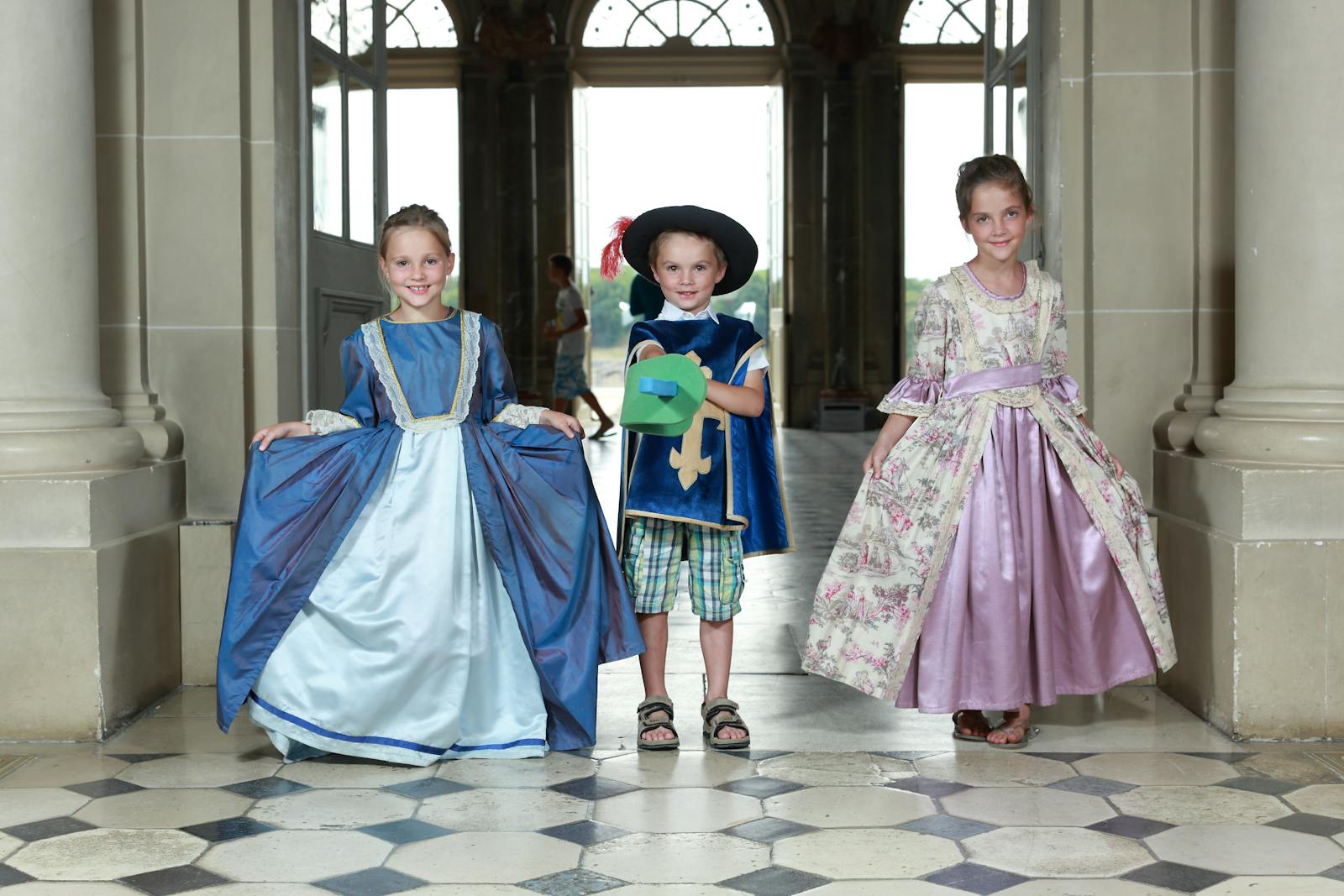
The park of Vaux-le-Vicomte also includes secondary architectural elements, such as the gallery pavilions, the Orangerie pavilion, and the marble theater, all designed to complete the visitor experience. Special events, like Le Rendez-vous Grand Siècle, transform the estate into a living place of the era, with reconstructions, period costumes, and animations. Visitors can also enjoy family trails, workshops, and guided tours, enriching their discovery of the château.
The private château listed as a historical monument
Since 1875, the Vaux-le-Vicomte château has been the largest private property listed as a historical monument in France, thanks to the purchase by Alfred Sommier, who became its savior. He carried out exemplary restoration, preserving the integrity of the Grand Siècle, and his descendants have continued his work. The château, gardens, and annex buildings are all listed, and the entire ensemble is protected by law, ensuring its conservation for future generations. This is an exception in France, where most châteaux are either public or partly private, but Vaux-le-Vicomte remains entirely under private management.
The maintenance of the estate represents an annual budget of 8 million euros, employing 75 staff full-time, and welcoming over 300,000 visitors each year. This figure testifies to the importance of the château as a cultural and tourist site, but also to the constant commitment of the owning family to maintain the authenticity and quality of the experience. Resources are allocated to restoration, conservation, garden maintenance, tourism management, and event organization.
The Château de Vaux-le-Vicomte is a living place of history, where the architecture, gardens, and decoration of the 17th century are preserved in their original state. It is open to the public and offers events like Le Rendez-vous Grand Siècle and Les Soirées aux Chandelles, allowing visitors to experience the Grand Siècle in all its splendor. Family trails and activities are also offered for young children.