Visit Tickets is an independent guide. This is not the attraction’s official website or ticket office.Tickets: buttons open the named partner’s website, where booking and payment take place. Visit Tickets may receive a commission.
Reservation recommended
Visit Herculaneum in Ercolano
Direct access from Naples (15 min)Exceptional wood preservationView current availabilityTicket delivered immediately after validationMobile ticket accepted
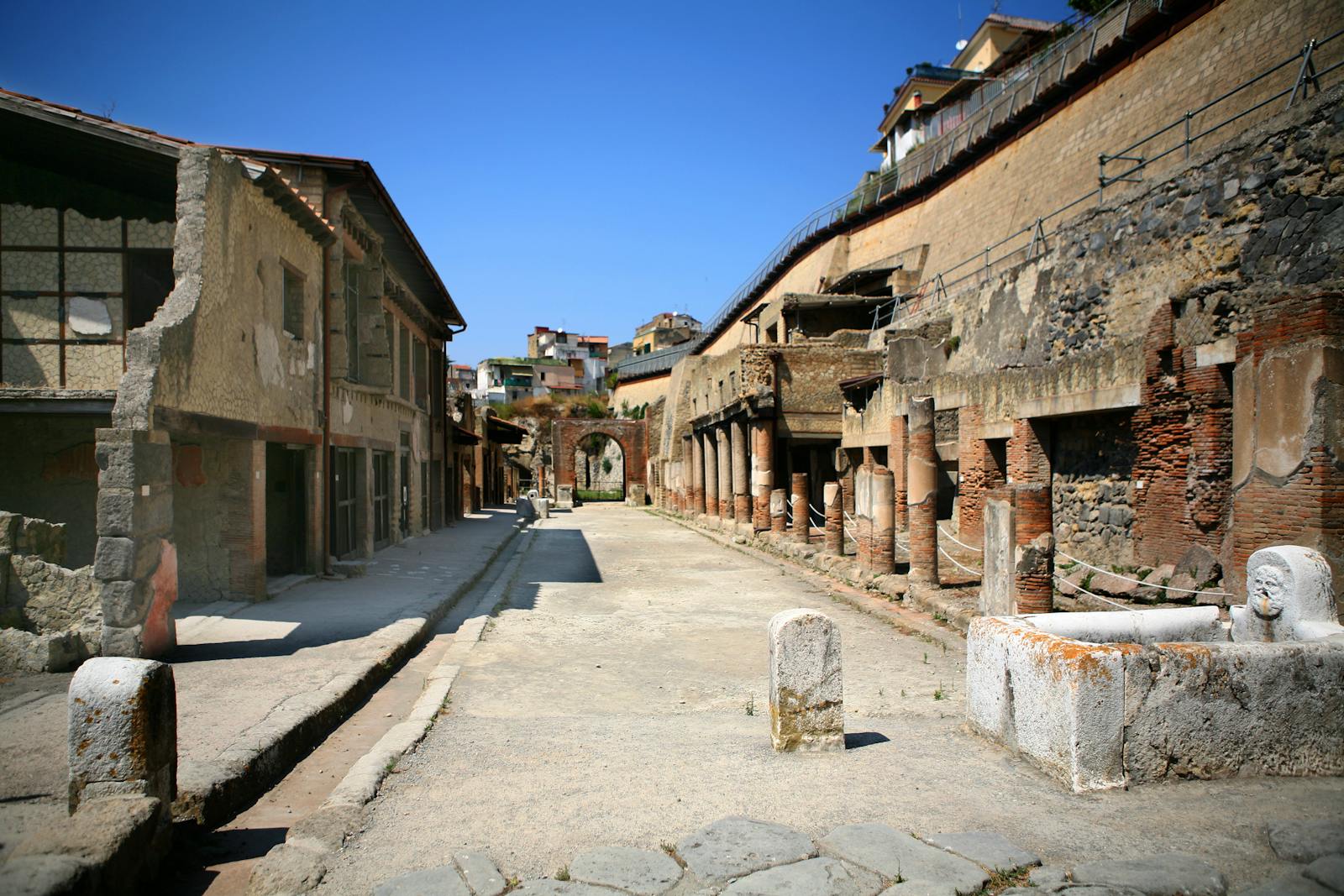
Herculaneum is not just a 'mini-Pompeii', but a time capsule where wood and upper floors are preserved. Discover a shorter, more intimate, and better-preserved tour than its famous neighbor, with 2000 years of tangible history.
Morning slots fill up quickly during peak season. Book your fixed-price Herculaneum tickets online to guarantee entry and avoid queues at the entrance.
Ticket options
Prices and conditions
Herculaneum: Entry Ticket
From 19,50 €. Witness history at the foot of Mount Vesuvius.
Thousands of visitors have already booked their visit: reviews and testimonials
★ 4.6/5 · 12 reviews collected directly from visitors and moderated by Visit Tickets
CD
Claire D.
Lyon
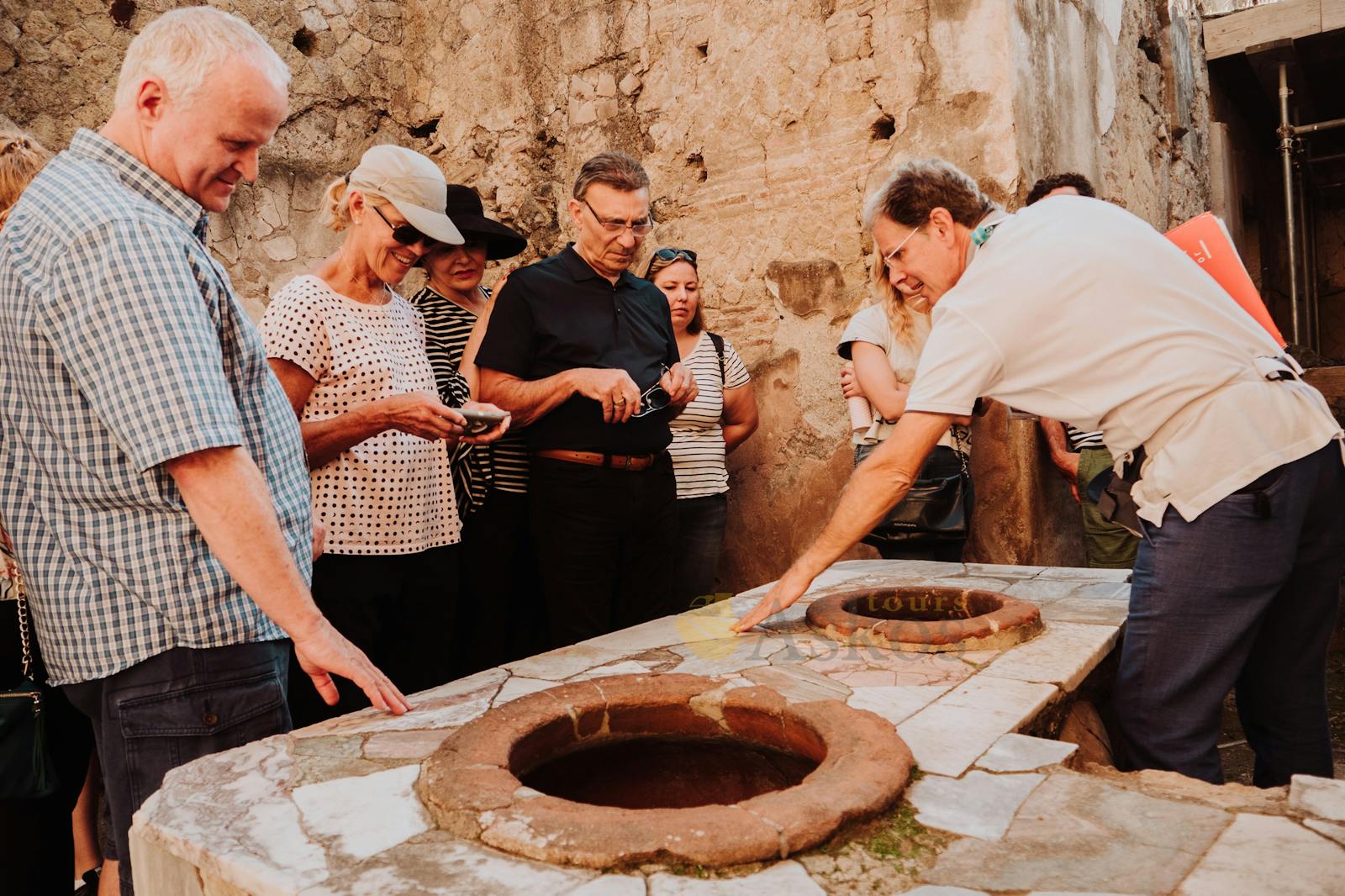
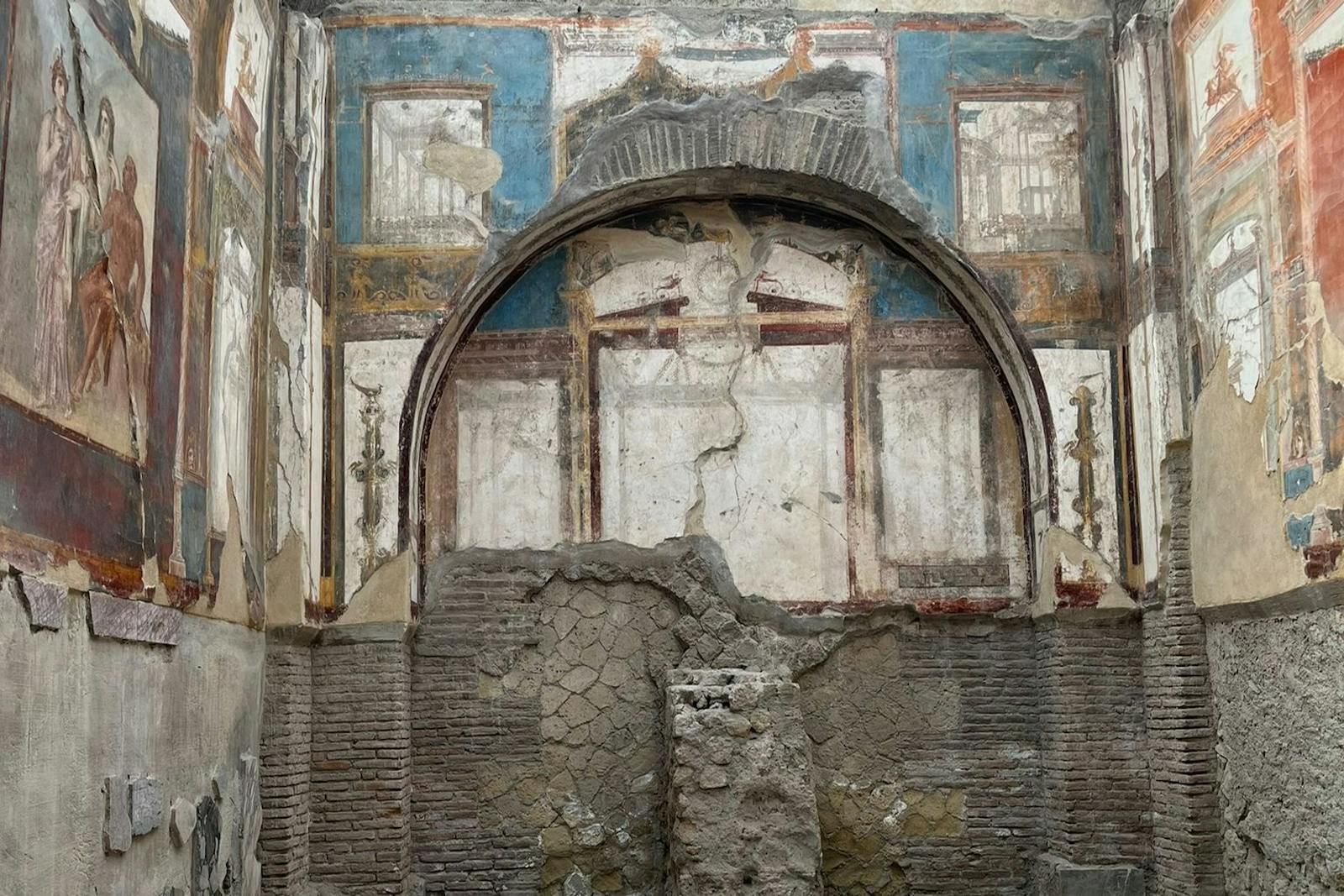
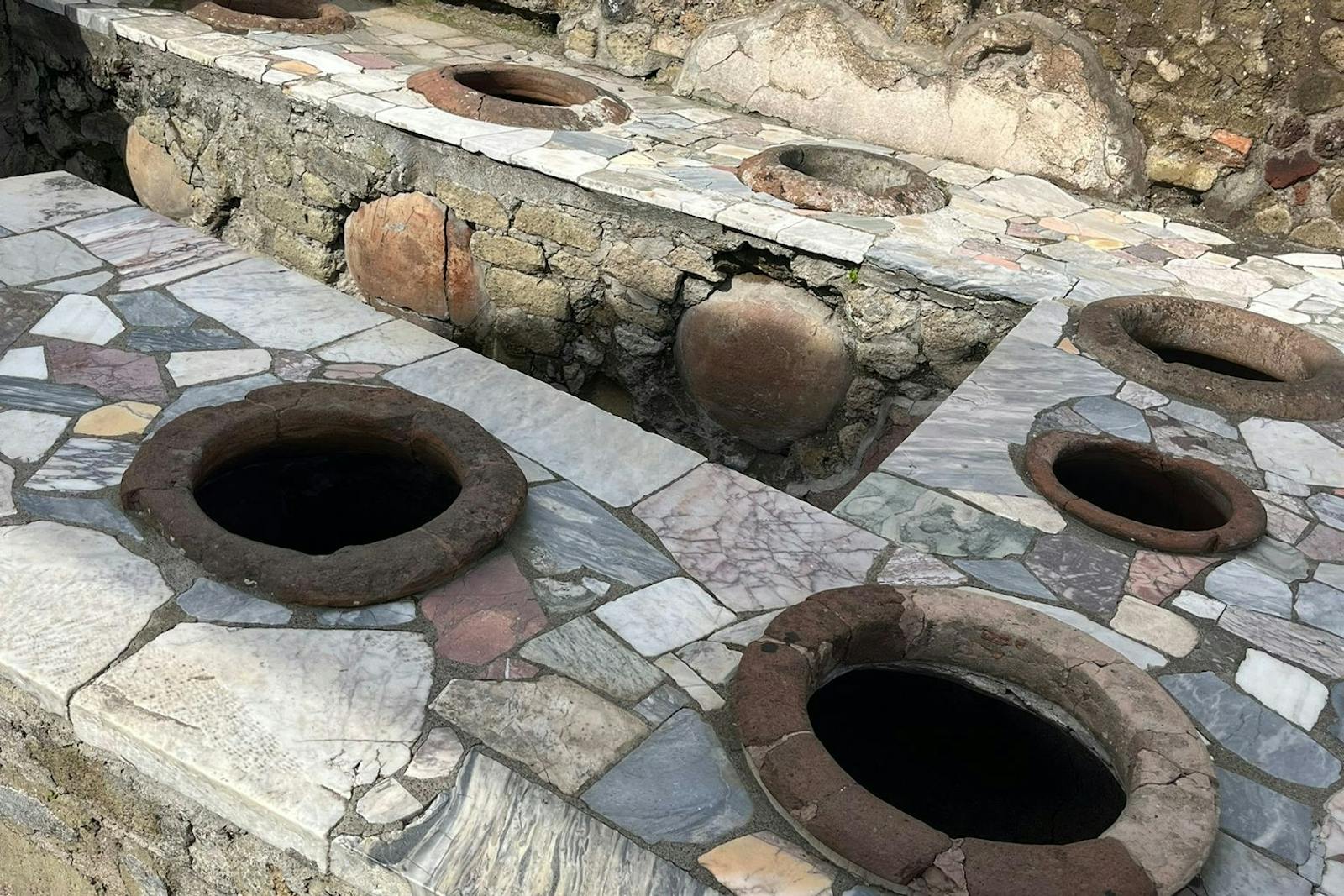
"Arriving at 8:30 via Ercolano Scavi station, we avoided the queues. The refreshment bar is a true treasure with its intact counters. The morning light on the Suburban Baths was magical and very photogenic."
Review submitted on 15 January 2024 via Visit Tickets
Visit declared by contributor · Review moderated before publication
Ref. VT-2024-75488
TB
Thomas B.
Paris
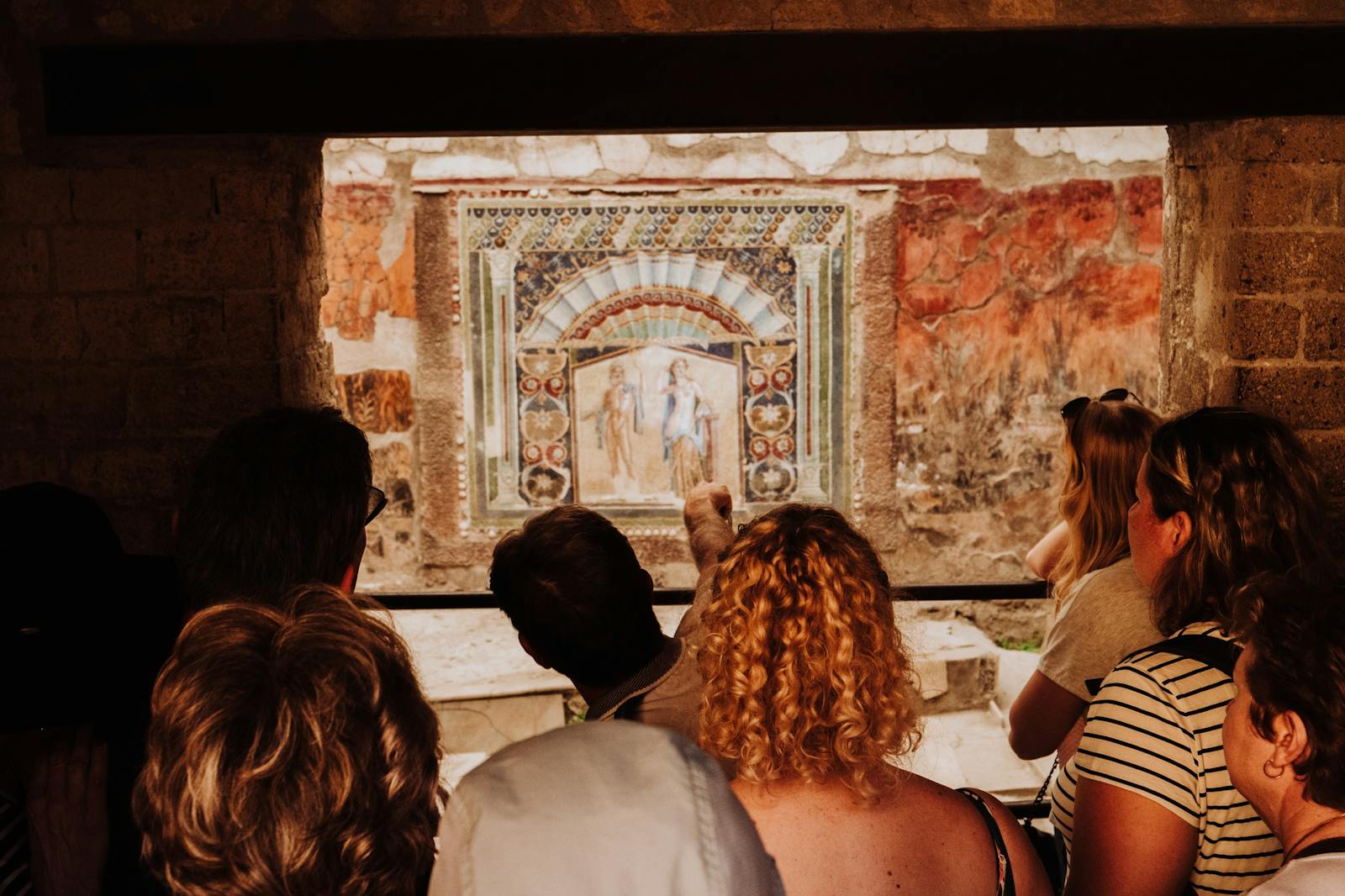
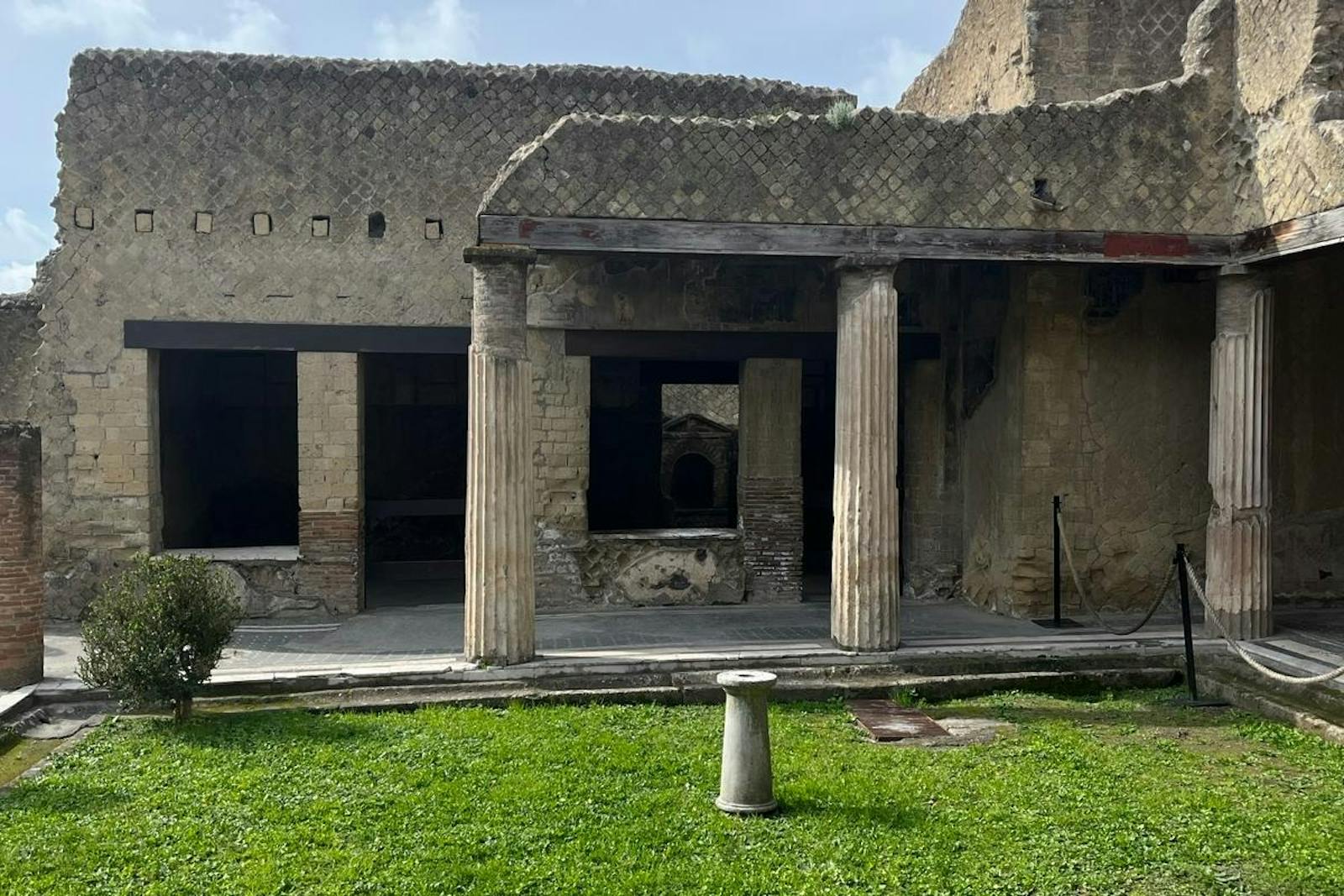
"Unlike Pompeii, here you can see charred wooden balconies. The stairs of the Papyri House are surprisingly well preserved. The trip from Naples was simple. Take the audio guide, it explains daily life well. We spent 2 hours peacefully."
Review submitted on 14 February 2025 via Visit Tickets
Visit declared by contributor · Review moderated before publication
Ref. VT-2025-19041
SM
Sophie M.
Toulouse
"The site is small, visited in 2 hours without rushing. I was moved by the skeletons in the boat sheds. Note, there is no café on site, bring water. The price of €19.50 is fair. The floors are uneven, wear comfortable shoes. A nice discovery."
Review submitted on 25 December 2025 via Visit Tickets
Visit declared by contributor · Review moderated before publication
Ref. VT-2025-34381
JR
Julien R.
Bordeaux
"Solo, I loved the calm atmosphere. The Antique Harbor with its reconstituted boat hulls is very immersive. I used the entry ticket + guided tour, the history of the frescoes is fascinating. The sun was strong, hat mandatory. A well-preserved site and less touristy than expected."
Review submitted on 14 June 2026 via Visit Tickets
Visit declared by contributor · Review moderated before publication
Ref. VT-2026-29593
AG
Amélie G.
Nice
"With my kids, it was ideal. Less crowded than Pompeii. The Papyri House impressed them. We got off at Ercolano Scavi, the station is a 10-minute walk. The colorful frescoes are stunning. The site is outdoors, remember sunscreen. Full visit in 2.5 hours, perfect for a day."
Review submitted on 21 May 2025 via Visit Tickets
Visit declared by contributor · Review moderated before publication
Ref. VT-2025-75625
PL
Pierre L.
Lille
"Very good visit. The multi-story houses with their restored windows are unique. You understand the city better than at Pompeii. The queue for the ticket was a bit long on Saturday, but we had pre-purchased online. The audio guide is useful for visualizing the upper levels. Recommended."
Review submitted on 4 December 2025 via Visit Tickets
Visit declared by contributor · Review moderated before publication
Ref. VT-2025-48541
LF
Lucas F.
Strasbourg
"The Suburban Baths offer an incredible view of Roman luxury. We arrived at opening time to enjoy the silence. The Antique Harbor is a poignant place of memory. The train trip from Sorrento was easy. The site is well organized, despite the uneven ground. A rich and human experience."
Review submitted on 27 June 2025 via Visit Tickets
Visit declared by contributor · Review moderated before publication
Ref. VT-2025-59569
ÉV
Élise V.
Marseille
"I was surprised by the preservation of the wood in the multi-story houses. The refreshment bar with its amphorae is a detail often ignored but crucial. We took the guided tour, very instructive on social life. The site is 10 minutes from Scavi station. Better than expected, calm and well lit."
Review submitted on 31 March 2024 via Visit Tickets
Visit declared by contributor · Review moderated before publication
Ref. VT-2024-60335
MA
Marc A.
Nantes
"Nice discovery. The skeletons in the boat sheds tell a powerful story. The site is well preserved, you can see the upper floors that survived. Note, it gets very hot in the afternoon, come early. The price of €19.50 is reasonable. The station toilets are basic, bring what you need. Instructive visit."
Review submitted on 17 January 2025 via Visit Tickets
Visit declared by contributor · Review moderated before publication
Ref. VT-2025-80296
CT
Chloé T.
Rennes
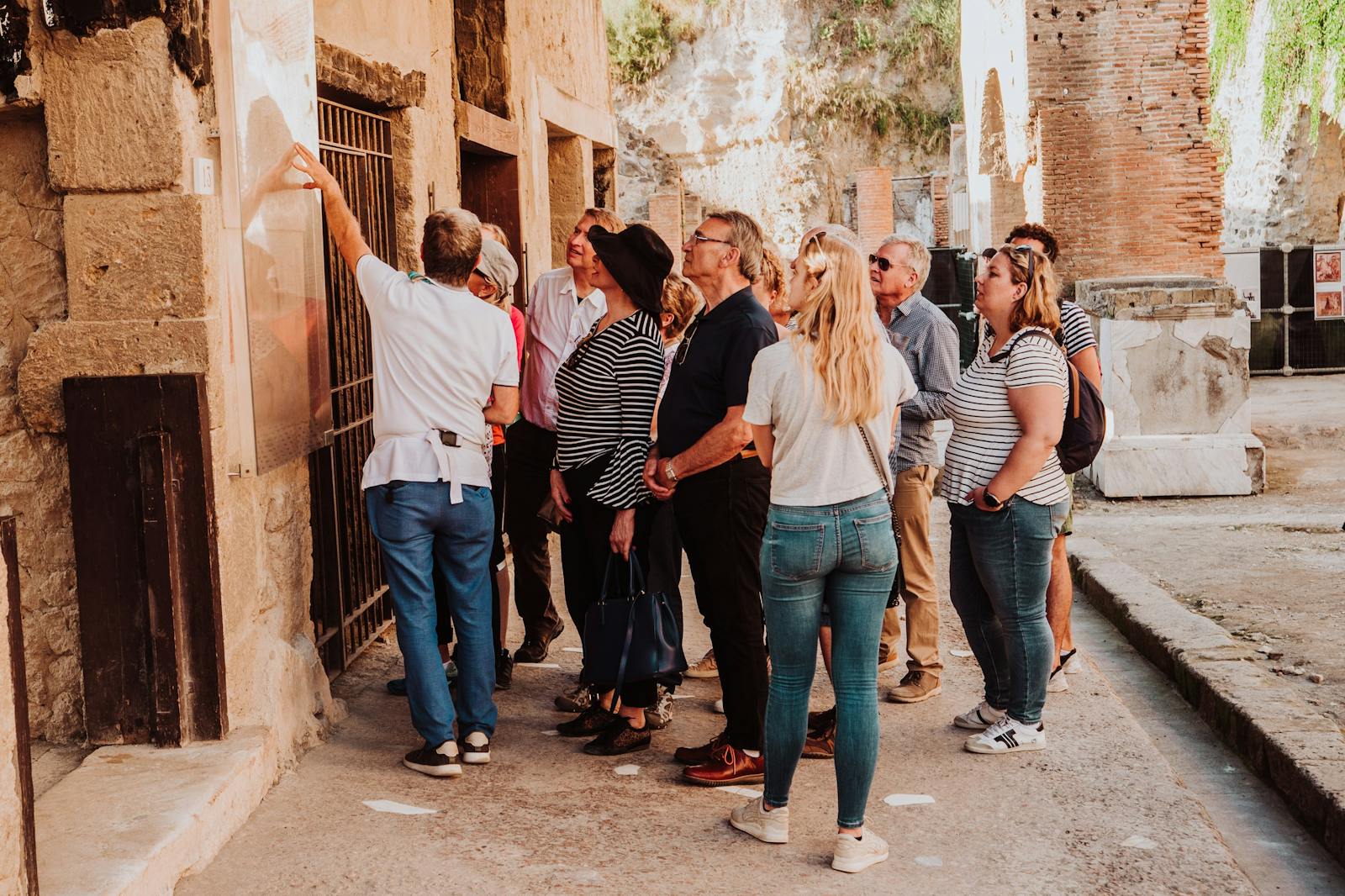
"We took the entry ticket + guided tour and it was worth it. The guide detailed the Papyri House and its charred scrolls. The Antique Harbor is a contemplative place. The site is small, we saw it in 2 hours. Fewer people than expected. The frescoes are vibrant. An essential stop if you are in the area."
Review submitted on 23 October 2024 via Visit Tickets
Visit declared by contributor · Review moderated before publication
Ref. VT-2024-87332
DK
David K.
Berlin
"As an architect, I was fascinated by the structure of the multi-story houses. The Suburban Baths show impressive Roman engineering. We arrived at opening time to avoid the crowds. The audio guide is a plus. The site is open-air, remember your hat. Ercolano Scavi station is convenient. A unique site of its kind, better preserved than its neighbor."
Review submitted on 16 April 2026 via Visit Tickets
Visit declared by contributor · Review moderated before publication
Ref. VT-2026-67931
SP
Sarah P.
Londres
"Pleasant visit, much better preserved than Pompeii. The refreshment bar is a surprising point of interest. We had a bit of trouble finding the right train stop, but Scavi station is clear once identified. The site is small, 2 hours is enough. The floors are a bit uneven. The atmosphere is calm, ideal for detailed photos."
Review submitted on 24 January 2026 via Visit Tickets
Visit declared by contributor · Review moderated before publication
Ref. VT-2026-83119
Ercolano · Train: Ercolano Scavi (Circumvesuviana Sorrento Line, 15 min from Naples Piazza Garibaldi).
Opening Hours
Mon - Sun : 08:30 - 19:30
Open every day. Extended hours in summer (until 7:30 PM). Check for exceptional closures before your visit.
Prices
Herculaneum: Entry Ticket : From 19,50 € Herculaneum: Entry Ticket + Guided Tour : From 44,50 € Herculaneum: Guided Tour : From 45 € Herculaneum: Roundtrip Bus Transfer From/To Naples : From 20 € Herculaneum: Guided Tour + Roundtrip from Naples : From 70 € Herculaneum: Entry Ticket + Guided Tour : From 44,50 € Show more ▾
Full price approx. €19.50. Discounts for EU students and children. Combined tickets available.
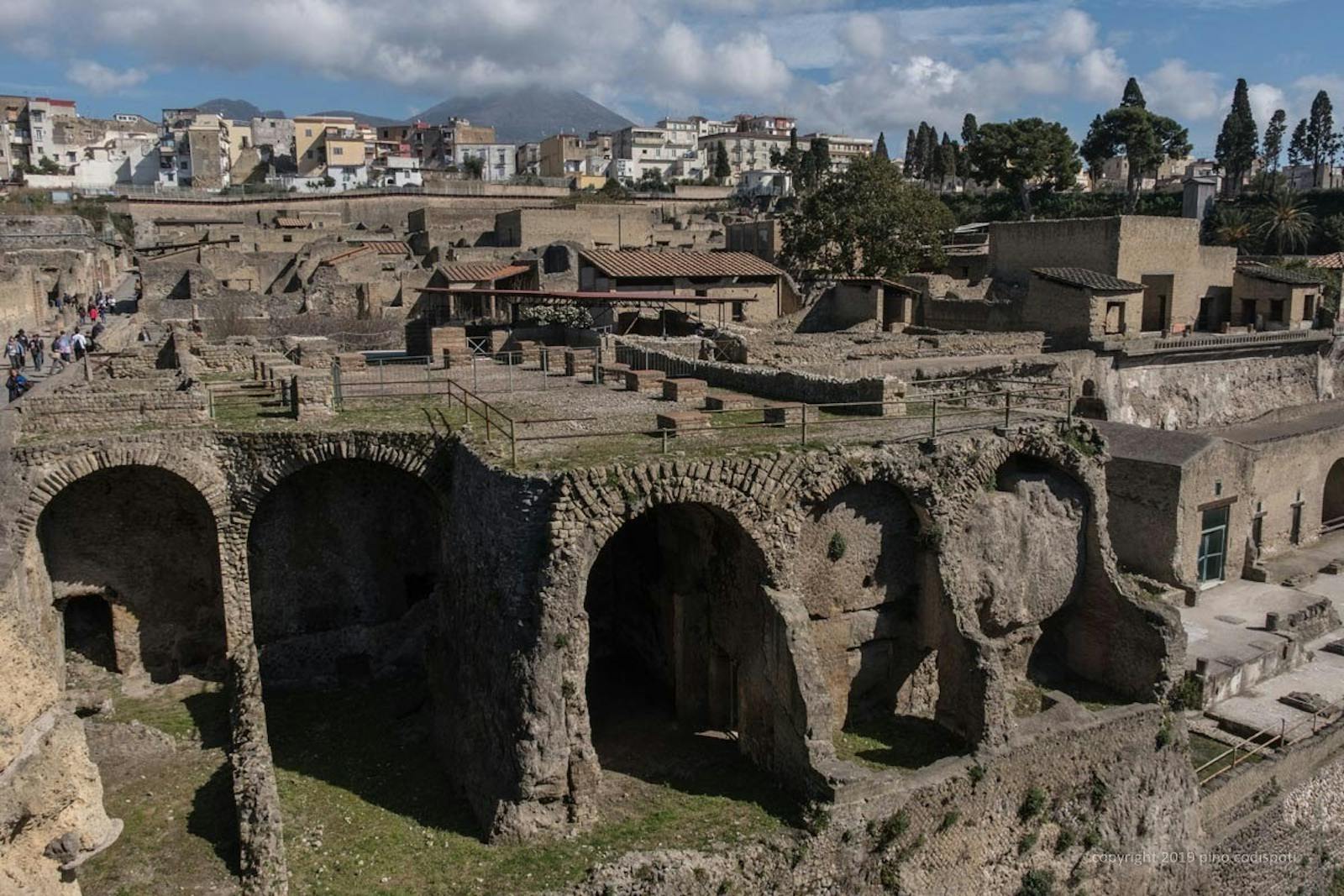
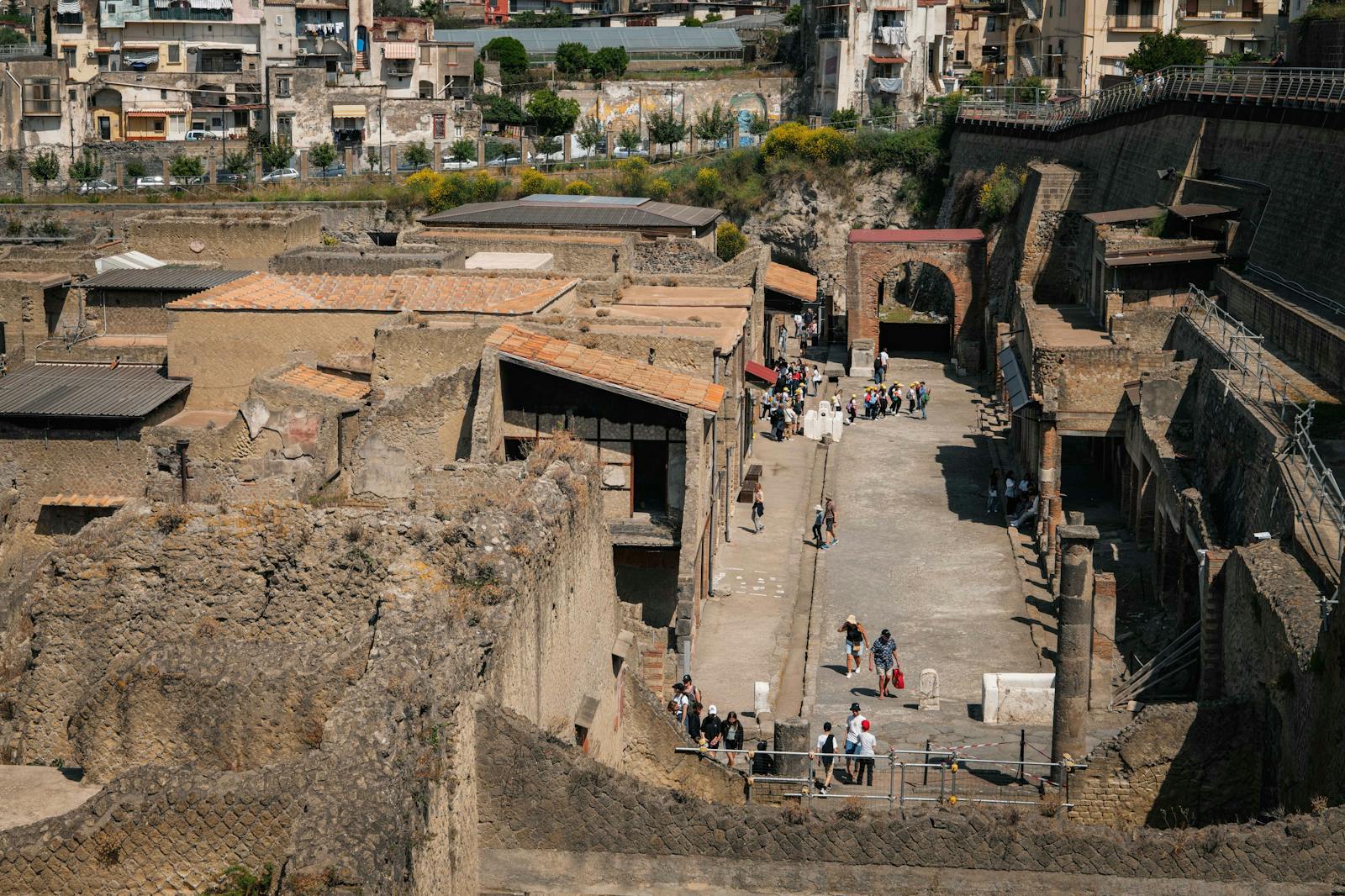
Located at the foot of Vesuvius, Herculaneum offers a concrete perspective on 1st-century Roman life. Unlike Pompeii, buried under ash, this city was drowned under hot volcanic mud. This process carbonized and exceptionally preserved wood, furniture, and even the books of the Villa of the Papyri. It is today the best-preserved ancient site in the Bay of Naples.
History of Herculaneum
Founded well before the Christian era, Herculaneum was a popular seaside resort for the Roman aristocracy. With about four thousand inhabitants, it was much smaller than Pompeii, but its residences were often more luxurious. The excavations initiated in 1738 by the Bourbon-Two Sicilies revealed a wealthy city, initially seeking works of art for their private royal collections.
The eruption of Vesuvius in 79 AD destroyed the city instantly. A fast pyroclastic flow covered Herculaneum under six meters of volcanic material. This crust protected structures from erosion and humidity for nearly two millennia. Open-air excavations began only in 1828, allowing a modern understanding of the catastrophe.
Today, less than a quarter of the ancient city has been excavated. The majority of public monuments remain buried under the current municipality of Ercolano. Archaeologists work cautiously as the modern town literally rests on the ancient ruins. Each new discovery can modify our understanding of this prosperous and complex Roman society.
What to see at Herculaneum
The Villa of the Papyri is the intellectual jewel of the site. It housed a vast library whose carbonized parchment scrolls are still being digitally deciphered. These texts constitute one of the largest known ancient libraries, offering direct access to the philosophical and literary thoughts of the late Roman period.
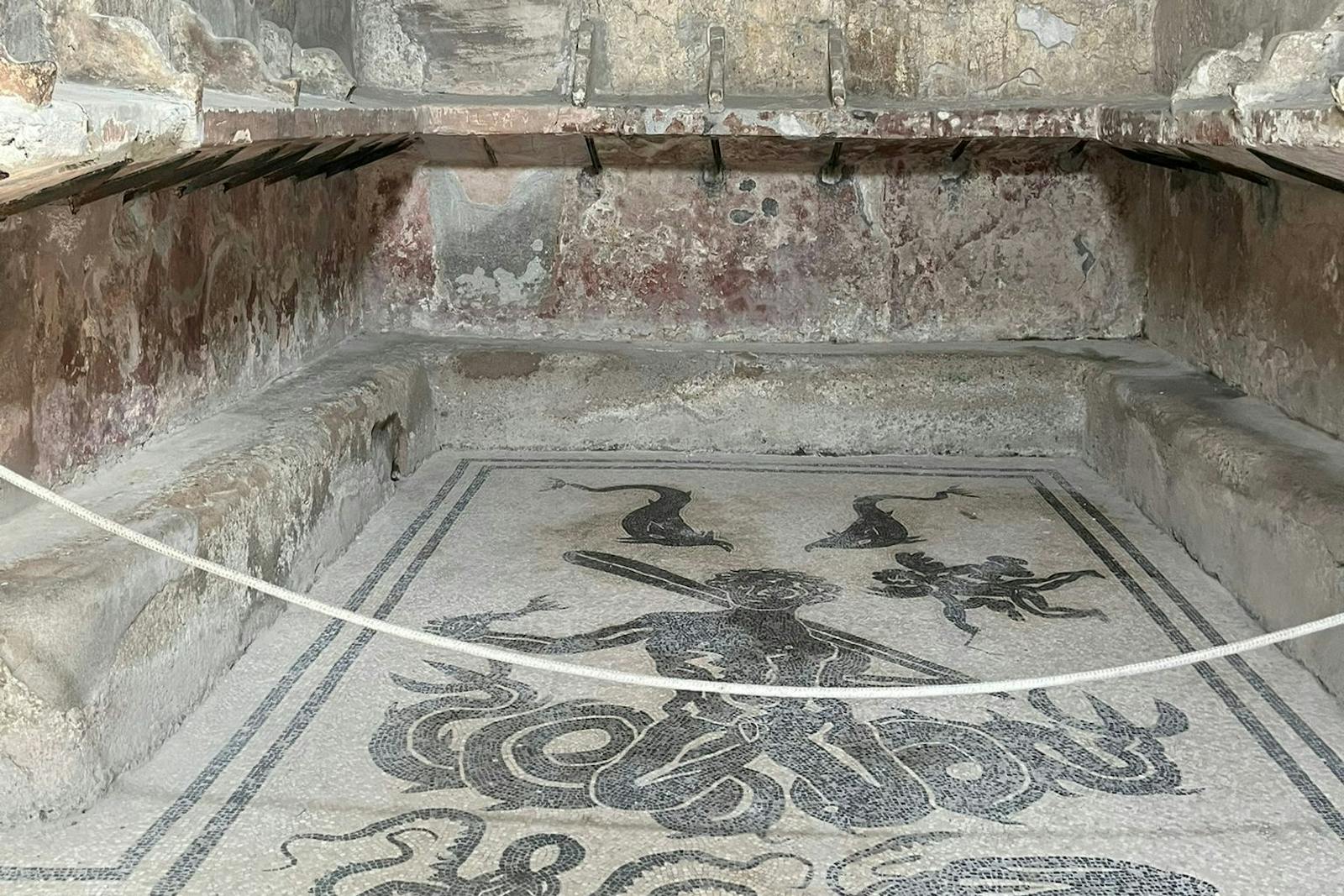
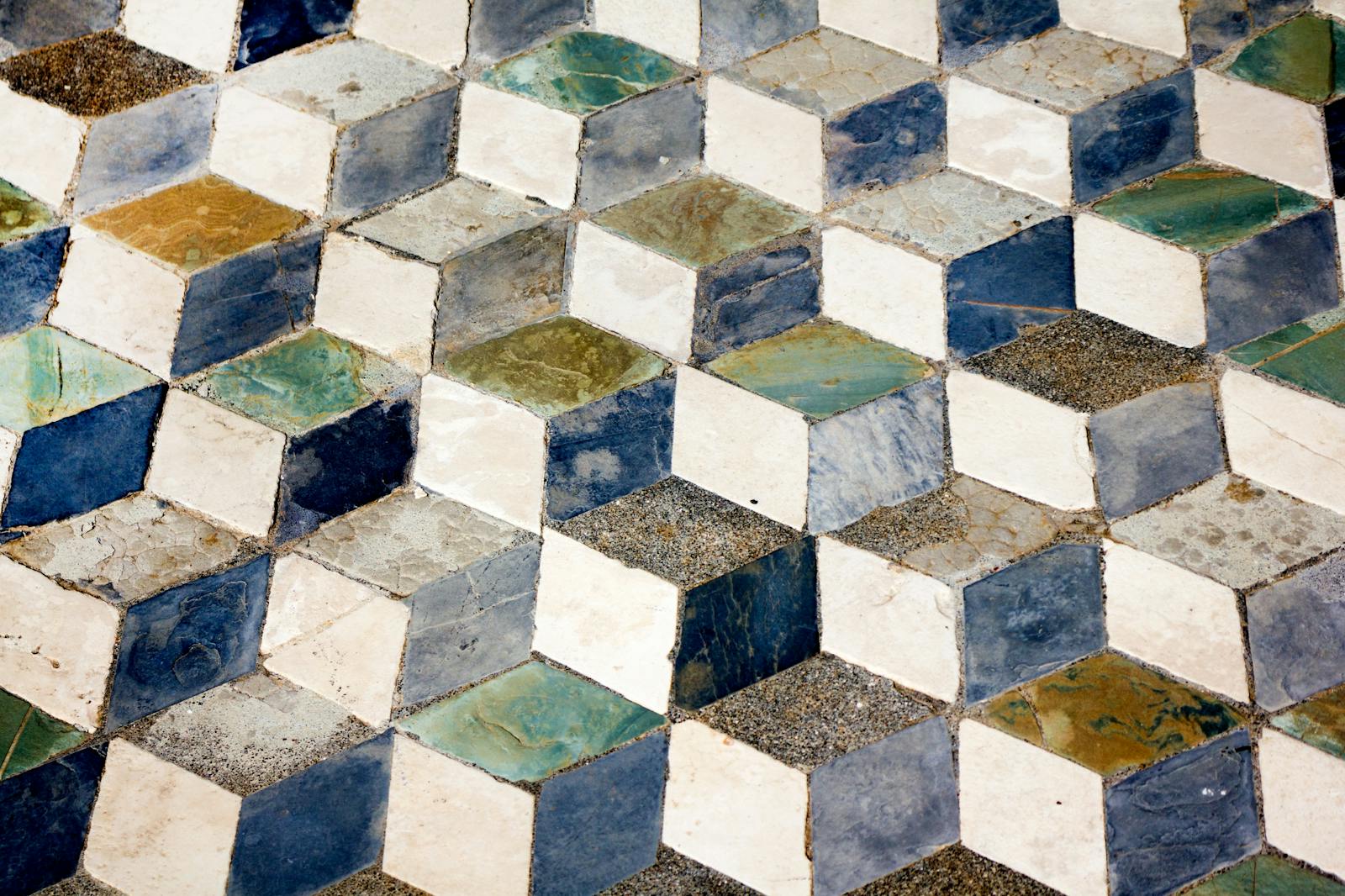
The Suburban Baths impress with their size and state of preservation. These public baths clearly show the different stages of the Roman thermal ritual, from frigidariums to caldariums. Colorful mosaics and underground heating systems testify to the comfort sought by the affluent residents of this renowned climate station.
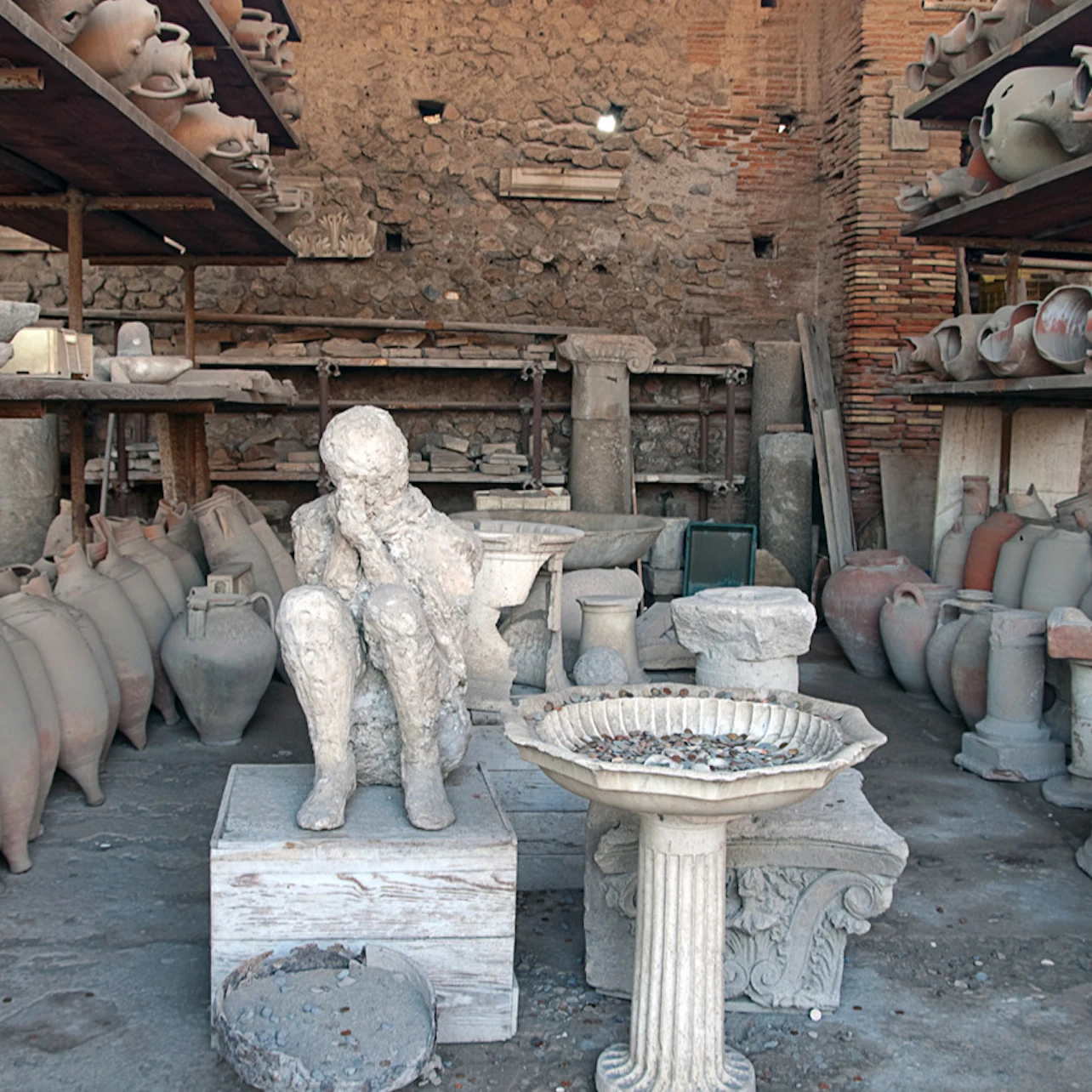
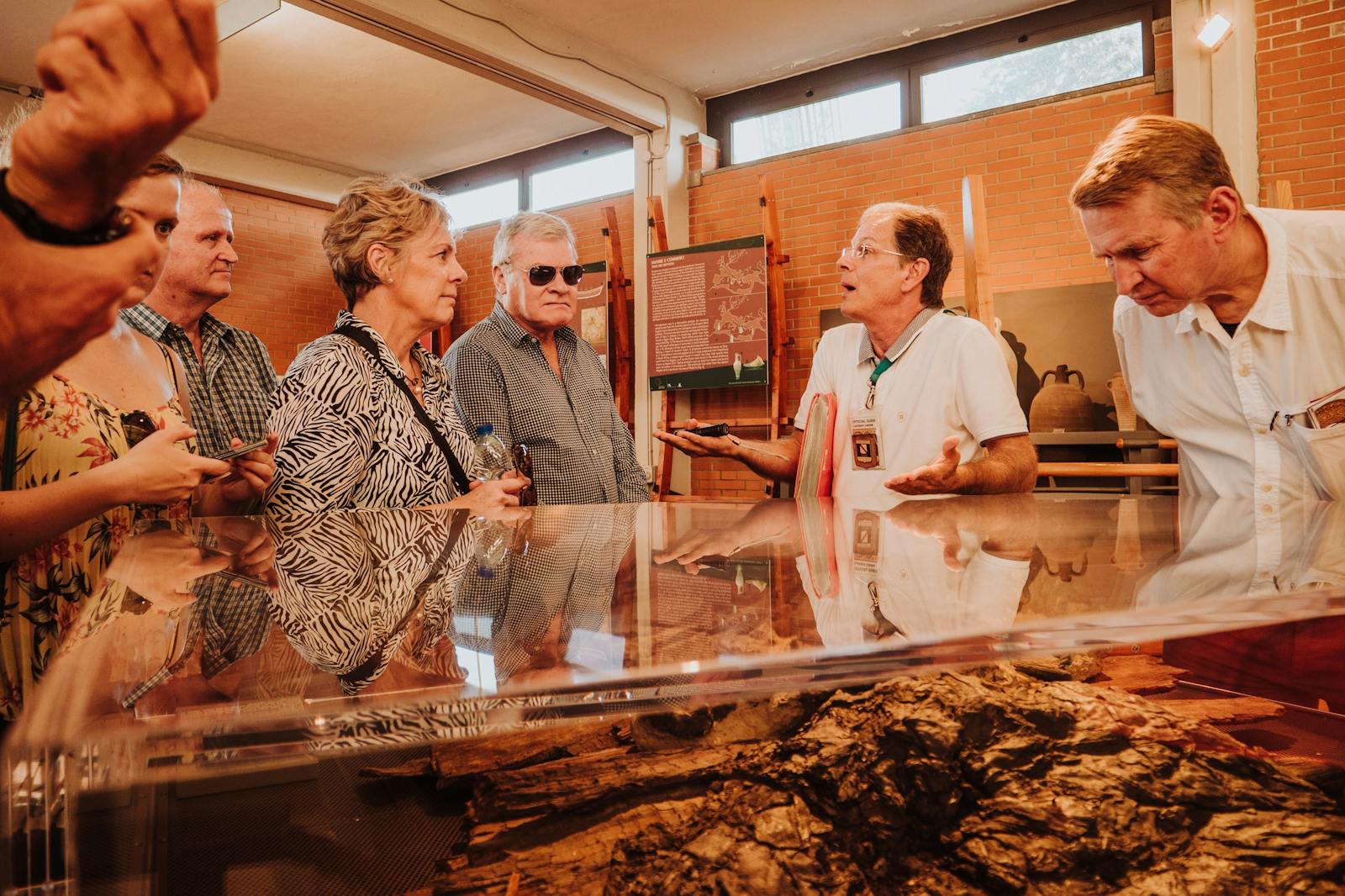
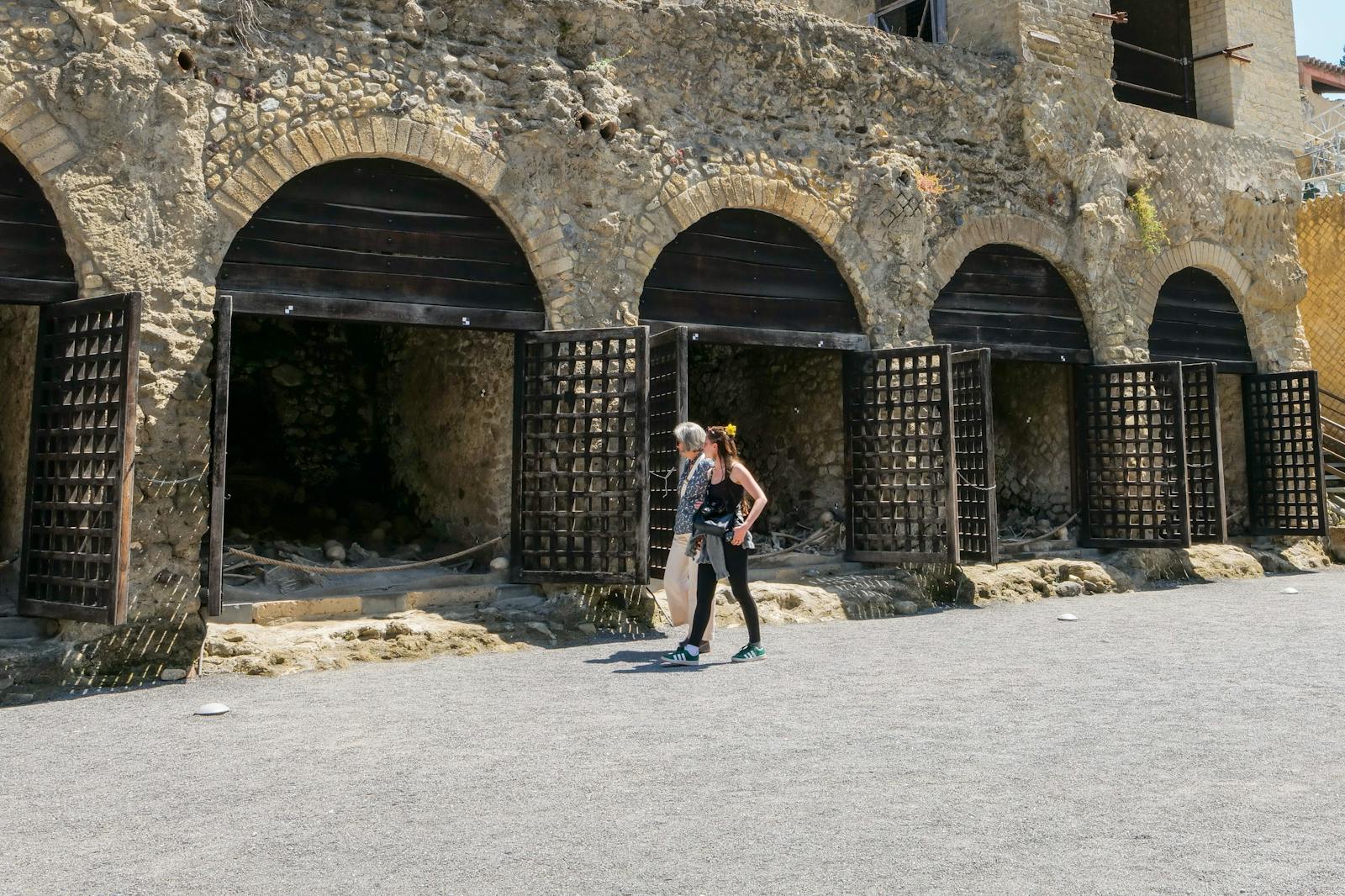
The boat sheds on the ancient beach are among the most moving sites. Here lie the skeletons of several dozen people who sought refuge during the eruption. These human remains allow historians to reconstruct the final gestures of the inhabitants, victims of rapid and brutal thermal asphyxia in the face of the volcano's wrath.
Practical: Visiting Herculaneum from Naples
To visit Herculaneum from Naples, take the Circumvesuviana train from Piazza Garibaldi Central Station. Direction Sorrento, get off at 'Ercolano Scavi'. The journey takes about 15 minutes. From there, allow 10 minutes walking to reach the main entrance of the archaeological park. Always check the site's opening hours before departure.
It is crucial to distinguish Herculaneum from Pompeii. They are two distinct sites with separate access and tickets. Although combined offers sometimes exist, you must verify their exact validity. Do not assume that a ticket for one grants access to the other without written confirmation. Plan your itinerary accordingly so you don't miss out. Transport options from Naples also differ.
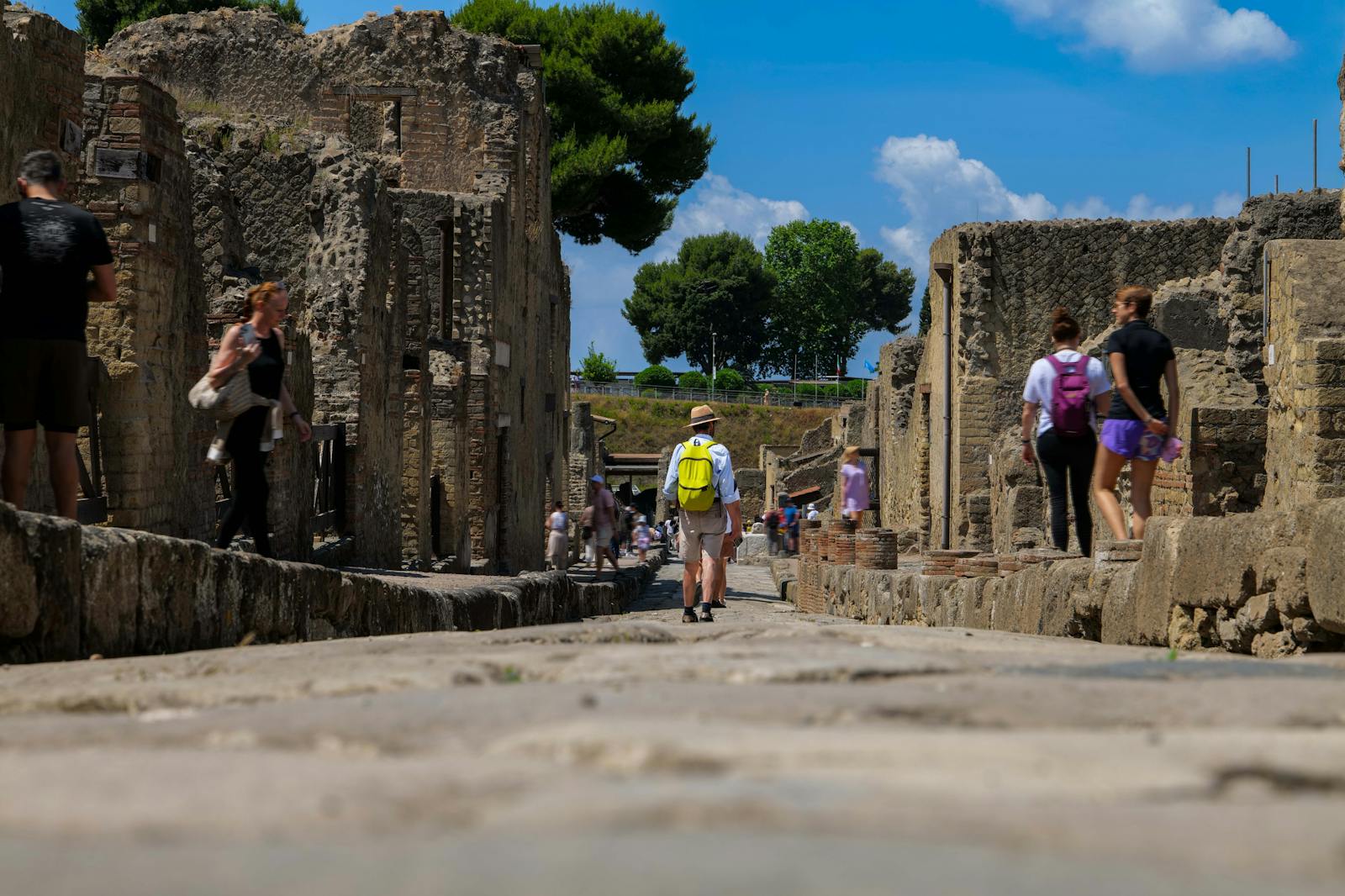
The site is accessible to people with reduced mobility, although some paths may be uneven due to ancient paving stones. It is recommended to bring an audio guide or a detailed map, as the ruins lack immediate visual context without explanation. Arriving at opening time allows you to enjoy soft light and an absence of crowds to photograph the unique vertical architectural details.
What awaits you at Herculaneum
A unique time capsule under Vesuvius
01
Villa of the Papyri
Site of the famous carbonized library, whose scrolls are still being digitally deciphered today.
Architecture
02
Suburban Baths
Large thermal complex with pools and remains of upper structures, testifying to Roman luxury.
Daily life
03
Boat Sheds
Area where skeletons of the last inhabitants seeking refuge during the eruption of 79 AD were found.
Tragic history
04
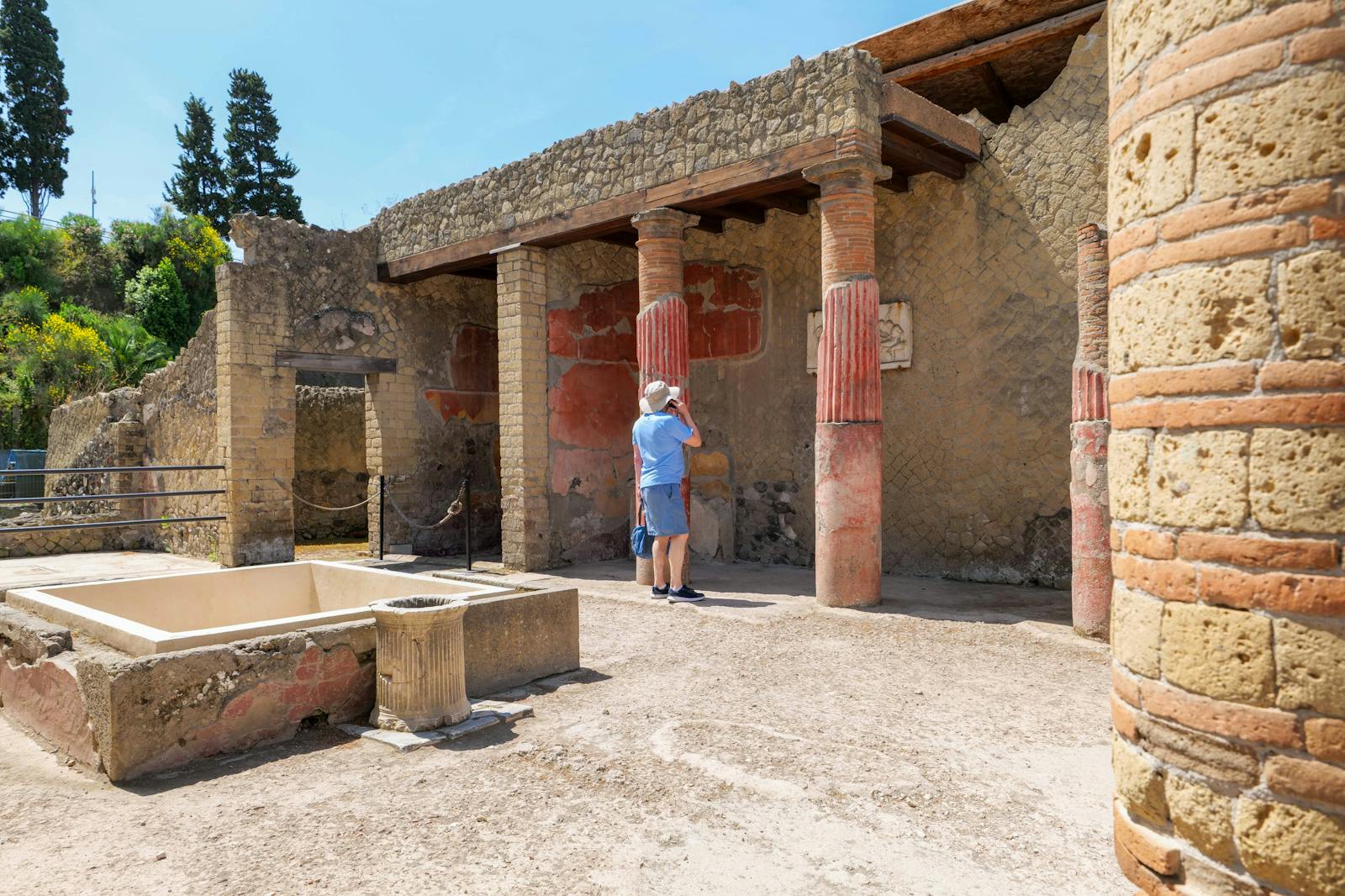
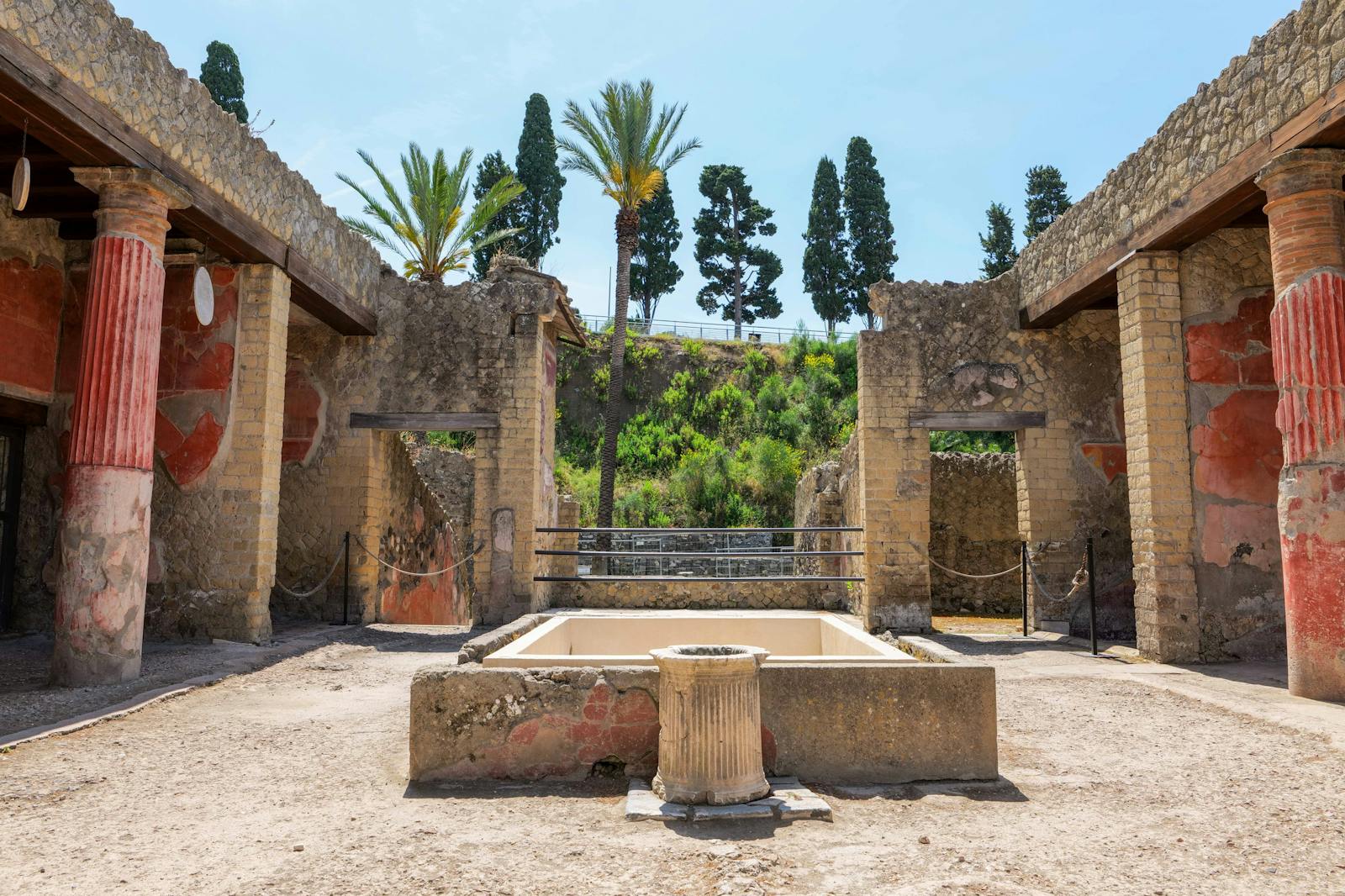
Multi-story Houses
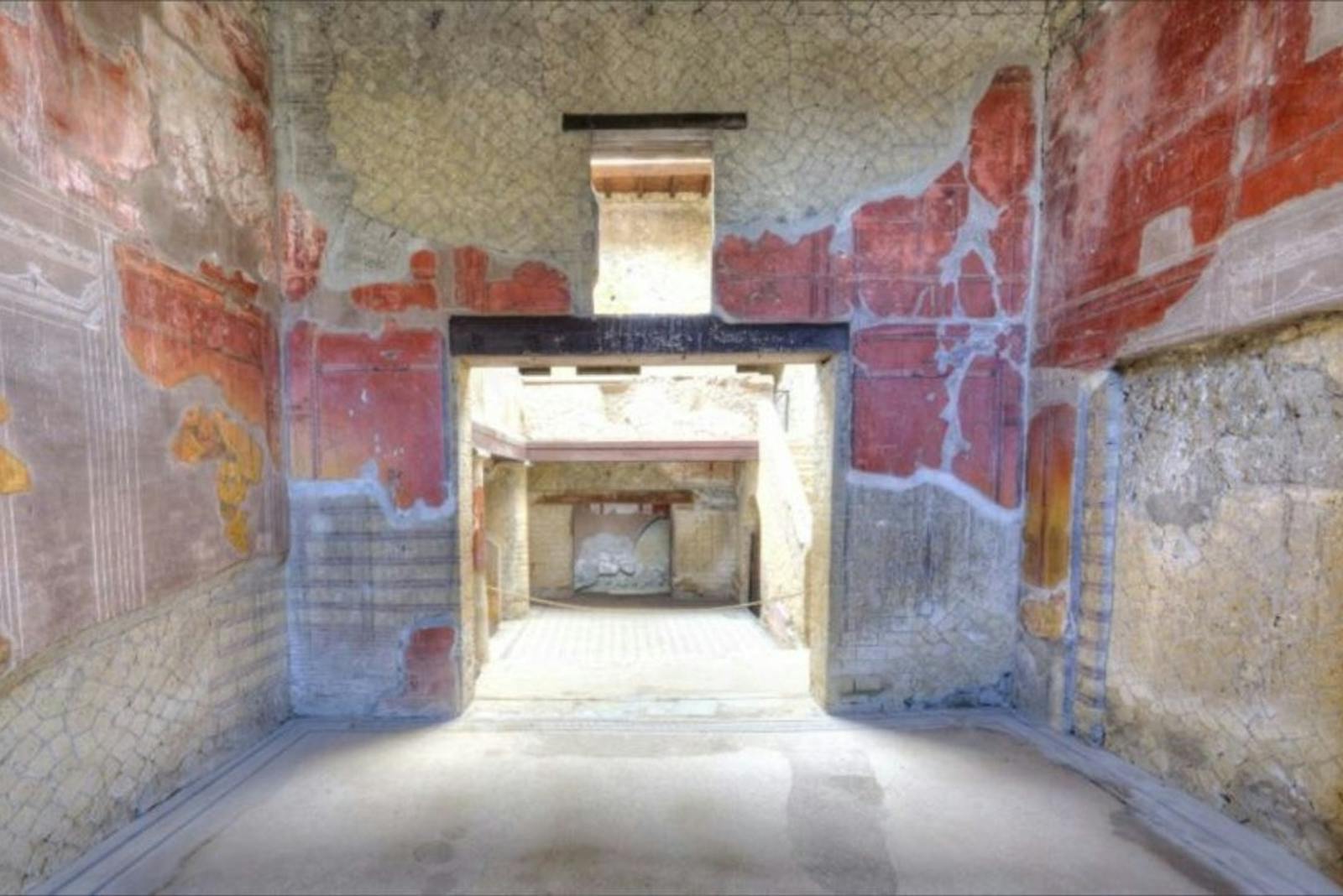
Dwellings preserving carbonized wood elements, stairs, and windows, rare in ancient sites.
Conservation
05
Ancient Port
Reconstruction of the seafront with boat hulls and quays, offering an immersive perspective.
Seafront
06
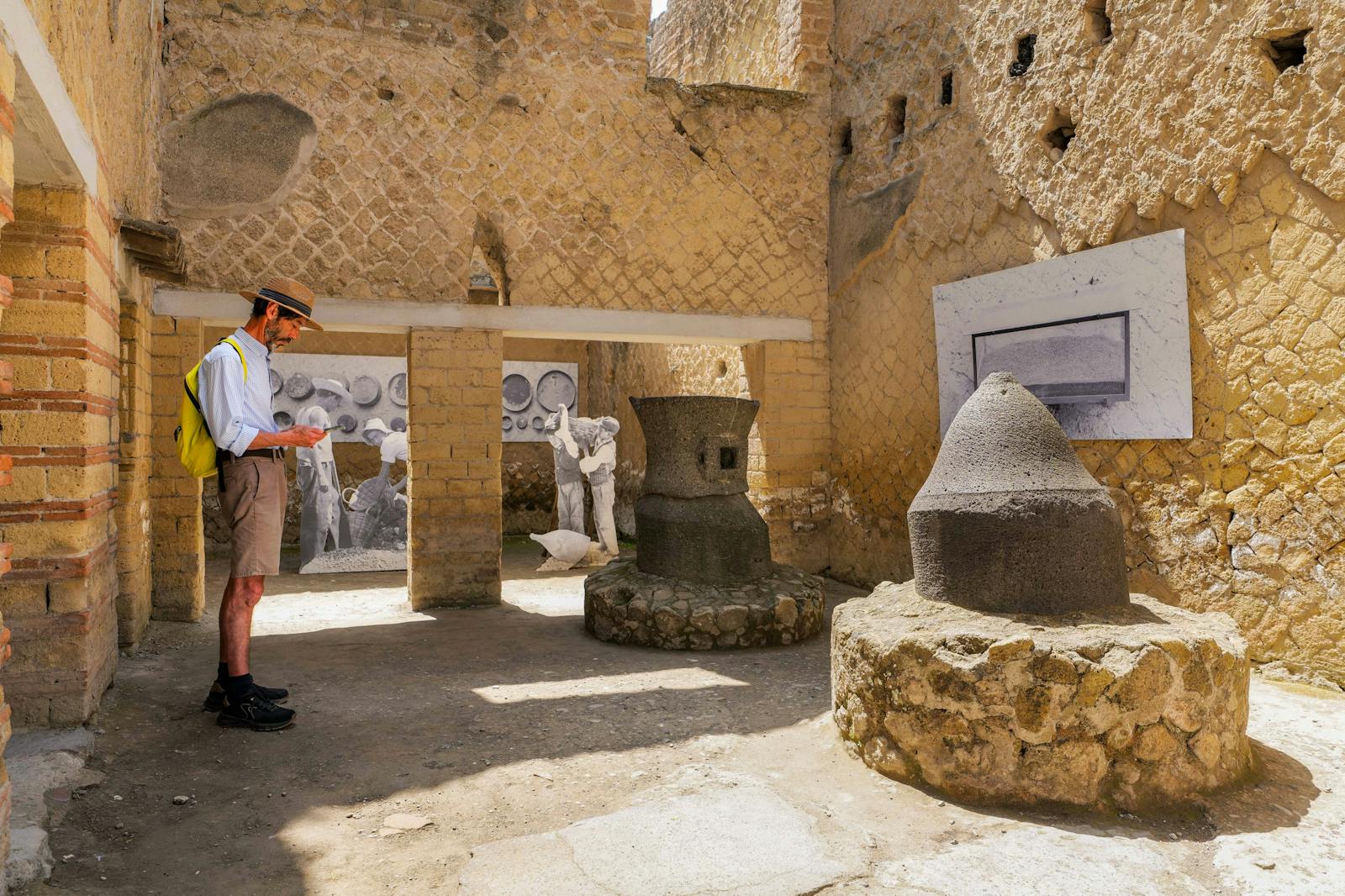
Refreshment Bar
Former public establishment preserving its counters and amphorae, illustrating local social life.
Leisure
Tips for visiting Herculaneum
Insider tips
Arrive at opening time
The site is small; early arrivals enjoy soft light and an absence of crowds to photograph architectural details without obstruction. Arrive precisely at 8:30 or 9:00 AM depending on the season to enter before organized groups, which usually arrive after 10:00 AM, thus guaranteeing a contemplative and silent experience among the ancient ruins.
Comfortable shoes mandatory
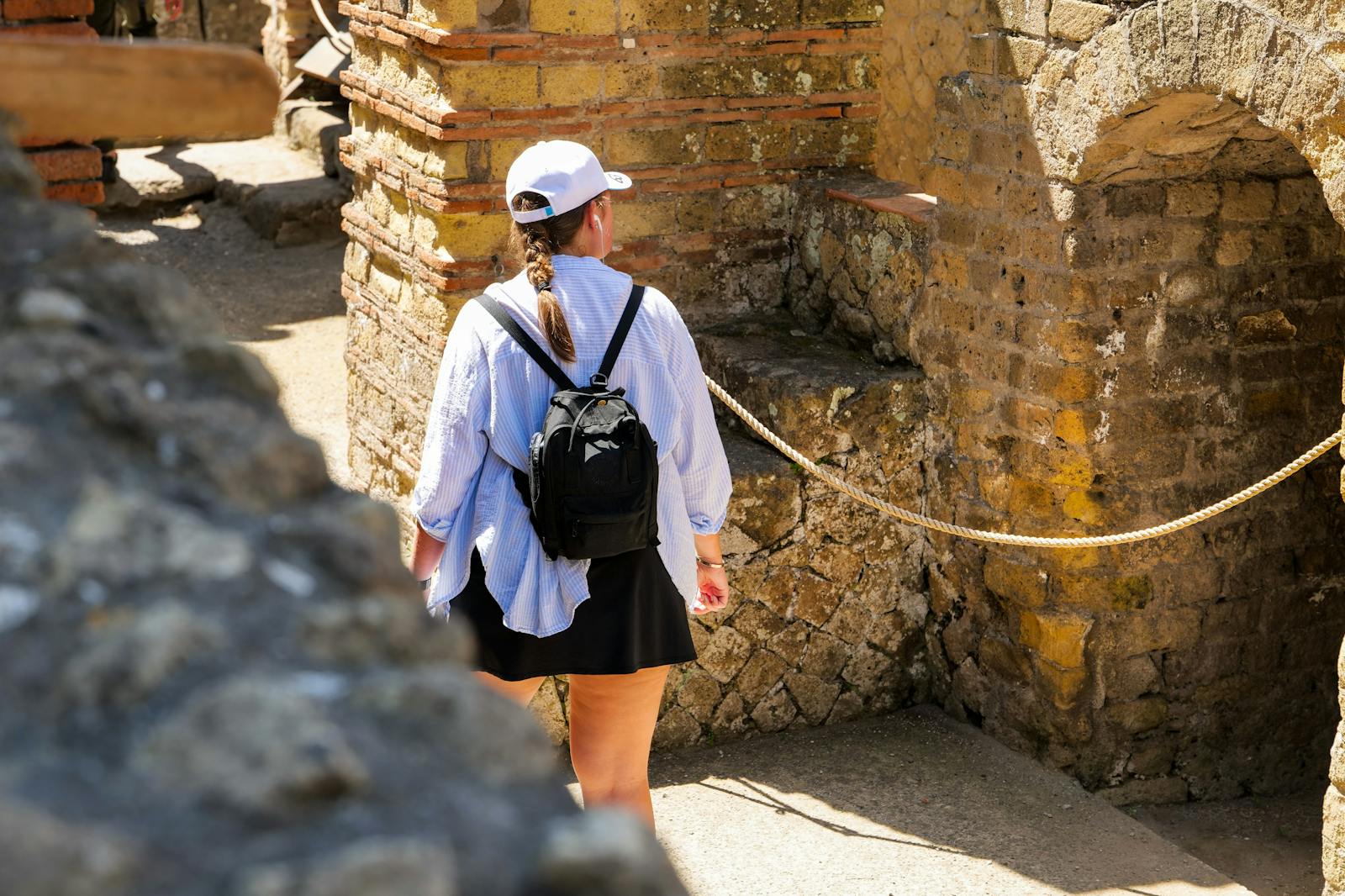
The floors consist of ancient cobblestones and uneven archaeological debris; avoid high heels or flat shoes with no grip to prevent falls. Opt for sturdy sneakers with a good non-slip sole, as paths cross active excavation areas where relief changes abruptly, ensuring your safety while exploring the different levels of the ancient site.
Bring a map or audio guide
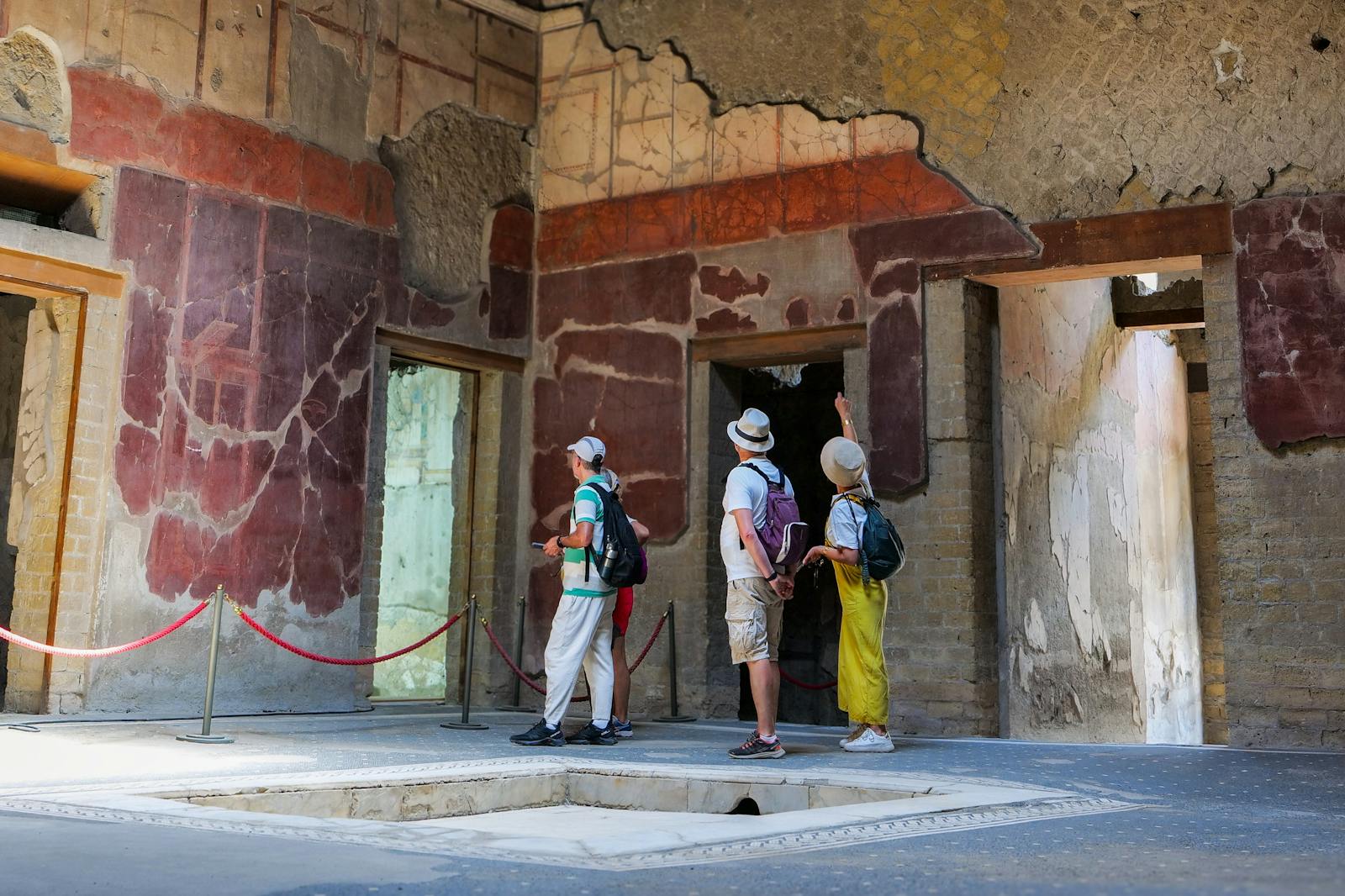
Without a guide, the bare walls may seem abstract; the audio guide allows you to visualize the disappeared upper floors and understand the complex history behind each remnant. Rent the device at the entrance or download the official app if available, as it provides essential virtual reconstructions to imagine how Romans lived in these confined yet richly decorated spaces.
Use the Ercolano Scavi station
Do not get off at the main Ercolano station but at 'Scavi' (excavations), located only 10 minutes walk from the site, to save precious time. From Naples Piazza Garibaldi, take the Circumvesuviana line towards Sorrento and pay close attention to announcements, as confusing the stops could force you to walk an extra half-hour under the burning Campanian sun.
Protect yourself from the sun
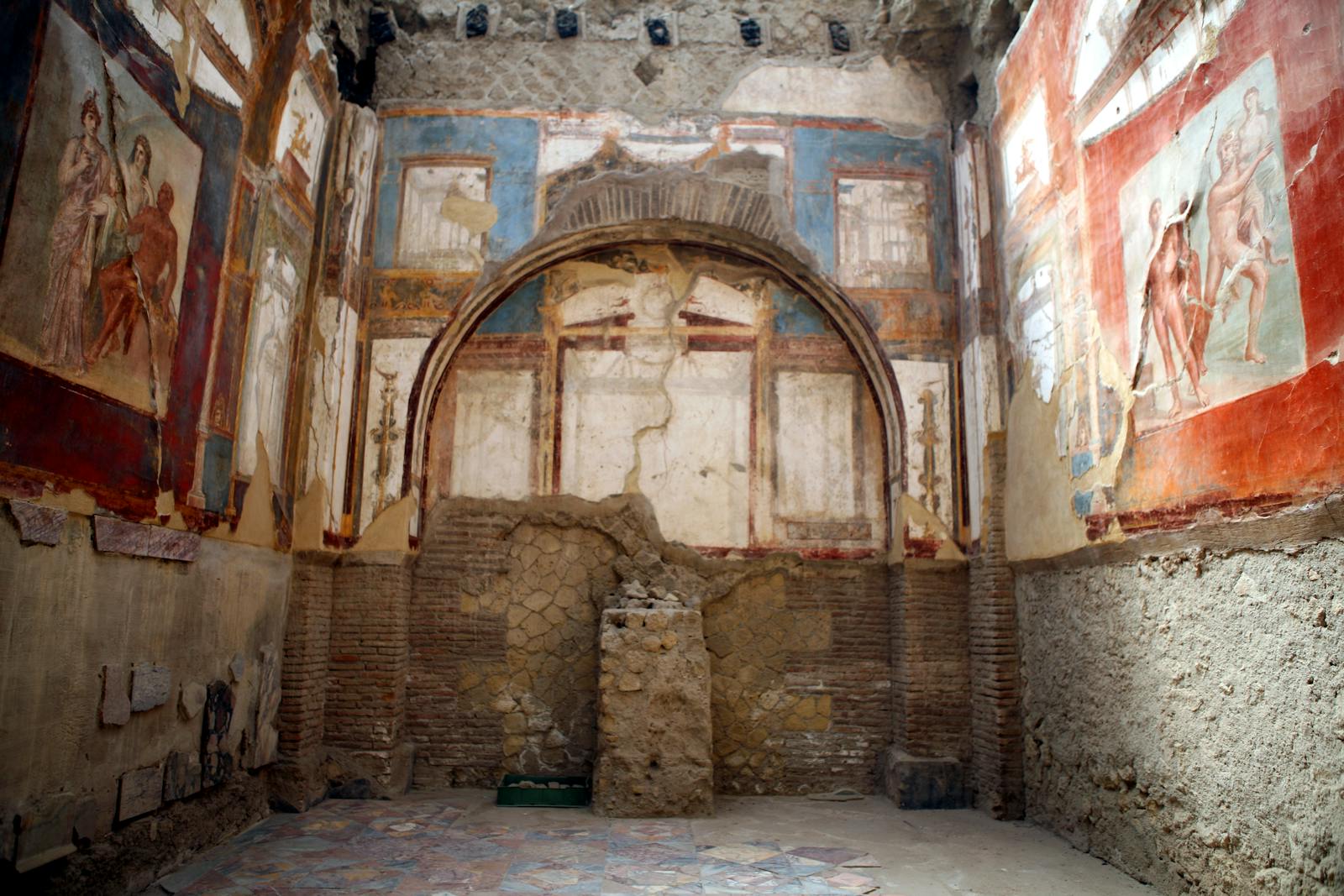
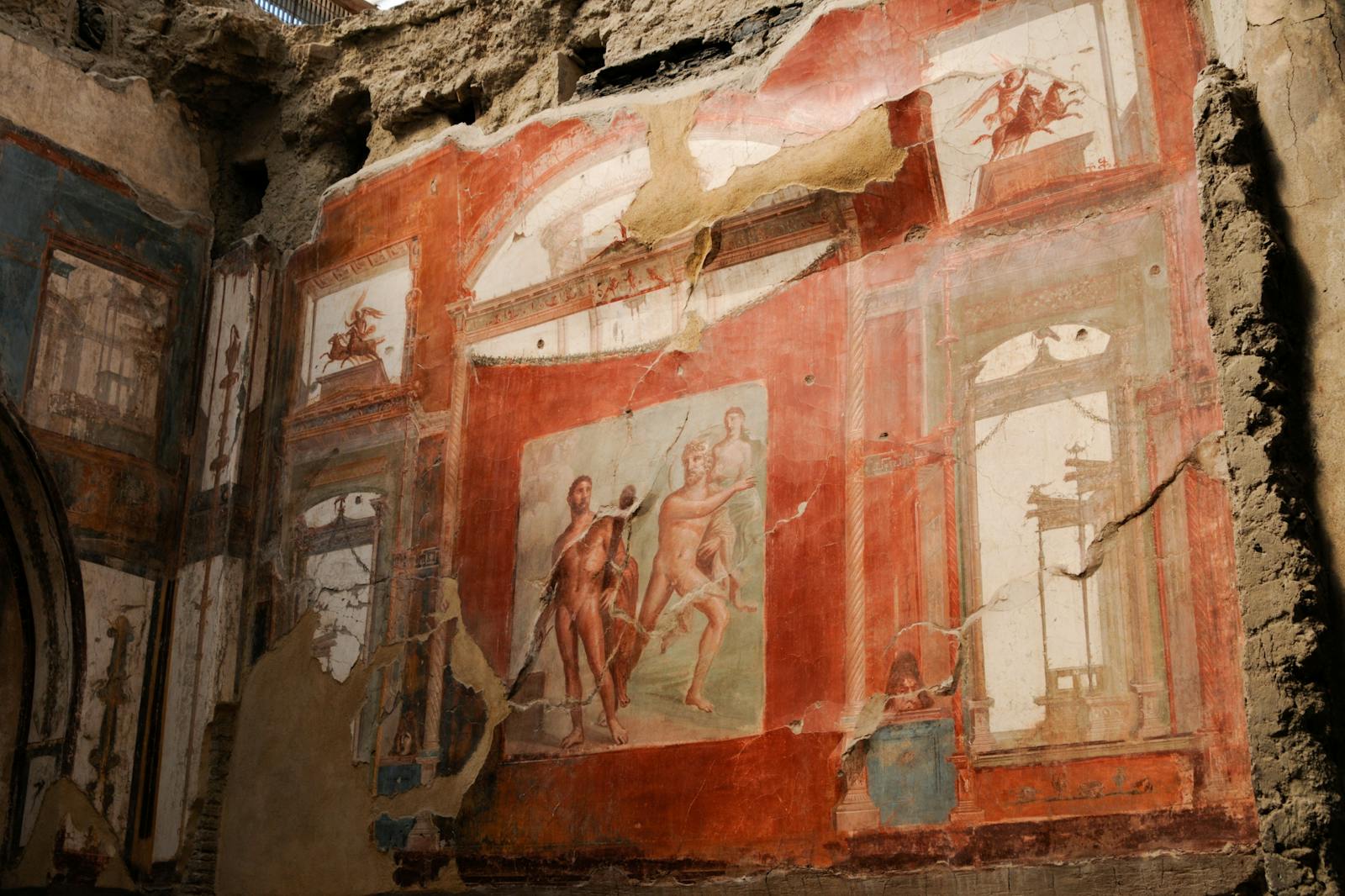
The site is open-air with little natural shade; hat and sunscreen are essential in summer to avoid sunburn during the extended visit. Light reflection on white stones amplifies UV exposure, so regularly apply protection and wear sunglasses to maintain clear visibility while admiring the restored frescoes.
Photograph high-up details
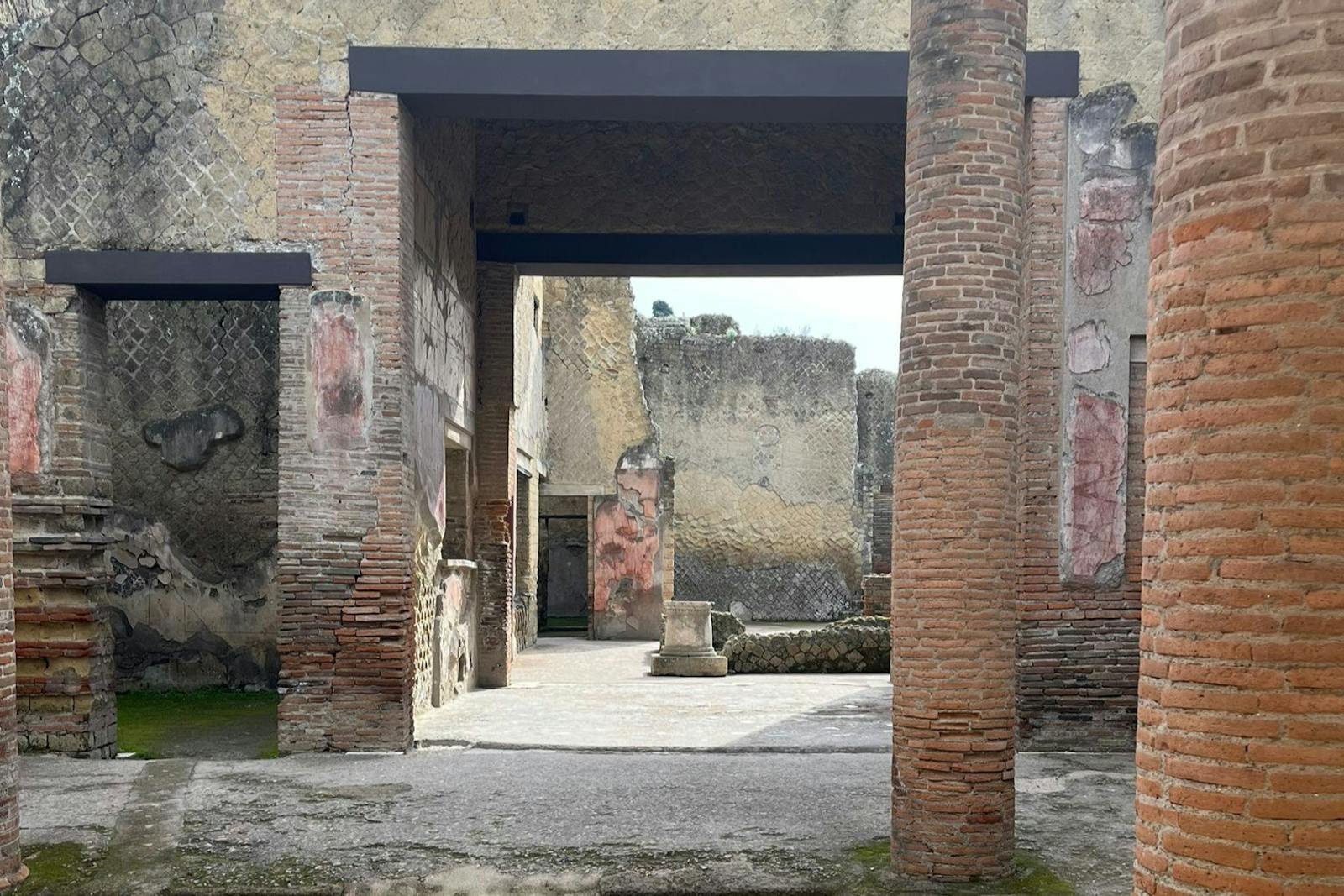
Unlike Pompeii, you can see restored windows and balconies; take vertical photos to capture this unique verticality and multi-level structures. Use zoom to isolate carbonized wood elements or delicate mosaics, and don't hesitate to look up to immortalize the upper floors that make this exceptional archaeological site famous.
Check the Vesuvius combination
If you plan to climb Vesuvius, verify that your ticket definitely includes access to the trail, as this often changes depending on weather and regulatory conditions. Combined offers change frequently, so confirm with your provider before departure that the volcanic ascent is included, to avoid any financial or logistical surprises when passing entry controls.
Drink plenty of water
The residual humidity and heat of the volcanic ground make the visit strenuous; stock up before entering as on-site sales points are limited and expensive. Bring a reusable water bottle filled in Naples, as the perceived temperature rises quickly under direct sunlight, and staying hydrated is crucial to maintain the energy needed to walk on the irregular terrain of the park.
Ready to book?
Choose your tickets online and get View ticket options and conditions.
Unlike Pompeii, buried under cold ash, Herculaneum was submerged under a hot volcanic mudflow that carbonized and preserved wood, furniture, and even books. This dense pyroclastic crust created a unique time capsule dating back to 79 AD, allowing archaeologists to uncover intact stairs and doors, offering a rare vertical view of Roman domestic architecture.
The lost library
The Villa of the Papyri yielded previously unknown literary works, constituting an immense intellectual treasure. These texts, found in this aristocratic retreat, fascinate modern researchers and were highlighted during major exhibitions such as the tricentennial celebration.
Final moments on the beach
Skeletons found in the boat sheds lining the beach help us better understand the fate of the population. These significant discoveries, made in the 20th century, bear witness to the final gestures of inhabitants seeking refuge near the sea in the face of the eruption.
A city beneath the modern town
Less than a quarter of the ancient city has been excavated; the majority of public monuments remain buried under the current municipality of Ercolano, limiting future excavations. Of the estimated twenty hectares of the Roman city, only 4.5 hectares have been uncovered, meaning that major temples and important forums likely sleep beneath modern houses and streets, preserved but inaccessible.
Royal excavations in the 18th century
The Bourbons of Two Sicilies initiated the first systematic excavations starting in 1738, initially seeking artworks for their private collections rather than preserving the historical site. These early underground explorations, conducted via tunnels through the volcanic crust, contributed to the spread of Neoclassicism in Europe thanks to the statues and marbles extracted, laying the foundations of modern archaeology long before current scientific methods.
The paradox of the modern town
Unlike Pompeii, Herculaneum is not an isolated archaeological site but coexists with a living municipality. Since 1969, the ancient Roman city has borne the name Ercolano, although its history dates back well before this date. The main peculiarity of the site is that excavations stopped precisely where current housing begins. This means that the majority of public and religious monuments, as well as a large part of the original estimated area of 20 hectares, remain buried under the streets and buildings of the modern town. Only about 4.5 hectares have been cleared, representing less than a quarter of the ancient city. This unique situation creates a constant challenge for archaeologists who must navigate between preserving the past and meeting present urban needs, while fighting against moisture rising from the water table located 25 meters deep.
Plan your visit to Herculaneum
Three itineraries depending on available time
Half day
The essentials of Herculaneum
8:30 AM : Departure from Naples Central Station (Piazza Garibaldi) by Circumvesuviana towards Sorrento.
8:45 AM : Arrival at Ercolano Scavi and a quick 10-minute walk to the archaeological site entrance.
9 AM-11 AM : Self-guided or guided tour of the site, starting with the Suburban Baths and the Villa of the Papyri.
11:30 AM : Discovery of the boat sheds on the ancient beach before returning to Naples or having lunch.
Full day
Herculaneum and Vesuvius
Morning : Quiet visit to Herculaneum right at opening to enjoy the lack of crowds and best photo opportunities.
Noon : Typical Campanian lunch in Ercolano or Torre Annunziata to rest after walking on the cobblestones.
Afternoon : Climb Vesuvius if open, or alternative visit to the National Archaeological Museum of Naples.
End of day : Return to Naples by train from the nearby station, with stunning views of the bay.
Weekend
Complete Bay of Naples
Day 1 Morning : Detailed exploration of Herculaneum, followed by a relaxing stroll in Positano or Amalfi in the afternoon.
Day 2 Morning : Comparative visit to Pompeii to understand conservation differences, then excursion to Capri.
Day 3 : Immersion into historic Naples with the Royal Palace and the alleys of the old center before departure.
Tip : Alternate intense archaeological sites with seaside breaks to avoid overwhelming your pace of visit.
Good deal
Pompeii, Herculaneum and Vesuvius: Skip The Line Tickets + round-trip from Naples
Discover the ancient city of Herculaneum with an archaeologist guide on a tour departing from Naples.
Direct stop on the Circumvesuviana line towards Naples, located just minutes from the main entrance of the park. The train arrives at Ercolano-Portici station.
National Archaeological Museum of Naples
20 min by train
Houses the original works from the Villa of the Papyri and precious mosaics removed from the site for conservation. Marble statues are also featured here.
Ristorante Da Ciccillo
5 min walk
Traditional local restaurant offering authentic Campanian dishes in immediate proximity to the ruins.
Suburban Baths
On-site
Exceptionally preserved Roman thermal complex, offering a striking glimpse into ancient social life. The Suburban Baths reveal the wellness habits of the Romans.
Torre Annunziata Park
15 min walk
Green space adjacent to the site, ideal for a shady break after visiting the open-air excavations. Enjoy the tranquility of the neighboring Virgilian Park to relax.
Vesuvius Viewpoint
From the site
The site offers a direct panoramic view of Vesuvius's cone, perfect for contextual photos. Admire the volcano from the upper terraces of the ruins.
How to get to Herculaneum
Estimated travel times from the main points in the city
Metro : Ercolano - Scavi, 222
(2 min walk)
Bus : Plinio
(6 min walk)
From Naples Airport - Capodichino10,0 km→30 min
From Salerno-Amalfi Coast Airport51,8 km→130 min
From Ercolano Scavi0,7 km→8 min
From Portici - Ercolano1,1 km→9 min
From Ercolano Miglio d'Oro1,2 km→9 min
From Naples Capodichino Airport10,0 km→48 min
From Salerno-Amalfi Coast Airport51,8 km→215 min
From Ercolano Scavi0,7 km→11 min
From Portici - Ercolano1,1 km→12 min
From Ercolano Miglio d'Oro1,2 km→13 min
From Naples Capodichino Airport10,0 km→36 min
From Salerno-Amalfi Coast Airport51,8 km→176 min
From Ercolano Scavi0,7 km→5 min
From Portici - Ercolano1,1 km→7 min
From Ercolano Miglio d'Oro1,2 km→7 min
From Naples Capodichino Airport10,0 km→48 min
From Salerno-Amalfi Coast Airport51,8 km→241 min
From Ercolano Scavi0,7 km→5 min
From Portici - Ercolano1,1 km→7 min
From Ercolano Miglio d'Oro1,2 km→8 min
From Ercolano Scavi0,7 km→9 min
From Portici - Ercolano1,1 km→13 min
From Ercolano Miglio d'Oro1,2 km→16 min
Accommodation
Find a hotel near Herculaneum
When should you visit Herculaneum?
Expected crowds by day - click a date to book
Quiet Normal crowds Busy
High crowds on Saturday mornings and in July-August. Prefer Tuesday mornings or late afternoons for a peaceful visit.
Yes, online booking is highly recommended, especially during peak season (July-August) and on weekends. Since the site is smaller than Pompeii, it quickly reaches its maximum capacity. Buying in advance helps you avoid long queues at the ticket office and guarantees your entry.
Bundle deals sometimes exist, but please note that these are two distinct sites with separate access points. Always check validity and specific conditions at the time of purchase. Often, buying separately remains more flexible if you only plan to visit one site.
Absolutely, it's a classic itinerary. Start with Herculaneum in the morning to enjoy the cool air, then hike up Vesuvius in the afternoon. Be sure to check the trail opening status for Vesuvius before leaving, as it depends on weather and geological conditions.
Visit
Herculaneum is smaller, better preserved (wood, upper floors), and less crowded. It takes 2 to 3 hours compared to 4 to 5 for Pompeii. Here, the volcanic mud carbonized the wood, offering a more intimate view of Roman domestic life, whereas Pompeii shows more public monuments.
Allow 2 to 3 hours for a complete and relaxed visit. This gives you enough time to explore the Suburban Baths, the Villa of the Papyri, and private homes without rushing. One hour is insufficient to appreciate the richness of the architectural details.
Do not miss the Suburban Baths for their grandeur, the Villa of the Papyri for its literary history, and the boat sheds for their tragic human dimension. Also observe the houses with their restored stairs and woodwork, which are unique in their kind.
An audio guide or a pocketbook is strongly recommended because the ruins lack immediate visual context. Without explanation, bare walls can seem abstract. A guide helps visualize the disappeared upper floors and understand the original layout of the rooms.
Its reduced size and later discovery explain this lesser fame. Moreover, the immediate proximity to Naples draws tourists to other destinations. Yet, technically, it is the best-preserved site from the eruption of 79 AD.
Practical Info
Take the Circumvesuviana line towards Sorrento from the Central Station (Piazza Garibaldi). Get off at the 'Ercolano Scavi' stop (about 15 mins). Do not get off at the main Ercolano station. Then allow 10 minutes walking to the site entrance.
Arrive at opening time (8:30 am or 9 am) to avoid the intense heat and tour groups. Late afternoon is also pleasant. Avoid midday in summer when the sun is vertical and there is almost no shade on the open-air site.
Restrooms are available at the site entrance. However, it is advisable to bring your own water as refill points may be limited or closed. Residual humidity and the heat of the volcanic soil make the visit strenuous.
Accessibility
The site is generally accessible, but some paths feature uneven ancient cobblestones and archaeological excavations. Main axes are passable, but check recent facilities if necessary. Technical aids can be requested on site.
Comfortable, closed-toe shoes are mandatory. Avoid high heels or thin sandals. The floors consist of Roman cobblestones and packed earth, requiring good grip and support for walking for 2 to 3 hours.
Herculaneum on video
A preview of this exceptional place before your visit
Herculaneum in pictures
See what to expect during your visit
Herculaneum vs other archaeological sites
Quick comparison with other major sites
Herculaneum
Pompeii
Ancient Ostia
Year of creation
79 AD
79 AD
62 BC
Adult rate
19,50€
18,00€
12,00€
Visit duration
2-3 hours
4-5 hours
3-4 hours
Feature
Preserved wood and multi-story structures
Entire city buried
Port of ancient Rome
Ready to book?
Choose your tickets online and get View ticket options and conditions.