History of the Grévin Museum
The Grévin Museum was born on June 5, 1882, imagined by Arthur Meyer, a journalist, and Alfred Grévin, a caricaturist, at a time when photography was still rare. Their ambition? To immortalize public figures through wax sculpture, offering the public a unique encounter with history and culture.
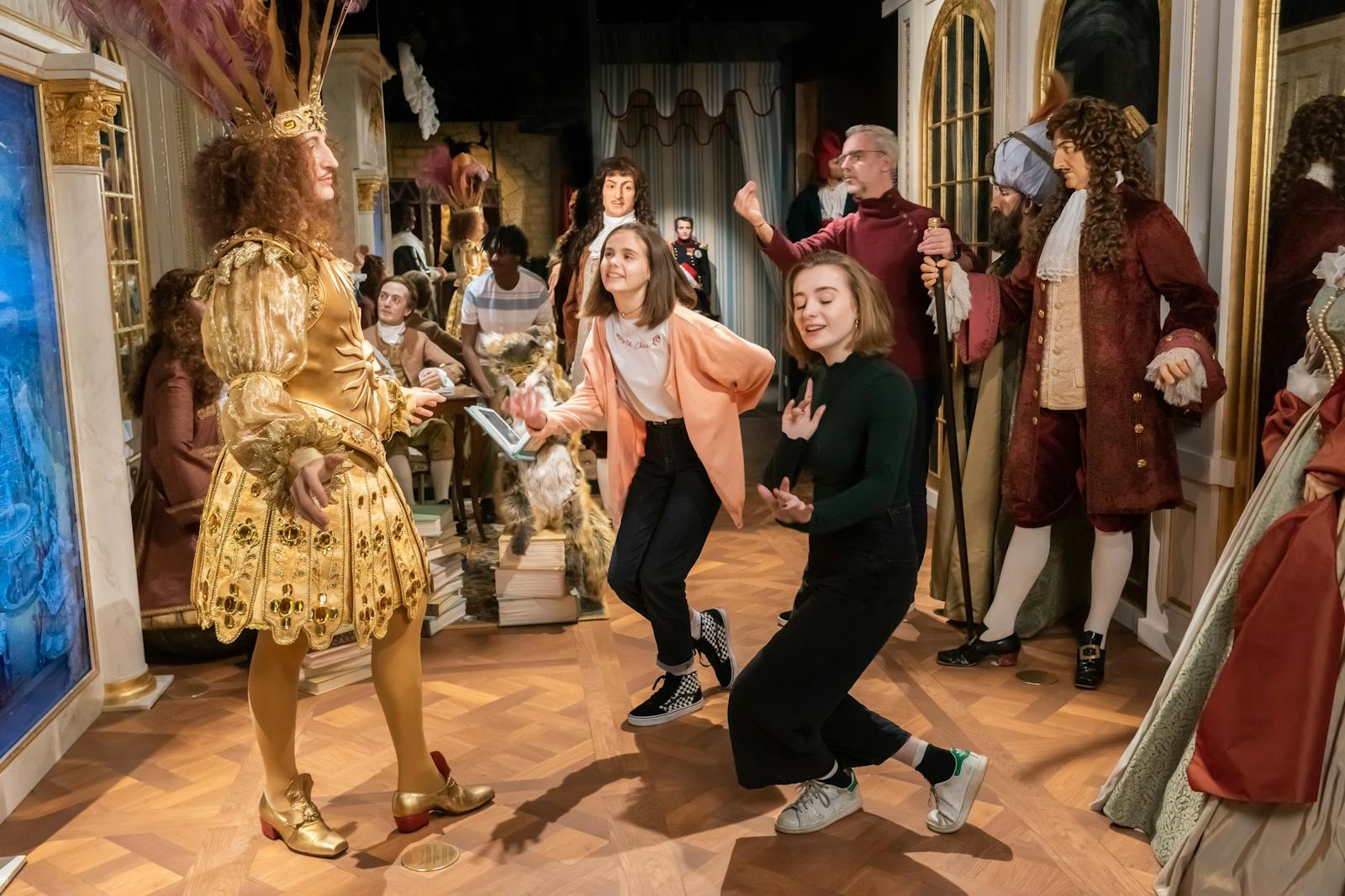
Located at 10 boulevard Montmartre in the 9th arrondissement, the museum has retained its original architecture, notably the baroque sets of the Dome Room and the Column Room, dating from 1882. These spaces, adorned with stucco and moldings, create a sumptuous and authentic atmosphere. The Dome Room and the Column Room are iconic locations, recognized for their period decor and exceptional acoustics, often used for cultural events.
Since its creation, the museum evolves regularly: new personalities make their entrance, while others are removed to make way for new themes. This dynamism guarantees a constantly renewed experience, blending past and present. More than 200 wax figures are on display, and each year, the museum reinvents its exhibitions with themes like global current events or contemporary arts, attracting visitors of all ages.
What to see at the Grévin Museum
The experience begins with historical reconstructions: Louis XVI captive in the Temple, Joan of Arc at the stake, or the scene of the assassination of Emperor Julius Caesar. Each scene is meticulously reconstructed, offering an immersion into History. The captivity of Louis XVI and the stake of Joan of Arc are iconic reconstructions, realized with authentic sets and period costumes, for an emotional and educational experience.
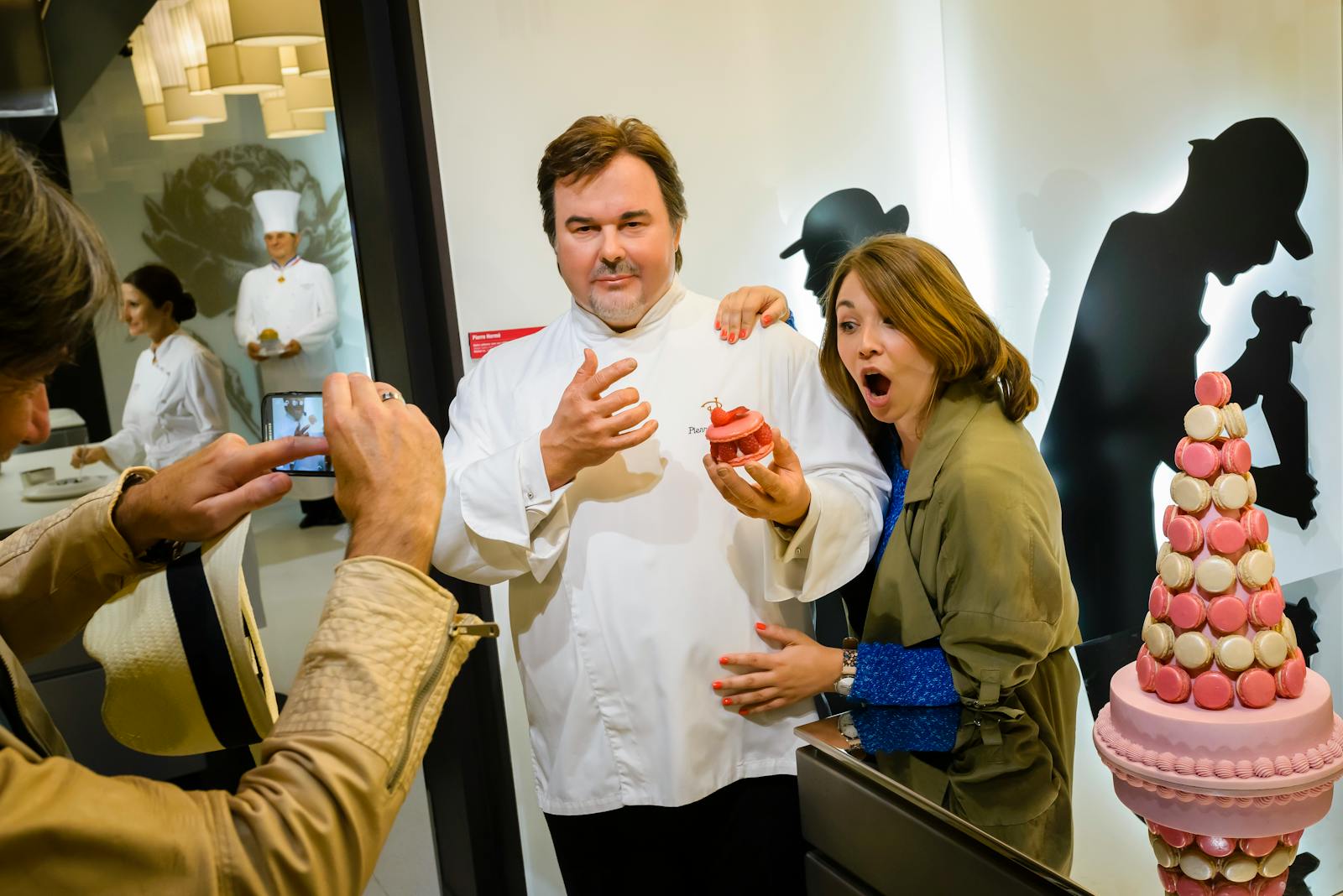
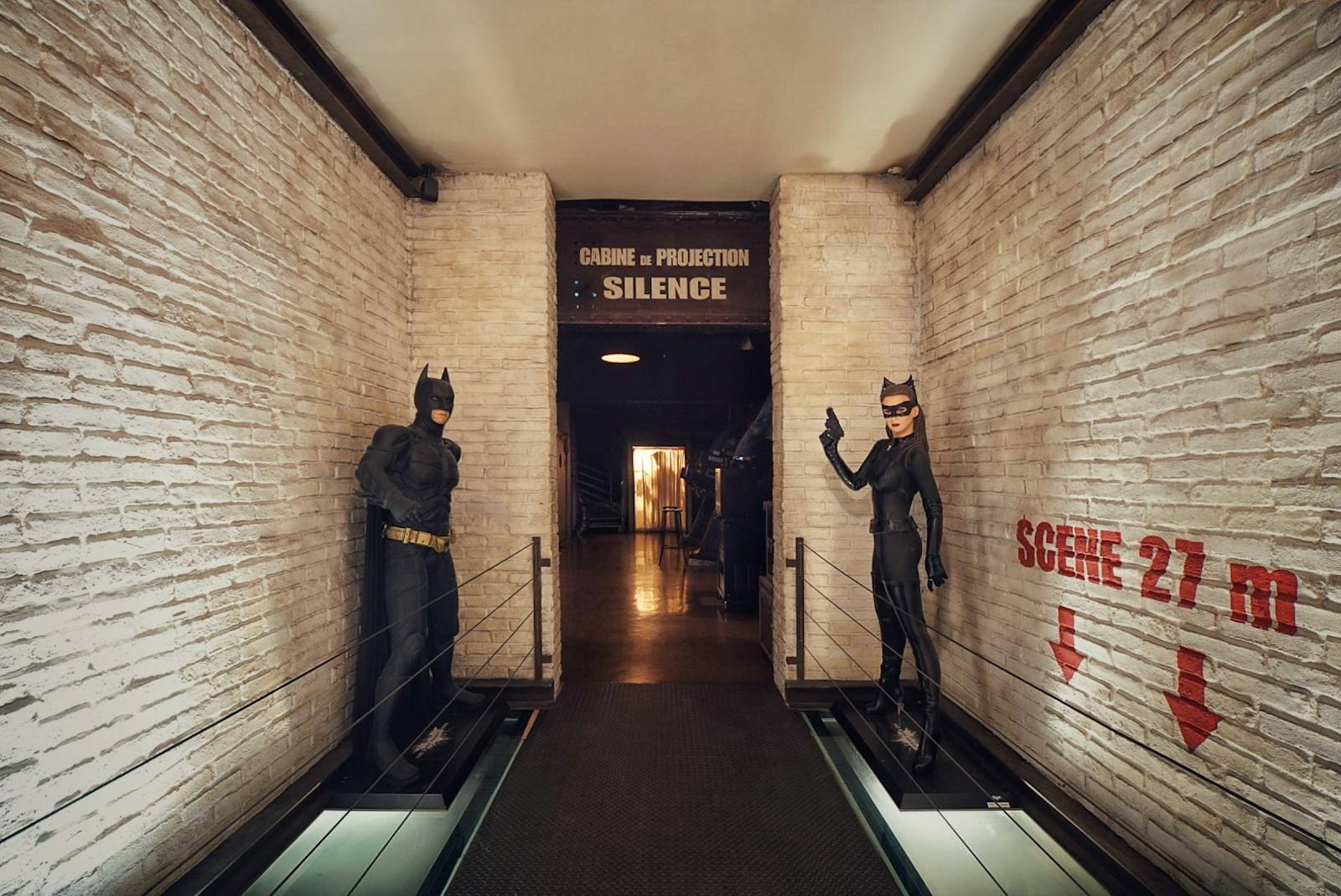
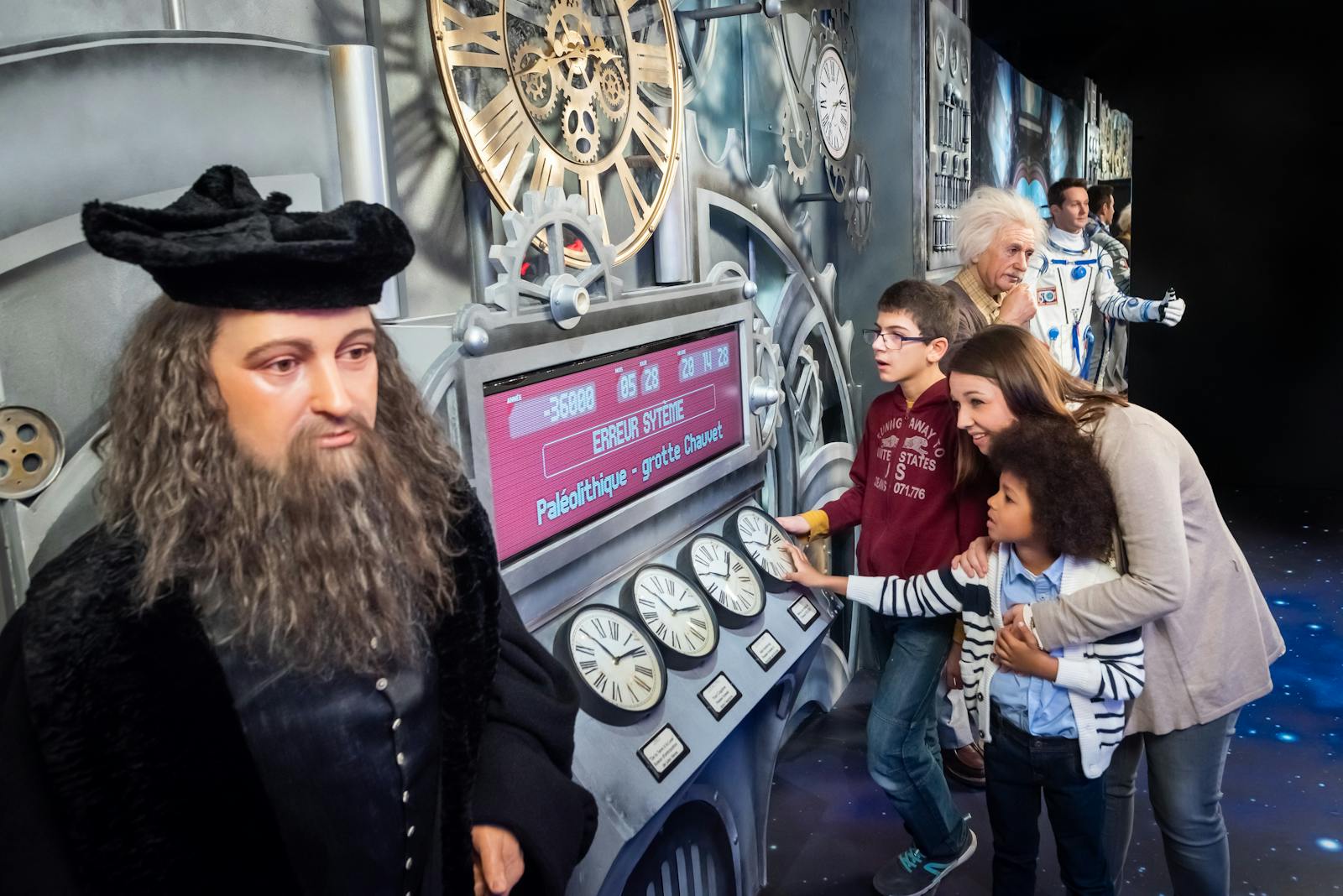
The wax statues are the heart of the museum: Albert Einstein, Michael Jackson, Alfred Hitchcock, Mahatma Gandhi, and many others are depicted with striking realism. The sets and costumes add to the authenticity, making every encounter unforgettable. The sculptures are crafted by specialized artisans and updated every year to reflect the evolution of personalities, such as the new looks of international stars.
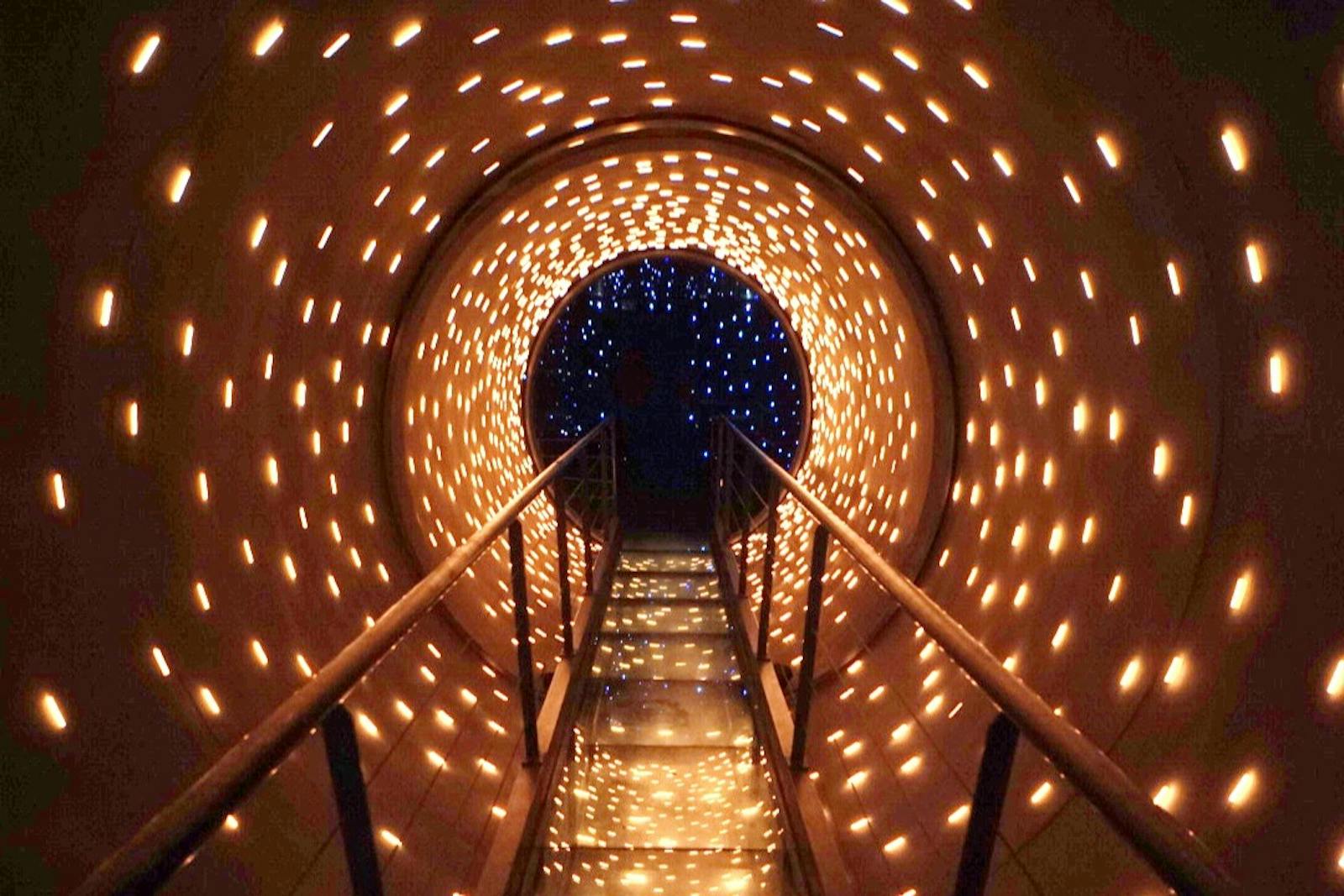
The Palais des Mirages is a must-see attraction, using optical illusions to create trompe-l'œil visual effects. It is an interactive space where visitors can have fun, pose for selfies, and discover the secrets of perspective. Created in 1908, this space was renovated in 2015 to incorporate modern technologies, offering a playful and educational experience for children and adults.
Visit with family or friends
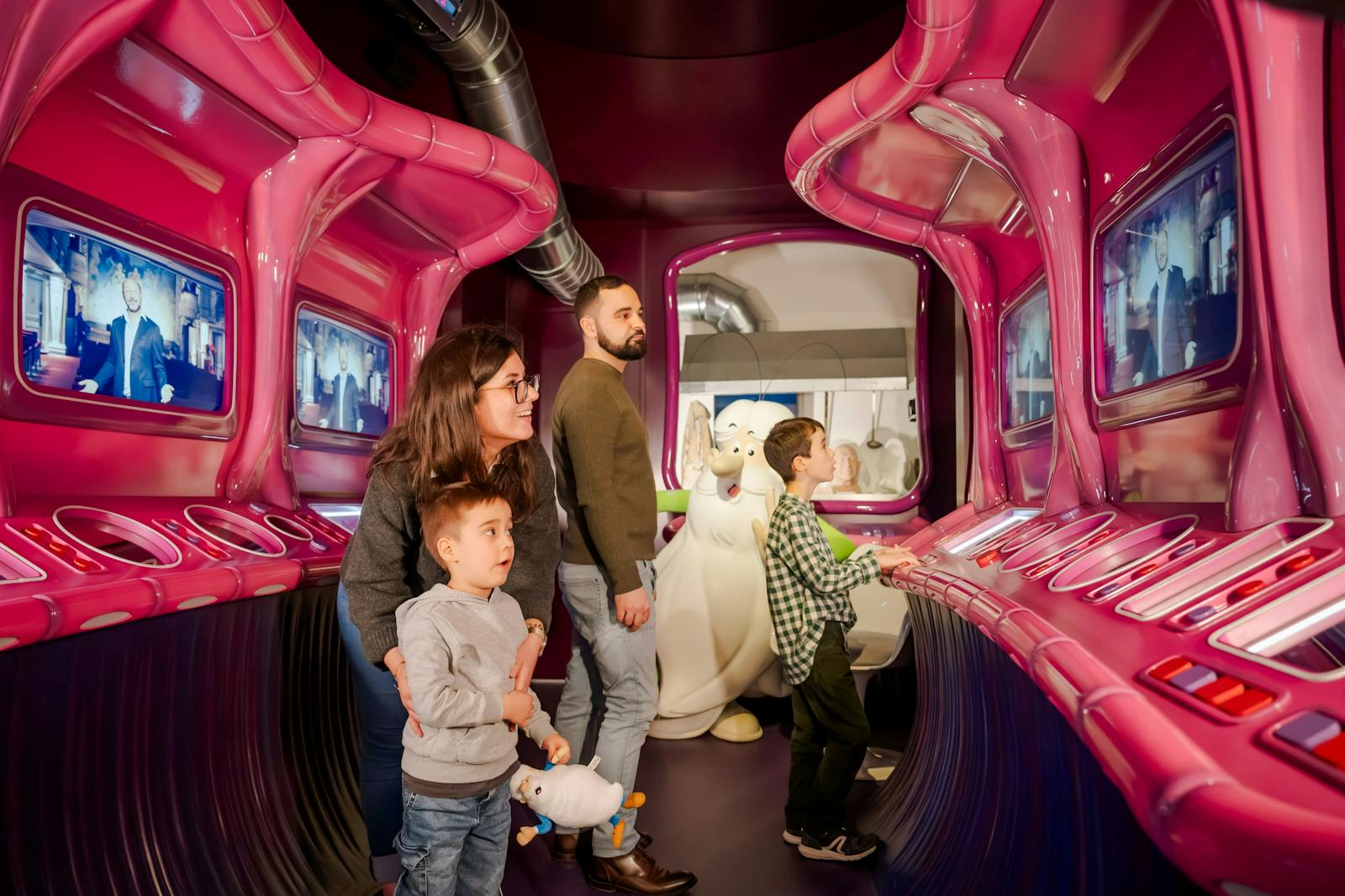
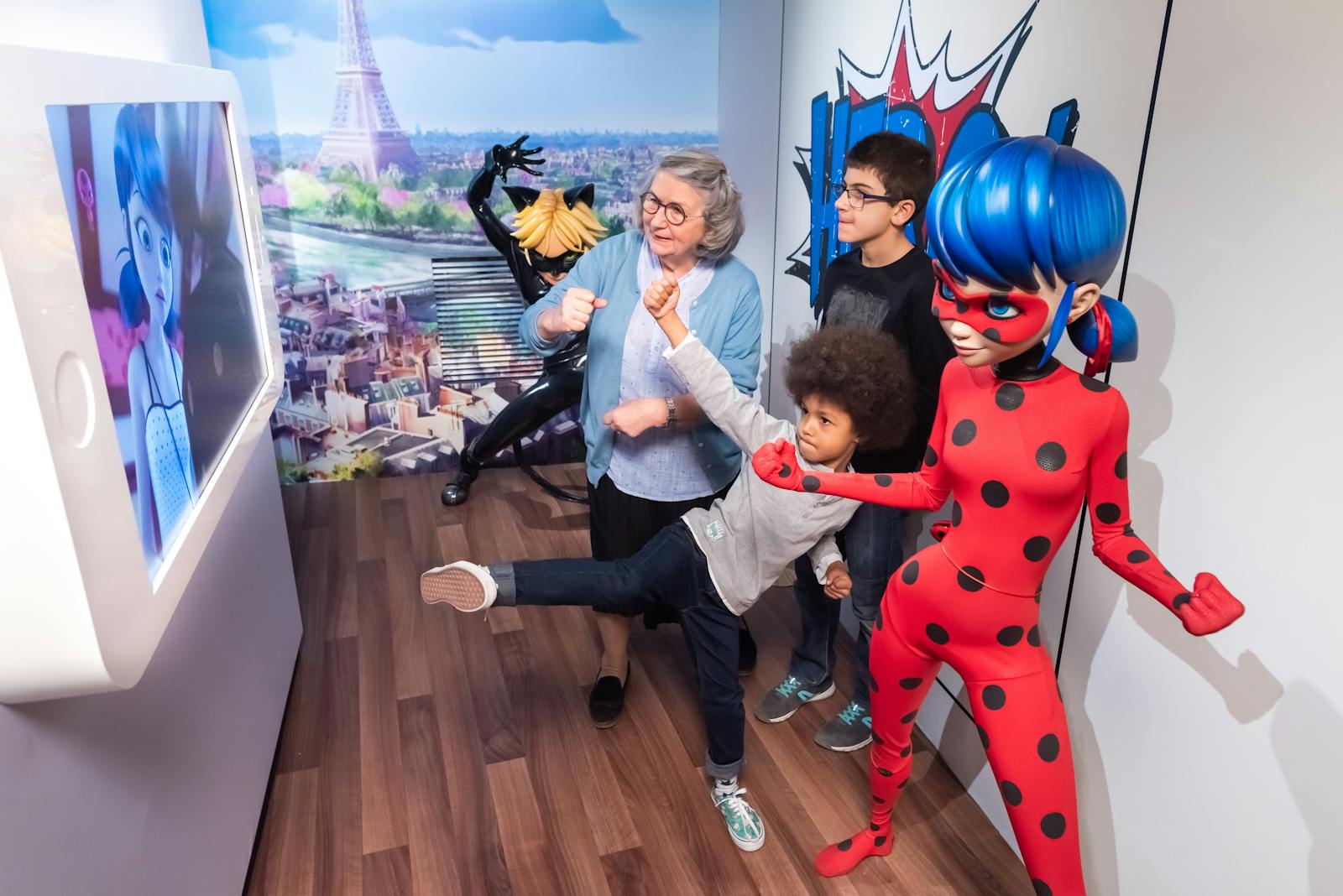
Musée Grévin is ideal for a family visit: children up to 18 years old are welcome, and Kids Days are organized with special activities. Booking is required at least 3 days in advance to enjoy these days. Kids Days include makeup workshops, treasure hunts, and dressing-up sessions, with themes like Ancient Egypt or the Middle Ages, for total immersion.
Adults will appreciate the baroque sets and the historical anecdotes told by the explanatory panels. The Théâtre Grévin sometimes hosts shows, adding an artistic dimension to the visit. Since 1882, the museum has managed to combine education and entertainment, with rooms like the Salle des Colonnes or the Salle de la Coupole, adorned with frescoes and period sculptures.
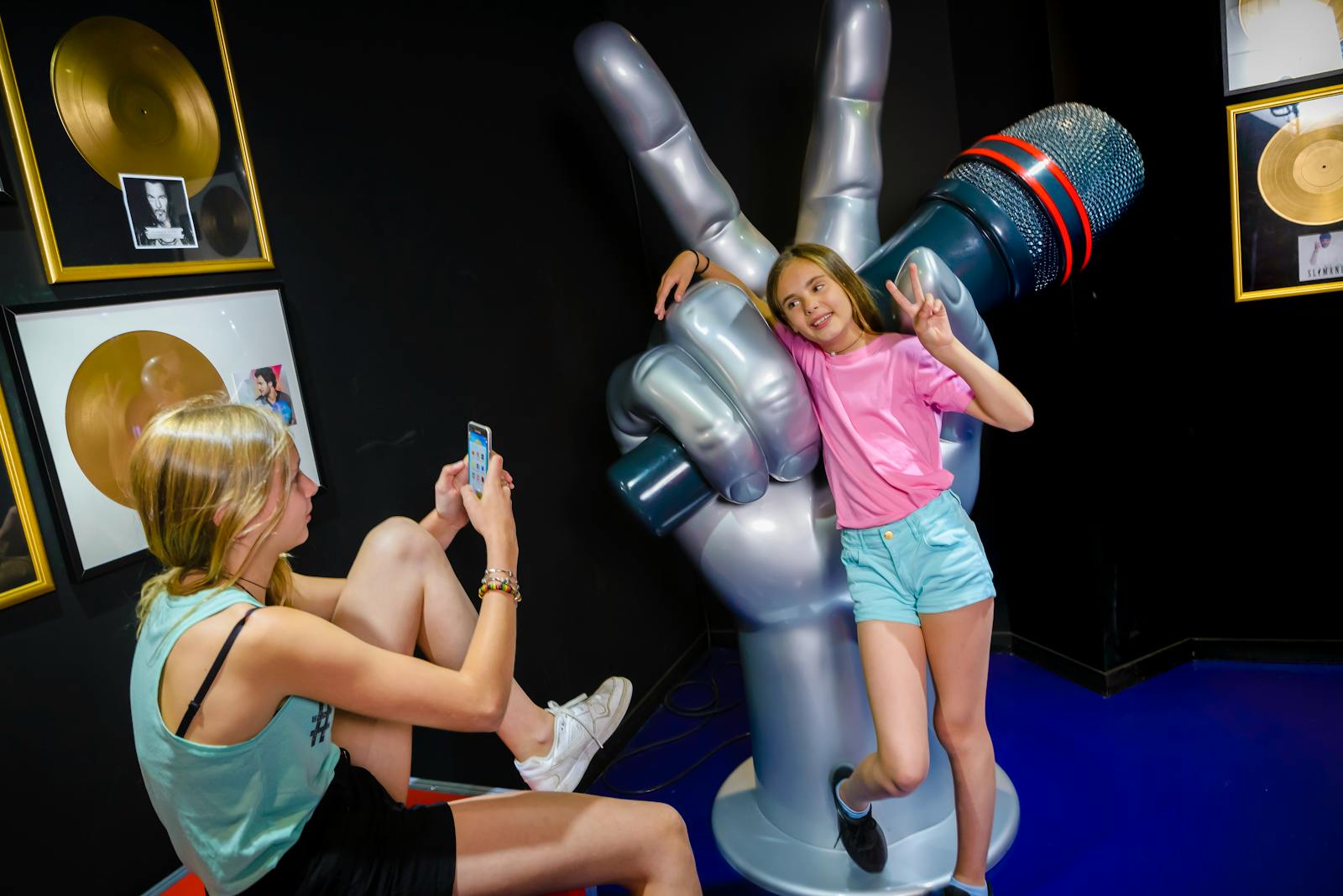
For photography enthusiasts, the Palais des Mirages and the Salle de la Coupole are ideal for selfies with the statues. Dedicated areas allow you to capture unforgettable moments without disturbing other visitors. Thanks to its optical illusions and grandiose sets, the Palais des Mirages offers a unique setting for artistic photos, while respecting the atmosphere of the museum.