History of the Marmottan Monet Museum
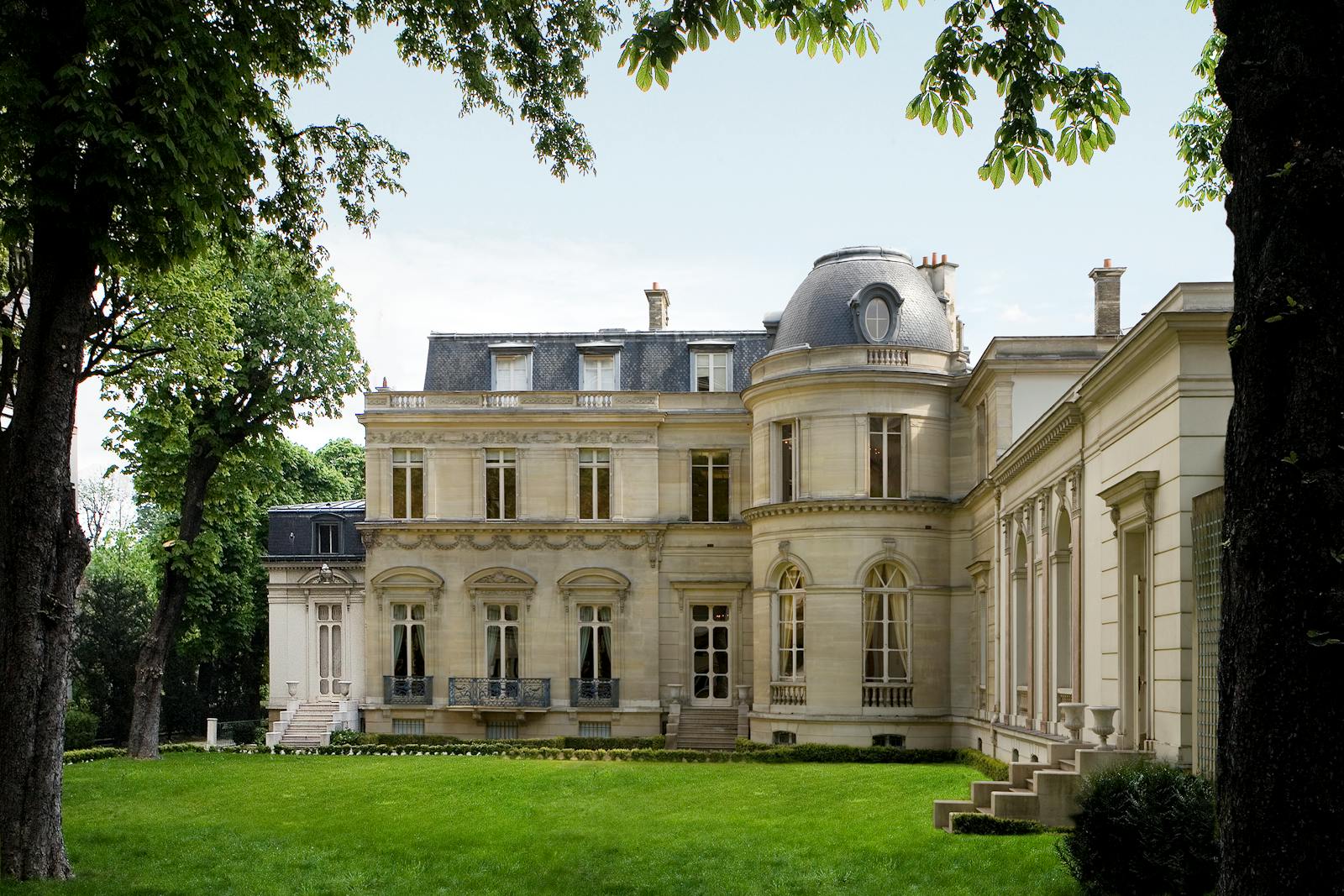
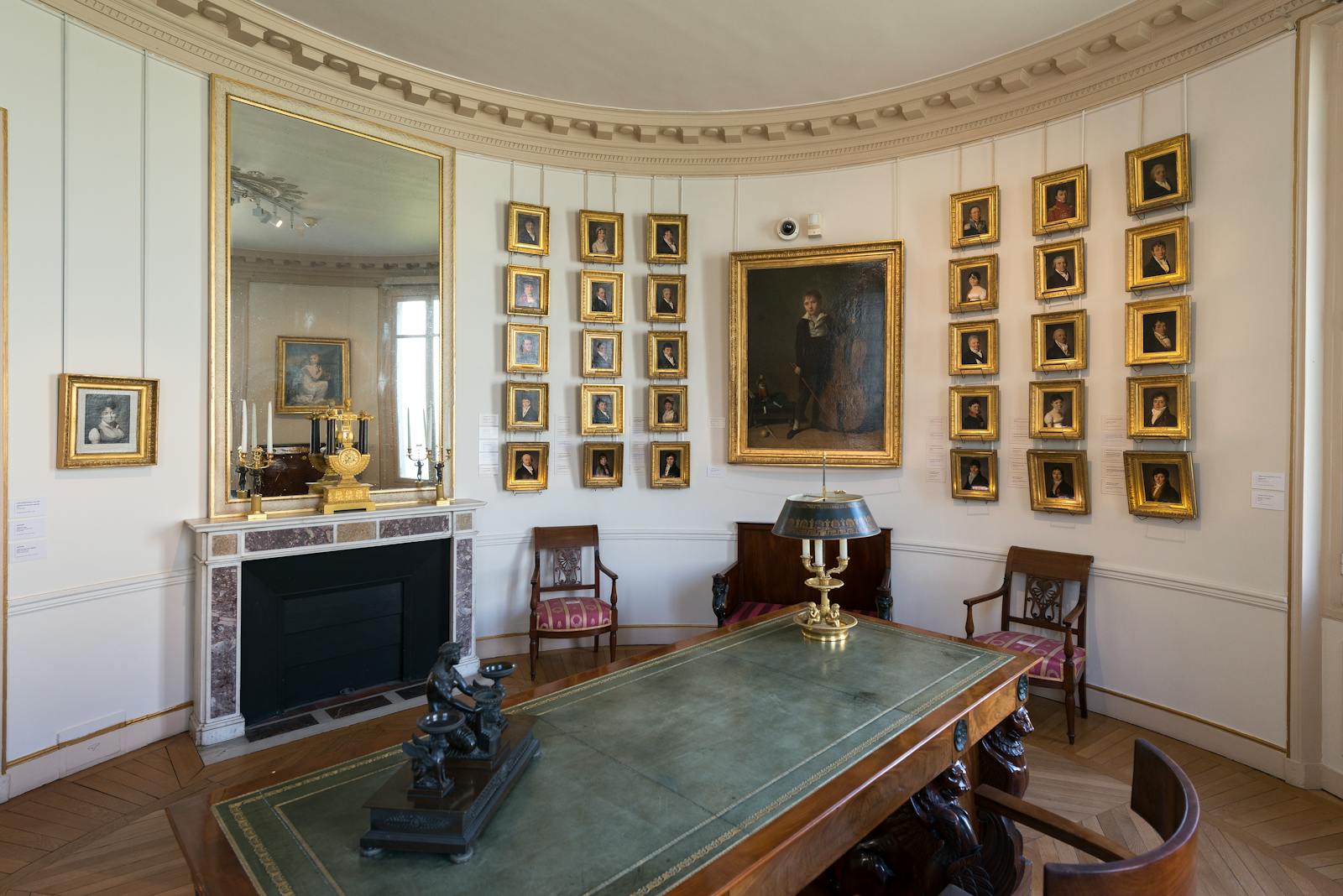
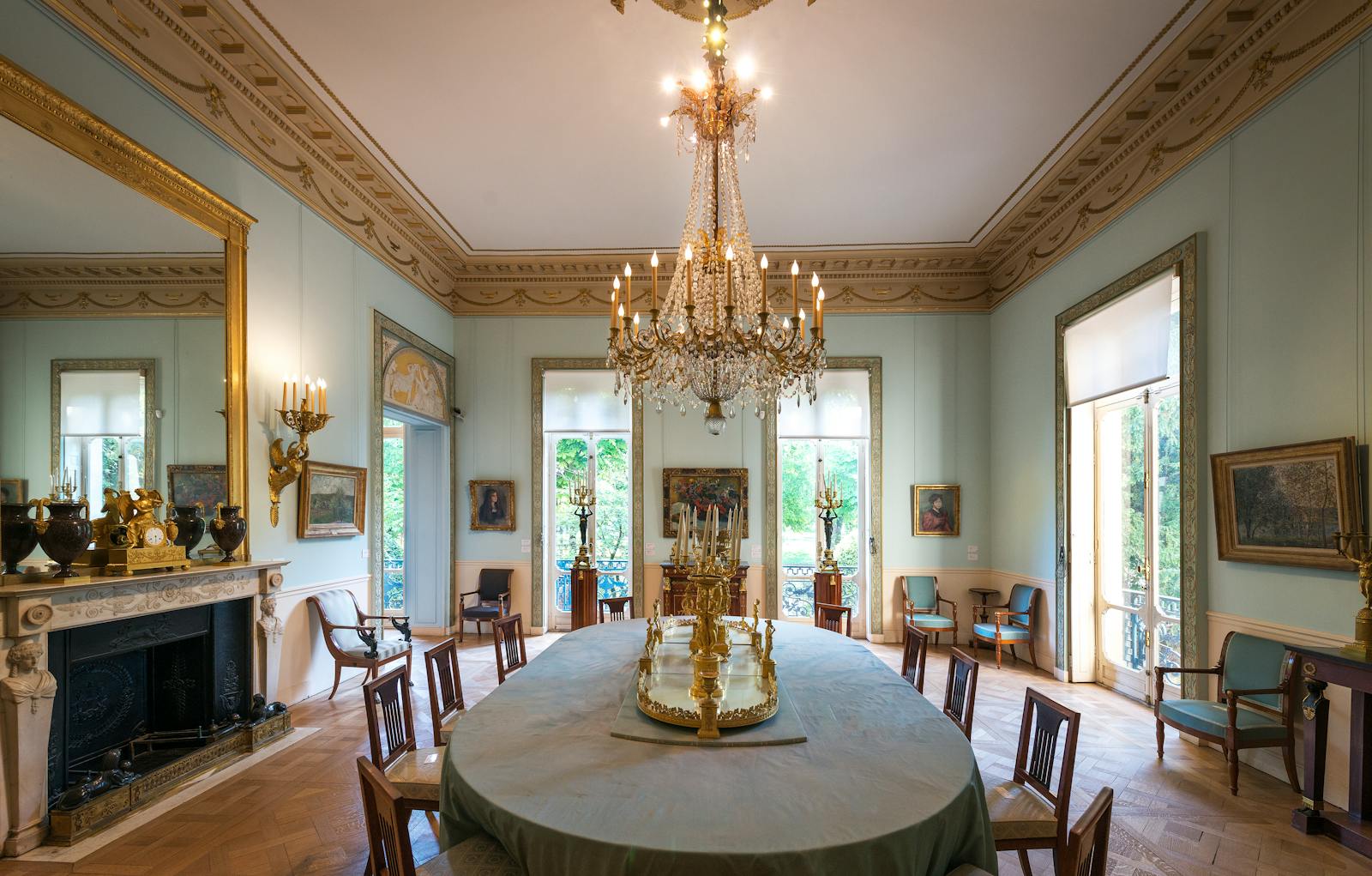
The building occupies a former hunting pavilion purchased in 1882 by Jules Marmottan and later converted into a private mansion. It was his son, Paul Marmottan, who arranged his private collections from the First Empire there. After his death, the donation to the Académie des Beaux-Arts enabled the creation of the museum in 1934.
The site's growth relies on the 1966 bequest, when Michel Monet transferred 89 paintings by his father. This donation led to the construction of an immersive room inaugurated in 1970, inspired by the decorations at the Orangerie. In 1957, Victorine Donop de Monchy had already donated eleven paintings, including the one that named the movement.
In 1993, the Berthe Morisot bequest made the museum the custodian of the first global collection of this artist. These successive additions have consolidated its reputation as the absolute reference for Parisian Impressionism, far from the crowds of other major tourist sites.
What to see at the Marmottan Monet Museum
The Water Lilies room is the beating heart of the visit, featuring major canvases from the artist's final years. It is often the most crowded, so it is advisable to see it early in your route. The period frames deserve special attention to understand the complete visual experience.
Beyond Monet, you will encounter works by Berthe Morisot, essential for grasping the feminine dimension of Impressionism. The collection also includes pieces by Renoir, Manet and Degas. Each historical note enriches the understanding of the artistic context of the era.
Always check temporary exhibitions before your visit, as they may alter the indoor itinerary. Certain works are sometimes on loan or exhibited elsewhere, such as at the Orangerie. Remember to consult the current collection so you do not miss the key pieces present during your stay.
Practical Access and Visit Tips
Access is simple via the La Muette metro station (line 9) or the RER C stations Henri-Martin and Boulainvilliers. The museum is close to the Ranelagh Garden, ideal for extending your stroll. A Marmottan ticket does not grant access to the Musée d'Orsay; they are two distinct institutions.
Allow between 1h30 and 2 hours to fully enjoy the permanent and temporary collections. Thursday late openings offer a subdued atmosphere appreciated by enthusiasts. Check specific Monday hours on the official website, as they vary depending on exhibitions.