News
Musée Marmottan Monet: Thursday Late-Night Openings Until 9 PM
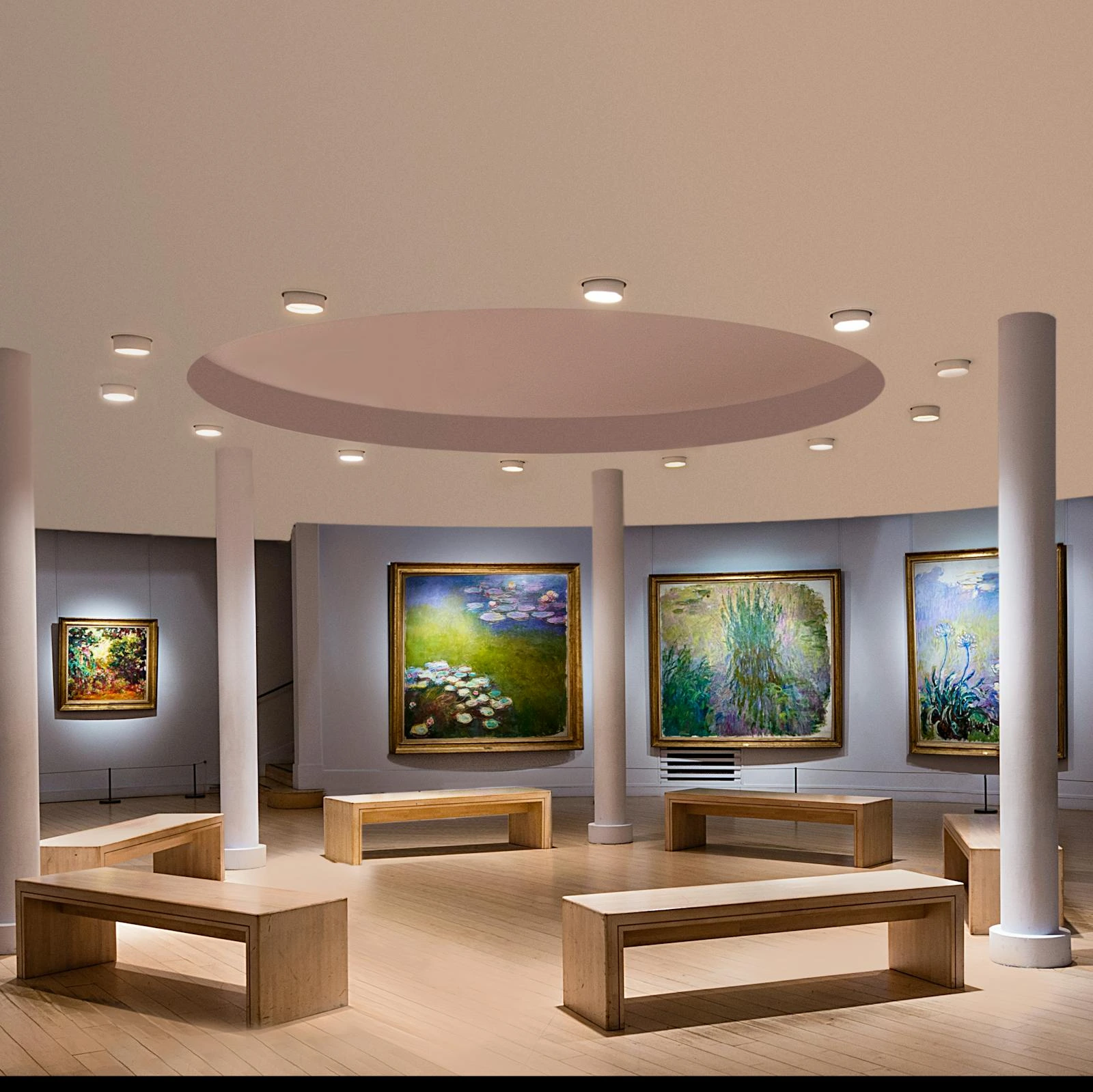
Nestled at 2 rue Louis-Boilly in Paris within Paul Marmottan's former private mansion, the Musée Marmottan Monet showcases its exceptional permanent collections and its autumn exhibition program, highlighted by Thursday late-night openings.
An Evening Immersion in the Collections of Claude Monet and Berthe Morisot
In the capital's 16th arrondissement, the Musée Marmottan Monet offers ongoing opportunities to discover major masterpieces of art history with adapted visiting hours, including late-night openings every Thursday until 9 PM, with final admission at 8 PM. Located at 2 rue Louis-Boilly and open Tuesday through Sunday from 10 AM to 6 PM, the institution invites visitors to explore its permanent galleries in a distinctive architectural setting. The building, a magnificent private mansion formerly owned by Paul Marmottan featuring a meticulously preserved Empire decor, houses premier art collections ranging from the early eras to the late 19th century.
The museum serves as a true sanctuary for enthusiasts of modern painting, holding the world's leading collection of works by Claude Monet. This unmatched collection brings together more than one hundred masterpieces handed down over time by the painter's family and close friends. Among these invaluable canvases is the iconic Impression, Sunrise painted in 1872, the foundational work of the Impressionist movement, alongside major pieces such as Rouen Cathedral, the Portal, Morning Fog (1892), Train in the Snow. The Locomotive (1875), and a Water Lilies composition dating from 1903. The selection provides a panoramic overview of the painter's artistic journey, from his motifs in Argenteuil to the garden at Giverny.
Alongside the central presence of Monet, the institution preserves the largest public collection in the world dedicated to Berthe Morisot, a pioneering figure of the Impressionist avant-garde. Bequeathed by her descendants, this holding gathers more than twenty-five paintings, complemented by remarkable watercolors and pastels. Visitors can admire intimate and pastoral scenes such as Eugène Manet on the Isle of Wight painted in 1875 or The Cherry Tree from 1891, illustrating the portraits and rural compositions in pastel tones characteristic of her oeuvre. The collection also includes the Portrait of Berthe Morisot Reclining painted by Édouard Manet in 1873.
Landscape Stories: Landscape Art from 1890 to 2026 on Display
The museum's schedule is highlighted by the joint opening, in partnership with the Musée de Grenoble, of a major exhibition entitled Landscape Stories. From Monet to Hockney (1890-2026). Presented in Paris from September 24, 2026, to January 31, 2027, before traveling to Grenoble from March 5 to July 4, 2027, this wide-ranging retrospective is curated by Pierre Wat, professor at Paris 1 Panthéon-Sorbonne University and director of the HiCSA Research Center. It invites audiences to reconsider the path of landscape painting from the late 19th century through contemporary creations.
This ambitious programming forms a direct part of the commemorations marking the centenary of Claude Monet's death in 1926. Through this comparative perspective, the project analyzes how the landscape genre endured and reinvented itself amid the ideological and historical upheavals of the 20th century, a period during which landscape remained a fundamental driving force in visual art. The exhibition places the Impressionist master's legacy in dialogue with 20th- and 21st-century artistic practices, drawing a direct lineage up to the explorations of David Hockney.
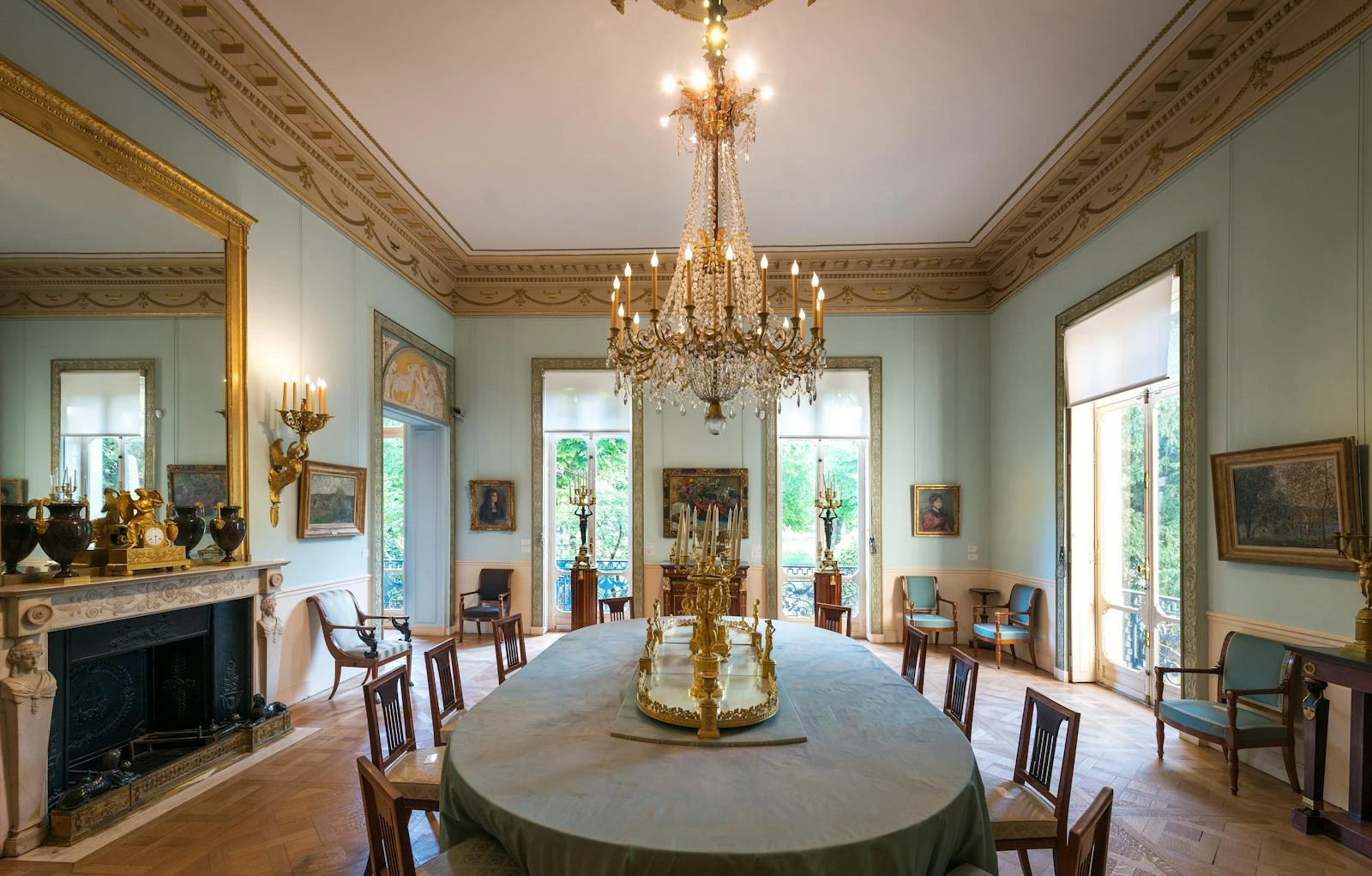
Unexpected Dialogues and a Journey Across Centuries in the Private Mansion
Alongside this retrospective, the museum hosts the 11th edition of its Unexpected Dialogues, titled MONET / SORIANO - MAPPING MOUNT KOLSÅS, also on view from September 24, 2026, to January 31, 2027. French-American artist Peter Soriano revisits Claude Monet's winter expedition to Norway in 1895. Unfurling a large wall drawing created specifically for the museum's galleries, Soriano intertwines cartographic land surveys with contemporary reflections on the vulnerability of Scandinavian environments, entering into direct conversation with the snowy vistas immortalized by Monet.
The tour also spans a broad artistic chronology across the Marmottan salons and the Claude Monet room. The permanent collections house early period works including sculptures, paintings, and illuminated manuscripts, exemplified by the panel Saint Michael Slaying the Dragon by the Master of Solomon Wildenstein or a 1536 Descent from the Cross attributed to Hans Muelich. The Neoclassical and Empire periods are notably represented by Little Girl Eating Cherries (1817) by Jeanne-Élisabeth Chaudet, Family Portrait (1798) by Jacques Augustin Catherine Pajou, Portrait of the Duchess of Feltre and Her Children (1810) by François Xavier Fabre, and the sculpture Cupid and Psyche attributed to Giovanni Maria Benzoni.
This historical journey is further enriched by works from numerous celebrated figures of modernity: Eugène Delacroix, Eugène Boudin, Edgar Degas, Gustave Caillebotte represented notably by Paris Street; Rainy Day (1877), Alfred Sisley, Camille Pissarro, Paul Gauguin with his Bouquet of Flowers from 1897, and Auguste Rodin, while Marc Chagall illustrates the modern era. All of these heritage and exhibition spaces remain accessible during public visits and can also accommodate private events for receptions or exclusive breakfasts.
Sources: marmottan.fr