History of Castel Nuovo
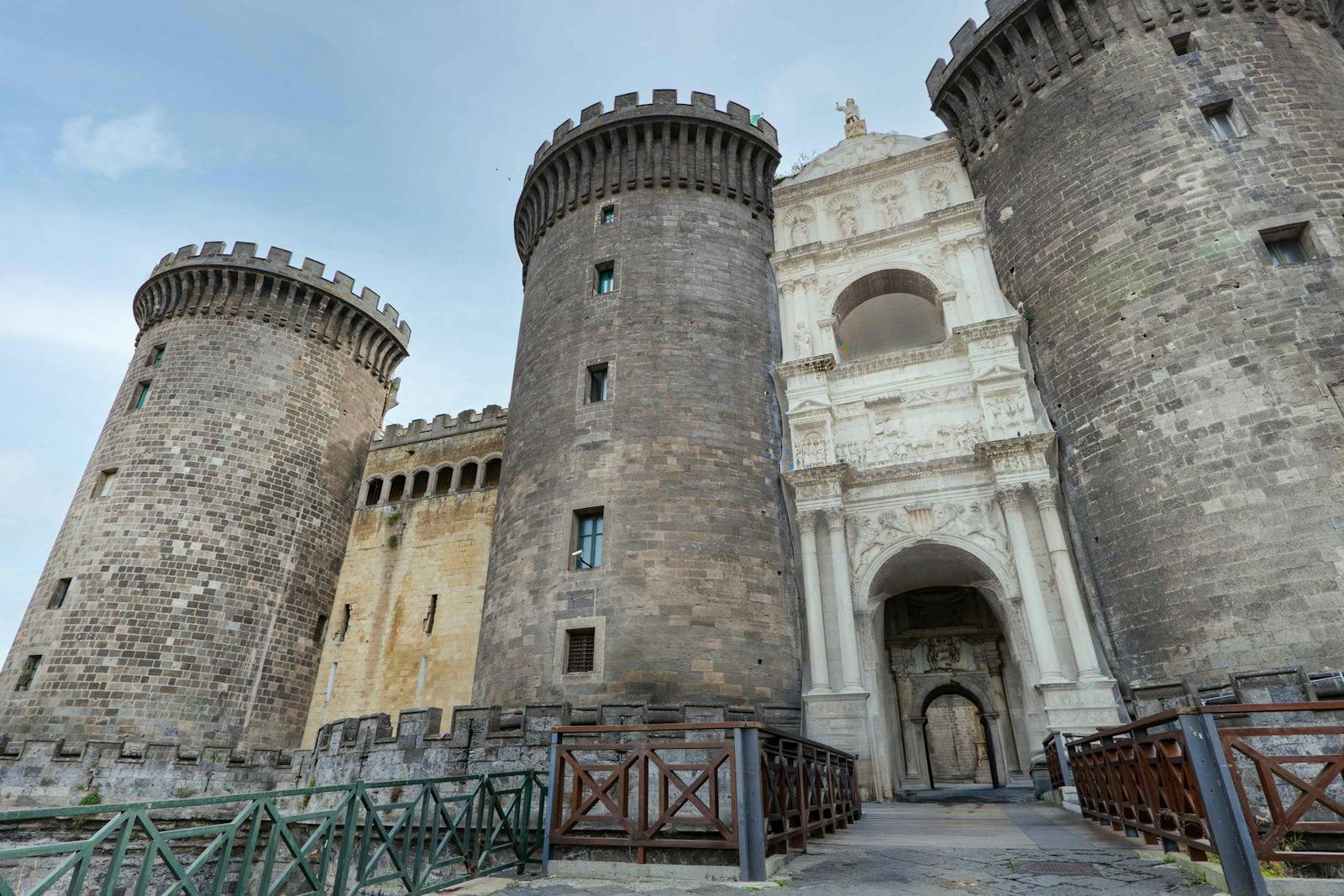
Built starting from 1279 by Charles I of Anjou, the castle was designed to impose Angevin dominance over Naples. Its local name, Maschio Angioino, refers to its massive and masculine structure, typical of the Gothic military architecture of the time. It replaced Castel Capuano, which was too far from the port for effective defense.
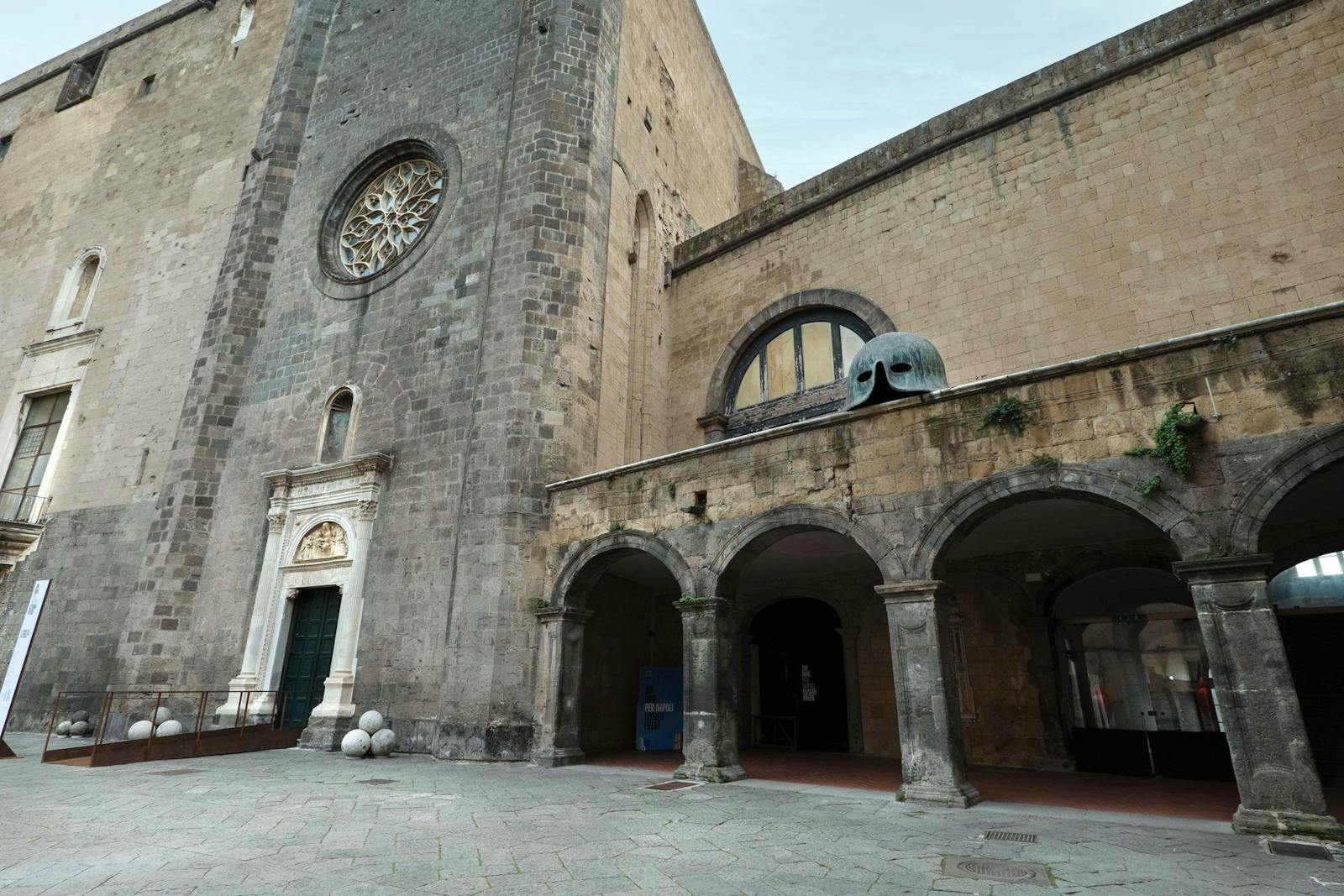
Under the Aragonese dynasty in the 15th century, the castle underwent a major transformation. The original square towers were replaced by circular towers to better withstand cannonballs. This defensive innovation allowed the Maschio Angioino to remain an impregnable fortress against the new military technologies of the time.
On December 13, 1294, a major historical event took place here: the resignation of Pope Celestine V. This act, rare in the history of the Church, took place in the castle's halls, definitively marking the site as a place of crucial political decisions for the Kingdom of Naples.
What to see at Castel Nuovo
The entrance is marked by the Triumphal Arch by Francesco Laurana, sculpted in 1442 to celebrate the entry of Alfonso V of Aragon. This bronze work is one of the few examples of monumental sculpture from the Italian Renaissance. It welcomes visitors with a majesty that contrasts with the military rigidity of the surrounding ramparts.
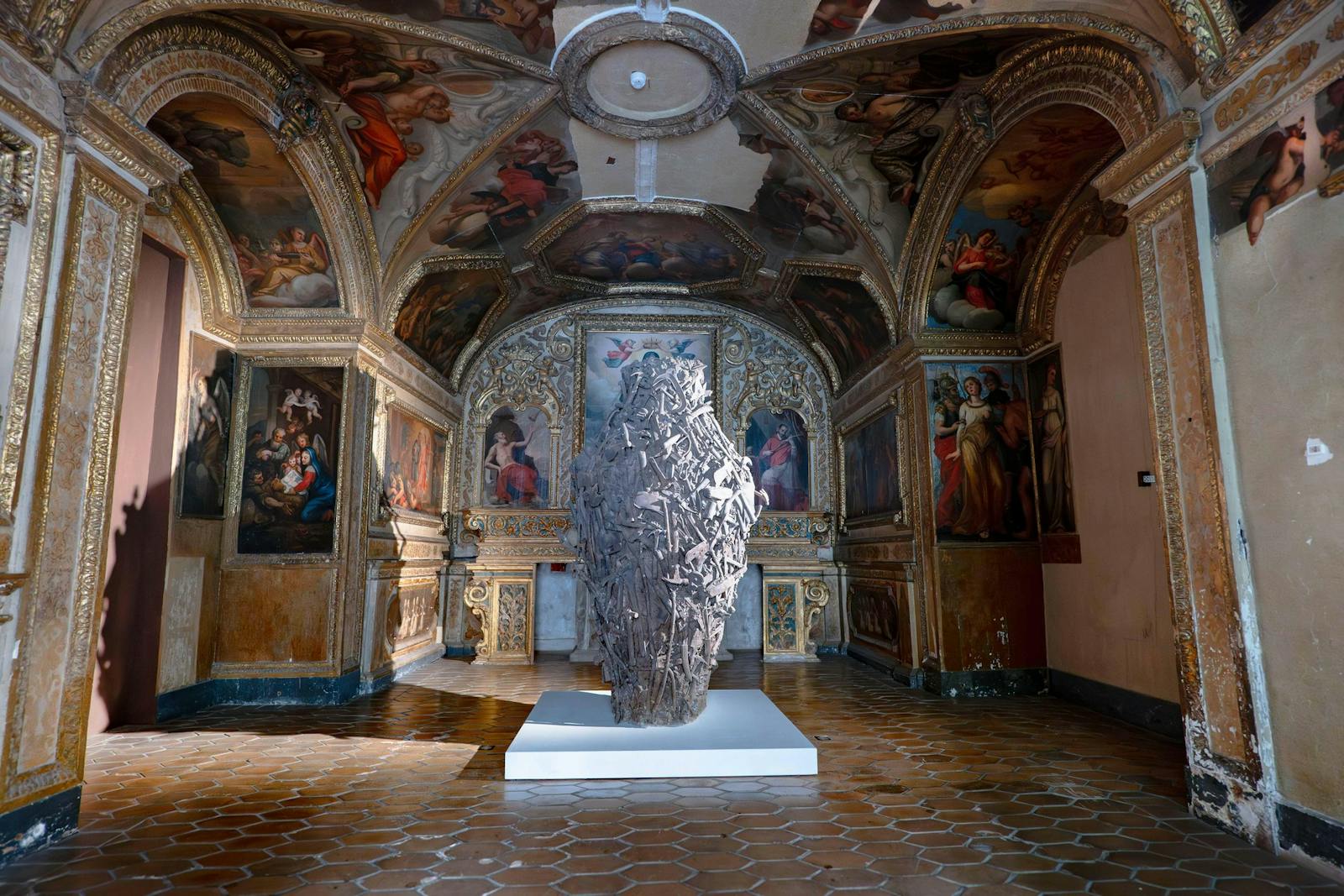
At the heart of the castle, the Room of the Barons houses a dark history. In 1486, Ferdinand I of Aragon trapped and arrested rebel barons during a ceremony. This conspiracy gave the room its name. The original frescoes by Giotto di Bondone, created around 1330, once decorated the walls, depicting ancient heroes to glorify the ruling dynasty.
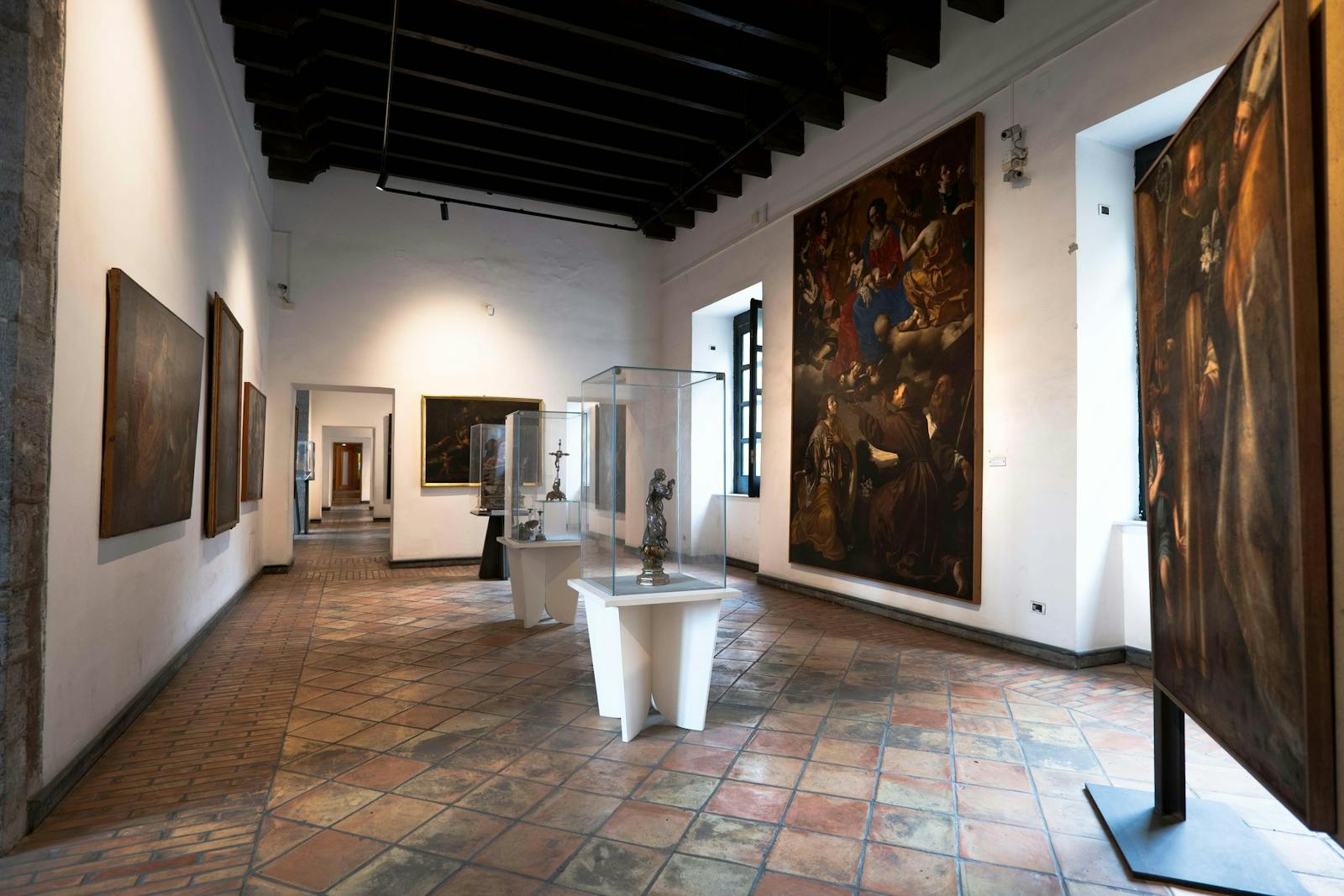
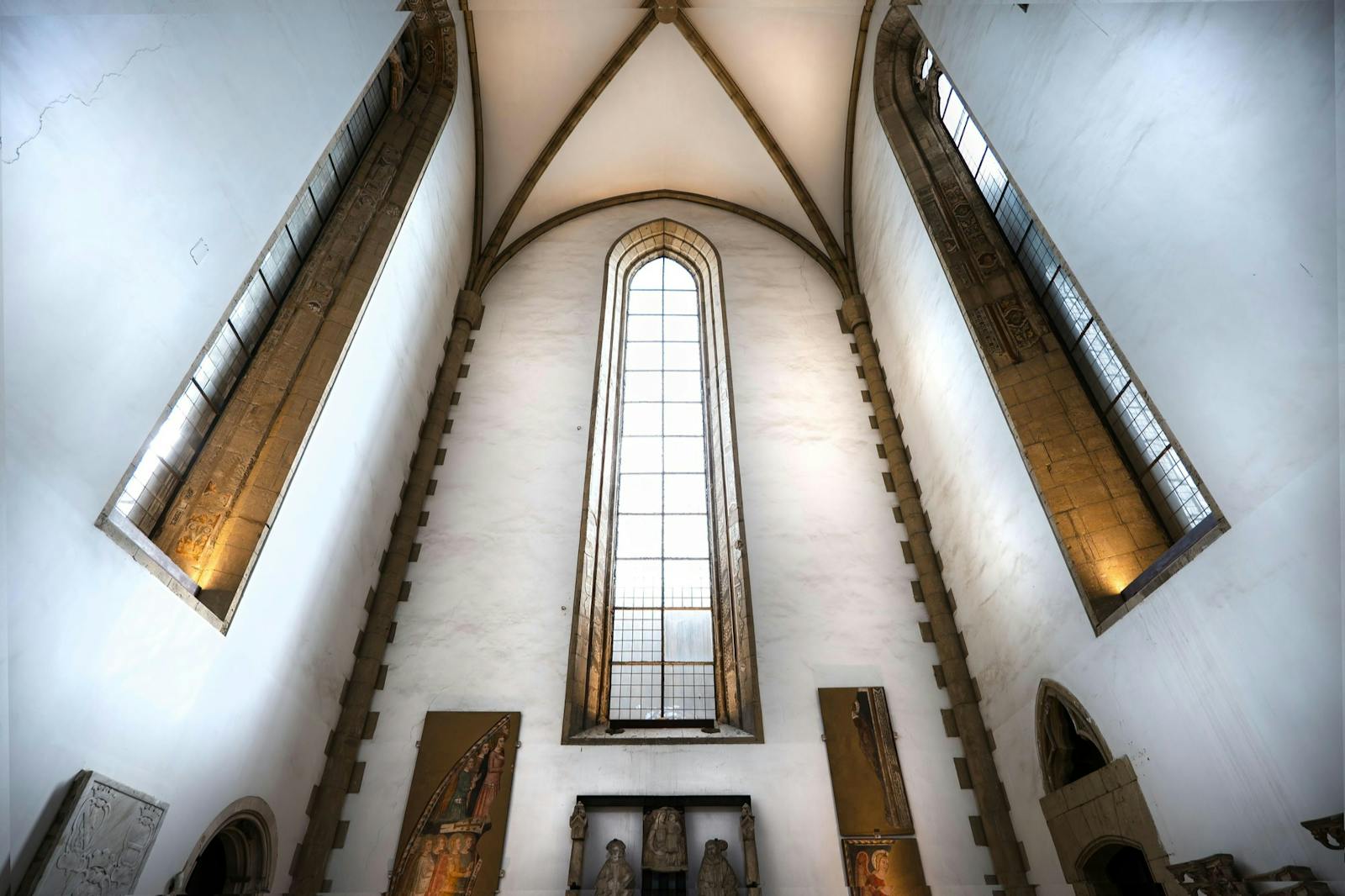
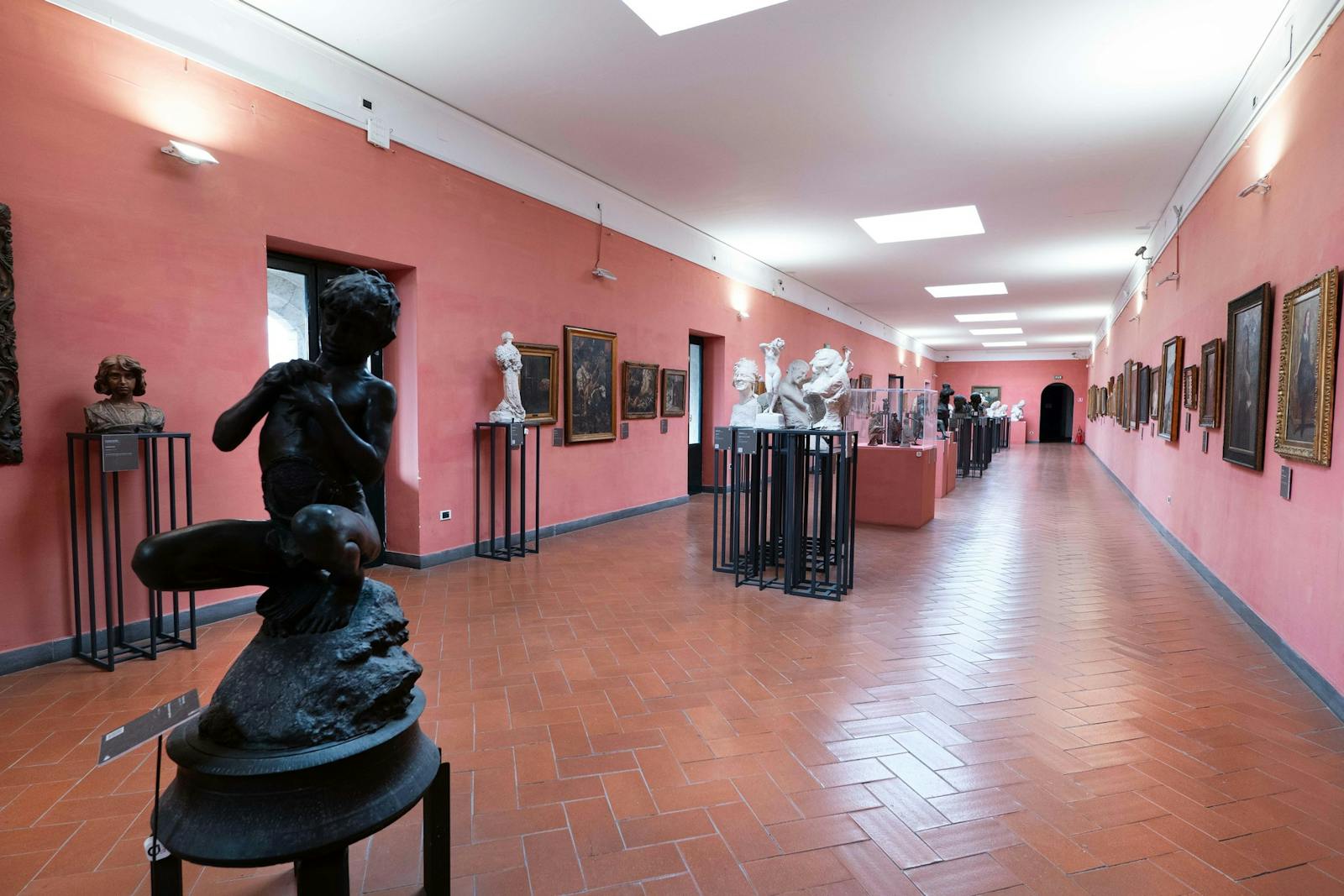
Today, the castle houses the Civic Museum, which exhibits works from the 16th to the 19th century. Visitors can admire religious paintings and sculptures that testify to the evolution of Neapolitan art. The collection completes the historical experience by linking military architecture to the city's cultural life. It notably features pieces from the Palatine Chapel and artifacts related to the Società Napoletana di Storia Patria, thus enriching the understanding of local heritage.
View and Accessibility
The terrace of Castel Nuovo offers an exceptional panoramic view of the Gulf of Naples and Vesuvius. It is the ideal spot to photograph the castle with the volcano in the background, especially in the late afternoon when the light is soft. You can also spot the Castel dell'Ovo on its rocky islet, completing the historical defensive system. This emblematic viewpoint allows you to grasp the strategic scope of the fortress facing the sea.
Located on Piazza Municipio, the castle is easily accessible from the port. The Alibus, shuttle from the airport, stops in immediate proximity. The site is adapted for people with reduced mobility thanks to elevators providing access to the upper floors and the terrace, ensuring a complete visit for everyone. This accessibility facilitates the discovery of the historical rooms, including the famous Room of the Barons.