History of the Flavian Amphitheatre
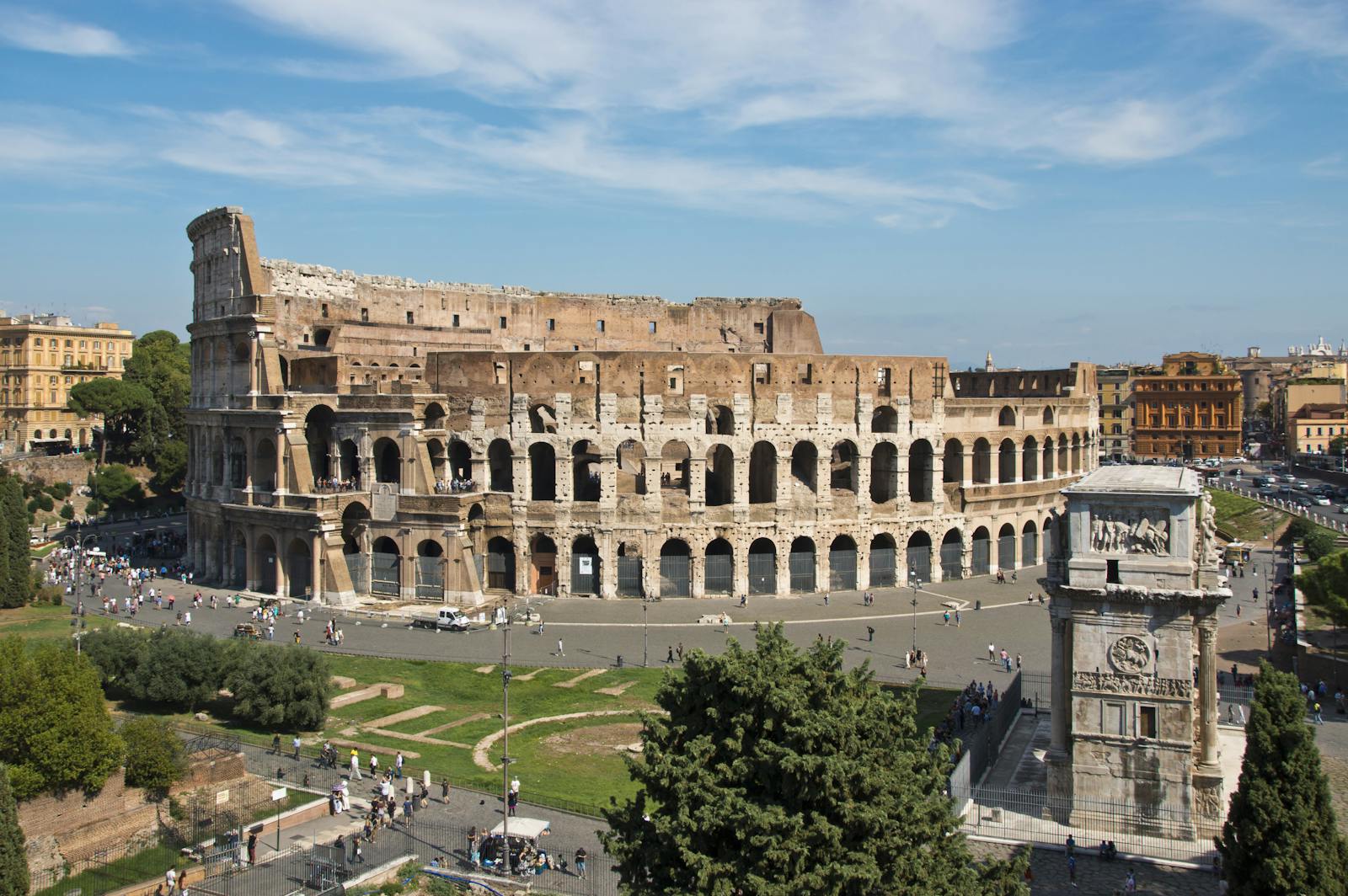
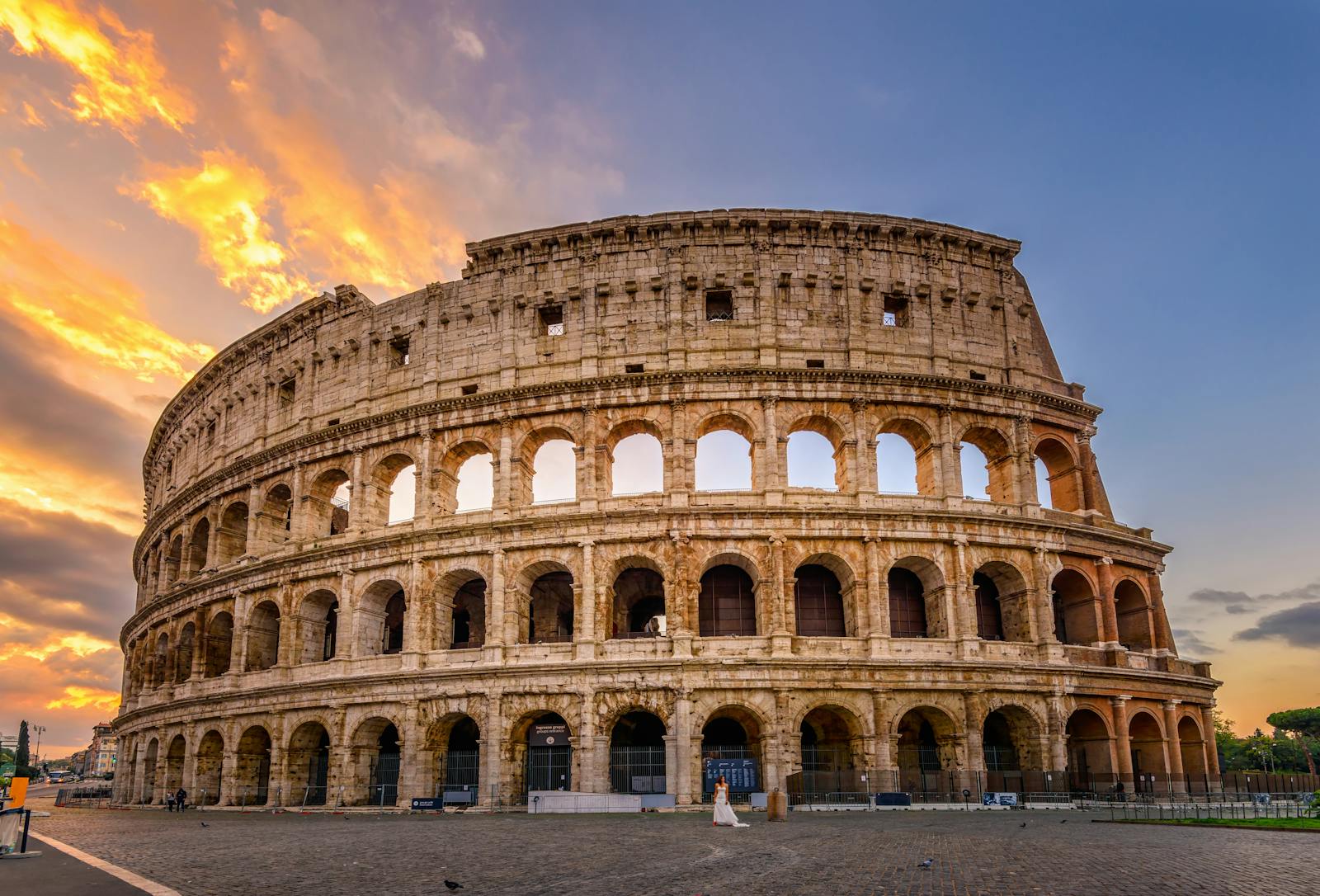
Construction of the Colosseum began under Emperor Vespasian around 70-72 AD, on land confiscated from Nero's palace. The goal was to return this space to the Roman people. The work was completed in 80 AD under his son Titus, marking the political triumph of the Flavian dynasty. Subsequent modifications under Domitian perfected the structure, notably the hypogeum, transforming the site into a complex and formidable spectacle machine.
In the Middle Ages, the monument lost its original function to become a fortress, then a quarry. Romans extracted marble and metals to build other structures, causing the ruins visible today. Despite earthquakes in 443 and 1349, the structure survived. It even served as a Catholic sanctuary, reminding us that the site remains spiritually active, notably during the Good Friday torch procession led by the Pope, linking the pagan past to Christian faith.
The name 'Colosseum' likely comes from the proximity of a colossal statue of Nero, although its official name is Flavian Amphitheatre, referencing the imperial Flavius family. This national symbol even appears on the Italian 5 euro cent coin, attesting to its emblematic status. From the inaugural naumachia to the medieval quarry, every stone tells a story of profound transformation in Roman society, marked by the ambition of Emperors Vespasian and Titus.
What to see: Arena, Hypogeum, and Tiers
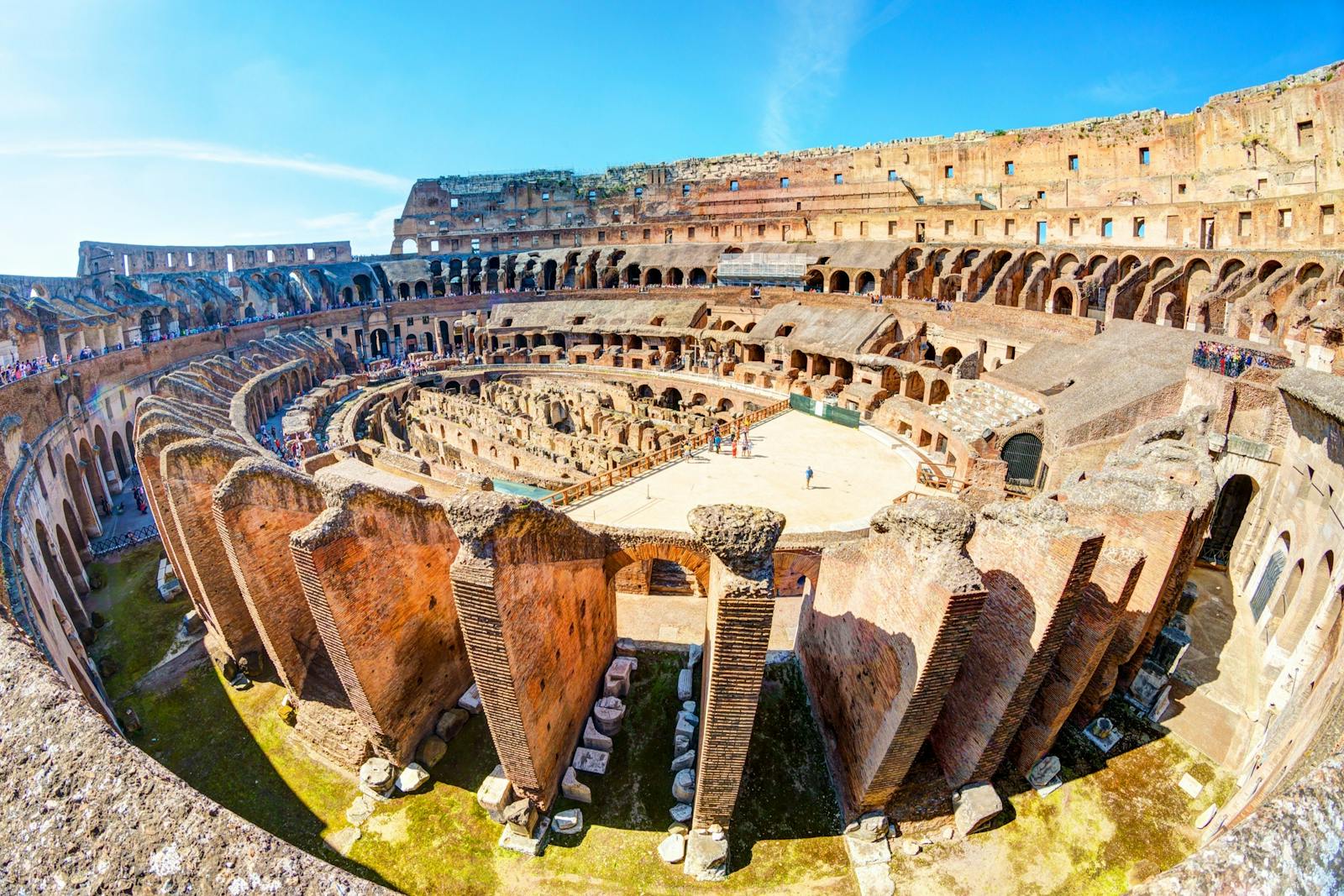
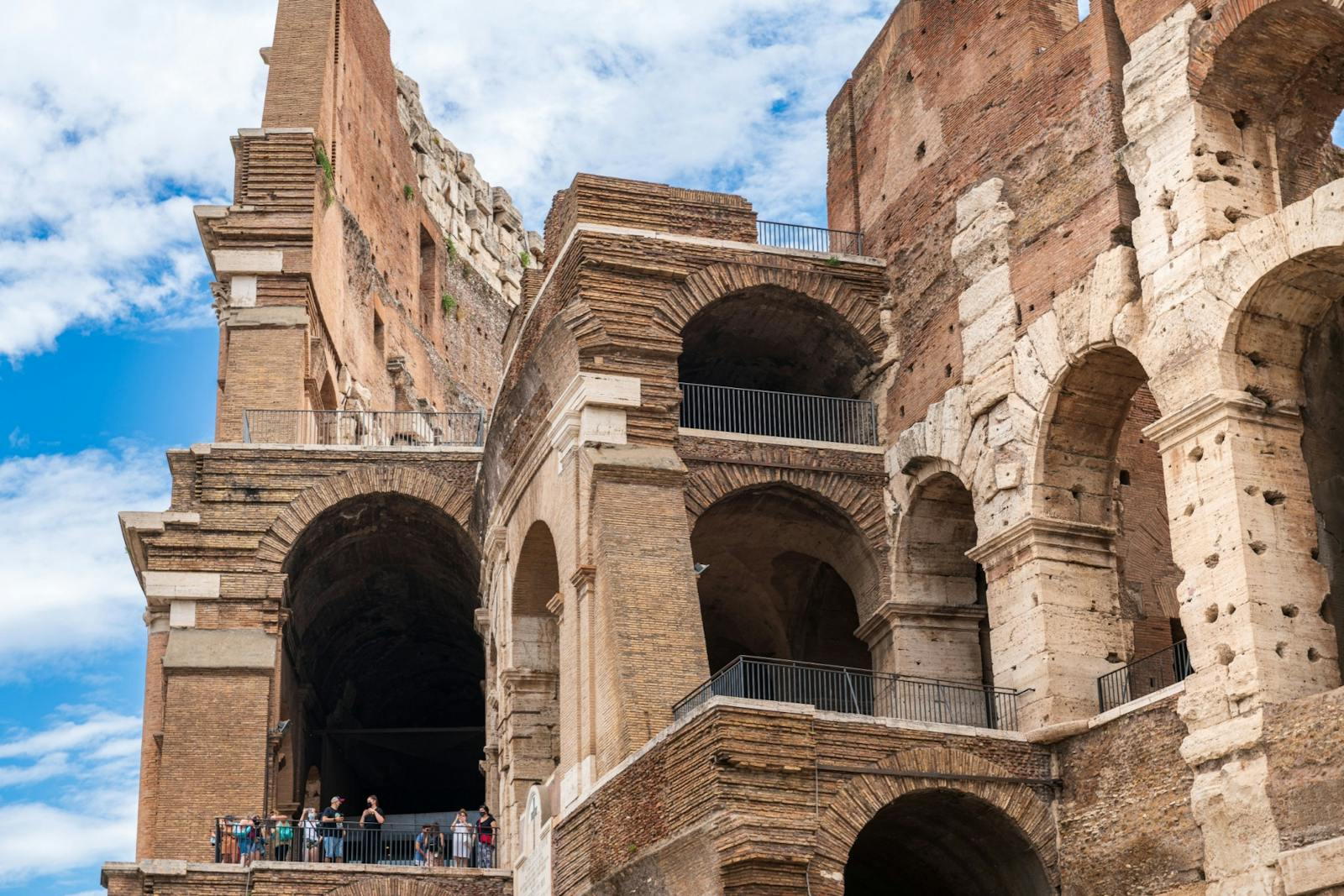
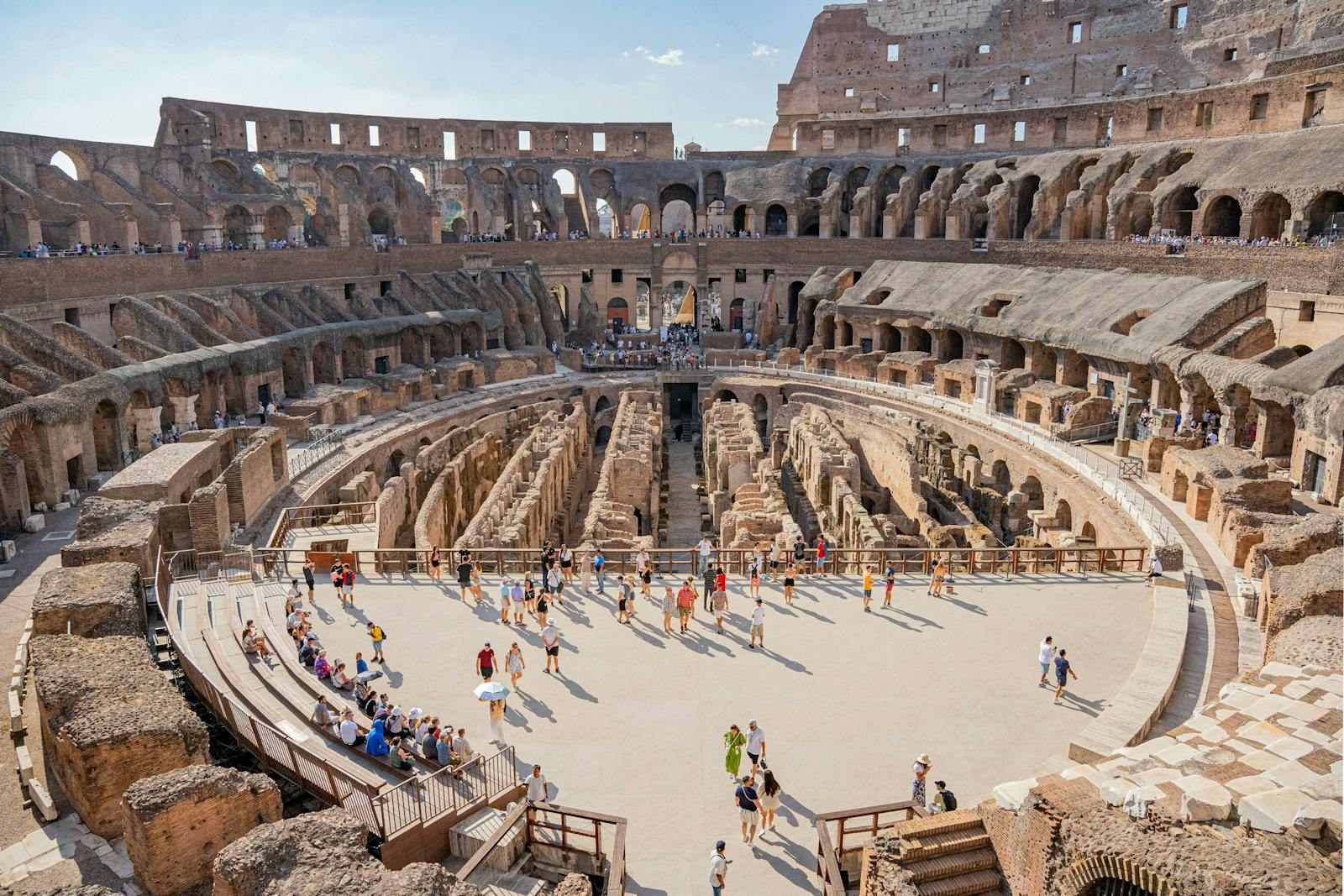
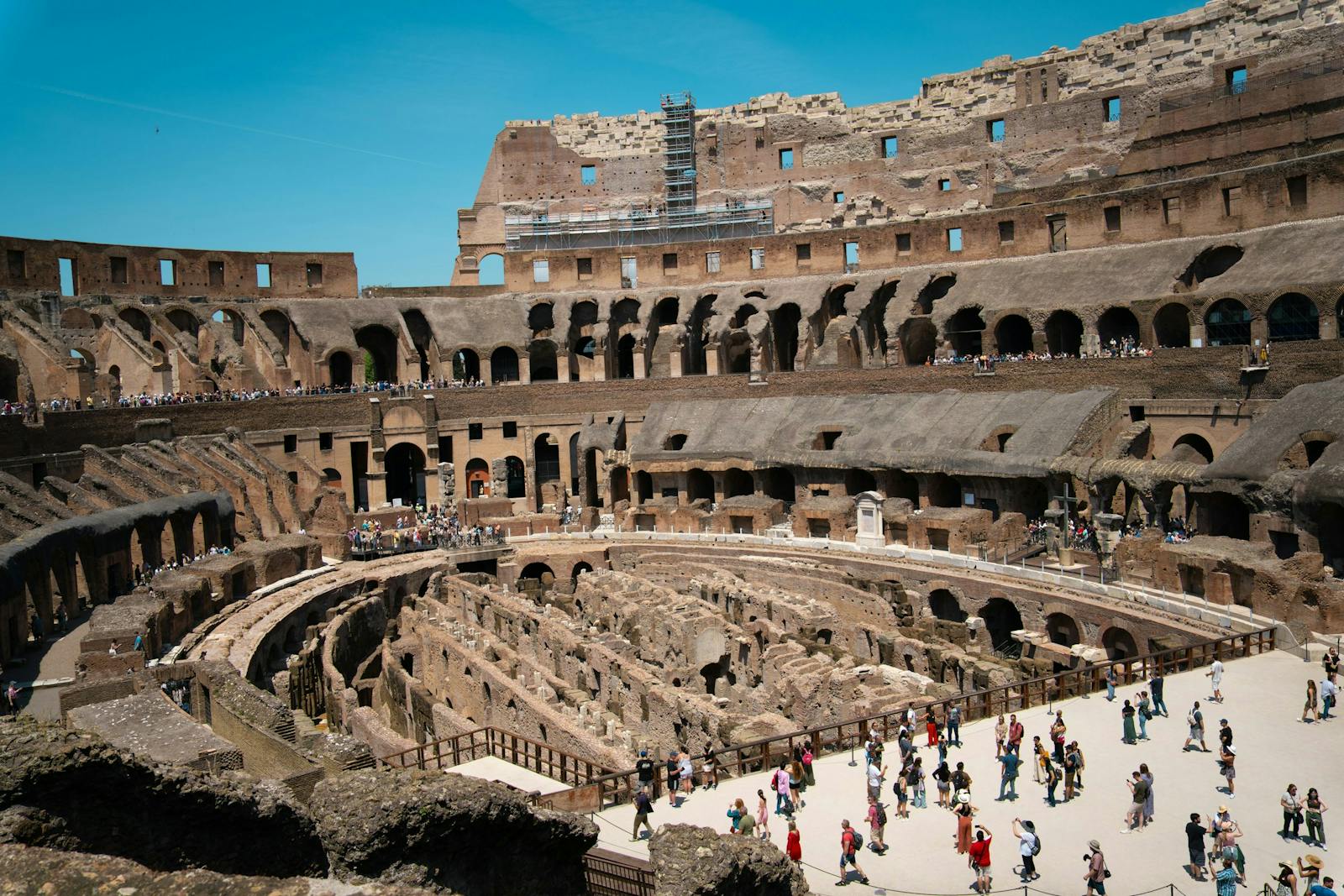
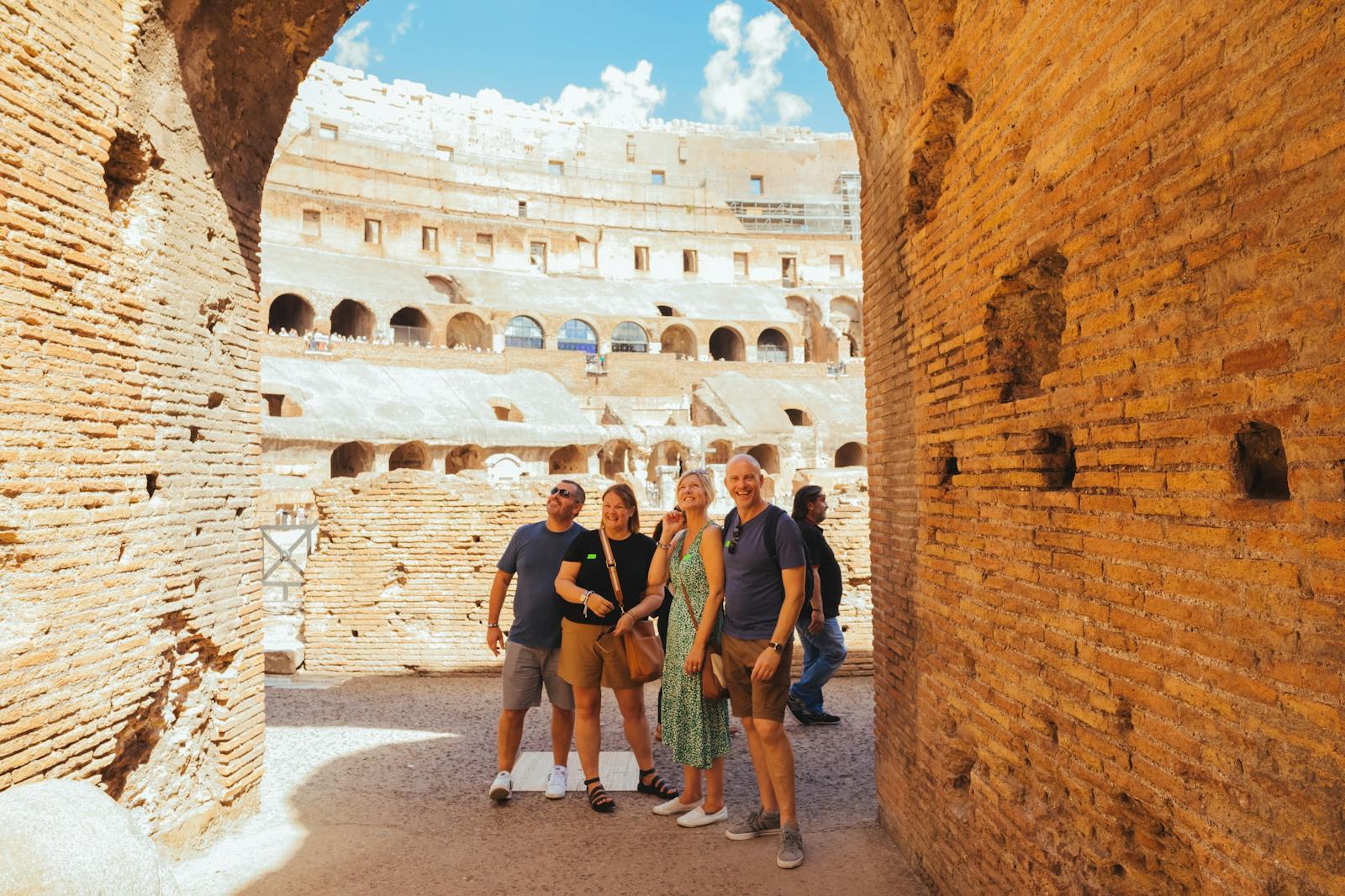
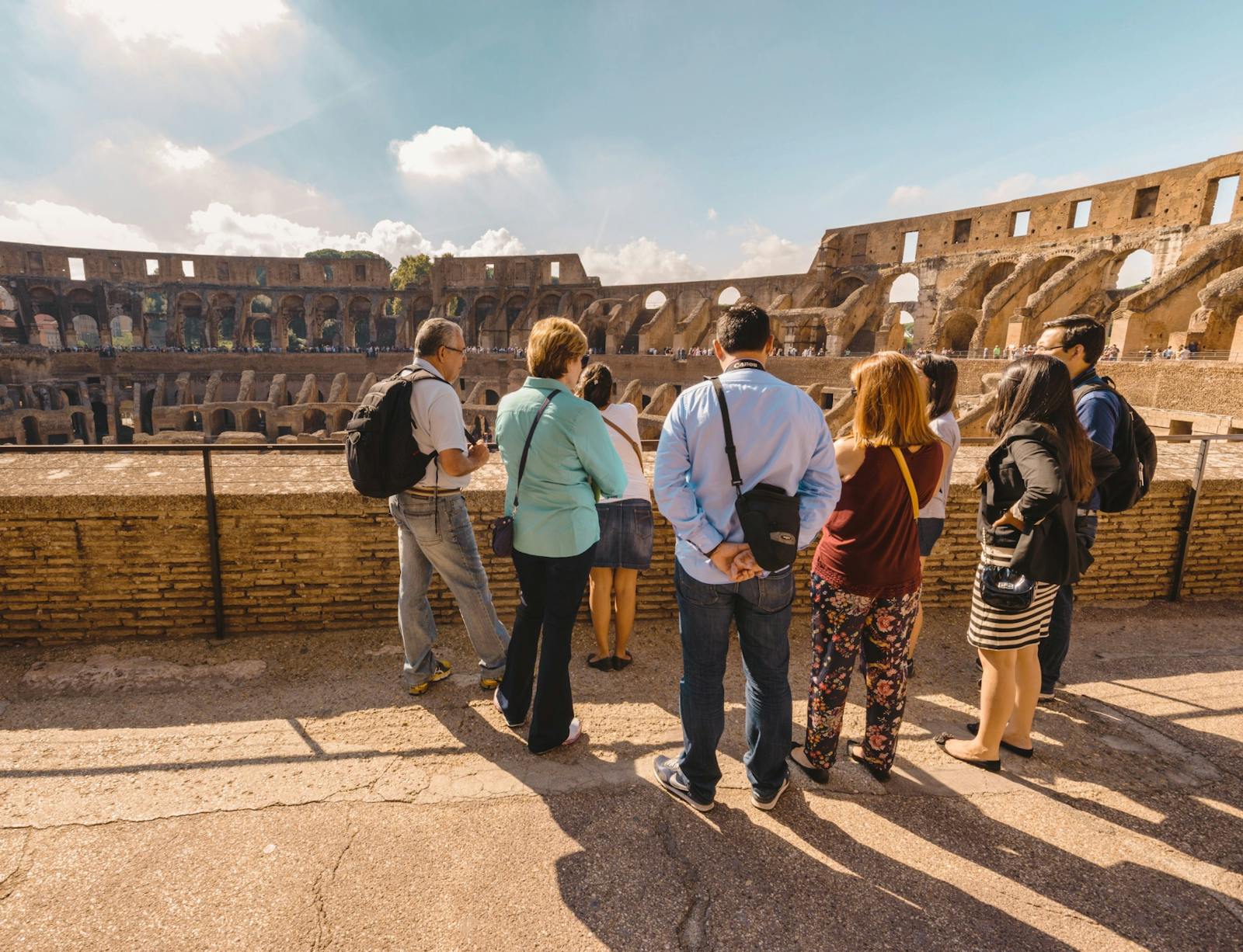
The visitor experience depends radically on your ticket. Standard access leads to the second-floor tiers, offering a view down onto the arena. However, to understand the mechanics of the spectacle, you must choose the 'Full Experience' ticket. This allows you to descend to the arena floor and explore the hypogeum, the underground labyrinth where gladiators and beasts awaited their fate, prepared by elevators and secret wells. This immersion into the technical backstage reveals the logistical complexity of the era.
The arena itself, paved with wood covered in sand to absorb blood, was the theater for bloody fights and mythological reenactments. During the inauguration, it was even flooded for a naumachia, reenacting the naval battle of Corinth. Seeing these places allows you to imagine the sweat of the fighters and the tension of the crowd. It is a total immersion into the brutal reality of the Roman spectacle, far beyond cinematic clichés, under the unshakeable gaze of the stone arches.
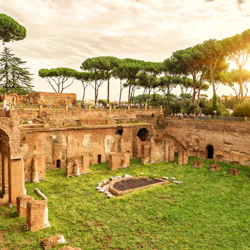
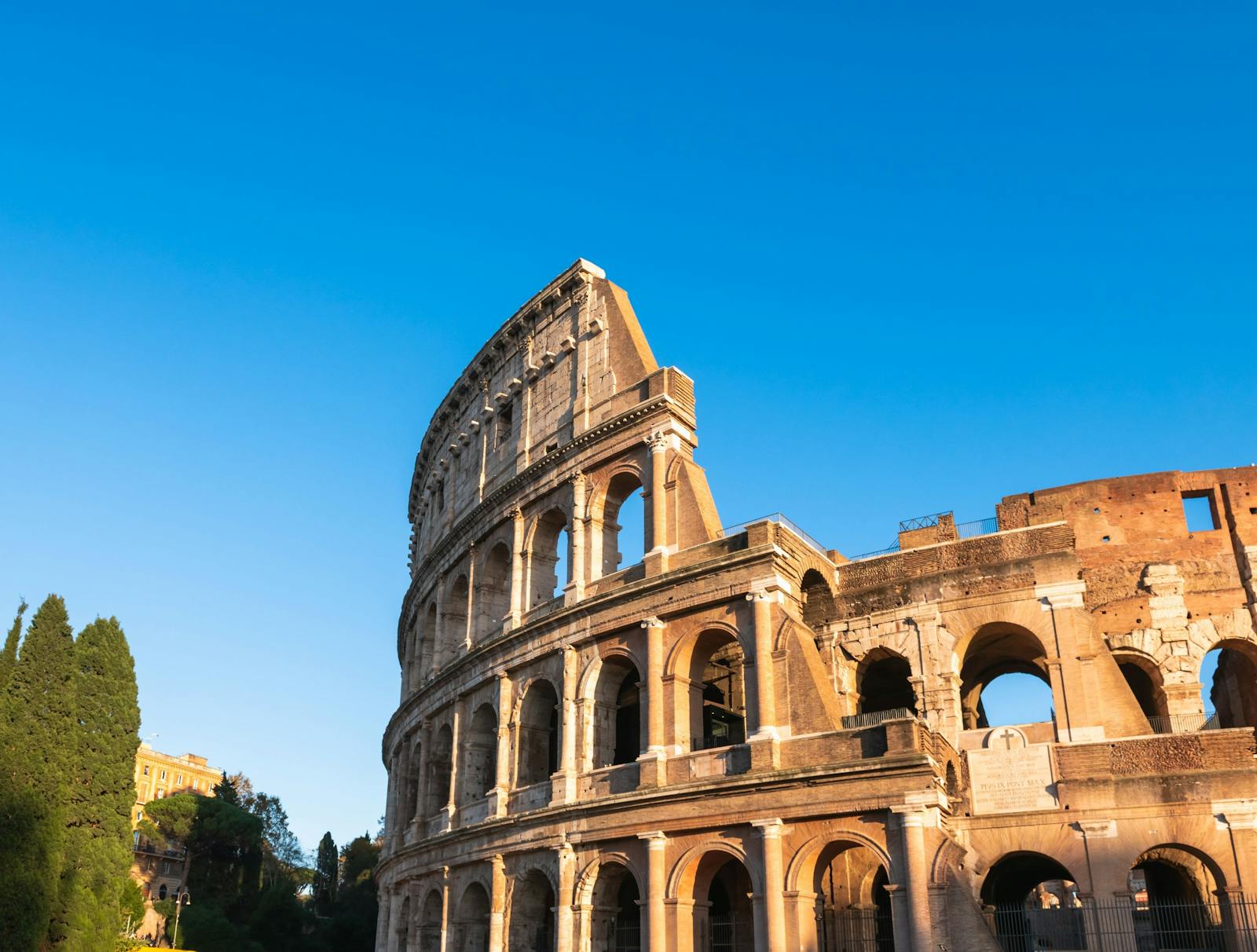
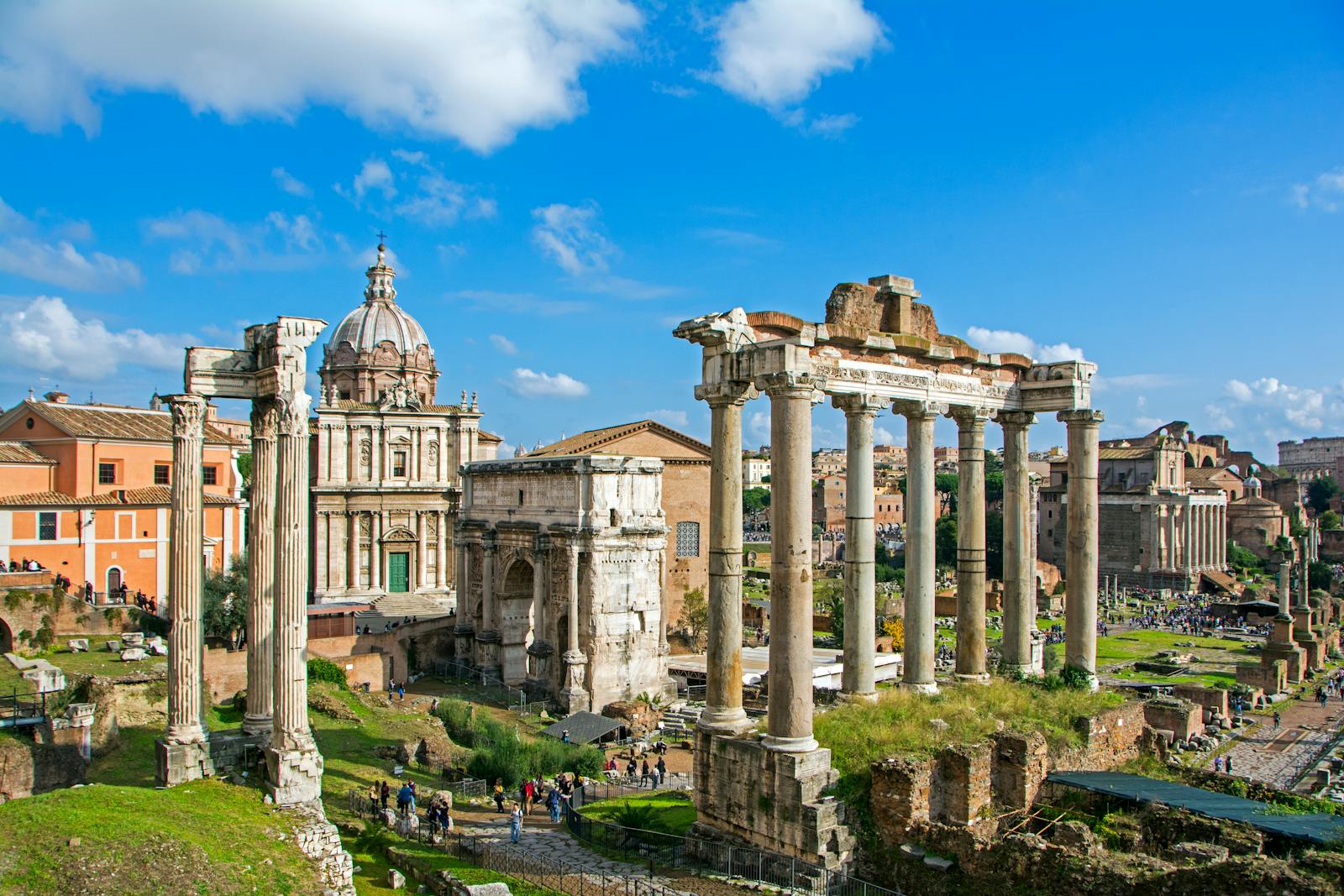
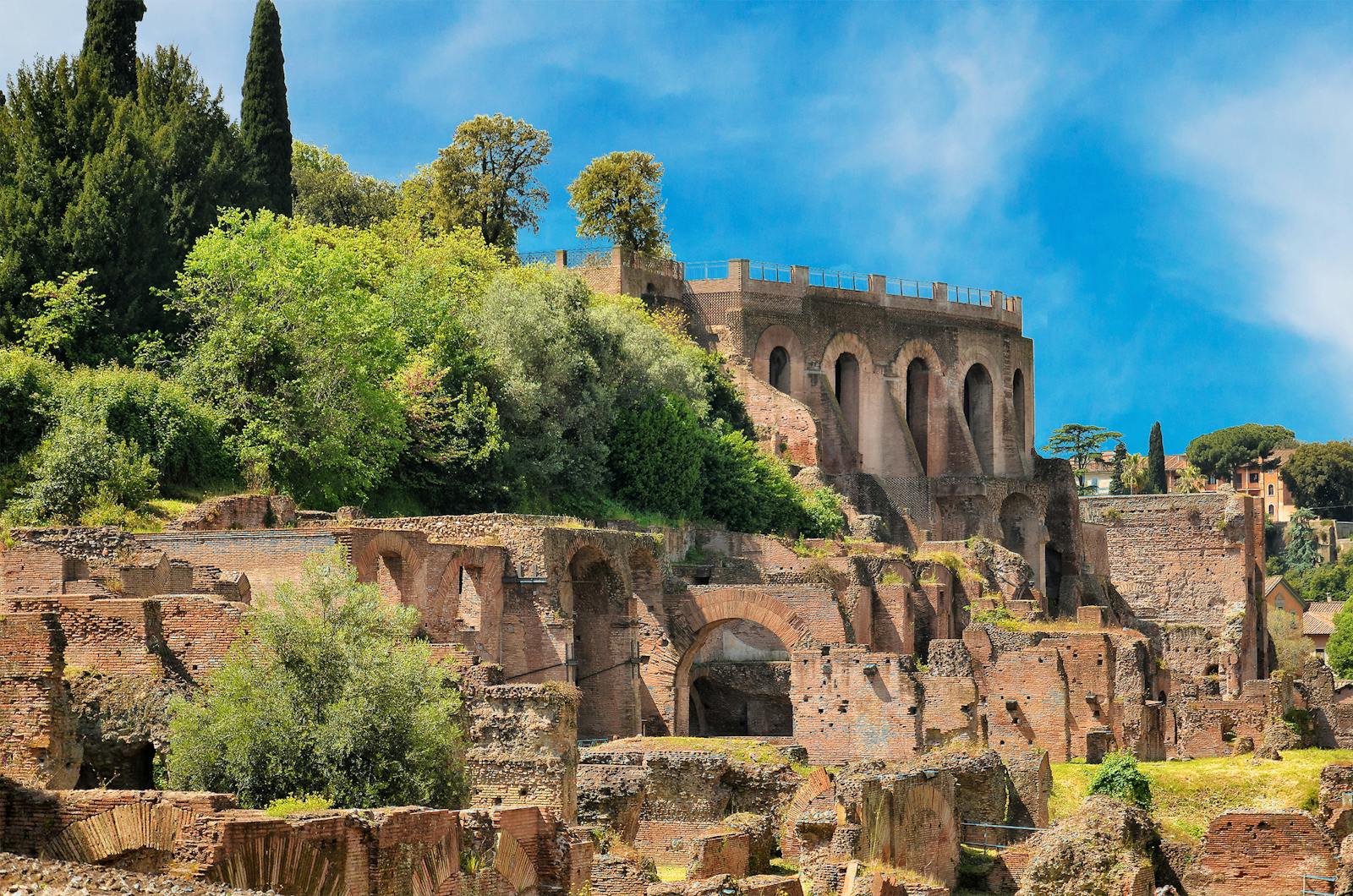
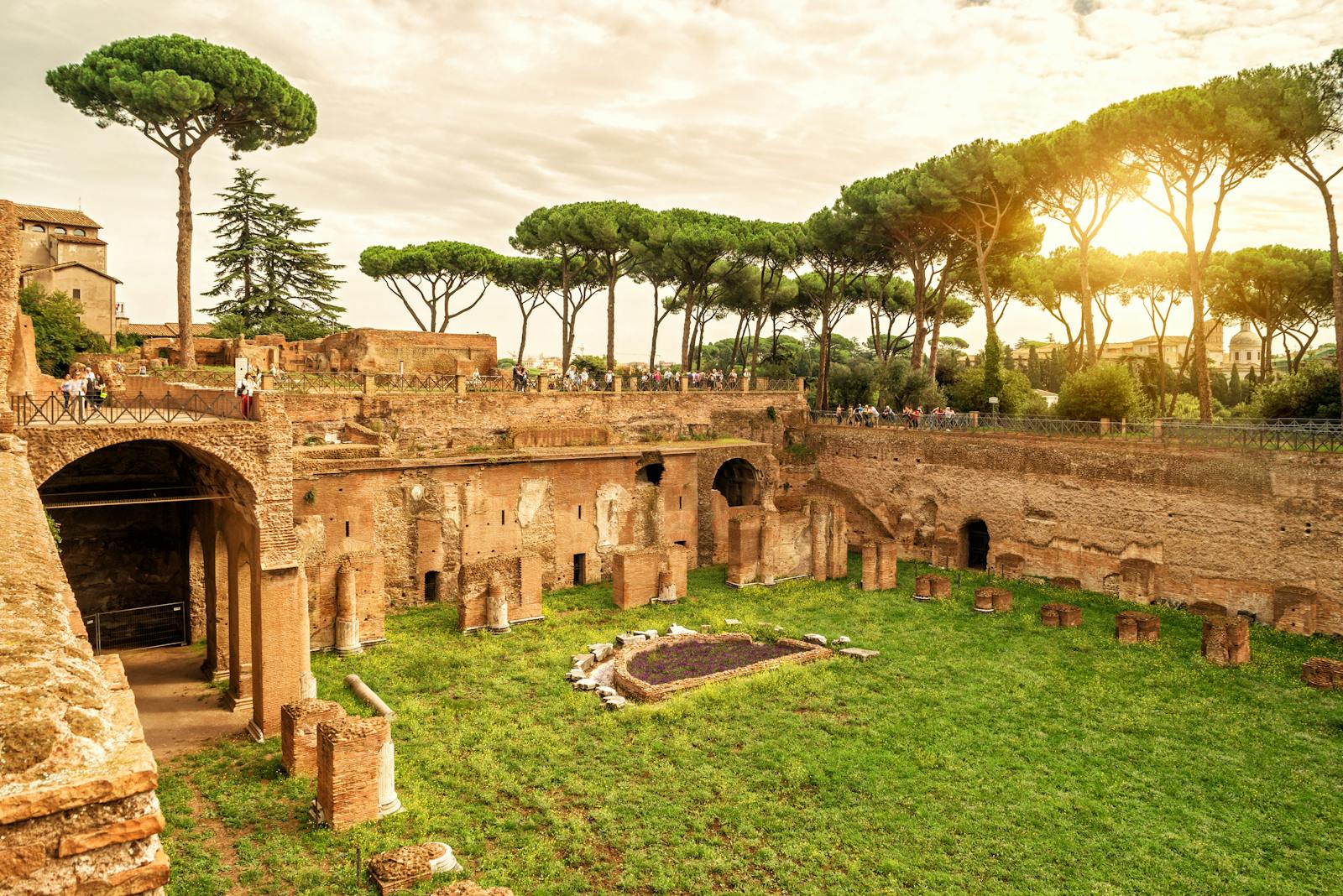
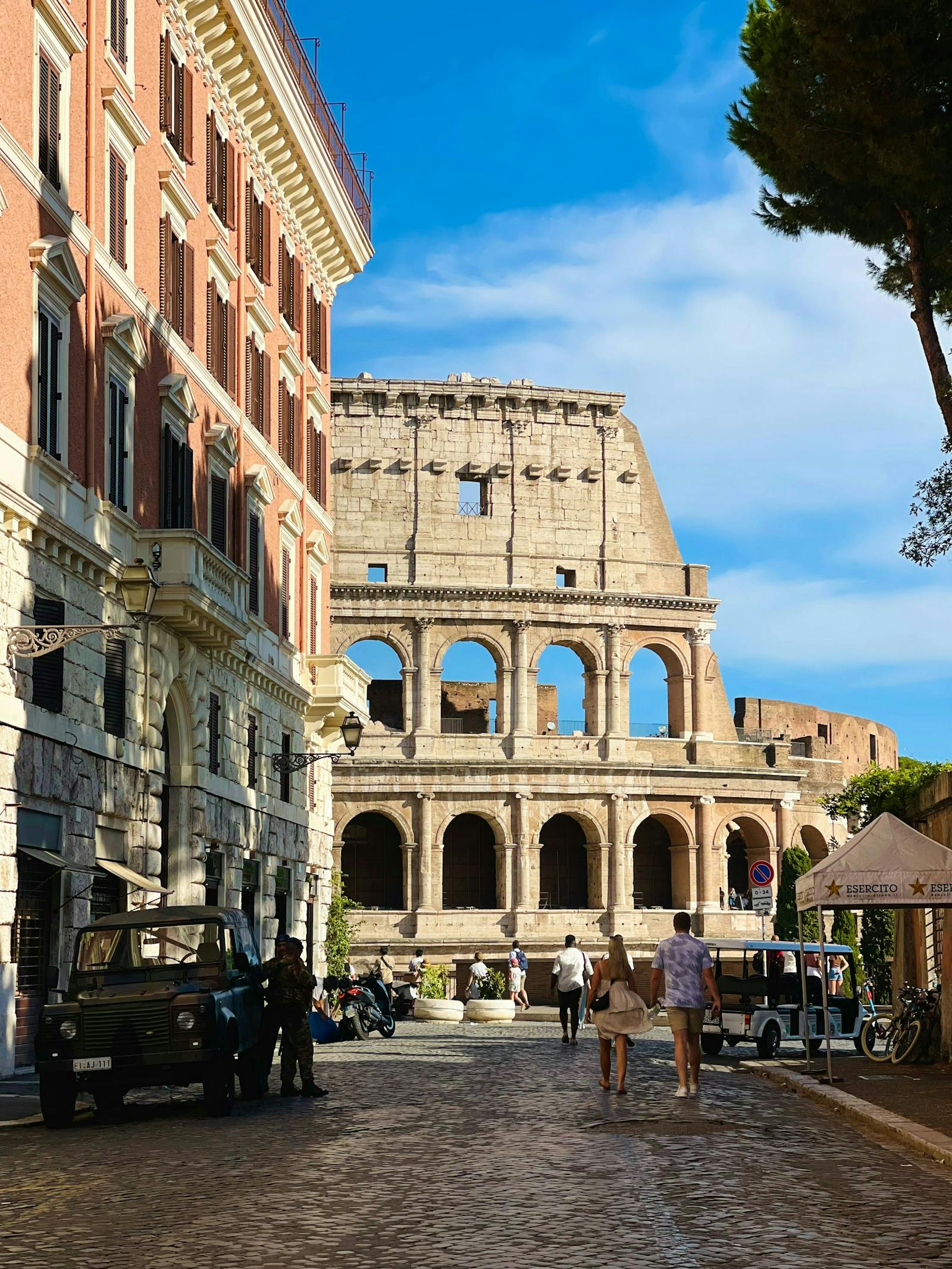
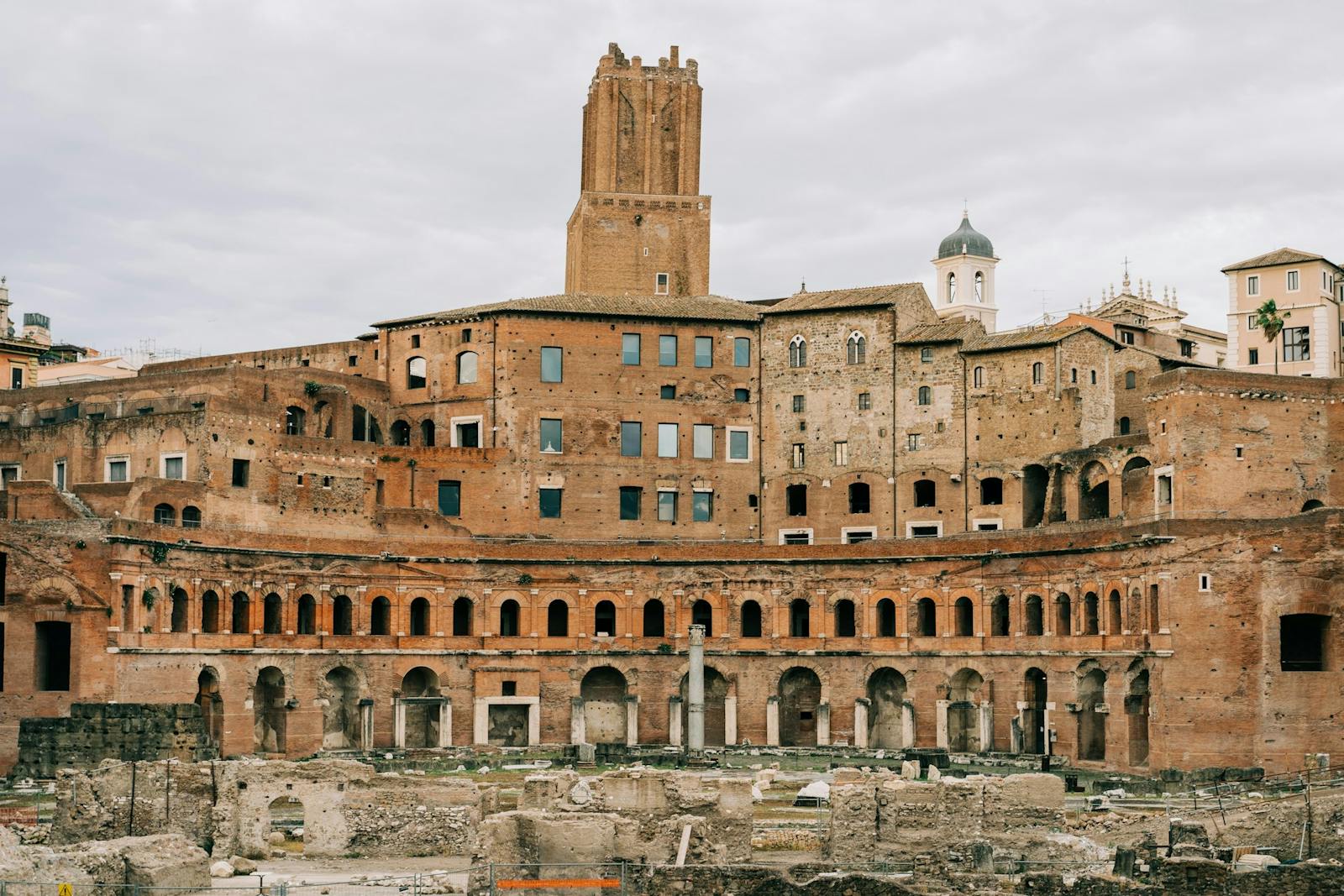
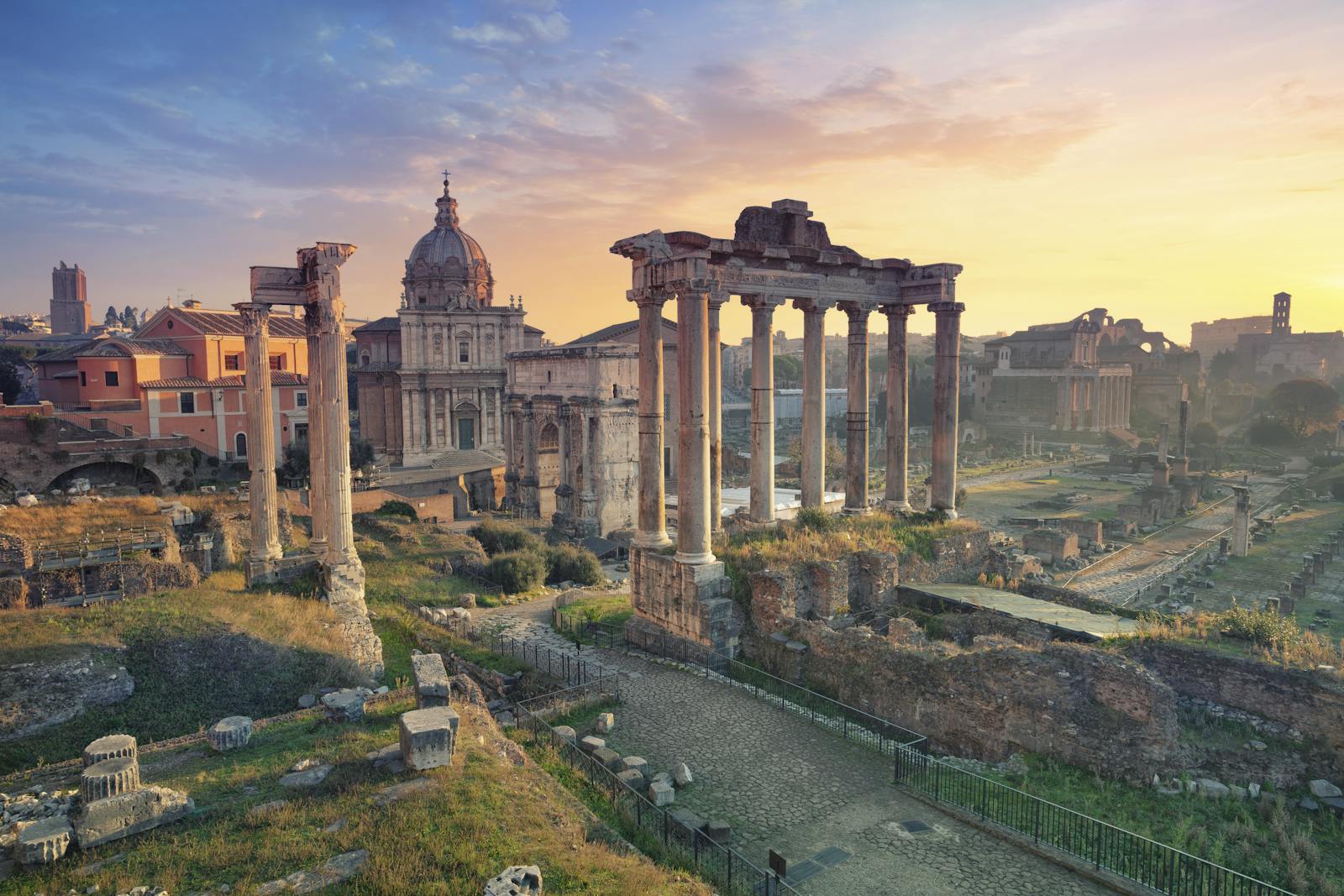
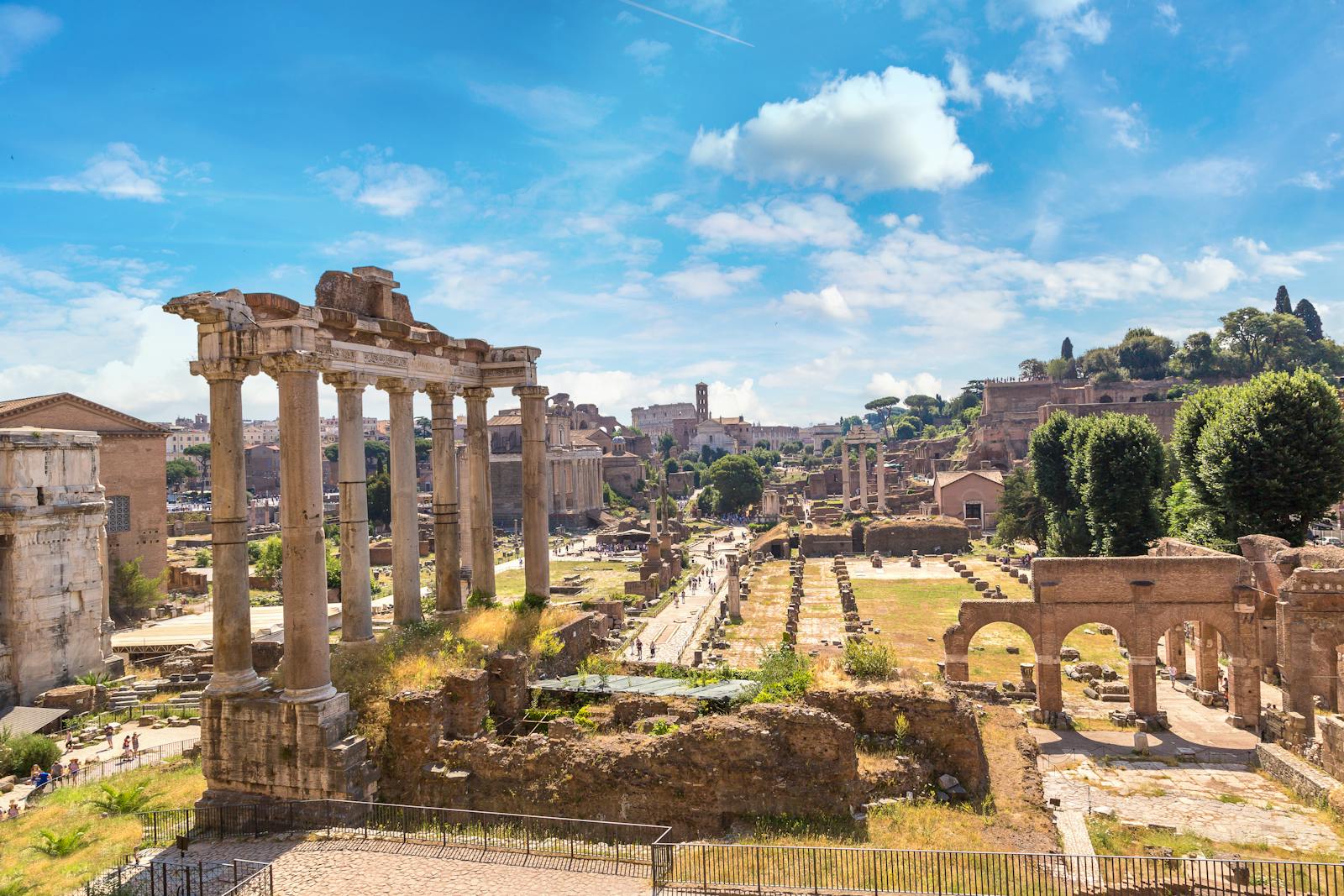
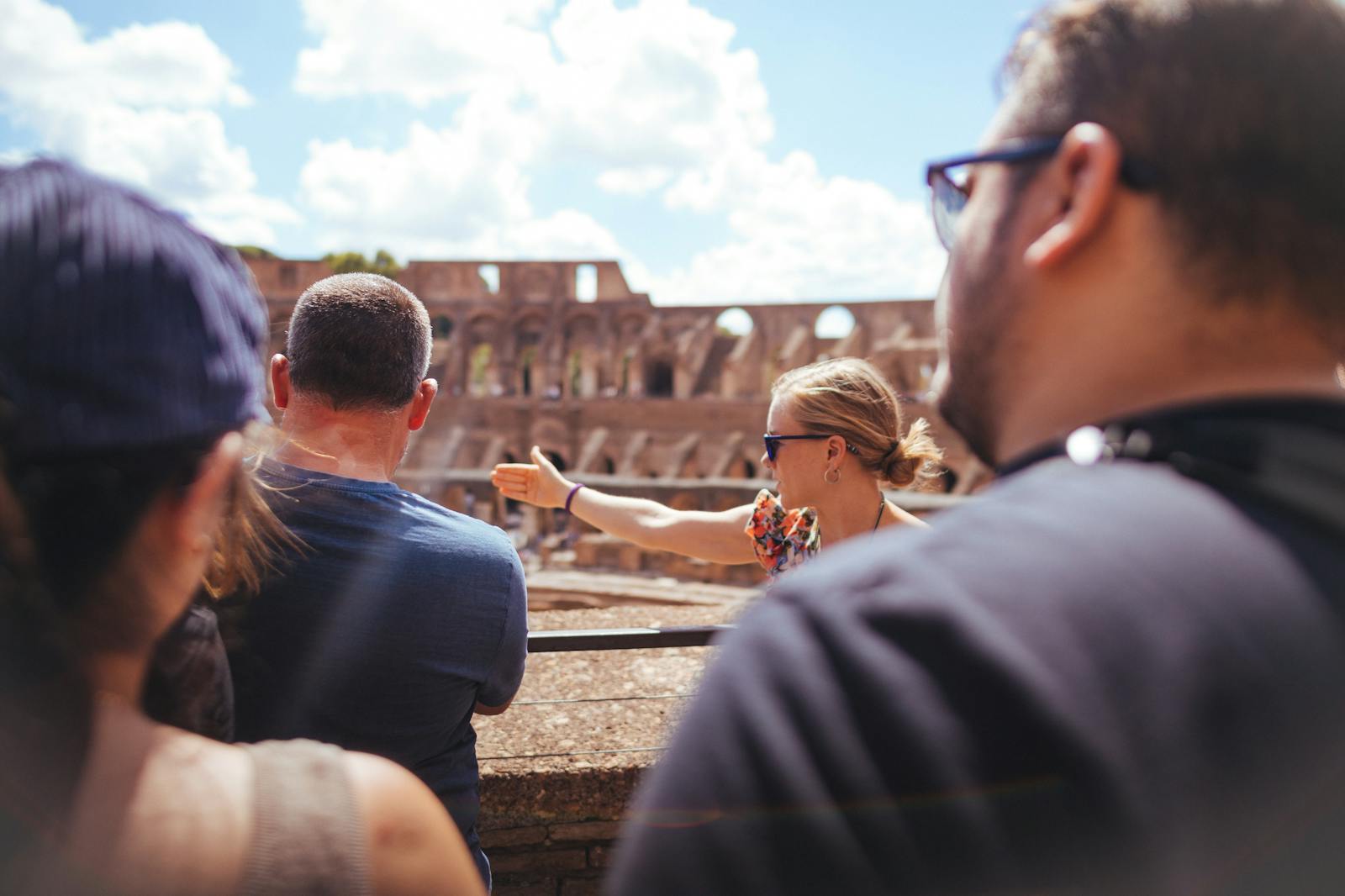
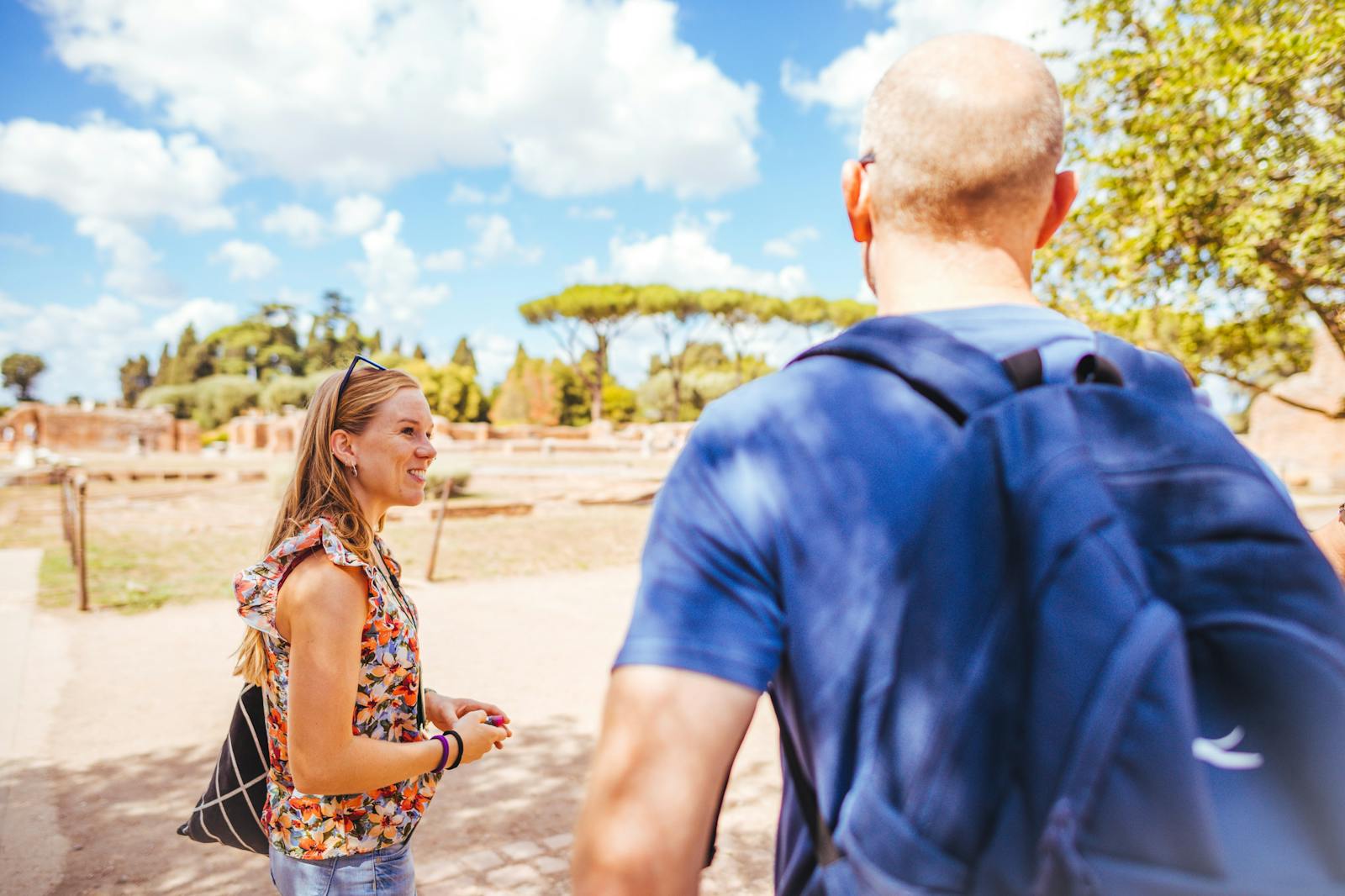
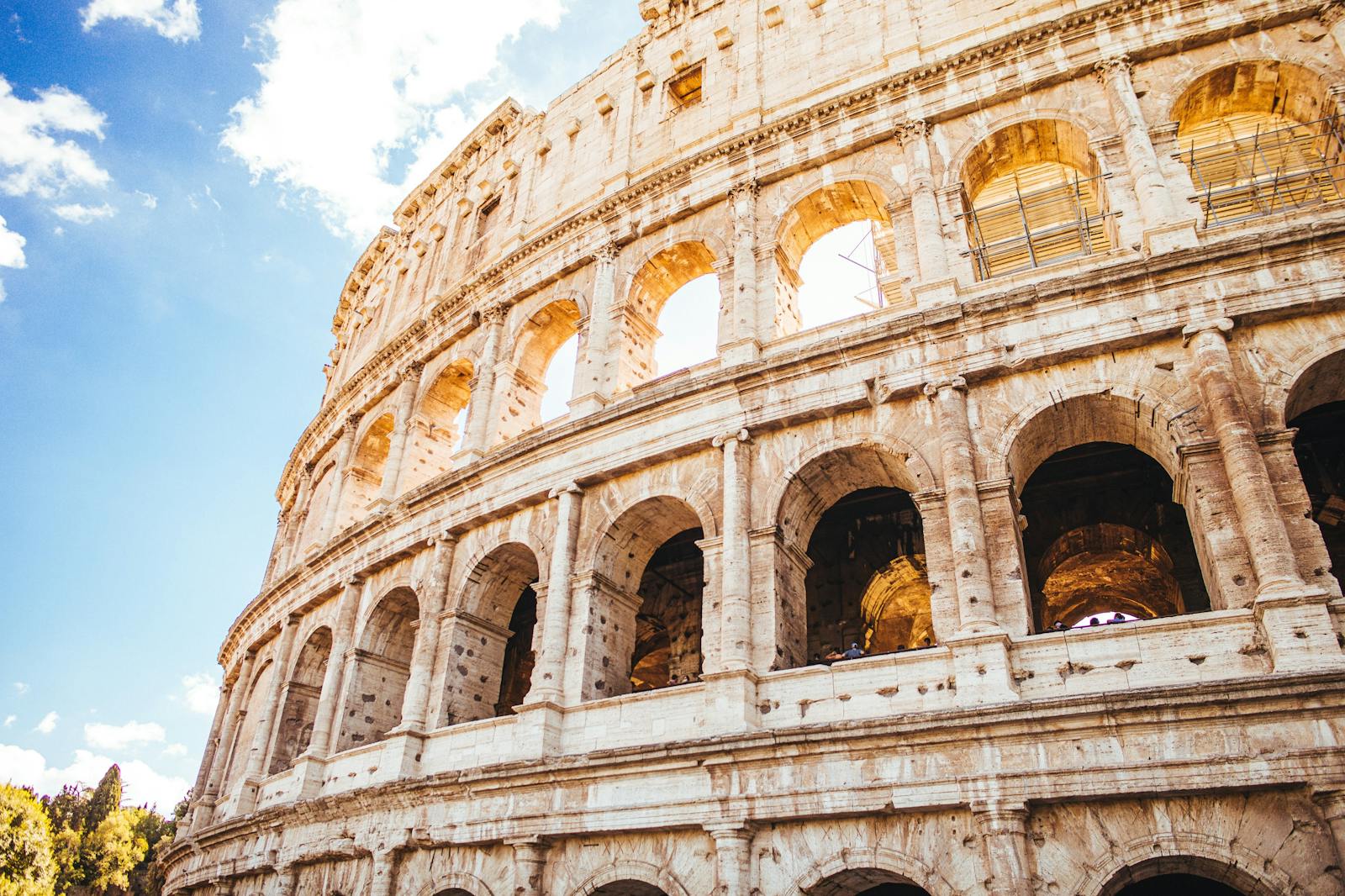
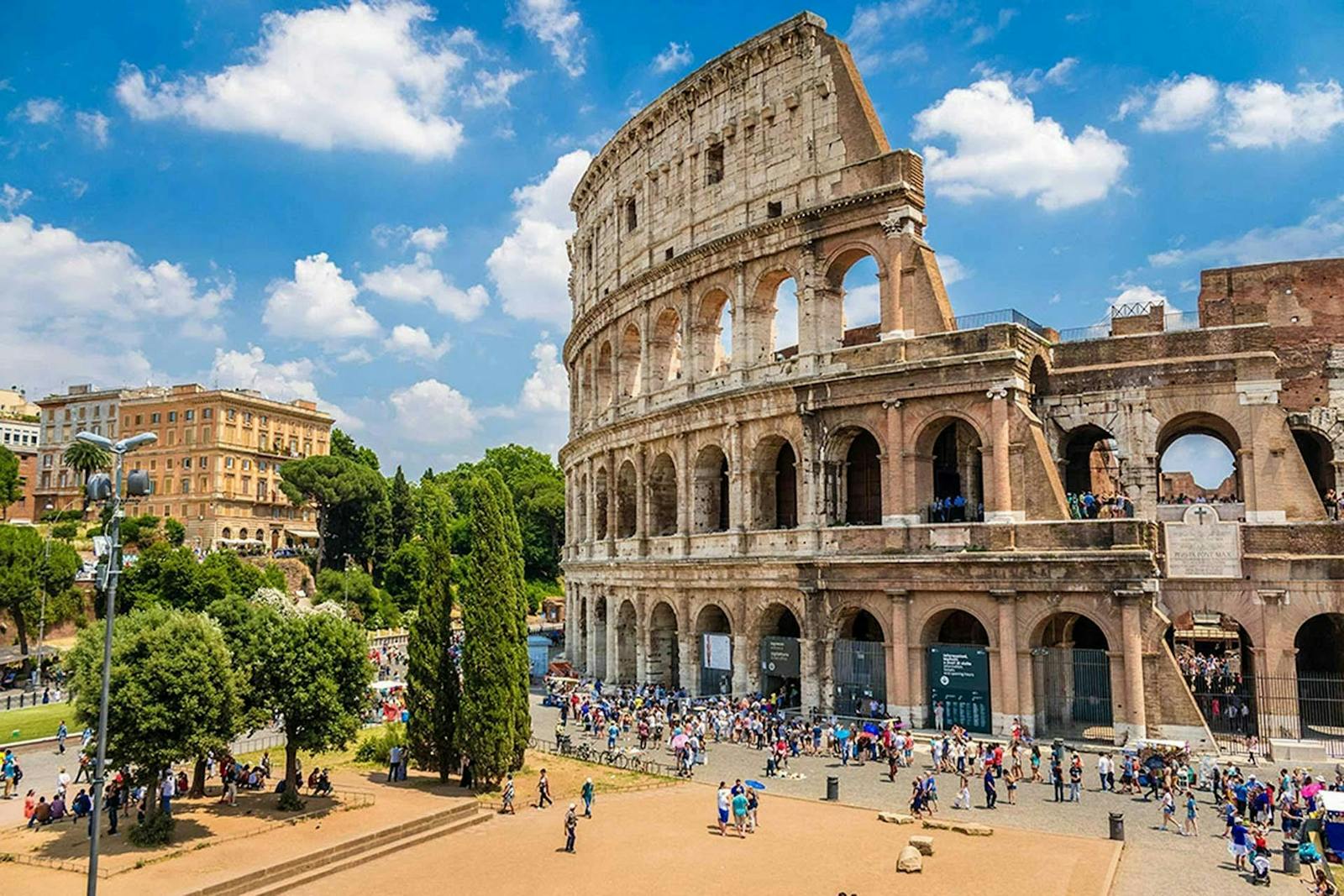
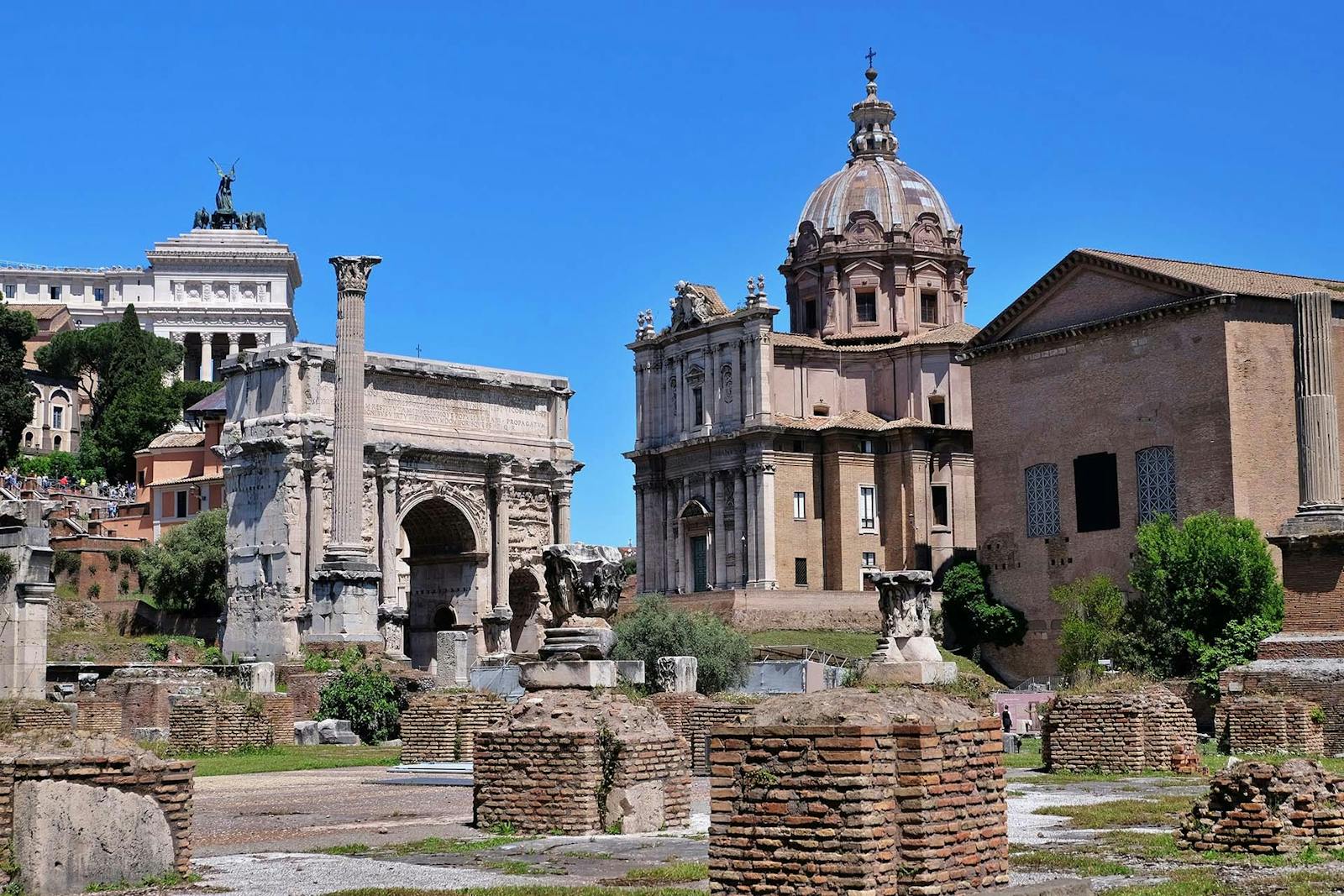
Above, the tiers were organized according to a strict social hierarchy, from the Senate to women and slaves. A huge hemp canvas, the Velum, stretched by sailors, protected the 50,000 to 80,000 spectators from the burning sun. Today, the exterior arches offer an impressive view of the internal walls and the remains of the seats. A combined visit with the Roman Forum and Palatine Hill is recommended to contextualize this giant within the political heart of the Empire.
Practical tips for a serene visit
Logistics are crucial: the site can accommodate only 3,000 people simultaneously, which generates massive queues. It is imperative to book a named ticket with a precise time slot. Arriving 30 minutes before opening allows you to pass through airport-style security checks without stress. Large bags are prohibited, so travel light. Plan for stable walking shoes, as the floors are uneven and there are many steps.
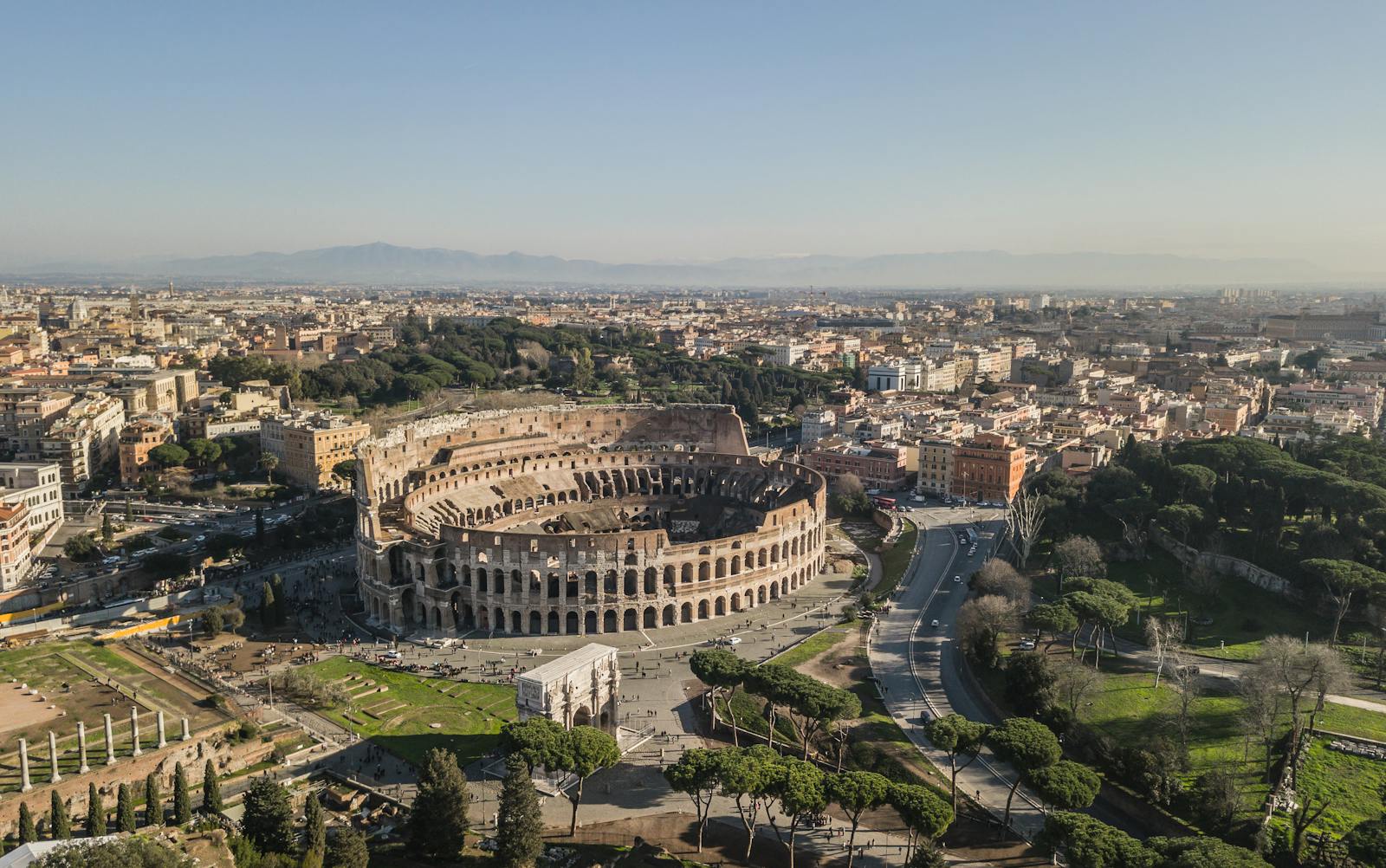
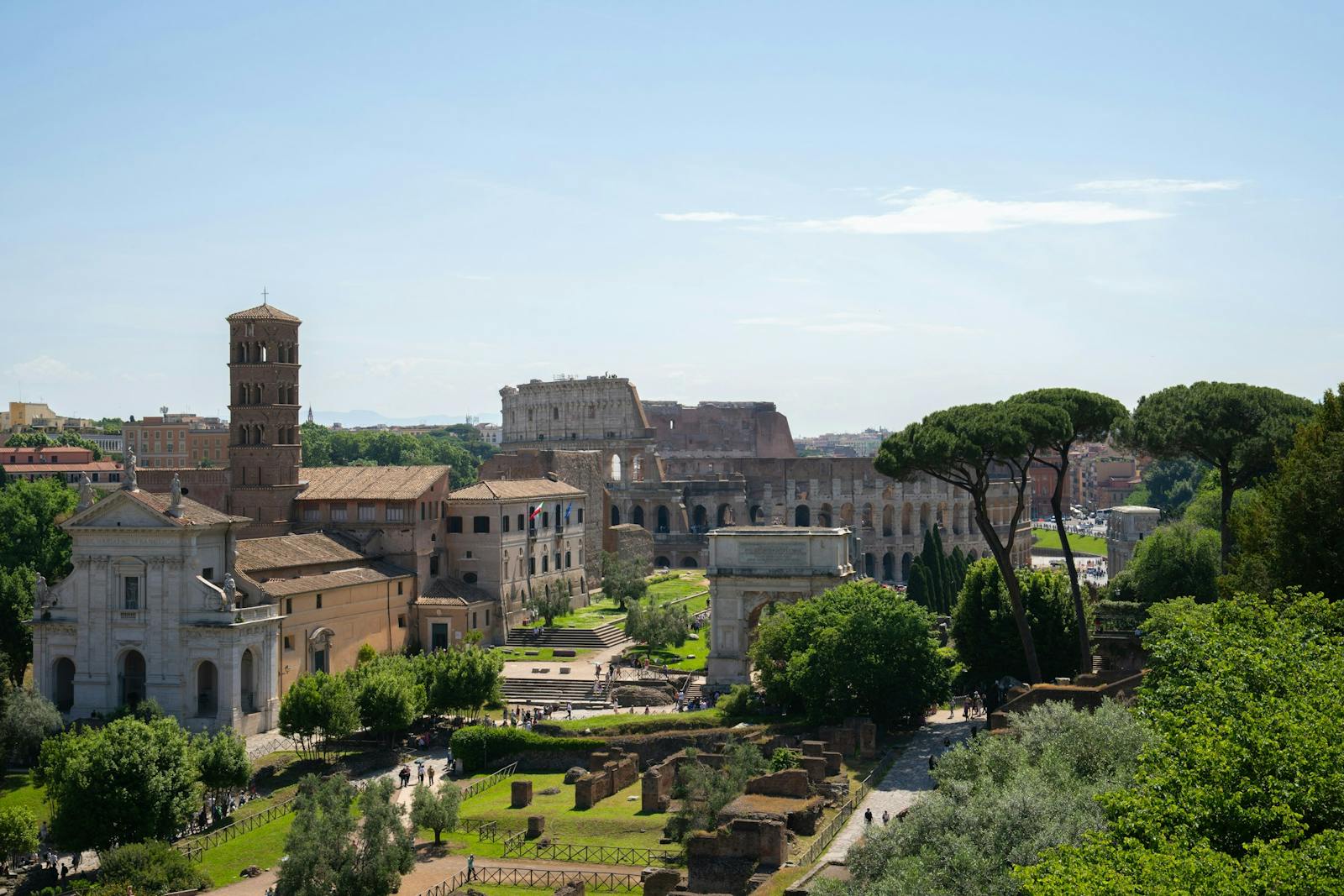
For the best photos, don't just stay in front of the entrance. The view from the Palatine Hill offers a unique panoramic perspective of the amphitheater and the Forum. The Via dei Fori Imperiali allows for a classic frontal view. Avoid peak noon hours when the heat is stifling. Early morning or late afternoon, the light is softer and crowds less dense, making the visit more pleasant and photogenic.
Public transport is highly recommended: take the Metro Line B to Colosseo stop, a two-minute walk. Parking is limited and expensive. If you have mobility issues, specific access is available via Entrance 1, but it requires prior booking for the elevator. Also check for technical closures of the hypogeum before booking the full ticket, as some areas close for maintenance.