News
Colosseum in Rome: Closing Time Moved Forward to 6:30 PM Starting in October with Last Entry at 5:30 PM
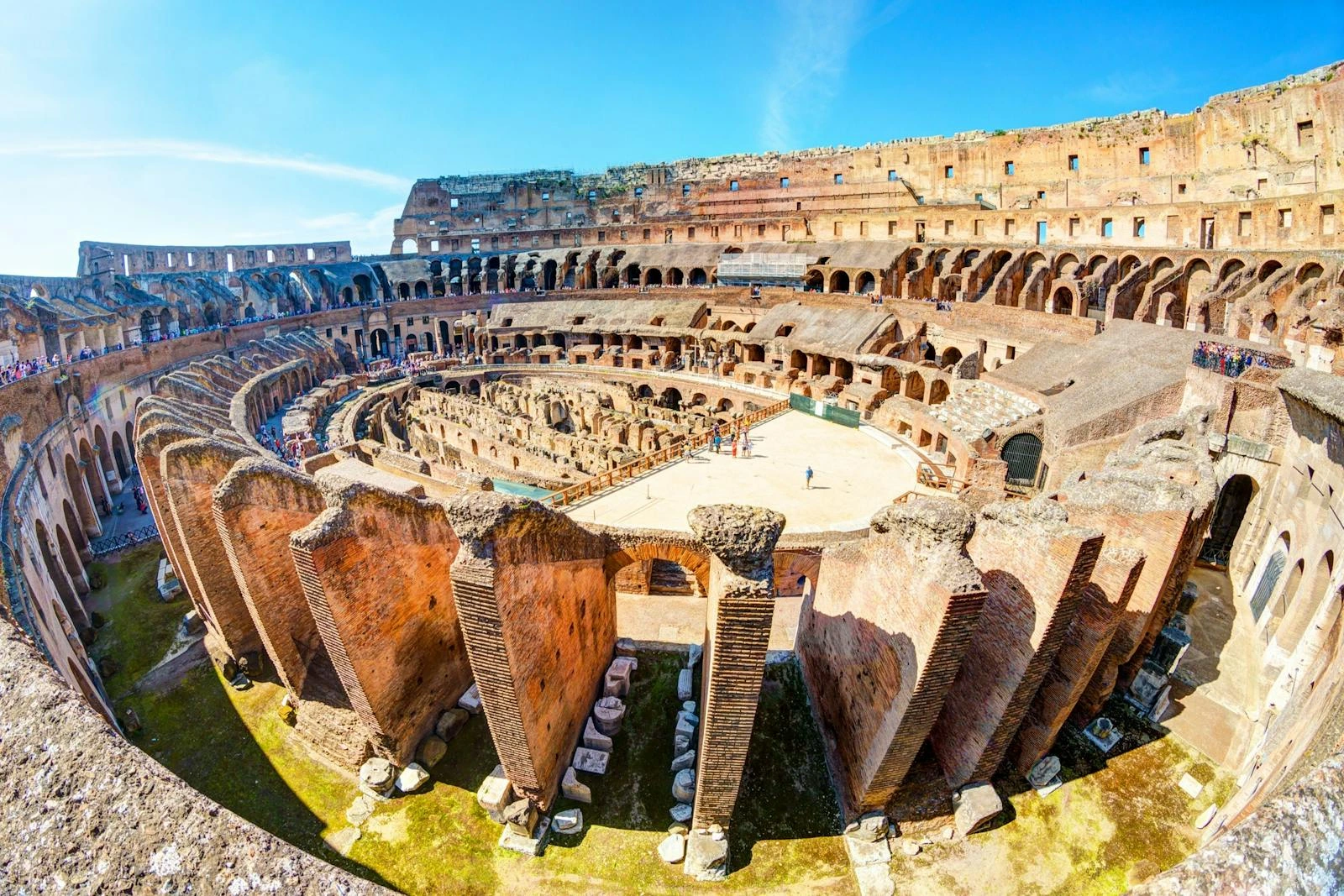
On the occasion of the free admission initiative announced for October 4 across state-run sites in Lazio, visitors rediscover the colossal architecture of the Flavian Amphitheatre, its autumn visiting hours, and the preserved remains of its underground network.
A Sunday Opening at the Heart of Lazio's Heritage Network
The Sunday initiative set for October 4 opens the doors of state-run sites across the Lazio region within an exceptional heritage setting, placing the archaeological core of the Italian capital at the center of attention. The Flavian Amphitheatre, universally known as the Colosseum, represents the principal landmark of this monumental complex, drawing the focus of international audiences and enthusiasts of ancient history alike.
Integrated into the Parco Archeologico del Colosseo alongside the Roman Forum and the Palatine Hill, the structure stands within a protected perimeter where visitor flows are regulated by strict operational constraints. The monument's renown rests upon two millennia of uninterrupted history, symbolizing the engineering grandeur of Rome while sustaining a vibrant cultural role in the midst of the modern metropolis.
This regional showcase highlights the unique position held by the monument in the urban landscape, erected precisely in the depression between the Palatine, Esquiline, and Caelian hills. This geographical setting stems directly from urban development decisions made in antiquity, permanently shaping Roman topography to this day.
From Imperial Origins to the Draining of Nero's Lake
The genesis of this engineering giant dates back to the first century of our era, when Emperor Titus Flavius Vespasian commissioned the construction of the world's largest amphitheater. To realize this grand project, the ruler selected the site previously occupied by the artificial lake of the Domus Aurea, the sprawling and luxurious residence built by Emperor Nero in the city center.
The mammoth construction work began in 70 AD before reaching completion ten years later, in 80 AD, during the reign of Vespasian's son, Titus. The popular name of the monument subsequently took hold across generations due to the historical presence of a colossal bronze statue portraying Nero, which stood in the immediate vicinity of the monumental arena.
The architectural plan impresses through its remarkable dimensions: measuring 189 meters in length, 156 meters in width, and reaching over 48 meters in height, the amphitheater covers a total area of 24,000 square meters. This colossal space was designed to accommodate approximately 50,000 spectators seated throughout an immense tiered structure.
Arena, Machinery, and the Preservation of the 5th-Century Underground
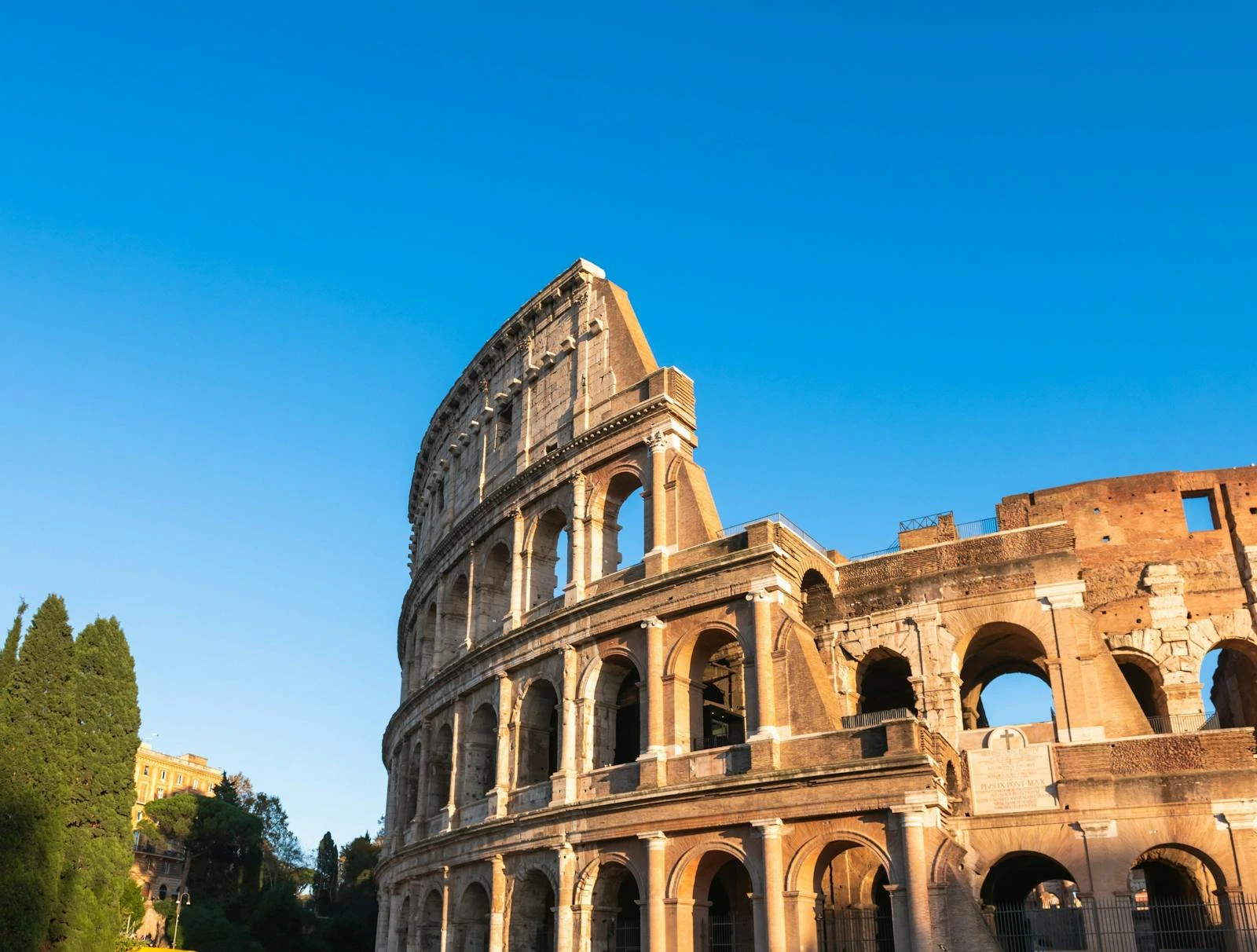
The exterior architectural arrangement consists of four superimposed tiers, with the first three levels each formed by eighty arches elegantly framed by engaged half-columns. The fourth tier is characterized by square panels punctuated by windows, featuring masonry corbels and timber brackets designed to support the immense canvas awning, the velarium, intended to shield the crowd from torrential rain or intense sunshine.
Inside, the brick tiers of the cavea, faced with marble, encircled the central arena measuring 76 meters by 46 meters, made of a timber floor covered with a protective layer of sand. This floor served as the stage for gladiatorial combats known as munera, hunts of wild and exotic beasts designated as venationes, and staged mock naval engagements referred to as naumachiae.
Beneath this wooden surface, the hypogeum housed a bustling hive of activity devoted to meticulous preparations for the games, punctuated by numerous concealed trapdoors through which men and beasts emerged by surprise. These theatrical entrances were made possible by hoisting mechanisms connected to an elaborate system of mechanical winches, whose wooden and rope components were completely destroyed during the devastating fire that swept the monument in 217.
During specific periods of the year, it remains possible for visitors to descend into these lower chambers. These subterranean spaces hold inestimable archaeological value because they preserve intact the conditions in which they existed at the end of the 5th century AD, the exact period when they were buried underground. Unlike the upper levels of the amphitheater, they suffered no alterations resulting from subsequent repurposing.
Transformations, Stone Quarries, and the Fascination of Writers
The festive and violent purpose of the amphitheater drew to a close during late antiquity when Emperor Valentinian III issued the official abolition of gladiatorial contests in 438. This imperial decree initiated a prolonged period of decline, gradually transforming the gigantic civic structure into an open-air stone quarry throughout the Middle Ages and the Renaissance.
Substantial quantities of stone quarried from the ancient arcades were thus harvested to construct new Roman architectural masterpieces, most notably St. Peter's Basilica. The neglected arcades also found other everyday functions during these turbulent centuries, serving at times as residential quarters, craft workshops, or livestock shelters for sheltering animals.
During the Romantic era, the profound allure of the ruins attracted leading Western writers and artists, including Shelley, Byron, Dickens, Thomas Cole, and Henry James. Author Stendhal regarded the structure as the finest remains of the Roman people, confessing in his travel diaries that if he possessed tyrannical authority, he would stop the Colosseum altogether to enjoy it alone during his Roman stays.
Today, far from being a monument frozen in the past, the Flavian Amphitheatre regularly hosts temporary heritage exhibitions as well as modern performances, carrying forward its theatrical purpose in an environment protected by Italian cultural authorities.
Visiting Rules and Opening Time Slots for October
For individuals planning to visit during the first Sunday of October initiative, managing the timing of one's arrival is vital. From October 1 to 24, the official schedule opens the gates at 8:30 AM, with closing planned for 6:30 PM. Visitors must nevertheless note that last admission takes place strictly at 5:30 PM, exactly one hour before the site closes.
These regulations form part of a clearly established seasonal change: visiting hours previously ran from 8:30 AM to 7:15 PM until September 30 with last entry at 6:15 PM, whereas beginning October 25 and running through February 28, the gates will shut at 4:30 PM with last entry permitted at 3:30 PM. For the rest of the year, the calendar also notes full annual closures on December 25 and January 1.
A particularly strict visiting rule governs overall movement between the different sectors of the park: since the Roman Forum and Palatine form a unified archaeological area, leaving the site is final and does not permit re-entering a second time with the same ticket. Bookings, advance purchases, and updates are handled via official online channels or by telephone through the call center at 06 21115843.
Regarding amenities, the complex located at Piazza del Colosseo provides appropriate facilities, including foreign-language guided tours, audio guides, a bookshop, and restroom facilities fully accessible to visitors with disabilities, ensuring an experience that respects the integrity of this universal masterpiece.
Sources: news.google.com · turismoroma.it