547,773 residentsMunicipal population (2023)
General Context
Understanding Lisbon's urban structure
Lisbon is the westernmost capital of continental Europe, located on the right bank of the Tagus estuary. The city covers an area of 100 km² and has a population of 547,773 according to 2023 data. Its rugged terrain, characterized by seven hills in the historic center, involves significant elevation changes that directly influence pedestrian and car traffic.
The current urban plan is the result of a major reconstruction following the 1755 earthquake. The Marquis of Pombal redesigned the Baixa, creating a regular grid that contrasts with the narrow streets of old neighborhoods like Alfama or Bairro Alto. This architectural duality offers a variety of landscapes, ranging from paved squares to public stairs and funiculars necessary to cross steep slopes.
Managing tourist flows relies on a dense transport infrastructure. The metro connects the airport to the city center, while the tram network, particularly line 28, serves historic residential areas. The Santa Justa Lift, inaugurated in 1902, and three funiculars complete this vertical system. For visitors staying several days, the Lisboa Card offers unlimited access to transport and 51 museums and monuments, including major sites like the Monastery of the Hieronymites.
The city naturally divides into thematic hubs. Belém concentrates the heritage of maritime discoveries, while the historic center groups political and religious institutions. The Parque das Nações area, developed around Expo 98, hosts modern structures like the Oceanarium. Each sector has its own movement logic, requiring precise planning to avoid fatigue from uphill walking.
Opening hours vary depending on the type of venue. Most museums close on Mondays, which requires adapting itineraries. UNESCO-listed monuments, such as the Belém Tower, often impose specific booking slots, especially during peak times. Rigorous organization allows alternating demanding indoor visits with outdoor walks along the river.
Experiences & ideas
What to do in Lisbon?
From major monuments to neighborhood strolls, craft a stay that alternates between booked tours and free exploration.
Historical heritage and monuments
Lisbon concentrates an exceptional density of UNESCO World Heritage sites, particularly in the Belém neighborhood. These places offer direct access to Portugal's maritime history.
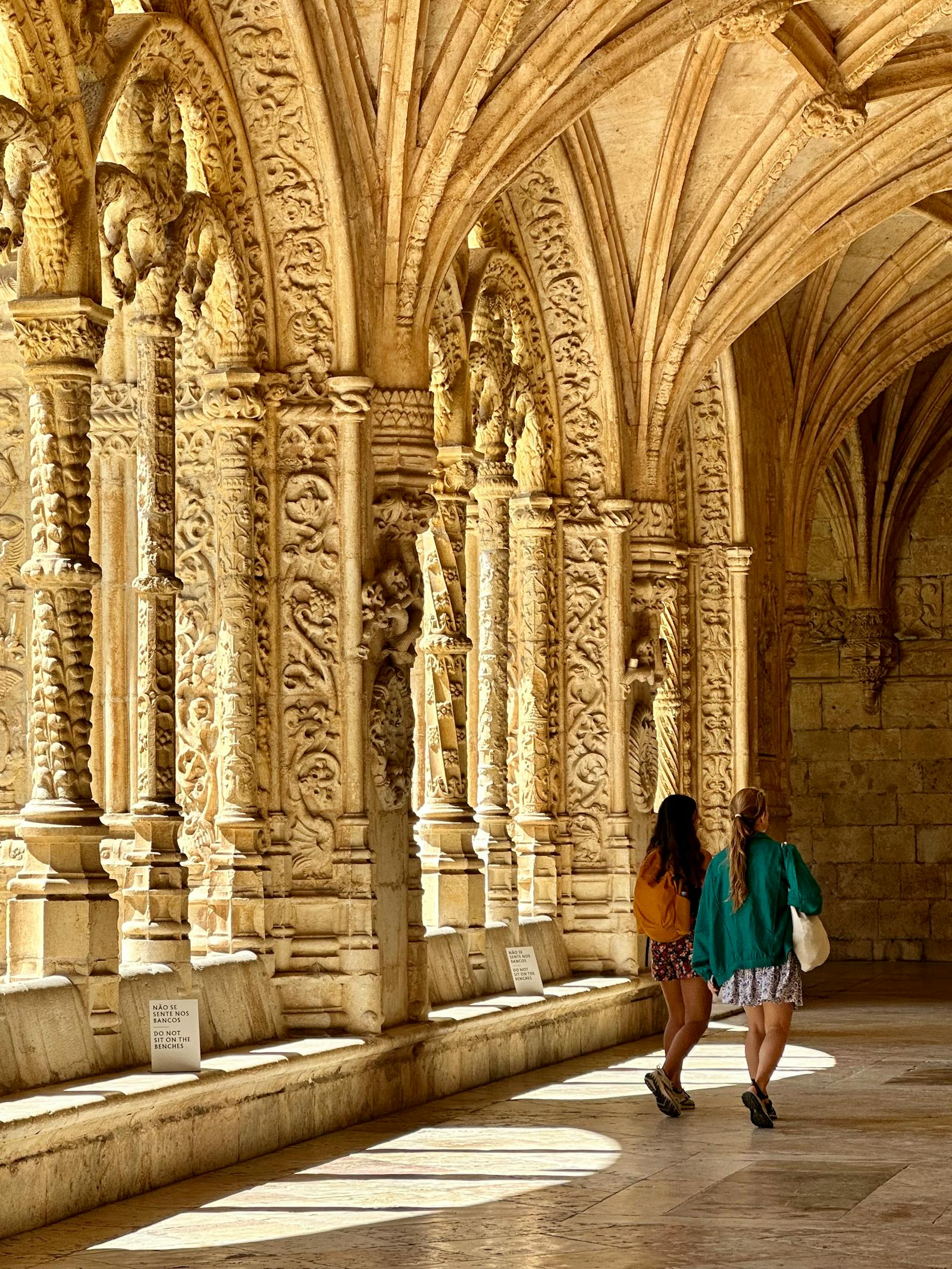
- Jerónimos MonasteryThis 16th-century monument features vaulted ceilings adorned with frescoes and a remarkable cloister. The visit allows you to admire Manueline architecture before enjoying a view of the Tagus from the adjacent park.2 hours
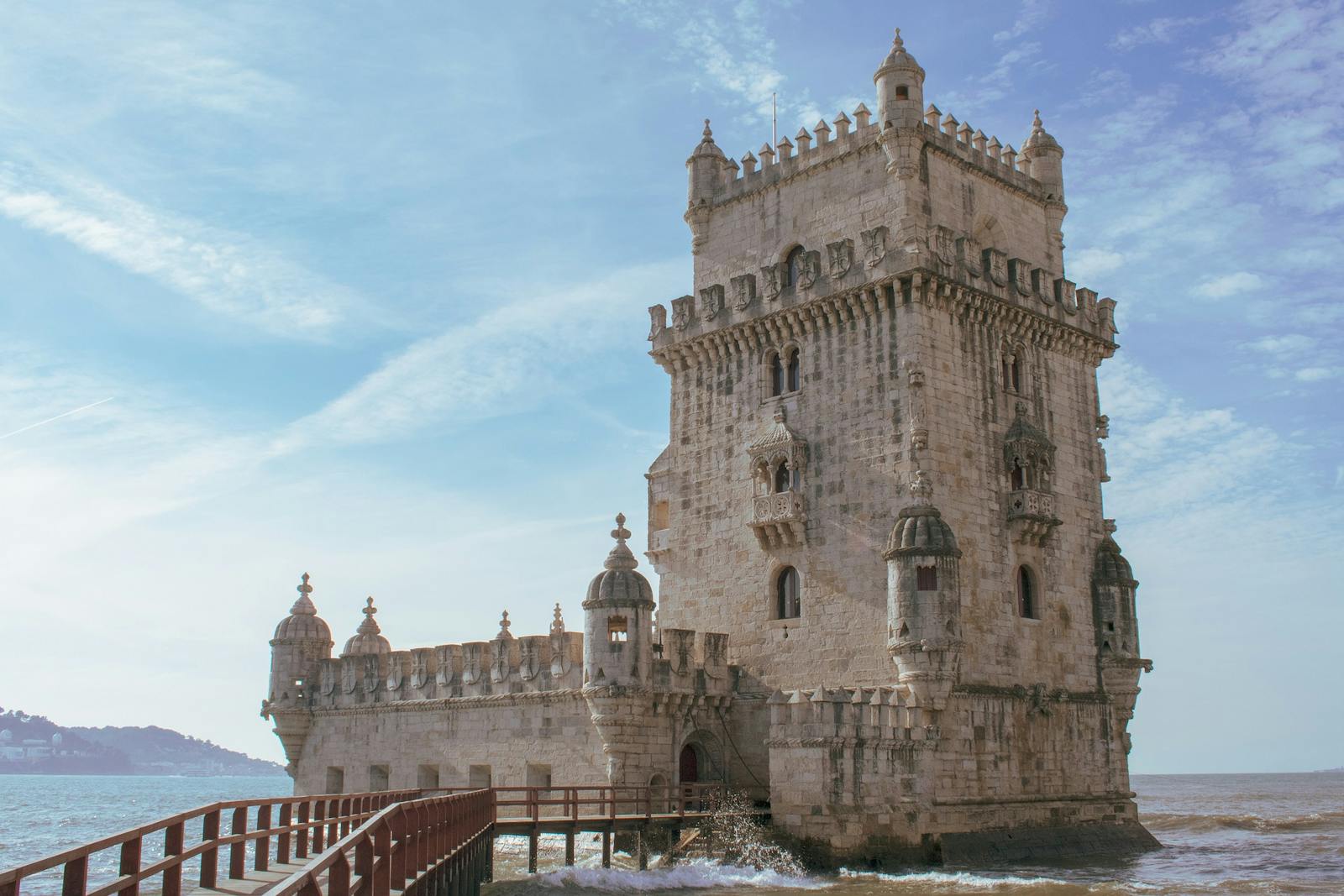
- Belém TowerThis 16th-century fortress in the Manueline style houses cannons and spiral staircases. Access to the historical rooms leads to a terrace offering an unobstructed view of the city and the river.1 hour
- São Jorge CastleLocated on the hill of the same name, this site offers a panoramic view of the city center and the Tagus. It is an ideal starting point for exploring the steep streets of the Alfama district.2 hours
Museums and cultural collections
The city offers a variety of institutions ranging from contemporary art to natural history. Many of these museums are included in official tourist passes, making it easy to plan a full day.
- Lisbon OceanariumThis central aquarium displays around 500 marine species. Its structure alternates between land and water levels, allowing you to observe underwater forests in a continuous environment.2 hours
- Gulbenkian MuseumSet in a lush setting, this museum houses a diverse art collection. It is often cited among the major attractions accessible via local tourist cards.2 hours
- MAC/CCBThe Contemporary Art and Architecture Museum is located within the Calouste Gulbenkian Cultural Centre. It features temporary and permanent exhibitions related to modern art.1h30
Neighborhoods and urban walks
The rugged terrain of Lisbon, with its seven historic hills, demands challenging but rewarding walking routes. Old neighborhoods like Alfama or Baixa offer an immersion into the city's history.
- Walk through AlfamaThis medieval neighborhood is characterized by its narrow alleys and colorful houses. Walking can be difficult due to the slopes, but it leads to viewpoints overlooking the river.2 hours
- Discovering the BaixaRebuilt after the 1755 earthquake, this low-lying area features regular architecture and spacious public squares. It serves as a transport hub connecting the center to the higher parts of the city.1h30
- Baroque RouteA thematic route highlighting the peak of Portuguese Baroque art during the reign of John V in the 18th century. It connects several iconic churches and palaces in the capital.3 hours
Nature and green spaces
Despite its urban density, Lisbon has extensive green areas integrated into the city fabric. These spaces offer calm alternatives to intense monument visits.
- Monsanto Forest ParkWith an area approaching 10 km², it is one of Europe's largest urban parks. It offers hiking trails through woods and natural hills.Half-day
- Gulbenkian Museum GardensThese gardens surround the museum and offer a shaded resting space. They provide a pleasant break between two cultural visits in the center.1 hour
- Parc Eduardo VIILocated near Praça do Comércio, this urban park offers lawns and tree-lined paths. It is easily accessible from the city center for a lunch break.1 hour
Family activities
Several attractions are well-suited for young visitors thanks to their interactive or educational nature. Public transport makes getting around easy with children.
- Oceanarium visitObserving marine species often captivates families. The building's structure, with its underwater tunnels, makes the visit fun and accessible to all ages.2 hours
- Tramway n° 28This historic tram passes through residential neighborhoods and narrow streets. The ride offers a lively glimpse into daily life in Lisbon, although space can be limited during peak hours.45 minutes
- Parc des NationsA modern area located on the banks of the Tagus, it combines green spaces, fountains, and contemporary architectural structures. It is an ideal place for free play and strolls.2 hours
Evenings and nightlife
Lisbon's nightlife is concentrated around certain main axes. Visitors can discover the Fado culture or simply stroll through the illuminated streets of the center.
- Fado listening in AlfamaThis traditional Portuguese musical genre is present in many establishments in the neighborhood. Concerts take place in intimate settings, fostering cultural immersion.1h30
- Night walk in BaixaThe main squares remain lively late into the night. The soft light of the facades and the presence of terraces allow for a comfortable stroll after a day of sightseeing.1 hour
- View of the Vasco da Gama bridgeFrom the banks of the Tagus, the illuminated bridge offers a distinctive visual spectacle. It is a popular meeting point for evening walkers.30 minutes
Choose your base
Neighborhoods in Lisbon
The best neighborhood depends on your itinerary, pace, and preferred return time.
Maritime history and UNESCO heritage
Belém
Located west of the city, the Belém district houses testimonies of the height of the Portuguese colonial empire. The UNESCO-listed Monastery of the Hieronymites dominates the landscape with its complex Manueline style. Nearby, the Belém Tower offers a direct view of the Tagus estuary. The area is accessible by tram from the center, facilitating a full half-day dedicated to these monuments. The surrounding gardens allow you to rest your legs between two indoor visits. It is the ideal starting point to understand the historical dimension of the capital.
Monastery of the Hieronymites · Belém Tower · View of the Tagus · Public gardens
Central orientation and commerce
Baixa-Chiado
Lisbon's administrative and commercial heart is located here. Rebuilt after 1755, this district features orderly urban planning with wide avenues and emblematic squares like Praça do Comércio. It is the main interchange hub for the metro and bus lines. The streets are flat, simplifying walking with luggage. You will find the main currency exchange offices, banks, and fashion boutiques here. The transition to higher neighborhoods is done via public stairs or mechanical elevators. This zone serves as a logistical base for exploring the adjacent hills.
Praça do Comércio · Sé Cathedral · Transport hub · Commercial avenues
Traditional atmosphere and panoramic views
Alfama
A former Jewish and Muslim quarter, Alfama preserves the city's medieval structure. Its narrow alleys and colorful houses climb towards the Castelo de São Jorge. The Tram 28 passes through this area, offering a glimpse into local lifestyles. Elevated terraces provide unobstructed views of the river and the 25 April Bridge. The density of retail shops and artisan workshops creates an atmosphere distinct from the rest of the center. Access is primarily on foot or by funicular, making navigation intuitive but physical. It is the preferred place to discover fado culture and local craftsmanship.
Castelo de São Jorge · Tram 28 · Views over the Tagus · Medieval alleys
Family-friendly and modern architecture
Parque das Nações
Developed in the southeast of the city for the 1998 World Expo, this district contrasts sharply with the historic center. It is home to the Lisbon Oceanarium, which showcases 500 marine species in a continuous central tank. The architecture is contemporary, featuring lightweight structures and extensive green spaces. Oriente Station, designed by Santiago Calatrava, marks the entrance to this district. Distances between attractions are short and the ground is flat, making it well-suited for families with children. The neighborhood is connected to the center by metro, allowing for a quick excursion without major physical effort.
Oceanarium · Oriente Station · Vasco da Gama Bridge · Green spaces
Nightlife and cultural scene
Bairro Alto
Located just north of Baixa, this neighborhood is known for its concentration of bars and restaurants. The sloping topography requires using the Bica Funicular to access the heights. At night, the atmosphere becomes intense, attracting a young and international clientele. During the day, the neighborhood offers art galleries and specialty cafés. Immediate proximity to the commercial center facilitates late returns thanks to transport available until late hours. It is a dynamic sector where cultural offerings blend with nightlife, requiring good orientation to avoid getting lost in the labyrinth of alleys.
Bica Funicular · Bars and clubs · Art galleries · Close to the center
Shopping and literary heritage
Chiado
Between Baixa and Bairro Alto, Chiado is a chic quarter dedicated to commerce and culture. The Rua Augusta leads to Praça do Comércio, while side streets house historic bookstores and luxury boutiques. The San Carlos Theatre, the national opera, is located in this area. The terrain is moderate, with some stairs leading to high points. It is a pleasant place for strolling, where one can combine shopping and cultural visits. Security is good and public lighting is well-maintained, reassuring visitors moving around in the evening. The neighborhood benefits from a strong intellectual and artistic identity.
San Carlos Theatre · Rua Augusta · Historic bookstores · Luxury boutiques
Baroque architecture and residential calm
Estrela
North of Baixa, the Estrela neighborhood is dominated by the namesake basilica, a masterpiece of Portuguese Baroque. The area is more residential and quiet than the commercial center. The streets are clean and tree-lined, providing a pleasant setting for a lunch break. The basilica attracts lovers of religious art and ornate architecture. Access is easy from Baixa via stairs or the funicular. This sector allows you to slow down after an intensive day in the center. It combines significant architectural heritage with a peaceful atmosphere, far from massive tourist crowds.
Estrela Basilica · Public gardens · Residential atmosphere · Funicular access
Port life and gastronomy
Cais do Sodré
Located on the banks of the Tagus, this neighborhood is animated by the Ribeira Market and seafood restaurants. Duque de Terceira Square is a popular meeting point. The neighborhood offers a direct view of the river and the 25 April Bridge. Proximity to the center makes walking convenient. The gastronomic offer is varied, ranging from traditional snacks to fine dining tables. The area is also a starting point for boat excursions to the south bank. The atmosphere here is relaxed, ideal for ending a day of sightseeing by observing port life.
Ribeira Market · View over the Tagus · Seafood restaurants · Boat departures
Tickets & Tours
Attractions to book in Lisbon
These attractions have a Visit Tickets page in this language. Each listing opens in a new tab to keep the guide handy.

Organize your stay
Practical tips for visiting Lisbon
Best time to visit
The Mediterranean climate of Lisbon strongly influences the quality of outdoor visits. Temperatures vary significantly depending on the season, affecting walking comfort in hilly neighborhoods.
Spring and autumn offer ideal conditions with mild temperatures and less direct sun. These periods allow you to explore the historic hills without the risk of heatstroke, while benefiting from favorable light for photography.
Summer attracts a high tourist influx, particularly in July and August. Days are long and hot, which can make urban walks exhausting. It is advisable to plan indoor visits during the hottest hours of the day.
- Prioritize April, May, September, and October for optimal comfort.
- Anticipate queues during seasonal peaks of the summer.
- Check the museum closing days, often Monday.
Getting around the city
The Lisbon public transport network is extensive and covers all tourist areas. The combination of metro, buses, and trams makes travel easy despite the challenging terrain.
The metro is the fastest way to connect the city's outskirts, such as the airport or Oriente station, with the historic center. Lines run frequently and stations are well-signposted, reducing overall travel time.
For short distances, the Tram 28 and funiculars offer a picturesque alternative. However, these modes of transport can be crowded during peak hours, so it is best to use them early in the morning or late in the day to avoid congestion.
- Use the Viva Viagem card to load your travel passes.
- Allow 40 minutes by metro between the airport and Baixa-Chiado station.
- Walk for short trips to avoid waiting at stops.
Managing your budget
Costs of staying in Lisbon vary depending on accommodation and activity choices. Using tourist passes can significantly reduce expenses related to monument entry fees.
The Lisboa Card provides free access to 51 museums and monuments, as well as unlimited public transport. This option is advantageous if you plan to visit several major sites like the Jerónimos Monastery or Belém Tower.
Aside from paid attractions, daily costs mainly concern dining and any special transfers. You can limit costs by choosing local restaurants rather than tourist establishments dedicated to foreign visitors.
- Compare the total cost of individual tickets with that of the Lisboa Card.
- Budget extra for train excursions to Sintra or Cascais.
- Download transport apps to check current fares.
Choosing your neighborhood
The location of your accommodation directly influences your daily experience. Some neighborhoods prioritize proximity to monuments, while others offer a more residential and quiet setting.
The historic center, including Baixa and Chiado, is strategic for those who wish to do everything on foot. The density of shops and services is high, but noise may be present at night due to active nightlife.
The Alfama neighborhood offers an authentic atmosphere close to historical sites, but its demanding terrain can complicate moving around with heavy luggage. In contrast, the Parque das Nações area is flatter and more modern, ideal for families with children.
- Check the walking distance to the nearest metro station.
- Prefer flat neighborhoods if you have mobility difficulties.
- Consult recent reviews regarding the noise level of rooms.
Visiting with children
Lisbon presents specific challenges for families, mainly related to terrain and traffic. Careful planning ensures a smooth and pleasant stay for the youngest members.
Elevators and funiculars help overcome significant elevation changes, but they can be crowded. It is recommended to schedule regular breaks in parks or public squares to let children relax after physical exertion.
Interactive activities like the Oceanarium capture children's attention better than purely architectural visits. Alternating moments of intense discovery with free play time in green spaces guarantees a sustainable pace.
- Avoid peak hours for trams to ensure a seat.
- Pack snacks for breaks in the parks.
- Use strollers only on flat areas or with assistance.
Accessibility and reduced mobility
Although some parts of the historic center are difficult to access, Lisbon has implemented infrastructure to facilitate movement for people with reduced mobility. Route planning is essential.
Major monuments like the Jerónimos Monastery generally have elevators or ramps to access main levels. However, it is advisable to check the specifics of each site before visiting, as historical ruins may present structural constraints.
The metro is fully accessible, unlike some historical trams. For city travel, taxis and adapted transport services are available, offering a comfortable alternative to standard public transport.
- Check for elevators in targeted museums.
- Prefer the metro for long cross-city trips.
- Request specific assistance from tourist offices if necessary.
Booking and crowd management
Some popular sites impose strict time slots to limit attendance. Booking in advance avoids disappointment and optimizes time on site.
Belém Tower and the Jerónimos Monastery require a specific time slot, even for holders of the Lisboa Card. It is impossible to book before exchanging the voucher for the physical card, which requires rigorous organization upon arrival.
For other attractions, online purchase is often possible. Visiting the most crowded sites early in the morning or late in the day significantly reduces wait times and improves the quality of the experience.
- Book slots for Belém as soon as activating the Lisboa Card.
- Arrive 15 minutes before the time indicated on the ticket.
- Follow official recommendations for crowd flow management.
Ready-to-follow itineraries
Recommended itineraries in Lisbon
Days group nearby sites to minimize backtracking. Book time slots before finalizing the rest of your plan.
The essentials of Lisbon in one day
From Belém to the historic heart: the condensed itinerary
This route optimizes geography to avoid unnecessary backtracking. It starts in the west, in the Belém district, then heads up towards the city center and ends on the heights of Alfama. The logic is simple: visit the major UNESCO-listed monuments first, before leaving room for a free exploration of the alleys and viewpoints.
Day 1
Belém, Baixa and Alfama
An immersion into Portuguese maritime history followed by an exploration of the center rebuilt after 1755 and a sunset over the Tagus.
Jerónimos Monastery
Start with this 16th-century Manueline monument. Access is via the adjacent park, offering a first clear view of the river. Allow about two hours to explore the vaulted ceilings and cloister. It is the ideal starting point as it is located at the western end of your itinerary.
2hBelémBelém Tower
A few minutes' walk from the monastery, this fortress offers a different perspective on the estuary. Spiral staircases lead to the historical rooms and terrace. The journey between the two sites is short and flat, allowing a smooth transition without unnecessary fatigue.
1hBelémLunch break in Belém
After these intense visits, take time to lunch in the neighborhood. The area around the monuments offers many brasserie or traditional restaurant options. This break allows you to digest the historical information before heading to the center, where the terrain becomes more pronounced.
1h30BelémTransfer to the center and Praça do Comércio
Take the tram or metro to reach the city center. Start with the Praça do Comércio, the large esplanade bordering the Tagus. This place, rebuilt after the 1755 earthquake, constitutes the natural gateway to the Baixa. Then walk towards Rua Augusta to feel the rhythm of the modern city.
1hBaixaSão Jorge Castle
Head up to the São Jorge Castle, which dominates the hill of the same name. Access can be made on foot via steep alleys or by funicular depending on your physical condition. From the ramparts, you get the most complete panoramic view of the city and the river. It is the ideal moment to appreciate the dense urban architecture.
1h30AlfamaStroll through Alfama and sunset
Gently descend into the Alfama district, the oldest in the city. The streets there are narrow and often pedestrianized. Look for a secondary viewpoint, such as the one from São Miguel street, to see the sun set over the 25 de Abril Bridge. This free end to the day allows you to conclude the visit without strict time constraints.
2hAlfama
The balance between culture and nature
Two days to understand the Portuguese capital
This itinerary spreads the discoveries over two full days. The first day focuses on the maritime heritage and the historic center. The second day introduces the contemporary dimension with Parque das Nações and an excursion to Sintra. This alternation avoids cultural saturation while covering the major aspects of the destination.
Day 1
Historical heritage and city center
A day dedicated to the emblematic monuments of Belém and the exploration of the historic neighborhoods of Baixa and Alfama.
Jerónimos Monastery
Dedicate the entire morning to this major site. Outside peak hours, you can admire the architectural details of the Manueline style without excessive crowds. The cloister deserves particular attention for its frescoes and plant structure. Take time to read the explanatory panels on the Order of Christ.
2hBelémBelém Tower and National Coach Museum
After the monastery, visit the Belém Tower. Its defensive architecture contrasts with the spirituality of the neighboring monastery. If time permits, the National Coach Museum, located nearby, complements this royal and maritime theme. These two sites are geographically close, which facilitates the management of physical energy.
1h30BelémLunch and rest in Belém
Choose a quiet restaurant in the Belém neighborhood for lunch. Its proximity to the river creates a pleasant atmosphere. After your meal, a short walk along the waterfront helps you relax before heading to the center. Avoid rushing to the metro; let yourself be carried by the rhythm of the neighborhood.
1h30BelémBaixa and Chiado
Head to the city center. Explore the Baixa, known for its uniform facades and rectangular squares. Then move on to Chiado, a more commercial and cultural district. The transition between these two areas is made on foot over flat surfaces, offering a break after the hills you will cross later.
2hChiadoSanta Justa Lift and Miradouro
Use the Santa Justa Lift to climb up to the viewpoint. This infrastructure, inaugurated in 1902, offers a sweeping view of the cathedral and the center. It is a less tiring alternative to walking to reach the heights. Take advantage of this to observe the early evening light on the tiled roofs.
1hBaixaEvening in the Bairro Alto neighborhood
End your day in the Bairro Alto, known for its nightlife and lively streets. Even if you don't go out late, strolling here at the end of the day allows you to feel the effervescence of Lisbon life. The neighborhood is close to the Baixa, which reduces the travel time back to your accommodation.
2hBairro Alto
Day 2
Parque das Nações and excursion to Sintra
A morning dedicated to the modernity of Lisbon, followed by a half-day in the palace town of Sintra, accessible by train.
Lisbon Oceanarium
Start with the Oceanarium, located in Parque das Nações. This central aquarium features 500 marine species. The two-level structure (terrestrial and aquatic) offers an immersive experience. It provides a good balance compared to the historical monuments visited the previous day, adding a scientific and family-friendly dimension.
2hParque das NaçõesWalk in Parque das Nações
After the aquarium, walk through the park itself. Built for the 1998 World Expo, it combines green spaces and contemporary architecture. You will find modern sculptures and playgrounds there. This active break helps recharge your batteries before the trip to Sintra.
1hParque das NaçõesQuick lunch and trip to Sintra
Have a light lunch near Oriente station or in the park. Then, head to Rossio or Santa Apolónia station to take the CP train to Sintra. The journey takes about 40 minutes. Make sure you have a valid ticket for this line, often included in local tourist cards.
1h30City Center / StationPena Palace in Sintra
Upon arriving in Sintra, head to the Pena Palace. This neo-Gothic and romantic building overlooks the forest. Access can be by local car or on foot depending on the distance from your drop-off point. The view from the palace is spectacular and highlights the contrast between lush nature and colorful architecture.
2hSintraReturn to Lisbon and dinner
Take the train back to Lisbon. The return is usually in the late afternoon, when the light is soft. Upon arrival, settle in for dinner in the city center. This day alternates modernity, nature, and history, offering a complete vision of the metropolitan region.
1h30Lisbon
Deep immersion and regional excursions
Seven days to master Lisbon and its surroundings
This full week allows you to delve deeper into each theme: art, religion, gastronomy, nature, and excursions. The days are structured to alternate physical efforts and moments of contemplation. Calmer days are integrated to avoid exhaustion, particularly during museum or park visits.
Day 1
Settling in and discovering the Baixa
Adaptation day focused on the city center, with a gentle introduction to public transport and main commercial streets.
Praça do Comércio and Ribeira das Naus
Start at the Praça do Comércio, facing the Tagus River. Visit the Ribeira das Naus Interpretation Center, which explains the city's port history. It is an excellent way to geographically orient yourself in Lisbon before diving into the alleys. The ground here is flat, making it easier to walk with luggage if needed.
1h30BaixaTime Out Market
Head to the Time Out Market, located in the former railway station of Cais do Sodré. This venue brings together several Portuguese cuisines under one roof. It is a chance to taste local specialties without having to look for a specific restaurant. The atmosphere there is lively and noisy.
1hCais do SodréMiradouro da Senhora do Monte
Head up to the Miradouro da Senhora do Monte. This viewpoint offers a breathtaking view of the city center and the river. The ascent can be done on foot or by funicular. It is good exercise to get used to the city's terrain. Take time to photograph the rooftops and the Vasco da Gama Bridge.
1hAlfamaNational Azulejo Museum
Visit the National Azulejo Museum, dedicated to the blue and white ceramic tiles typical of Portugal. The museum's architecture itself is remarkable. This calm cultural visit contrasts with the hustle and bustle of the previous market. Allow one hour to browse the permanent collections.
1hBeatoFree evening in the center
The end of the day is left free to rest or explore the Chiado boutiques. It is time to soak in the city's atmosphere without a specific goal. You can also try a local café to observe the daily life of Lisbon residents.
2hChiado
Day 2
Belém and the Age of Discoveries
A day entirely dedicated to the Belém district and its maritime and religious heritage.
Monument to the Discoveries
Start at the Monument to the Discoveries, a monumental statue representing Henry the Navigator and his explorers. The base houses a small interactive museum. It is the symbol of Portuguese expansion. Its position on the bank of the Tagus offers a beautiful view of the river.
1hBelémJerónimos Monastery
Head to the Jerónimos Monastery. As seen previously, it is a major site. With a full day available, you can delve deeper into the visit of the cloister and side chapels. The acoustics are exceptional. Take time to contemplate the sculpted details on the pillars.
2hBelémPastéis de Belém and break
Taste the traditional pastéis de nata at the original Belém bakery. This historical institution serves warm cakes with cinnamon. It is a well-deserved gourmet break after intense visits. The queue can be long, but service is quick.
1hBelémBelém Tower
Visit the Belém Tower. Its interior is dark and labyrinthine, with spiral staircases. The cannons on display testify to its military function. The terrace offers a view of the estuary. This visit complements that of the monastery by showing the defensive aspect of the city.
1hBelémEduardo VII Park
Head to Eduardo VII Park, located just opposite Belém, on the opposite bank of the Tagus. This urban park offers a peaceful green space. You can stroll there or rent a bike. It is a good place to relax before returning to the city center.
1h30Estrela
Day 3
Alfama and Fado
Explore the oldest neighborhood, with a focus on traditional music and medieval alleys.
Sé Cathedral
Visit the Sé Cathedral, Lisbonne's oldest church. Its Romanesque style contrasts with the neighboring Baroque architecture. The adjoining cloister offers a view of the Alfama district. It is a place of reflection in the heart of the bustling city.
1hAlfamaRua de São Miguel and Miradouros
Explore the alleys of Alfama, particularly Rua de São Miguel. This neighborhood is renowned for its colorful houses and small squares. Head up to the Miradouro de Santa Luzia for a view of the Tagus River and the 25 April Bridge. The walk is demanding but rewarded with magnificent landscapes.
2hAlfamaTraditional Lunch
Have lunch at a family-run restaurant in Alfama. The dishes are often simple but authentic, based on fresh fish or seasonal vegetables. It’s a chance to discover local cuisine, away from the tourists.
1h30AlfamaMuseum of the Resistance
Visit the Museum of the Resistance, located in a former townhouse. It tells the story of the struggle against the Salazarist dictatorship. It is an important stop to understand Portugal's recent political history. The visit is concise but moving.
1hAlfamaFado Show
End the day with a Fado show in an Alfama tavern. This melancholic music is emblematic of Lisbon. Choose an intimate venue for an authentic experience. A meal is often included in the price of the show. It is a total cultural immersion.
2hAlfama
Day 4
Parque das Nações and Modernity
Discover the newest neighborhood in Lisbon, built for Expo 98, with its family-friendly attractions and futuristic architecture.
Lisbon Oceanarium
Start with the Oceanarium. As mentioned, it is one of Europe's largest aquariums. The diversity of species and the size of the tanks are impressive. It is an ideal activity for families or those who love marine biology. Allow at least two hours to see everything.
2hParque das NaçõesPortugal Pavilion
Visit the Portugal Pavilion, a unique sail-shaped architectural structure. It houses a conference center and temporary exhibitions. The exterior is beautiful, especially in the late morning. It is an example of contemporary Portuguese architecture.
1hParque das NaçõesLunch in the Park
Eat at one of the restaurants in the park or have a picnic on the grass. The atmosphere there is relaxed. You can also enjoy the playgrounds for children. It is a moment of relaxation before continuing your exploration.
1hParque das NaçõesAquashow and Fountains
Watch the Aquashow, a fountain and light show in the park's central basin. It takes place several times a day. It is free and very photogenic. At nightfall, the colors change, creating a fairy-tale atmosphere. It is a good way to end the day.
1hParque das Nações
Day 5
Excursion to Sintra
A full day in the Sintra palace town, known for its castles and mystical forest.
Train to Sintra
Take the train from Rossio station or Santa Apolónia. The journey takes about 40 minutes. Sintra station is located at the foot of the hill. Buy your tickets for the palaces in advance if possible, as lines can be long.
1hSintraPena Palace
Visit the Pena Palace. It is the jewel of Sintra. Its vibrant colors and eclectic style (Gothic, Moorish, Neoclassical) are unique. The view from the gardens is breathtaking. Allow at least two hours to explore the interiors and exteriors.
2hSintraLunch in Sintra
Have a lunch in the center of Sintra. Restaurants offer local dishes, often featuring seafood or grilled meat. The atmosphere is peaceful, far from the hustle and bustle of Lisbon. It’s a chance to enjoy a moment of tranquility.
1h30SintraMoorish Castle
Visit the Moorish Castle, located on a neighboring hill. Its ramparts offer panoramic views of the valley and the sea. The interior is less richly decorated than Pena, but the atmosphere is more austere and historical. It is a good complement to Pena Palace.
1h30SintraSintra Forest
Stroll through the UNESCO-listed Sintra Forest. The trails are shaded and humid. You can find hidden ruins and statues here. It is a place conducive to meditation and light hiking. End the day with the train ride back to Lisbon.
1h30Sintra
Day 6
Relaxed Day: Museums and Gardens
A slower-paced day dedicated to contemporary art and green spaces, to recover from the physical exertion of previous days.
Calouste Gulbenkian Foundation
Visit the Calouste Gulbenkian Foundation. This complex houses an art museum, a library, and beautiful gardens. The modern architecture contrasts with the classical works. It is a place of calm and reflection. Allow three hours to fully enjoy the collections and gardens.
3hAvenidas NovasLunch near the foundation
Eat at a chic restaurant or brasserie near the foundation. The Avenidas Novas district is elegant and tree-lined. It is a good place for a quiet lunch. You can also grab a coffee at one of the many cafes in the area.
1hAvenidas NovasFoundation Gardens
Return to the foundation gardens for a digestive walk. They are well-maintained and offer views of the city. It is a peaceful spot in the heart of the city. You can read a book there or simply observe the local wildlife.
1hAvenidas NovasShopping in Chiado
End the day with some shopping in Chiado. The shops there are varied, ranging from international brands to Portuguese designers. It is also a chance to discover bookstores and art galleries. The end of the day is ideal for strolling without hurry.
2hChiado
Day 7
Final Impressions and Departure
A flexible final day to revisit favorite spots or discover a forgotten corner, before departure.
Breakfast and Market
Start with a hearty breakfast at a downtown café. Then, visit a local market, such as the Mercado da Ribeira, to buy souvenirs or local products. It’s an authentic way to end your stay. You can find cheese, wine, or spices there.
1h30Cais do SodréRevisiting a favorite spot
Choose a place you enjoyed during the week and return to it. Whether it’s the Monastery of the Hieronymites, Saint George’s Castle, or the Oceanarium, this revisit helps consolidate your memories. You might notice details you missed the first time.
2hVariableFinal stroll along the Tagus
End with a walk along the Tagus riverbank. You can take a sightseeing boat for one last view of the city. Or simply walk along the quays. It’s a poetic way to say goodbye to Lisbon. The evening light is particularly beautiful.
1h30Tagus RiverbankDeparture preparation
Return to your accommodation to pack your bags. Check that you haven’t forgotten anything. Have one last coffee in the neighborhood. It’s time to reflect on your stay. You’re leaving with unforgettable memories of this unique city.
1hAccommodation
For longer stays
Excursions from Lisbon
Sintra and Pena Palace
The Lisboa Card covers the CP train journey between Lisbon and Sintra. This excursion allows you to visit the Pena Palace, an iconic site accessible for free with the card. The round trip is easily done in half a day, leaving time to explore the streets of Sintra’s historic center before returning to Lisbon.
Families and architecture enthusiastsCascais and the west coast
Cascais is an ideal destination for a relaxing half-day by the ocean. The Lisboa Card offers free access to the CP trains connecting Lisbon to Cascais. This getaway provides a change of pace after cultural visits in the city center, with accessible beaches and a calmer atmosphere than the capital.
Visitors seeking peace and quietSouth bank of the Tagus (Almada)
The CP train serves the south bank of the Tagus, allowing you to reach Almada and its surroundings without extra fees thanks to the Lisboa Card. This option offers a different perspective on the estuary and lets you discover sites less crowded by tourists, while benefiting from the same transport coverage as for Sintra or Cascais.
Curious explorersCruises on the Tagus
Several cruises are offered on the river, often with discounts of 5 to 50 % for Lisboa Card holders. These outings allow you to admire the Vasco da Gama Bridge and urban landscapes from the water. It’s a pleasant alternative for days when you want to avoid intense walking in the city’s hills.
All types of visitorsGetting oriented
Map of attractions and itineraries
Use the map to visualize tour clusters. Actual travel times depend on traffic and connections.
OpenStreetMap base layer. Check routes and accessibility in real-time before departure.
Frequently asked questions
Prepare your visit to Lisbon
A three-day stay allows you to cover major sites like the Monastery of the Hieronymites, Belém Tower, and the historic center. To include a full day in Sintra or Cascais, four days are recommended. The Lisboa Card offers 24, 48, or 72-hour passes, which fits well with this duration. Museums generally close on Mondays, so plan your visits around this closure.
With the Lisboa Card, access is free but requires a time slot. It is not possible to book before exchanging your voucher for the physical card. Once you have the card, follow the step-by-step booking guide to choose your time. Access is subject to the limited daily capacity managed by the monument. Remember to check availability as soon as you activate your card.
Yes, it includes buses, the metro, trams, and funiculars within Lisbon. It also covers CP trains to Sintra, Cascais, and the south bank of the Tagus. Tram 28 and the Santa Justa Lift are included. For the airport, the metro is covered, making initial arrival easier. Make sure to use the card on your first ride to activate the chosen validity period.
Yes, the city offers varied activities like the Oceanarium, which features 500 marine species and is accessible with the Lisboa Card. Parks like Monsanto offer large green spaces. The hilly terrain can be demanding, but funiculars help climb the hills. Interactive museums and walks along the Tagus are popular with children. Plan regular breaks as historic streets can be narrow and crowded.
The historic center is built on seven hills, with streets sometimes too steep for vehicles. Elevators and funiculars facilitate vertical movement. However, some paved areas can be difficult for wheelchairs. The Lisboa Card gives free access to the Santa Justa Lift, offering a panoramic view. Check the specific accessibility of each monument when planning, as ancient structures vary in their facilities.
The card works as a 3-in-1 pass: transport, entries, and discounts. It covers 51 museums and monuments, significantly reducing costs if you visit multiple sites. You also benefit from 5 to 50% discounts on restaurants, cruises, and Fado shows. Compare the total cost of individual tickets with the price of the card to determine if it is advantageous for your itinerary. The more included sites you visit, the greater the savings.
Spring and autumn offer pleasant temperatures and fewer crowds than summer. Summer is hot and dry, ideal for outdoor activities like Tagus cruises, but indoor attractions can be crowded. Winter is mild but more humid. Weather influences walking comfort in the hills. Check local forecasts before departing, as conditions can change quickly near the estuary.
Group sites by neighborhood. Belém groups the Monastery of the Hieronymites, Belém Tower, and the National Carriage Museum. The historic center concentrates Saint George’s Castle, Praça do Comércio, and Tram 28. Explore these areas in blocks to minimize travel. Use the metro or tram to connect neighborhoods. Avoid crossing the city unnecessarily by combining nearby visits in the same morning or afternoon.