1,572 km²Area of Greater London
Understanding the City
A capital layered between history and modernity
London spans over 1,500 square kilometers, an area that requires clear spatial organization before starting visits. The City of London, a medieval core of barely 3 square kilometers, retains its historical boundaries and houses the Tower of London and St Paul's Cathedral. Around this ancient heart, the city has developed by absorbing districts with distinct identities, from the financial district of the City to the residential areas of the west, passing through the reconverted docks of the East End.
The Thames runs through the metropolis from east to west, serving as a major geographical landmark. On its south bank, the South Bank neighborhood concentrates major cultural institutions like the Tate Modern and Shakespeare's Globe theatre, while the north bank hosts Westminster, seat of political power with Buckingham Palace and Westminster Abbey. This east-west and north-south duality naturally structures daily movements, making the alternation between monumental sites and park walks fluid.
The transport network is essential infrastructure for exploring this urban expanse. The Underground, the world's first underground railway network, connects the city's extremes in minutes, complemented by omnipresent red buses and regional train lines. For a first stay, it is wise to group visits by geographical sector to minimize travel time. An afternoon dedicated to Bloomsbury for museums, followed by an evening in Soho, offers effective immersion without excessive fatigue from transit.
London is not limited to classic monuments. The Kew Gardens, listed as World Heritage, offer a verdant counterpoint to urban densities, just like Regent's Park which borders the London Zoo. These natural spaces allow varying the pace of the visit, especially for families or visitors wishing to escape the hustle of the center. The city also offers a dense cultural scene, with national galleries and theatres accessible year-round, independent of traditional tourist seasons.
This guide prioritizes feasible itineraries, taking into account real distances between sites and plausible visiting times. It avoids exhaustive lists in favor of a coherent selection, allowing you to build a personalized route according to interests: royal history, contemporary art, nature or local life. Each section details key neighborhoods, their specificities and major points of interest, providing a solid base to plan each day of the stay.
Experiences & ideas
What to do in Greater London?
From major monuments to neighborhood strolls, craft a stay that alternates between booked tours and free exploration.
Royal and historical heritage
London brings together major sites that tell the story of two millennia of history. These places, often UNESCO World Heritage Sites, offer a direct immersion into the capital's political and military past.
- Tower of LondonThis medieval palace houses the Crown Jewels. The visit allows you to explore the walls, towers and historic rooms recently renovated, offering a concrete glimpse into royal and prison life.3h
- Palace of Westminster and Big BenThe seat of the British government is accessible on foot from Trafalgar Square. Victorian Gothic architecture contrasts with the modernity of the surroundings. It is a central landmark for understanding the political structure of the country.1h
- St Paul's CathedralDominating the City, this baroque monument offers a panoramic view of the city from its dome. The interior galleries allow you to admire the frescoes and the famous acoustics of this major 17th-century building.2h
Museums and art collections
The British capital has one of the largest concentrations of free museums in the world. These institutions cover art, natural history and modern culture, allowing you to vary your pleasures according to your interests.
- British MuseumLocated in Bloomsbury, this museum houses world-class antique and historical collections. The Egyptian room and Greek sculptures are highlights. The building itself, with its large glass rotunda, deserves special attention.4h
- Tate ModernHoused in a former power station on the south bank of the Thames, this museum dedicates its spaces to modern and contemporary art. The industrial architecture transformed into a gallery offers a unique setting to discover a variety of works.3h
- Natural History MuseumIn South Kensington, this museum impresses with its main hall and its collections of biological specimens. It is particularly suitable for families thanks to its interactive exhibitions and detailed neo-Gothic architecture.3h
Parks and green spaces
London is crossed by vast green spaces that offer a respite from urban turmoil. These parks serve as lungs for the city and offer a variety of activities, from simple walks to picnics.
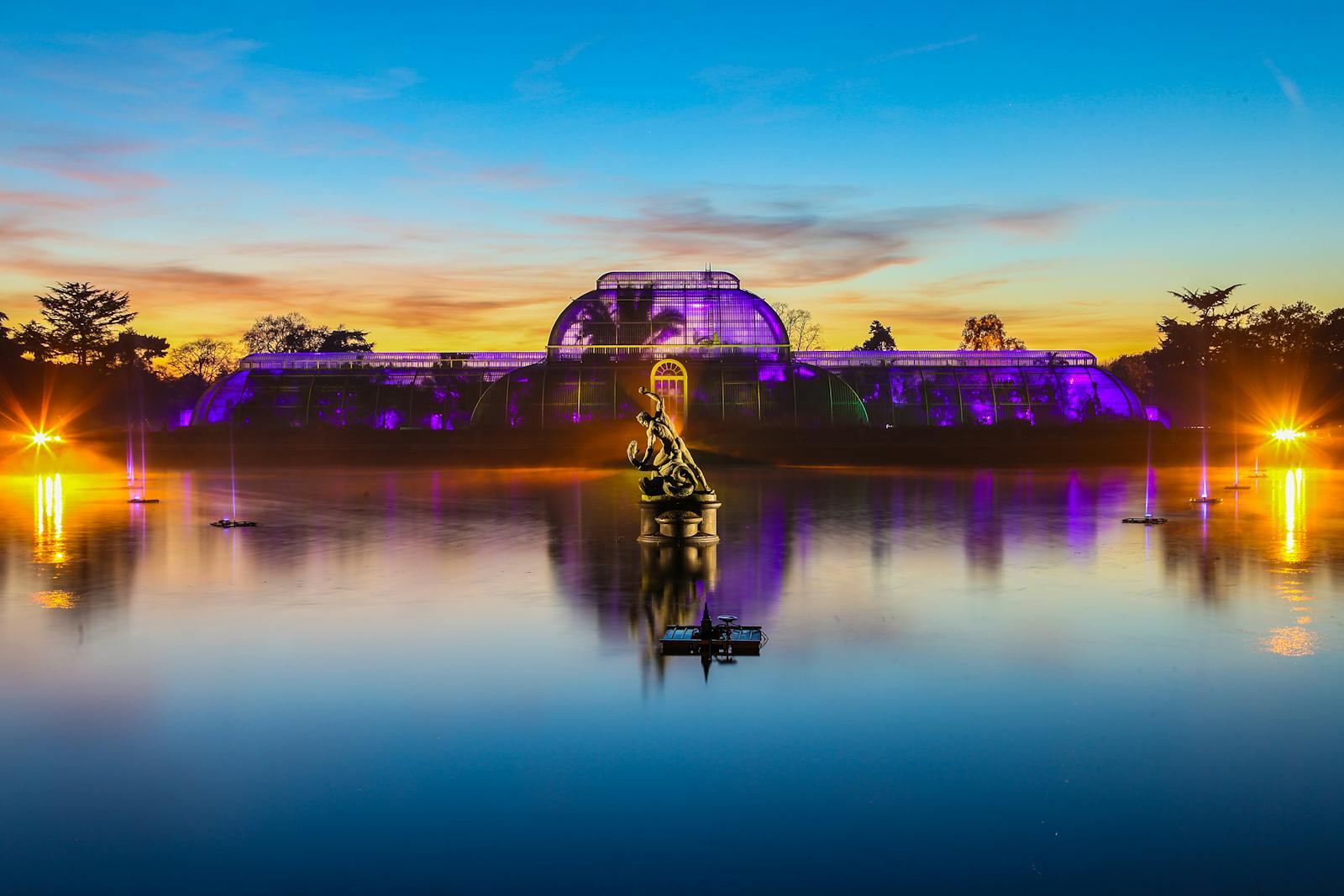
- Kew GardensA World Heritage Site, this 326-hectare site houses the largest collection of living plants in the world. The tropical greenhouses and themed gardens offer a complete botanical escape, ideal for a half-day.5h
- Regent's ParkThis central park hosts the London Zoo and offers large shaded lawns. It is a popular place for relaxation to walk between the Camden and Marylebone districts, with clear views of the city center.2h
- Greenwich ParkLocated on the south bank of the Thames, this park houses the Royal Observatory and marks the Prime Meridian. The walk to the top offers an unobstructed view of the London skyline, including The Shard and Tower Bridge.3h
Viewpoints and panoramas
Observing the city from above allows you to grasp the scale of London and the layout of its main monuments. Several modern and historic structures offer distinct perspectives on the Thames and the center.
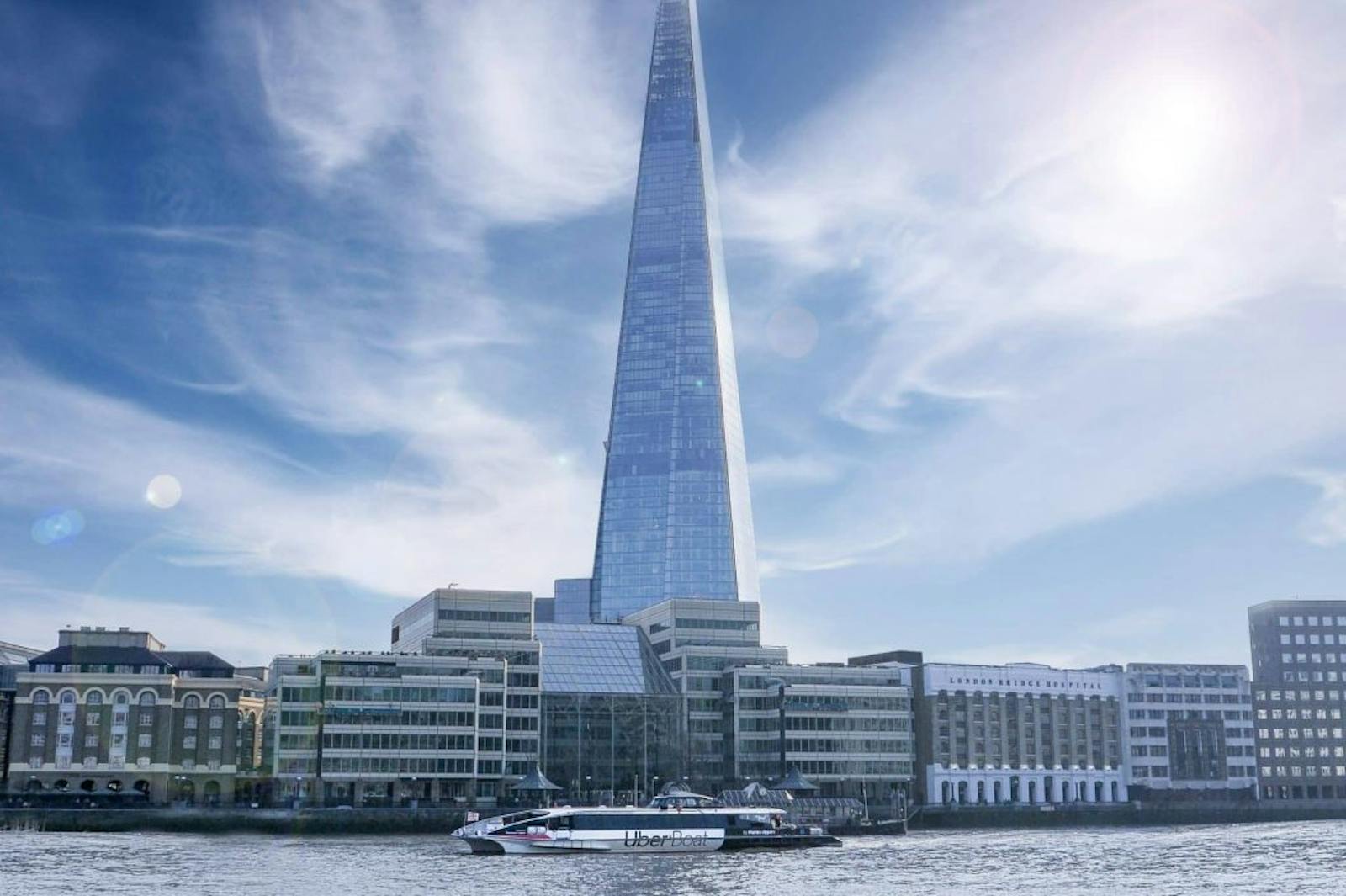
- View from The ShardFrom the observation platforms of this tower, you enjoy a 360-degree view of the metropolis. It is one of the highest points in the city, ideal for identifying neighborhoods and main urban axes.1h
- London EyeThis large Ferris wheel located on the south bank of the Thames offers an experience in enclosed cabins. The slow rotation allows you to observe the landscape from a stable angle, particularly Westminster Palace and Tower Bridge.30min
- Thames Path WalkWalking along the riverbanks, between Westminster and Greenwich, lets you discover the city at water level. This linear route alternates views of bridges, modern buildings, and reconverted port areas.2h
Family Activities
Visitors accompanied by children find in London attractions designed for all ages. These places combine education and entertainment, making it easy to manage mixed groups while respecting different paces.
- Zoo de LondresLocated in Regent's Park, this historic zoo features over 750 animal species. The enclosures are integrated into a lush setting, allowing close observation of animals in an environment close to their natural habitat.3h
- Science MuseumIn South Kensington, this museum offers interactive exhibitions on technology and science. Hands-on workshops and demonstrations attract young visitors and make abstract concepts tangible.3h
- Royal Albert HallAlthough primarily known for concerts, this iconic building in South Kensington is worth a visit for its exterior and interior architecture. It serves as an architectural landmark during a stroll through the neighborhood.1h
Evenings and Nightlife
London's nightlife extends far beyond classic bars. It includes shows, night visits to monuments, and walks through lively neighborhoods where architecture takes on another dimension under the lights.
- Spectacles à West EndThe Covent Garden and Leicester Square area concentrates the West End theaters. Attending a play or musical here is a major cultural experience, with high-quality scenic productions.2h
- Night Visit to the Tower of LondonCertain time slots allow visiting the fortress after general public closing hours. The atmosphere changes radically, offering a different perspective on the site's history without the daytime crowds.2h
- Stroll Through SohoThis dense and vibrant neighborhood is full of narrow streets, colorful facades, and illuminated signs. Night walking here is safe and pleasant, allowing you to discover the city's social buzz.1h
Choose your base
Neighborhoods in Greater London
The best neighborhood depends on your itinerary, pace, and preferred return time.
Political History and Royal Monuments
Westminster
Administrative heart of the city, Westminster concentrates symbols of British power. Buckingham Palace marks the entrance to St James's Park, while Westminster Abbey and the Palace of Westminster dominate the north bank of the Thames. The area is pedestrian around Trafalgar Square, facilitating discovery on foot. Neo-Gothic architecture contrasts with classic government buildings. It is the ideal starting point to understand the organization of the British state and admire the changing of the guard, a free activity but subject to weather conditions.
Buckingham Palace · Westminster Abbey · Big Ben and Houses of Parliament · Trafalgar Square
Medieval Heritage and Finance
City of London
Former commercial heart of the city, the City retains a distinct identity with its narrow streets and modern towers. The Tower of London, a World Heritage site, houses the Crown Jewels and offers a dive into military and royal history. Nearby, St Paul's Cathedral dominates the urban landscape with its baroque dome. The neighborhood mixes financial activities and historical tourism, with covered passages and paved squares. A walk along the Thames to Tower Bridge allows connecting this zone to the south of the city on foot.
Tower of London · St Paul's Cathedral · Tower Bridge · Bank of England
Contemporary Culture and Thames Views
South Bank
On the south bank of the Thames, South Bank offers a continuous promenade lined with major cultural institutions. The Tate Modern occupies a former power station, showcasing a collection of modern and contemporary art. The London Eye, an iconic Ferris wheel, provides aerial views of the city. The Shard, the tallest building in Western Europe, features panoramic observation platforms. The area remains lively in the evening, with food markets and theatres such as Shakespeare's Globe. Access is easy from Waterloo or London Bridge, connecting directly to the historic centre.
London Eye · View from The Shard · Tate Modern · Shakespeare's Globe Theatre · Borough Market
Museums and universities
Bloomsbury
An intellectual and academic district, Bloomsbury is home to the British Museum, one of the largest museums in the world. The area is quiet and tree-lined, featuring squares and Victorian facades. The Cartoon Museum and Wellcome Collection offer complementary thematic exhibitions. The presence of University College London gives the neighbourhood a studious atmosphere. The streets are perfect for strolling, with old bookshops and specialty cafés. It is an ideal spot for a morning dedicated to art and history, before walking to Covent Garden for the afternoon.
British Museum · Cartoon Museum · Wellcome Collection · University College London
Gardens and residential architecture
Kensington & Chelsea
Located west of the centre, this district combines residential elegance with exceptional green spaces. Kensington Gardens and Hyde Park form a continuous expanse of greenery accessible to all, with shaded paths and historic fountains. Kensington Palace, the official residence of some members of the royal family, occasionally opens its doors to the public. The Natural History Museum and Science Museum, located in South Kensington, attract families and curious visitors alike. The V&A Museum complements this cultural offering with its design and decorative arts collections. The area is well served by the Underground, making it easy to travel back and forth to the centre.
Kensington Gardens · Hyde Park · Natural History Museum · Science Museum · Victoria and Albert Museum
Royal Observatory and maritime heritage
Greenwich
In the south-east of the city, Greenwich marks the Prime Meridian, the global reference for time calculation. The Royal Observatory, a UNESCO World Heritage Site, features exhibitions on astronomy and navigation. Maritime Greenwich tells the story of British naval history through models and archives. Greenwich Park offers unobstructed views of the Thames and central London. The area has been transformed by the construction of the O2 Arena and new buildings, creating a blend of maritime traditions and contemporary urbanism. Access is easy by train from Victoria or Paddington, or by boat from the City.
Royal Observatory · Maritime Greenwich · Greenwich Park · O2 Arena
Alternative markets and international station
Camden & King's Cross
A dynamic north-western zone, Camden Town is renowned for its street food and vintage clothing markets. The eclectic atmosphere attracts a young and creative crowd. King's Cross and St Pancras International form a major transport hub, linking London to the rest of the UK via high-speed trains. The British Library, located just next door, offers free access to exceptional documentary collections. The area combines practical amenities for travellers with less touristy cultural discoveries than the centre. Its proximity to Euston makes connections to the south of the city convenient.
Camden Town Markets · British Library · King's Cross Station · St Pancras International
Nature and relaxation away from the centre
Richmond & Kew
West of the city, Richmond and Kew offer an ideal green escape for a half-day. Kew Gardens, a UNESCO World Heritage Site, houses the largest living plant collection in the world across 326 hectares. Tropical glasshouses and themed gardens allow you to enjoy different atmospheres depending on the season. Richmond village, with its bridge over the Thames and café terraces, invites you to pause. Access is available by train from Waterloo or Victoria, or by bus from the centre. This area is particularly suitable for families and visitors seeking a calm environment after an intense day in the urban centre.
Kew Gardens · Richmond Village · Richmond Bridge · Thames Terraces
Tickets & Tours
Attractions to book in Greater London
These attractions have a Visit Tickets page in this language. Each listing opens in a new tab to keep the guide handy.



Organize your stay
Practical tips for visiting Greater London
Best Time to Visit
London's climate varies considerably depending on the season, directly influencing the length of days and tourist crowds. Choosing the right time window helps optimize travel comfort and site availability.
Spring (April to June) offers mild temperatures and longer days, ideal for strolls in parks like Kew Gardens. It is also the season when vegetation is most lush, enhancing the visual appeal of green spaces.
Summer (July to August) is the peak tourist season. Days are the longest, but queues at major attractions like the Tower of London or the London Eye are longer. It is advisable to book in advance to avoid wasting time.
Autumn (September to November) brings golden light and changing colors in the parks. Crowds decrease slightly compared to summer, offering a calmer experience in museums and historic neighborhoods.
Winter (December to February) is cold and damp, but short days compensated by the festive end-of-year atmosphere can appeal to some travelers. The heated interiors of museums then become appreciated refuges.
- Book entry tickets for popular sites as soon as your dates are announced.
- Plan to wear waterproof clothing year-round, as showers are frequent.
- Check specific museum opening hours during the year-end holidays.
- Consider April or October for a better weather/crowd balance.
Getting around the city
London's transport network is vast and complex, combining the Underground, buses, surface trains, and river services. A good understanding of fare zones and connections is essential to optimize your journeys.
The Tube (Underground) is the fastest way to cover long distances. It runs from early morning until late at night, but it is important to check service times, as some lines close earlier than others.
Red buses run day and night on many main routes. They are often cheaper than the Tube for short trips and allow you to see the city from street level, unlike the underground.
The Oyster card or contactless payment simplifies transactions. There is no need to buy paper tickets, except for very specific journeys outside the central zone. The system automatically applies the daily fare cap.
For trips to distant sites like Kew Gardens, the suburban train (National Rail) or the DLR may be more efficient than the Tube. Check real-time transport apps to anticipate delays or partial closures.
- Use a dedicated navigation app for London transport to plan your routes.
- Avoid peak hours (8am-9:30am and 5pm-7pm) if you want to travel comfortably.
- Keep your phone charged for contactless payment or access to the digital Oyster card.
- Walk for distances under 15 minutes; it is often faster than waiting for a bus.
Budget and estimated costs
Costs in London vary greatly depending on activity and dining choices. Although exact prices fluctuate, it is possible to estimate major expenses to structure a realistic budget without surprising visitors.
Entry to major national museums such as the British Museum or the National Gallery is free. However, temporary exhibitions and historic sites like the Tower of London or Kew Gardens charge admission fees, which make up a significant part of the cultural budget.
Transport represents a regular expense. A daily pass covers unlimited travel in central zones, which is advantageous if you plan several trips per day. Journeys to outer zones cost more.
Dining can range from a simple meal at a food market to a gourmet dinner. To keep costs down, favor markets like Borough Market or fast-food chains for lunch, and save specialty restaurants for occasional dinners.
It is recommended to allow a buffer for unexpected expenses, such as buying souvenirs or additional activities not initially planned. Cash remains useful for small shops, even though card payment is ubiquitous.
- Identify free museums to reduce fixed entry fees.
- Compare online ticket prices before heading to the site.
- Plan a daily transport budget based on the number of zones crossed.
- Limit souvenir purchases to symbolic items to control final spending.
Choosing where to stay
The location of your accommodation directly influences your travel time and immersion in the city. Each neighborhood offers a distinct atmosphere and different access to major attractions.
Westminster and Covent Garden are ideal for first-time visits, located in the heart of major attractions. You can reach the Tower of London, the British Museum, or the Thames on foot in less than 30 minutes. The buzz is constant, day and night.
South Kensington and Notting Hill offer a more residential and elegant setting. These neighborhoods are perfect for those who enjoy browsing boutiques and parks. They are well served by the Tube, allowing quick access to the center.
Shoreditch and Hackney suit visitors attracted to the contemporary artistic and culinary scene. These areas are further from the historic center but offer an authentic local experience and a vibrant nightlife.
For families, neighborhoods near parks like Regent's Park or Hyde Park are advantageous. They provide outdoor play spaces and a calmer atmosphere than the strict center, while remaining connected to the transport network.
- Check proximity to a major Tube station to facilitate movement.
- Assess the neighborhood noise level if you are sensitive to noise at night.
- Prefer neighborhoods with supermarkets and bakeries for breakfasts.
- Consult recent reviews on safety and cleanliness of pedestrian streets.
Visiting with children
Taking children to London requires planning adapted to their pacing and interests. Alternating between intense activities and rest periods is crucial to maintain the group's enthusiasm.
Parks like Regent's Park and Greenwich Park offer spaces to run and play, allowing children to burn off energy. Plan picnic breaks in these green areas to break up the pace of cultural visits.
Interactive museums like the Science Museum or the Natural History Museum captivate young audiences with their touch exhibits and animations. These venues are generally spacious, making it easy to move strollers and groups.
Tube journeys can be tiring for toddlers. Prefer buses for short trips, as they allow easy exits and offer views of the city. Avoid peak hours to avoid being stuck in crowded carriages.
Plan backup activities in case of fatigue or bad weather. Cinemas, shopping centers with games or public libraries can serve as pleasant refuges for a few hours.
- Bring water and light snacks for breaks between visits.
- Check for accessible toilets in parks and museums.
- Adjust visit duration: maximum 2 hours for intense sites.
- Involve children in choosing activities to increase their motivation.
Accessibility and reduced mobility
London has made significant progress in accessibility, but challenges persist at some historic sites. Careful preparation is necessary to ensure a comfortable visit for people with reduced mobility.
The London Underground is largely accessible via elevators and ramps, but some older stations remain difficult to reach. Check the list of accessible stations on the official website of Transport for London before planning your routes.
Major museums like the British Museum or Tate Modern are fully accessible, with adapted routes and assistance equipment. Historic sites like the Tower of London have implemented accommodations, but some upper or narrow areas may remain inaccessible.
London black cabs are designed to accommodate wheelchairs. It is recommended to book in advance to ensure the availability of an adapted vehicle, especially in the evening or during major events.
Public parks generally have paved or stabilized paths, facilitating movement. However, uneven terrain in botanical gardens like Kew Gardens may require a sturdy cane or walker.
- Contact sites in advance to learn about specific accessibility details.
- Use adapted taxi services rather than the Underground for long distances.
- Plan frequent breaks in equipped locations with accessible seating and toilets.
- Sign up for free companion programs offered by some museums.
Booking and crowd management
Some attractions in London require or recommend booking to guarantee entry. Anticipating these steps helps avoid disappointments and saves valuable time during your stay.
The Tower of London, Kew Gardens, and View from The Shard often require online booking, especially in high season. Buy your tickets as soon as your dates are confirmed, as popular time slots fill up quickly.
For free museums like the British Museum, booking is not always mandatory, but it allows you to choose a specific time and avoid queues at the entrance. This is particularly useful for temporary exhibitions.
West End shows require prior booking. The best seats go fast, so it is advisable to book several weeks in advance. Compare offers from different ticket offices to find the best value for money.
To manage crowds, prefer visits in the early morning or late afternoon. Sites are less crowded at these times, which improves the quality of the experience and reduces waiting time.
- Create an account on the official attraction websites to track availability.
- Check cancellation and modification conditions before buying your tickets.
- Download your e-tickets to your phone for quick access.
- Arrive 15 minutes before your reserved time slot to pass through security checks.
Ready-to-follow itineraries
Recommended itineraries in Greater London
Days group nearby sites to minimize backtracking. Book time slots before finalizing the rest of your plan.
The essentials of the historic center
A dense day between the Thames and royal parks
This day concentrates the iconic sites of London on a coherent geographical axis, alternating structured visits and moments of relaxation. The route starts in the south of the Thames and heads north-west, avoiding unnecessary back-and-forth trips on the Underground. Visit times are calibrated to absorb the essence of each place without sacrificing the quality of the experience.
Day 1
From the City to Kew Gardens
An itinerary that connects the Tower of London to the botanical gardens via the cultural heart of the city.
Tower of London
Start with the Tower of London, a UNESCO World Heritage site. The tour covers the renovated medieval palace and the Crown Jewels. Allow about two hours to explore the dungeons and inner courtyards. Morning access helps avoid peak crowds while benefiting from favorable natural light for photography.
2hCity of LondonLunch break near Tower Bridge
After the visit, cross Tower Bridge on foot to reach the south bank. This area offers an unobstructed view of the Thames. Choose a simple restaurant or café to digest before continuing the day. The walk between the Tower and the bridge is short and pleasant, offering a first glimpse of the river.
1hSouthwarkView from The Shard
Head to The Shard, Europe's tallest tower, located just across from the south bank. Ascending to the observation platforms offers a 360-degree panoramic view of London. It is a good moment to geographically locate the neighborhoods you will visit next. The visit duration is short; allow one hour to go up, observe, and come down.
1hSouth BankStroll along the South Bank
Head down to the South Bank promenade. This linear route runs along the Thames and allows you to discover the Tate Modern and National Theatre without necessarily entering the buildings if you are tired. It is an ideal transition moment to walk, observe modern architecture, and rest from previous efforts. Take time to sit on the benches facing the river.
1hSouth BankLondon Eye
End the middle part of your day with the London Eye. This large Ferris wheel on the Thames offers a different experience from rooftop views. The slow rotation allows you to admire the city from a unique angle. Allow about 45 minutes for potential waiting and the full rotation. It is a strong visual landmark to close out the urban phase of the day.
45minWestminsterTransfer to Kew Gardens
Take the train or bus to reach Kew Gardens, located in the southwest of the city. The journey takes approximately 45 minutes to an hour depending on the mode of transport chosen. This move marks the end of the intense day in the center and prepares you for an immersion in nature. Check the garden closing times before leaving, as they vary by season.
1hKewDinner and end of day
If the gardens are still open, take advantage of it for a last night walk or simply to enjoy the tranquility of the place. Otherwise, head back to the center for a light dinner. This day has been physically demanding; opt for a simple meal and a restful night to prepare for the rest of your stay.
1hKew
Culture and nature
A balanced weekend between history and relaxation
This weekend offers a logical distribution of activities to avoid fatigue. The first day focuses on the historic heart and major monuments, while the second day opens up to the parks and museums of the southwest. This alternation allows combining cultural intensity with moments of breathing space in green areas.
Day 1
The historic heart of London
Visit the iconic sites of the City and Westminster.
Tower of London
Start the week with the Tower of London. The visit includes the Crown Jewels and the medieval palace. Recent renovations have improved accessibility and the flow of the tour. Allow two hours for a complete exploration. Arriving early allows you to enjoy optimal natural lighting in the vaulted halls.
2hCity of LondonWalk to St Paul's Cathedral
Follow the Thames route to St Paul's Cathedral. This walking route is pleasant and offers views of the City. The cathedral, a masterpiece by Christopher Wren, deserves an interior visit of about an hour. The acoustics of the nave are remarkable, even without a concert. Take the opportunity to have a coffee break in the area.
1h30City of LondonLunch in the Covent Garden area
Head to Covent Garden, a lively district known for its markets and artistic scene. It is a good place to lunch, with a variety of options ranging from simple cafes to more elaborate restaurants. The area also offers a vibrant atmosphere that contrasts with the solemnity of the previous monuments. Walk freely to discover the shops and street performances.
1h30Covent GardenTrafalgar Square and National Gallery
Extend the walk to Trafalgar Square. The National Gallery, located just next door, houses a major collection of classical works. Even if you do not stay long, the free entry allows you to catch a glimpse of the masterpieces. The square itself is an ideal meeting point to observe London life. Allow one hour for this stop, alternating between the gallery and the square.
1hWestminsterView from The Shard
Head back to the south bank to visit The Shard. The 360-degree panoramic view is particularly impressive at the end of the day, when the light turns golden. It is an excellent way to mentally synthesize the neighborhoods visited. The ride up and down takes about an hour in total.
1hSouth BankFree evening
The day ends with a free evening. You can choose to dine in the Soho district, known for its culinary diversity, or return to your accommodation. Avoid long journeys at this stage to preserve your energy for the next day.
2hSoho
Day 2
Parks and natural collections
Immerse yourself in green spaces and scientific museums.
London Zoo
Start your day at the London Zoo, located in Regent's Park. With over 750 animal species, it is a green oasis in the heart of the city. The visit can last three to four hours, depending on your interest in the different sections. The atmosphere is calmer than in the center, ideal for a family or solo morning.
3hRegent's ParkLunch break in Regent's Park
Enjoy the park's greenery for a picnic or a quick lunch. The terraces around the zoo offer a pleasant setting. It is the perfect time to relax after the morning walk. Watch the birds and local visitors to capture the park's peaceful atmosphere.
1hRegent's ParkNatural History Museum
Head to the Natural History Museum in South Kensington. This museum houses impressive collections, including the diplodocus skeleton in the Great Hall. The visit lasts about two hours. The building's Victorian architecture is an attraction in itself. It is a perfect complement to the zoo, deepening your understanding of biodiversity.
2hSouth KensingtonKensington Gardens
Stroll through Kensington Gardens, adjacent to the museum. This royal park offers a space for relaxation before the end of the day. You can see the monument to Alfred Lord Tennyson and the Palm House conservatories there. The walk is easy and allows you to end the day gently, away from the hustle and bustle of the center.
1hKensingtonReturn and dinner
Head back toward the center for dinner. After a day spent in parks and museums, a convivial meal will bring this balanced weekend to a close. Choose a neighborhood near your accommodation to minimize travel.
1h30Central London
Full immersion
A week to explore all facets of London
This seven-day week allows you to deepen your discovery of London by alternating cultural intensity, park excursions, and rest days. Each day has a distinct theme, but the itineraries remain geographically coherent to limit transport. Regular breaks are integrated to maintain the pace without exhaustion.
Day 1
Arrival and acclimatization
Gentle discovery of the center and first panoramic view.
Check-in and settling in
Start by unpacking your bags. If your hotel is not ready, leave your belongings at the luggage storage. Take the time to familiarize yourself with your accommodation neighborhood and locate nearby metro stations. This is important to optimize the following days.
1hHotel neighborhoodHyde Park walk
Meet at Hyde Park, one of the largest parks in London. A light stroll helps you breathe fresh air and start to understand the scale of the city. Cross Serpentine Lake and observe residents out for a walk. It is a soothing start to your stay.
1h30Hyde ParkLunch in the Knightsbridge area
Leave the park to have lunch in the Knightsbridge area. Options range from fast food to gourmet restaurants. Choose according to your budget and appetite. The area is commercial, allowing you to make some purchases if needed.
1h30KnightsbridgeView from The Shard
Head to The Shard for a first panoramic view. It is a good way to locate the neighborhoods you will visit in the coming days. The ascent is quick and the 360-degree view is breathtaking. Allow one hour for the visit.
1hSouth BankStroll along the South Bank
Head down to the South Bank for a walk along the Thames. Pass by the Tate Modern and the National Theatre. You don't necessarily need to enter the museums today; just enjoy the outside. It's a relaxing moment before dinner.
1hSouth BankDinner and rest
End the day with a simple dinner and an early return to the hotel. The first day is mainly about getting used to the London pace and testing the transport. Sleep well to be ready for the following days.
2hHotel neighborhood
Day 2
History and monarchy
Tower of London, Buckingham Palace and Westminster.
Tower of London
Devote the morning to the Tower of London. A detailed visit of the Crown Jewels and the medieval palace takes time. Allow at least two hours. Official guides add a valuable narrative dimension to royal history.
2hCity of LondonBuckingham Palace
Head to the Buckingham Palace on foot or by metro. Depending on the time, you may be able to watch the Changing of the Guard, a traditional ceremony. Even without the ceremony, the exterior of the palace and the Victoria Memorial garden are worth a visit. Allow one hour for this stop.
1hWestminsterLunch near Piccadilly Circus
Head to Piccadilly Circus for lunch. The area is lively and offers many options. It's also a good starting point to explore the shopping streets of Mayfair and Soho. Take your time to eat and observe the urban buzz.
1h30PiccadillyWestminster Abbey
Visit the Westminster Abbey, a UNESCO World Heritage Site. It is the site of coronations and royal funerals. A guided tour is recommended to understand the historical significance of the place. Allow an hour and a half for a complete exploration.
1h30WestminsterLondon Eye
End the day with the London Eye. The view in the late afternoon is magnificent, especially when the sun sets over the Thames. The rotation offers a visual synthesis of the city. Allow 45 minutes for the activity and the wait.
45minWestminsterDinner in the Charing Cross area
Choose a restaurant in the Charing Cross area for dinner. The area is central and well connected. After a busy day, a hearty meal is justified. Return to the hotel for a night of rest.
1h30Charing Cross
Day 3
Museums and classical culture
British Museum, National Gallery and Somerset House.
British Museum
Start with the British Museum, which is free and vast. Focus on major pieces like the Rosetta Stone and Egyptian mummies. It is impossible to see everything in one go, so choose a thematic route. Allow two hours for a satisfying visit.
2hBloomsburyLunch break in Bloomsbury
Leave the museum to have lunch in the Bloomsbury area. The surrounding streets are full of affordable cafes and restaurants. It is a student quarter, which gives it a young and dynamic atmosphere. Take the opportunity to browse the independent bookshops.
1hBloomsburySomerset House
Join Somerset House, an elegant architectural complex on the Thames. It houses art galleries and beautiful indoor gardens, especially in winter. The visit is self-guided and offers a nice change of pace after the museum. Allow one hour to explore.
1hStrandNational Gallery
Cross the Thames to reach the National Gallery at Trafalgar Square. Its collection of classical paintings is exceptional. Even a quick visit allows you to appreciate major works. Admission is free, making it easy to access. Plan for an hour and a half.
1h30WestminsterTrafalgar Square
Stay in the area to admire Trafalgar Square. The fountains, lions, and Nelson's Column form an iconic urban landscape. It's a great spot for photos and observing London life. Allow 30 minutes for this stop.
30minWestminsterDinner and rest
End the day with dinner in the Covent Garden area or head back to your accommodation. The day has been both intellectual and physical, so it's time to relax. Pack your things for the next day.
1h30Covent Garden
Day 4
Greenwich Excursion
A day outside the center, focusing on maritime history.
Transport to Greenwich
Take the train or boat to Greenwich, located east of the city. The journey already offers interesting views of the Thames. Greenwich is a World Heritage Site, rich in maritime and scientific history. Plan for a full half-day.
1hGreenwichRoyal Observatory Greenwich
Visit the Royal Observatory, where the prime meridian is defined. It's a fascinating place for astronomy and history enthusiasts. The tour includes interactive exhibits. Allow an hour and a half to explore the buildings and gardens.
1h30GreenwichLunch at Greenwich Market
Head to the Greenwich Market for lunch. It's a lively spot with many food stalls. You can find local and international specialties there. The atmosphere is festive and friendly. Allow one hour for the meal and browsing.
1hGreenwichCutty Sark Ship
Visit the Cutty Sark, a preserved 19th-century clipper. It's a testament to the golden age of maritime trade. The interior tour is impressive. Allow one hour to explore the ship and its history.
1hGreenwichStroll through Greenwich Park
End the day with a stroll through Greenwich Park. The views of the Thames and central London are superb. It's a relaxing moment before heading back. Allow one hour for the walk.
1hGreenwichReturn and dinner
Head back to the center for dinner. After a day of excursions, a simple and comfortable meal is in order. Choose a neighborhood close to your accommodation to avoid long evening trips.
1h30Central London
Day 5
Nature and botanical gardens
Kew Gardens and urban regeneration.
Kew Gardens
Spend the morning at Kew Gardens, a UNESCO World Heritage Site. Spanning 326 hectares, it is a vast botanical park. Focus on the main glasshouses and themed gardens. The visit can take three hours, depending on your pace. The atmosphere is very calm and conducive to contemplation.
3hKewLunch in the gardens
Have lunch in one of the restaurants or cafés located within the gardens. The atmosphere is peaceful and the dishes are often fresh. It is the perfect time to rest and enjoy the greenery. Allow an hour and a half for the meal.
1h30KewReturn to the centre
Head back to the centre of London by train or bus. The journey provides an active break after a day in the gardens. You can also choose to stay in the Richmond area for an extra stroll if you have the energy.
1hRichmondBattersea Park
Visit Battersea Park, another large green space in London. It offers views of the Thames and modern facilities. It is a good compromise between nature and urban life. Allow one hour for the walk.
1hWandsworthDinner and rest
End the day with a light dinner. The day has been focused on nature, so it is time to relax. Prepare yourself for the final week of cultural visits.
1h30Wandsworth
Day 6
Creative neighbourhoods and street art
Shoreditch, Camden and East End.
Camden Town
Start with Camden Town, known for its vintage market and alternative vibe. Stroll through the colourful streets and discover unique shops. Camden Market is a must-see. Allow two hours for exploration.
2hCamdenLunch in Camden
Have lunch in one of the many food trucks or market restaurants. Options range from vegetarian dishes to Asian specialities. It is a varied and affordable culinary experience. Allow one hour for the meal.
1hCamdenShoreditch and street art
Head to Shoreditch, the street art quarter and hub of creativity. Walk through the streets to admire the murals. The area is also known for its trendy cafés and contemporary art galleries. Allow two hours for strolling.
2hShoreditchSpitalfields Market
Visit Spitalfields Market, an elegant covered market. It offers artisanal products, fashion and food. The atmosphere is chic and cosmopolitan. It is a great place to buy original souvenirs. Allow one hour for exploration.
1hEast EndDinner in the East End
End the day with a dinner in the East End. The area offers exceptional culinary diversity, reflecting London's multicultural population. Choose a restaurant that appeals to you and enjoy one last evening before departure.
1h30East End
Day 7
Free day and souvenirs
Returns, shopping, and departure preparations.
Breakfast and check-out
Enjoy a quiet breakfast and pack your bags. If your flight is later in the day, you can leave your luggage at the hotel or at a locker. Use the morning to review your notes and identify any last spots to see.
1h30Hotel neighborhoodSouvenir shopping
Head to the Covent Garden or Oxford Street area to buy souvenirs. Major stores and gift shops are concentrated here. It's the last chance to shop before leaving. Allow an hour and a half.
1h30Covent GardenFinal lunch
Have a memorable lunch in a neighborhood you love. Whether it's a traditional pub or a modern restaurant, it's a chance to savor London cuisine one last time. Allow an hour and a half for the meal.
1h30Central LondonLast stroll
Take a final walk in a park or along the Thames. This is the time to take souvenir photos and mentally mark the places you enjoyed. Allow one hour for this final stroll.
1hSouth BankTransfer to the airport
Head to the airport by train or taxi. Allow time for security checks and boarding. End your stay smoothly, with the feeling of having explored London comprehensively.
2hAirport
For longer stays
Excursions from Greater London
Kew Gardens
Located in the southwest of the city, Kew Gardens is a UNESCO World Heritage site. Its 326 hectares house the largest living plant collection in the world. Access from the center requires a train or bus ride, making it an ideal destination for a full immersion in nature away from urban noise. Allow several hours to explore the greenhouses and themed gardens.
Families and botany enthusiastsLondon Zoo
Nestled in Regent's Park, northeast of the center, the London Zoo offers a historic setting to discover over 750 animal species. Its proximity to the center makes it easily accessible by metro or on foot from nearby neighborhoods like Camden or King's Cross. It's an activity suitable for children, offering a green and educational break in the heart of the capital.
Families with childrenTower of London and Tower Hamlets district
The Tower of London, an iconic site housing the Crown Jewels, takes several hours to visit. Since May 2025, the renovated medieval palace offers enhanced tours. Located near the Thames, it fits perfectly into a walk towards Tower Bridge and Borough Market. The area is dense with history and viewpoints, ideal for understanding London's urban evolution.
History and culture enthusiastsThames walk: London Eye and The Shard
This excursion combines two major viewpoints on the south bank of the Thames. The London Eye offers panoramic views from its giant wheel, while The Shard provides 360-degree observation platforms. The geographical proximity between these two sites allows them to be combined in a single outing, alternating suspended time and walking along the river to appreciate the city's modern architecture.
Visitors seeking panoramic viewsGetting oriented
Map of attractions and itineraries
Use the map to visualize tour clusters. Actual travel times depend on traffic and connections.
OpenStreetMap base layer. Check routes and accessibility in real-time before departure.
Frequently asked questions
Prepare your visit to Greater London
For a first trip covering the essentials, three to four days are recommended. This duration allows you to visit the main museums, parks, and historical sites without rushing. Visitors already familiar with the city can reduce this to two days by targeting specific neighborhoods. It is important to plan breaks, as the density of attractions can be exhausting. A well-structured itinerary avoids fatigue from constant travel between the capital's various tourist hubs.
Yes, it is strongly advised to book in advance for major attractions like the Tower of London, Kew Gardens, or The Shard. This guarantees entry and often helps avoid long queues, especially during peak season. For the London Eye, online booking also offers better visibility on available time slots. National museums like the British Museum do not require paid tickets, but booking can facilitate access during peak times. Planning ahead optimizes your time on site.
London's public transport network is extensive and efficient. The metro, the world's oldest underground network, covers most tourist areas. Buses offer a practical alternative for short trips and allow you to admire the city from the road. An Oyster card or contactless payment facilitates multiple journeys. For excursions to Kew Gardens, the train is often faster than the bus. It is recommended to check real-time schedules via the TfL Go app before departing, as works may affect certain lines.
Absolutely. The city offers many activities suitable for all ages, such as the London Zoo in Regent's Park or the Kew Gardens. Museums often offer workshops and dedicated spaces for children. The presence of numerous parks allows for active breaks. Public transport is accessible, although pushchairs can be cumbersome in crowded metro stations. Opting for mixed days, alternating cultural visits and free time in the parks, helps maintain the group's energy throughout the stay.
London has improved the accessibility of its infrastructure, but differences remain depending on the sites. Major attractions like the Tower of London or The Shard have elevators and adapted entrances. However, some historical buildings retain stairs or uneven floors. It is prudent to consult the specific information for each site before traveling. Public transport offers assistance services, but it is useful to plan your routes avoiding peak hours for more comfort. Checking the equipment available on site remains the best approach.
The budget varies considerably depending on the style of travel. National museum entries are free, which reduces cultural costs. On the other hand, private attractions like the Tower of London or Kew Gardens represent a significant expense. Accommodation often constitutes the largest part of the budget, especially in the city center. For meals, there are varied options, from local markets to street food restaurants. A good balance consists of alternating paid activities and free discoveries, such as visiting parks or residential neighborhoods, to control spending without sacrificing the experience.
Spring and autumn are often considered the best periods. The climate is milder than winter, with mild temperatures and less rain than summer. Gardens like Kew Gardens are particularly beautiful in spring. Summer attracts more tourists, which can lengthen queues, but offers longer days. Winter has a particular charm with the Christmas lights, but days are short and the cold can be unpleasant. Choosing your season therefore depends on your preference for weather, crowds or festive atmosphere.
It is wise to group visits by neighborhood to limit travel times. For example, combining the Tower of London with Tower Bridge and Borough Market forms a coherent circuit on the south bank of the Thames. Similarly, the British Museum and the Natural History Museum are close to each other. Avoid mixing distant sites like Kew Gardens and the city center on the same day to save time. Structuring the day around a main axis, whether cultural, natural or architectural, makes the itinerary smoother and less tiring for the legs.
Yes, London offers many off-the-beaten-path discoveries. Strolling through the Camden Town or Spitalfields markets allows immersion in local life and street food culture. Parks like Hyde Park or Regent's Park offer free moments of relaxation. Visiting residential neighborhoods like Notting Hill or Greenwich allows you to see the city from a more everyday angle. These experiences complement the visits to major monuments advantageously. They offer a finer understanding of the cultural and social diversity of the capital, often absent from standard tourist circuits.
Walking is omnipresent in London, so it is essential to plan regular breaks. Alternating intense visits, like the Tower of London, with calm moments in a café or park helps to recover. Wearing comfortable shoes is essential. Limiting the number of sites visited per day, prioritizing quality over quantity, allows you to fully enjoy each place. Taking the time to have a leisurely lunch rather than eating standing up also contributes to recovery. Listening to your pace and adapting the itinerary during the day is the key to a pleasant stay.