657 m altitudeMeseta Plateau
Travel Context and Organization
Understanding Madrid Before You Go
Located in the heart of Spain on the Meseta plateau, Madrid is the political and cultural capital of the country. Its central position makes it a natural gateway to the rest of the Iberian Peninsula. The city spans over 600 square kilometers, which explains the diversity of its landscapes, ranging from grand neoclassical avenues to lush parks like Casa de Campo or the Retiro.
Madrid's architecture reflects several centuries of history. Contemporary buildings stand alongside iconic landmarks such as the Puerta de Alcalá, Plaza de Cibeles, or the Almudena Cathedral. This coexistence creates a rich urban setting where each neighborhood has its own character, from the dense historic center to the calmer residential areas in the west or south.
For getting around, the public transport network is the most efficient option. The metro, EMT buses, and commuter trains (Cercanías) cover the entire urban area. Transport cards, such as the Tarjeta Multi or the Abono Joven for young people, allow you to travel easily between different districts. It is advisable to avoid driving in the center, where traffic is often heavy and parking is limited.
The climate plays an important role in planning visits. Summer can be very hot, with temperatures regularly exceeding 30 degrees, while winter is cool but rarely extreme. The intermediate seasons offer the best conditions for walking the streets and visiting outdoor attractions. Planning breaks in the shade or in air-conditioned spaces is essential during the hottest months.
This guide offers a structured approach to visiting, alternating between reserved major monuments and free discoveries. It takes into account geographical distances to avoid unnecessary travel and includes necessary rest times. Whether you are passing through for a few days or staying long-term, these guidelines help organize a smooth stay tailored to your interests.
Experiences & ideas
What to do in Madrid?
From major monuments to neighborhood strolls, craft a stay that alternates between booked tours and free exploration.
Museums and royal heritage
The center of Madrid concentrates the country's major art collections. The visit is organized around three main hubs connected by pedestrian axes, allowing you to alternate between grand halls and more intimate discoveries.
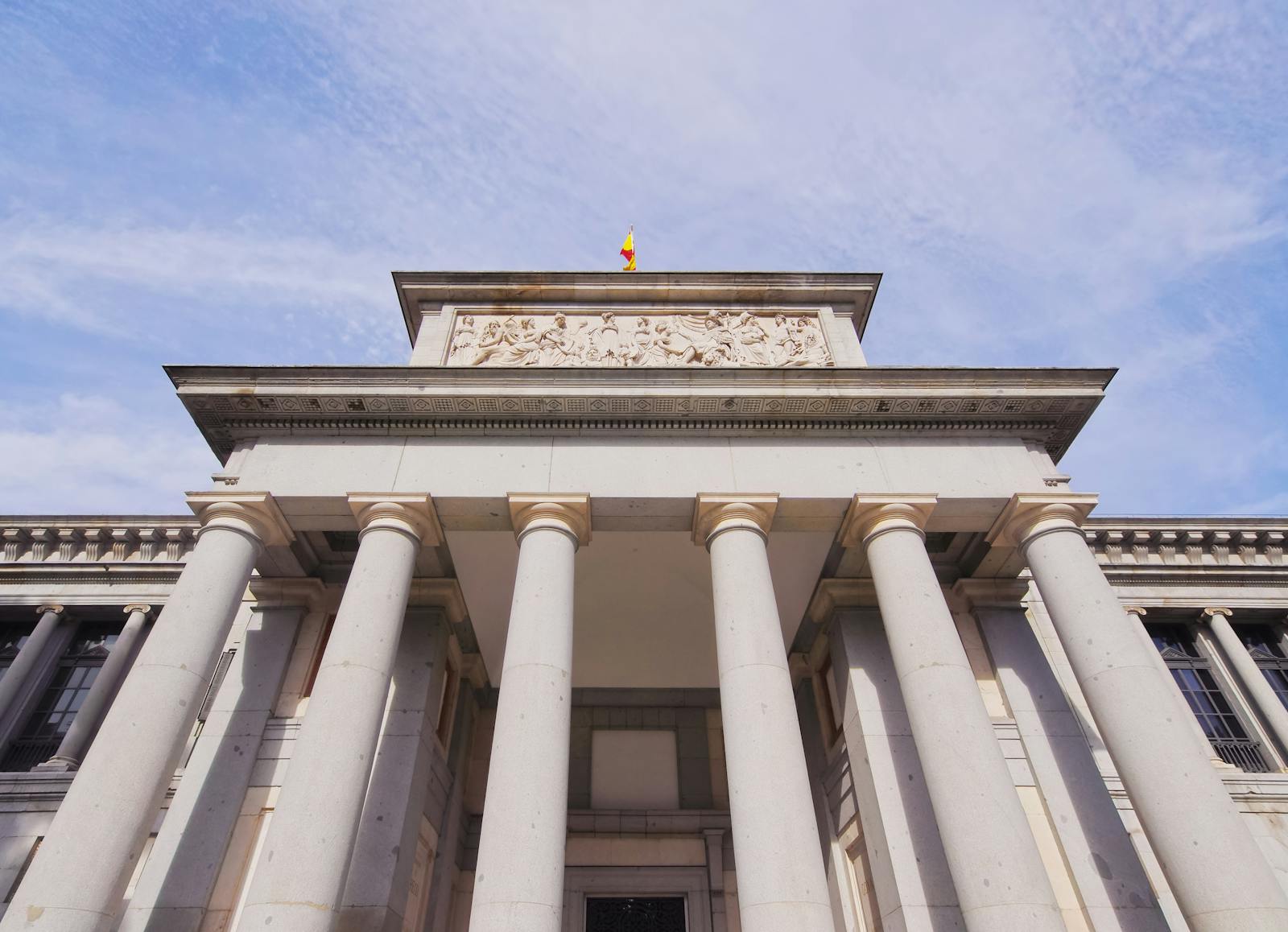
- Prado MuseumThis museum houses masterpieces by Velázquez, Goya, Rembrandt, and Bosch. It is the absolute reference for Spanish and European art. Allow at least three hours for an in-depth visit, prioritizing the wings dedicated to the masters of the 17th century.3 to 4 hours
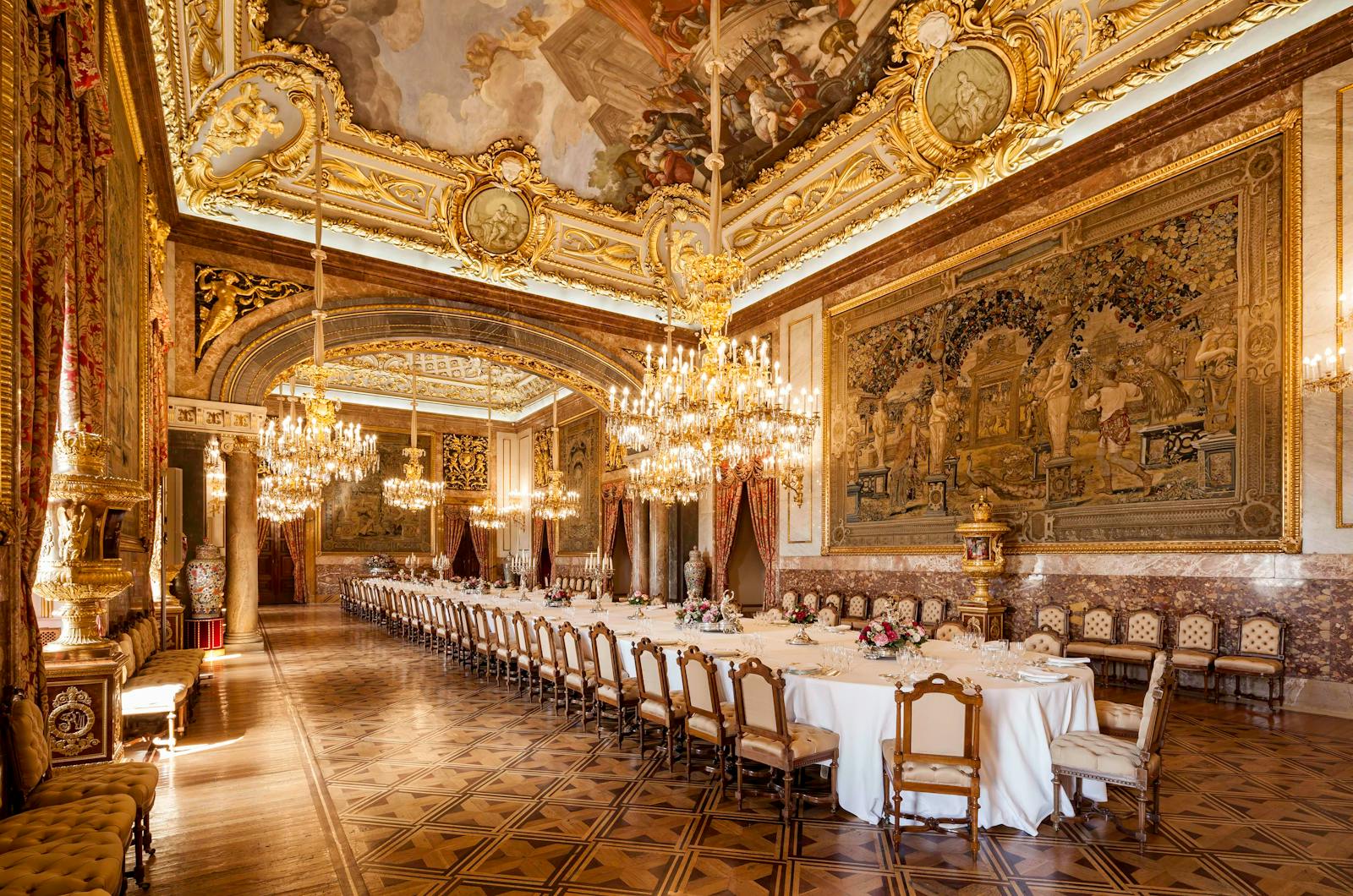
- Palais Royal de MadridLocated on the Plaza de Oriente, this palace offers quick access to its majestic galleries. The Royal Armoury and the Crown Room are highlights. Visits are often combined with the nearby Almudena Cathedral.2 hours
- Cathédrale de l'AlmudenaBuilt right next to the Royal Palace, this modern cathedral contrasts with the surrounding neoclassical architecture. It offers a clear view of the historic center and houses notable contemporary frescoes.1 hour
Historic neighborhoods and walks
Madrid is best explored on foot thanks to its star-shaped layout and grand boulevards. The central districts offer remarkable architectural density, blending neoclassical facades with medieval alleys.
- Gran Vía et Puerta del SolThe main commercial axis runs through the city from east to west. The Puerta del Sol marks the zero point of Spanish roads. It is a bustling thoroughfare, ideal for observing Madrid's urban buzz without prior booking.1 hour 30 minutes
- Barrio de las LetrasFormerly the writers' quarter, it features peaceful squares like the Plaza de Santa Ana and the Plaza de Canovas del Castillo. Colorful facades and commemorative plaques make for a cultural and visual stroll.1 hour
- Parc du RetiroA vast green space in the south of the center, it offers shaded paths, a lake where you can rent boats, and the Palacio de Cristal. It is the city's lung, perfect for a lunch break or an end-of-day unwind.2 to 3 hours
Sports and modern experiences
Beyond history, Madrid is a modern city that highlights its sports identity. These activities cater to football fans as well as those curious about contemporary architecture.
- Stade Santiago BernabéuThe home of Real Madrid allows visitors to tour the museum, pitch, and locker rooms. The immersive experience traces the club's history. This activity requires advance booking, especially on match days.2 hours
- Azca et Torres KIOThe business district northwest of Gran Vía features futuristic architecture. The Azca shopping center and the KIO towers provide a striking contrast to the historic center. Ideal for an evening walk when offices close.1 hour
- Casa de CampoEurope's largest urban park, located southwest of the city. It offers cycling paths, picnic areas, and views of the sierra de Guadarrama. Easily accessible by metro from the center.Half day
Family activities
Families appreciate the vast green spaces and interactive museums. Madrid offers alternatives to classic sites to avoid fatigue from long walks in crowded centers.
- Aquarium de Madrid RíoLocated near Atocha station, this aquarium enjoys a lush setting along the Manzanares river. Children discover marine life in a calming environment, far from the hustle and bustle of the center.2 hours
- Jardins Botaniques RealesClose to Casa de Campo, these gardens feature tropical greenhouses and diverse plant collections. The walk is flat and accessible, making it ideal for young children.2h
- Museo de Ciencias NaturalesLocated in the same complex as the Jardins Botaniques, this museum showcases natural history specimens. Its temporary and permanent exhibitions are designed to be educational and fun.2h
Evenings and Nightlife
Madrid's nightlife starts late. Tapas bars and terraces occupy the main squares. The atmosphere remains convivial and lively until dawn, particularly in the tourist and university districts.
- MalasañaA trendy and alternative neighborhood, known for its vintage boutiques and intimate bars. The atmosphere here is young and creative. It offers a good balance between liveliness and relative tranquility.Evening
- La LatinaOnce a popular working-class district, it becomes the meeting place for tapas lovers on weekends. The cobblestone streets come alive with live concerts and street food stalls. The vibe here is more traditional than in Malasaña.Evening
- Plaza Mayor TerracesThis central square offers a unique historical setting for a drink. Restaurants surround the fountain and royal statue. It is an iconic spot to watch the city at night.1h30
Nature and Outdoors
Despite its urban density, Madrid incorporates large natural spaces. These places allow you to breathe and change pace after a day of intensive cultural visits.
- Parque Juan Carlos ILocated in the Salamanca district, this park is lined with elegant residences. It features extensive lawns and quiet paths. It is an excellent spot for a picnic or quiet reading.1h30
- Sierra de Guadarrama (excursion)Just an hour by train, this mountain range offers spectacular landscapes. In summer, it is a cool destination; in winter, it hosts ski resorts. A day trip is feasible from the center.Full Day
- Madrid RíoThe developed space along the Manzanares river connects several neighborhoods. You will find pedestrian bridges, sports fields, and relaxation areas there. The promenade follows the watercourse and offers views of the lower city.1h30
Choose your base
Neighborhoods in Madrid
The best neighborhood depends on your itinerary, pace, and preferred return time.
First Visit and Architectural Discovery
Historic Center
The beating heart of Madrid concentrates the main historical monuments and iconic squares. This is where you will find the Puerta del Sol, the Plaza Mayor, and the Almudena Cathedral. The streets are pedestrianized or have reduced traffic, making walking easy. The atmosphere is lively, with many cafes and shops. This neighborhood is ideal for understanding the city's urban structure and starting your visit with national symbols. The density of sites allows you to combine several visits in a short time, but plan for breaks as space is limited.
Puerta del Sol and Kilometer Zero · Plaza Mayor and its arcades · Almudena Cathedral · San Miguel Market (seasonal)
Culture and Literature Enthusiasts
Barrio de las Letras
Former quarter of writers, this area located in the northeast of the historic center is paved and quiet. You will find colorful facades, independent bookstores, and art galleries. The ambiance is more intellectual than touristy, attracting visitors seeking a cultural immersion. The narrow alleys invite strolling. It is a good place to grab a coffee on a terrace and observe local life. Its proximity to the center makes it easy to include in a day dedicated to Spanish art and literary history.
Cervantes Alley · Bookstores and art galleries · Sirena Fountain · Artist workshops
Grand Architecture and High-End Shopping
Salamanca
An elegant district bordered by the Gran Vía, Salamanca is renowned for its Belle Époque buildings and luxury boutiques. The ornate facades testify to the prosperity of the 19th century. The Serrano Street is a major commercial axis, while Plaza de las Cortes offers a peaceful setting. It is a place of passage for those who appreciate refined urban architecture. The district is well served by the metro and easily connects the center to business areas. It is well suited for visitors looking to combine culture and shopping.
Gran Vía and its theaters · Serrano Street and boutiques · Plaza de las Cortes · National Library of Spain
Family relaxation and outdoor walks
Retiro
The Retiro Park is the green lung of central Madrid. Its shaded paths, ponds, and botanical gardens offer a refreshing contrast to the city's hustle and bustle. It is a meeting place for families and joggers. The Crystal Palace, a former Victorian greenhouse, now hosts exhibitions. Strolling through Retiro allows you to recharge between cultural visits. The park is vast, so you can choose a short route or walk the entire perimeter depending on your energy levels.
Crystal Palace · Central lake and rowboats · Botanical gardens · Shaded paths
Authentic neighborhood life and modern architecture
Chamberí
North of the center, Chamberi offers a glimpse into residential Madrid life. The district mixes old buildings with modern constructions. Plaza de España, although close to the center, marks the transition to this quieter area. You will find local markets, schools, and green spaces like the Fuente del Berro Park. It is a good choice for travelers who want to get off the beaten tourist path. The atmosphere is more peaceful, ideal for a lunch break away from the crowds. The metro serves the area well, making travel easy.
Fuente del Berro Park · Local markets · Mixed old/modern architecture · Residential atmosphere
Views of the Manzanares and access to the stadium
Arganzuela
Located southeast of the center, Arganzuela borders the Manzanares River. The district is crossed by bridges offering beautiful views of the river. It is also home to the Santiago Bernabéu Stadium, the temple of Spanish football. For sports fans, it is a logical starting point. Along the river, bike lanes and green spaces allow you to walk or ride in peace. The district is less known to tourists, giving it a discreet charm. It is well connected to the center by metro and bus.
Santiago Bernabéu Stadium · Manzanares bike lanes · Bridges and river views · Riverside green spaces
Multicultural culture and street art
Lavapiés
Lavapiés is the most cosmopolitan neighborhood in Madrid. Its narrow streets are dotted with graffiti, ethnic shops, and international restaurants. The atmosphere is vibrant, with a strong artistic and alternative presence. It is an ideal place to discover the modern and diverse side of the city. At night, the neighborhood takes on another dimension with its bars and clubs. Note that some streets can be crowded on weekends. It is a good complement to the historic districts to vary the atmosphere and discover urban creativity.
Street art and murals · Ethnic shops · Lively nightlife · Picturesque alleys
Residential calm and white architecture
Tetuán
In the northwest, Tetuan is often called the "white quarter" due to the dominant color of its facades. It is a pleasant residential area, with townhouses and gardens. The atmosphere here is more subdued than elsewhere. The market on Calle de Fuencarral is a local landmark for buying fresh produce. It is a good place to relax after a busy day. The district is well connected to the center by metro. It suits travelers looking for a moment of calm and an immersion in the daily life of Madrileños.
Characteristic white facades · Calle de Fuencarral Market · Townhouses with gardens · Peaceful atmosphere
Tickets & Tours
Attractions to book in Madrid
These attractions have a Visit Tickets page in this language. Each listing opens in a new tab to keep the guide handy.

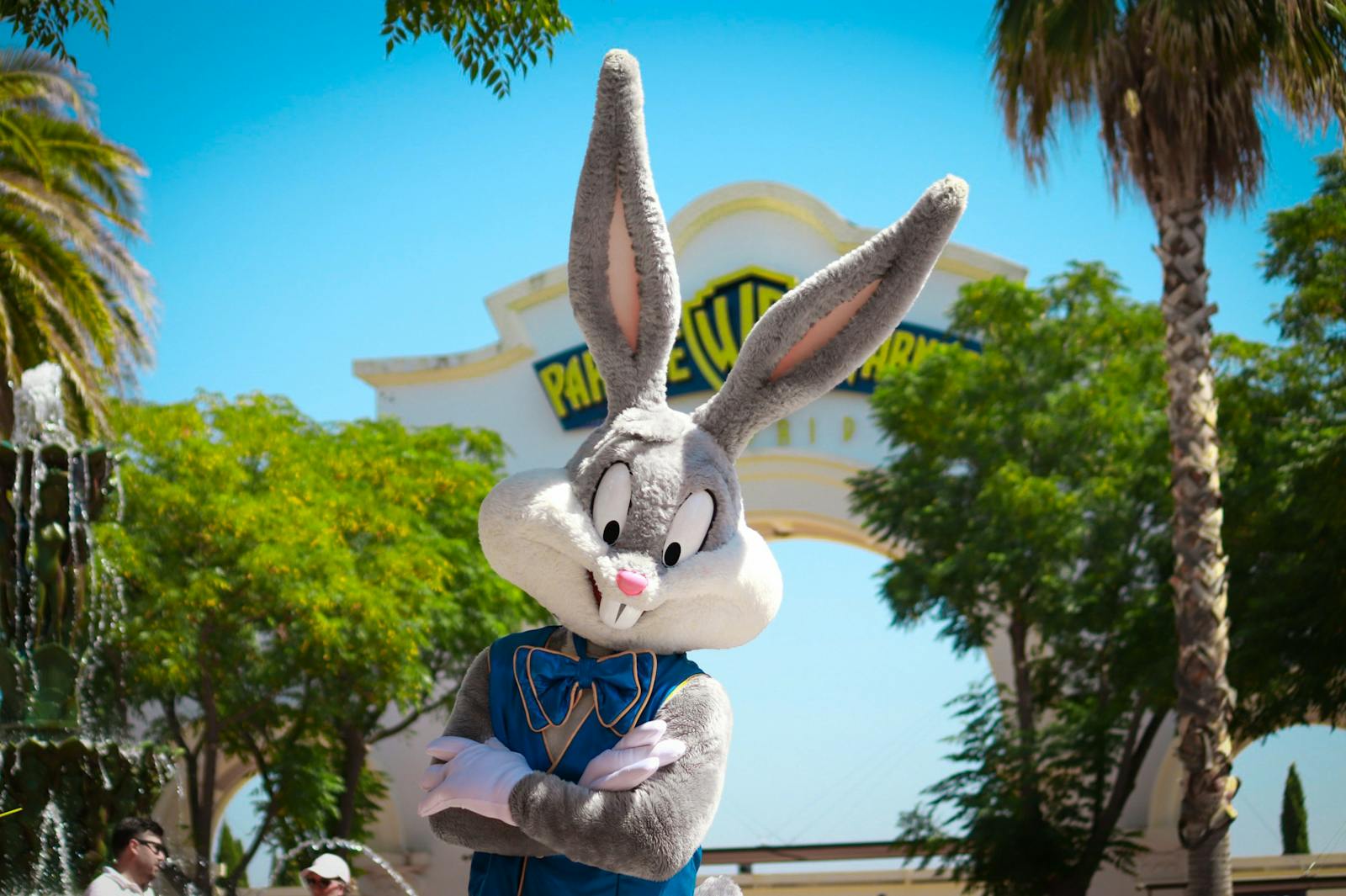

Organize your stay
Practical tips for visiting Madrid
Best Time to Visit
Madrid's climate is Mediterranean continental, characterized by cold, dry winters and very hot summers. The choice of date directly influences visit comfort and site crowds.
Spring (April to June) and autumn (September to October) are considered the best seasons. Temperatures are mild, ideal for walking the streets and visiting museums without suffering from extreme heat or biting cold. The light is beautiful and days are long enough to maximize your visits.
Summer (July to August) is marked by temperatures that can exceed 35 °C, sometimes even higher. The city is less touristy than the Spanish coasts, but the heat makes outdoor walks difficult mid-day. It is advisable to prioritize morning visits and air-conditioned museums in the afternoon.
Winter (November to February) brings frequent frosts and occasional snow. Although days are short, prices are often lower and queues are shorter. Indoors, such as museums and cafes, become pleasant refuges against the cold.
- Prioritize April-May or September-October for optimal comfort.
- In summer, plan outdoor visits early in the morning or late in the day.
- In winter, pack warm layers and waterproof shoes.
- Avoid national holidays if you want to avoid crowds in the city center.
Getting around Madrid
Madrid's public transport network is extensive and efficient. The metro is the fastest option for crossing the city, while buses cover areas not served by rail.
The metro runs from 6:00 AM to 1:30 AM and serves all major districts. It is recommended to use the Tarjeta Multi card for visitors, which allows you to top up trips. The Mi Tarjeta Transporte app makes it easy to manage your digital card on your smartphone.
EMT buses complement the network and are useful for accessing parks and peripheral areas. They generally run until midnight. For long-distance trips to cities like Toledo, Cercanías trains or intercity buses are the standard options.
Driving is not recommended in the city center due to heavy traffic and expensive parking. If you must drive, avoid peak hours and ZBE (Low Emission Zones) where restrictions apply.
- Buy a Tarjeta Multi card or use the mobile app upon arrival.
- Use the metro for trips longer than 15 minutes on foot.
- Check metro closing times, as it does not operate all night.
- Download the Madrid Mobility 360 app to plan routes.
Budget and expenses
The cost of living in Madrid varies by neighborhood and type of activity. While the city is more expensive than some regions of Spain, it remains affordable compared to other European capitals.
Admissions to national museums like the Prado are free on certain days or at specific times, significantly reducing cultural budgets. Private museums and special experiences like stadium tours require paid tickets, often available online.
Dining represents a significant portion of the budget. A full meal at an average restaurant costs less than in France or Germany, but tapas can quickly add up if you eat a lot. Local markets offer economical alternatives for lunch.
Accommodation is the major expense. Central neighborhoods are more expensive than the periphery. You can find affordable lodging by staying slightly away from the historic center, while still being well connected by the metro.
- Take advantage of free entry times at public museums to save money.
- Book entry tickets online to avoid extra fees.
- Eat at markets or local chains rather than touristy restaurants.
- Plan a modest transport budget if you mainly use the metro.
Choosing your neighborhood
Your choice of neighborhood depends on your priorities: proximity to museums, local atmosphere, or transport accessibility. Each area offers a different experience of the city.
The Centro district is ideal for first-time visits, as it houses most of the major monuments. You can do everything on foot, but expect high tourist density and elevated prices. It is also the noisiest neighborhood at night.
Salamanca and Chamberí offer a more residential and elegant setting. These neighborhoods are perfect for those seeking tranquility and easy access to upscale shopping. They are well connected to the center by the metro.
Malasaña and Lavapiés are popular choices for young travelers and fans of nightlife. The vibe here is bohemian and international. However, these neighborhoods can be less safe late at night and have high noise levels.
- Choose Centro for maximum convenience when sightseeing.
- Opt for Salamanca for relative calm and a chic atmosphere.
- Select Malasaña for its vibrancy and nightlife.
- Check the proximity of a metro station regardless of the area you choose.
Visiting with children
Madrid is a family-friendly city, but planning should account for children's energy and the distances to cover. Alternating intense activities with rest periods is essential.
Parks like Retiro Park and Casa de Campo offer spaces to run and play. Plan regular breaks for eating and resting. Strollers are usable in most pedestrian zones, but some old alleys have uneven cobblestones.
Museums often offer workshops or paths adapted for children. The Natural History Museum and the Aquarium are particularly popular with the youngest visitors. Avoid long sessions in large classical art museums, which can bore children.
Dining is child-friendly in most establishments. Children's menus are common. Remember to bring water, as public fountains are numerous but not always accessible.
- Alternate between cultural visits and free time in the parks.
- Choose interactive museums over static art galleries.
- Plan snacks for breaks between activities.
- Check site accessibility for strollers before you go.
Accessibility and reduced mobility
Madrid has improved the accessibility of its transport and main tourist sites. However, the historic center presents challenges related to old architecture.
The metro is fully accessible to wheelchairs, with elevators in all stations. Buses are equipped with ramps. People with reduced mobility can travel free on the public transport network under certain conditions.
Major museums like the Prado and Reina Sofía are accessible, with elevators and adapted restrooms. In contrast, the Royal Palace and some older historical buildings may present difficulties due to stairs or narrow doors.
Streets in the center are mostly paved with cobblestones, which can be uncomfortable for manual wheelchairs. Sidewalks are wide on main avenues like the Gran Vía, but narrower in the alleys of the Barrio de las Letras.
- Use the metro to avoid the uneven cobblestones in the center.
- Check the specific accessibility of each museum on their website.
- Plan for frequent breaks in flat and shaded areas.
- Consult the official accessible tourism guide for Spain for practical details.
Booking and Ticketing
Some major attractions require advance booking, especially during peak season. Others can be visited freely, offering valuable flexibility to adjust your itinerary.
The Santiago Bernabéu Stadium and special experiences in museums often require online booking. Popular time slots fill up quickly, so it is advisable to book as soon as you purchase your flight ticket.
The Prado Museum and Royal Palace accept visitors without a reservation, but queues can be long. Buying tickets online allows you to avoid waiting and choose a specific time slot.
For activities such as cruises or excursions in the Sierra de Guadarrama, booking is mandatory. Local operators offer combined tickets that include transport and entry, simplifying logistics.
- Book stadium and popular museum tickets in advance.
- Buy tickets online to avoid physical queues.
- Check cancellation policies before booking specific activities.
- Keep a digital copy of your tickets on your phone.
Managing Crowds
Madrid attracts many tourists, particularly in the historic center. Crowd management helps optimize visit times and preserve the quality of the experience.
Museums are most crowded between 11 am and 4 pm. Visiting early in the morning, just after opening, or late in the day helps avoid peak hours. On Sundays and public holidays, some public museums are free, which further increases attendance.
Places like the Puerta del Sol and Plaza Mayor are packed all day. To photograph them without crowds, you need to get up very early or wait until nightfall. Adjacent alleys often offer calmer viewpoints.
In summer, the heat drives visitors indoors during the day, creating concentrations in museums and shopping centers. Take advantage of this trend to explore shaded parks or calmer residential neighborhoods.
- Visit major sites in the early morning or late in the day.
- Avoid public holidays for free museums if you prefer tranquility.
- Explore secondary neighborhoods like Malasaña or Chueca to escape the crowds.
- Arm yourself with patience and plan alternatives if lines are too long.
Ready-to-follow itineraries
Recommended itineraries in Madrid
Days group nearby sites to minimize backtracking. Book time slots before finalizing the rest of your plan.
The essentials of the historic center and art
A dense day between the Prado, the Royal Palace, and iconic squares
This day condenses Madrid's must-sees into a fluid route that avoids unnecessary backtracking. It alternates contemplation of masterpieces at the Prado Museum with architectural discovery at the Royal Palace and leisurely walks around Puerta del Sol. The pace is brisk but realistic, prioritizing walking routes to enjoy the street atmosphere.
Day 1
From the Prado to the beating heart of the city
Start with an artistic immersion at the Prado Museum before heading to the royal quarter to visit the Palace. The afternoon ends with a free exploration of central squares and historic shops.
Prado Museum
Arrive early to avoid queues at the ticket counters. Spend about three hours visiting the permanent collections, focusing on the Velázquez, Goya, and Bosch rooms. The museum's structure allows for a clear chronological path. Plan a coffee break in the adjacent gardens or at a bar on Calle Ancha if you need to relax after this first intellectual step.
3hSalamancaLunch in the Salamanca district
After leaving the museum, take time to lunch in one of the many restaurants located on adjacent streets like Calle Serrano or Calle Goya. This neighborhood offers a variety of traditional Spanish and international cuisines. A full meal generally takes an hour and a half, allowing you to recover before the rest of the program. Avoid very touristy terraces directly on Gran Vía to find a calmer atmosphere.
1h30SalamancaRoyal Palace of Madrid
The walk from the Salamanca district to the Royal Palace takes about twenty minutes via Plaza de la Ópera. Once there, allow two hours to explore the majestic galleries, the Throne Room, and the Royal Armory. Quick access saves time on entry formalities. Natural light streaming through large windows offers a beautiful view of the richly decorated rooms without rushing.
2hCentroAlmudena Cathedral and Plaza Mayor
Immediately near the Royal Palace, the Almudena Cathedral merits a thirty-minute visit for its neoclassical architecture and contemporary stained glass. Continuing your walk southwest, you reach Plaza Mayor in ten minutes. This rectangular square, lined with balconies, is ideal for a photo stop and observing local activity. You can buy souvenirs there or simply wander before heading to Puerta del Sol.
1hCentroPuerta del Sol and Calle Mayor
Puerta del Sol is the city's convergence point. Take time to photograph the Bear and the Strawberry Tree, a symbol of Madrid, as well as the Kilometer Zero plaque. Then continue your walk along Calle Mayor, one of the city's main arteries, where fashion boutiques, bookstores, and cafés blend together. This section of the street is perfect for a final stroll before leaving the historic center. The pace remains moderate to allow you to absorb the urban atmosphere.
1hCentroReturn to Retiro or end of day
If you still have energy, you can head to the Retiro Park on foot or by a short metro ride to enjoy the evening light. Otherwise, it's the ideal time to return to your accommodation. This day covers Madrid's cultural and historical highlights without excessive fatigue, thanks to the geographical logic of the movements.
30minCentro / Retiro
Art, history, and modern life
A balanced weekend between major museums and lively neighborhoods
This weekend extends the discovery of Madrid by adding the Reina Sofía museum and the Santiago Bernabéu stadium. It allows for a better distribution of cultural visits while integrating moments of relaxation in parks and residential neighborhoods. The itinerary is designed to offer a contrast between the density of the historic center and the green space of Retiro, as well as the city's sporting buzz.
Day 1
Artistic treasures and the historic center
A day dedicated to classical and modern art, followed by an exploration of the central squares. The route starts at the Prado, passes through the Reina Sofía, and ends with a stroll in the Malasaña neighborhood.
Prado Museum
Devote the entire morning to the Prado Museum. Start with Velázquez's works, notably Las Meninas, then explore the sections dedicated to Goya and Rembrandt. Allow four hours for an in-depth visit without rushing. The halls are vast, so it is important to take regular breaks on the available benches or in the rest areas. The quality of the collection justifies this time of immersion.
4hSalamancaLunch near Gran Vía
Walk to the Gran Vía for lunch. This bustling avenue offers a wide range of establishments, from fast-food chains to gastronomic restaurants. Choose a place with a terrace to enjoy the view of the Modernist and Neoclassical architecture. Lunch can last an hour and a half, providing a pleasant transition between the city's two major museums.
1h30Gran VíaReina Sofía Museum
Located near the Prado, the Reina Sofía Museum houses Spain's most important collection of modern and contemporary art, with Picasso's Guernica as its masterpiece. Allow three hours for this visit. The chronological organization makes it easy to understand the evolution of Spanish art in the 20th century. Take time to appreciate the interactive installations and temporary exhibitions that shape the museum's program.
3hSalamancaRetiro Park
After an intense cultural session, head to the Retiro Park. It is one of Madrid's most beautiful public parks, featuring a central lake, a glass greenhouse, and shaded paths. Spend an hour and a half to relax. You can rent a boat on the lake or simply walk around the pond. This breathing space is essential before heading back to the city center.
1h30RetiroMalasaña District
End your day in the Malasaña district, known for its bohemian vibe and independent boutiques. The narrow streets are perfect for a night stroll. Discover vintage shops, specialized bookstores, and alternative cafés. This neighborhood offers a striking contrast to the solemnity of museums and palaces, showcasing the young and creative side of Madrid.
2hMalasaña
Day 2
Royal history and football passion
The second day combines a visit to the Royal Palace with the immersive experience at the Santiago Bernabéu Stadium. It concludes with an exploration of the Chueca district and Gran Vía.
Madrid Royal Palace
Start your day at the Royal Palace. Its quick access allows you to enter early and avoid the crowds. Explore the majestic galleries, the Crown Room, and the Royal Armory. Allow two hours to appreciate the details of the decorations and art collections. The palace's central location makes it an excellent starting point for the rest of the day.
2hCentroAlmudena Cathedral
Right next to the Royal Palace, the Almudena Cathedral offers an architectural break. Its neoclassical façade contrasts with the modern interiors. Take thirty minutes to admire the colorful stained glass and the main altar. This recent building is often less crowded than other monuments, allowing for a more serene visit.
30minCentroLunch in the Chueca neighborhood
Meet up in the Chueca neighborhood, known for its culinary diversity and open atmosphere. The pedestrian streets are perfect for strolling before eating. Choose a local restaurant to discover typical Madrid dishes. The lunch should be light to leave energy for the stadium visit in the afternoon.
1h30ChuecaSantiago Bernabéu Stadium
Take the metro or a taxi to reach the Santiago Bernabéu Stadium. This immersive experience includes a tour of the museum, the pitch, and the locker rooms. Allow two hours to live the history of Real Madrid and understand the importance of this football temple. Audio guides or on-site explanations enrich the visit. It is an essential stop for sports fans and those who want to understand Madrid's popular culture.
2hChamartínStroll along Gran Vía
Back in the center, enjoy the afternoon walking along the Gran Vía. This avenue is the commercial heart of Madrid. Observe the Art Deco facades and illuminated signs. Stop by a bookstore or café to get a feel for the city. Pedestrian traffic is intense, making the atmosphere vibrant even outside peak hours.
1h30Gran VíaPlaza de Cibeles and Puerta de Alcalá
End with the Plaza de Cibeles, dominated by the monumental fountain, and the Puerta de Alcalá, an emblematic example of neoclassical architecture. These two landmarks offer beautiful views of the city and allow you to close the weekend on an architectural note. Take time to photograph these iconic places before heading back to your accommodation.
1hCentro
Complete immersion in the Spanish capital
A week to explore all sides of Madrid
This week-long stay allows you to deepen your knowledge of Madrid by alternating cultural visits, neighborhood discoveries, excursions to the surroundings, and moments of relaxation. Each day has a distinct theme, ranging from classical art to nature, through history and gastronomy. The pace is varied to avoid fatigue and maximize the experience.
Day 1
Arrival and discovery of the historic center
Settling-in day and first approach to the iconic monuments of the center, with attention paid to orientation in the city.
Check-in and orientation
Settle into your accommodation and recharge. Use this morning to familiarize yourself with public transport and identify your main landmarks. Buy a city map or download the transport app. This preparatory phase is crucial to optimize the following days.
2hAccommodationPuerta del Sol and Kilometer Zero
Meet at the Puerta del Sol to discover the zero point of Spain's radial roads. Observe the clock of the Casa de Correos and the Bear and the Strawberry Tree. This square is the symbolic heart of the city. Take time to soak in the permanent animation that reigns there.
1hCentroCalle Mayor and Mercado San Miguel
Walk along the Calle Mayor to the San Miguel market. This covered market offers a selection of regional Spanish products. Even if you don't have lunch here, the visit is worth it to discover local flavors. The market's architecture, a former prison, adds historical interest to the culinary discovery.
1h30CentroPlaza Mayor
Continue to the Plaza Mayor, one of the most beautiful squares in Europe. Admire the uniform facades and wrought-iron balconies. It is an ideal place for a light lunch break or simply observing daily life in Madrid. The square is surrounded by restaurants and bars, offering a convivial atmosphere.
1h30CentroCasa de la Panadería
Visit the Casa de la Panadería, located on the Plaza Mayor. This building houses the Madrid City Museum, which presents the city's history through documents and objects. The visit is concise and informative, allowing you to better understand the historical context of the places you pass through.
1hCentroReturn to the center and rest
End your day with a leisurely walk back to your accommodation. This first day serves as a foundation for more in-depth explorations on the following days. Take time to note down addresses that caught your attention and plan your next moves.
1hCentro
Day 2
Classical art at the Prado Museum
A full day dedicated to the Prado Museum, considered one of the most important art museums in the world.
Prado Museum opening
Enter as soon as it opens to benefit from reduced visitor flow. Start with the Spanish painting collections, beginning with El Greco and Velázquez. The Hall of the Meninas is an absolute must-see. Take time to read the explanatory labels to understand the context of the works.
2hSalamancaGoya and the Romantic painters
Move on to the sections dedicated to Francisco de Goya. His frescoes in the chapel of the Monastery of San Antonio de la Florida (viewable separately) and his black paintings are particularly striking. In the museum, admire the royal portraits and battle scenes. Goya's expressive power contrasts with the rigor of his classical predecessors.
2hSalamancaLunch break in the museum
The museum has several cafeterias and restaurants. Take advantage of this to have lunch inside to extend the artistic experience. The dishes offered are varied and cater to all tastes. This break allows you to recharge before continuing your visit of the other wings of the museum.
1h30SalamancaFlemish and Italian painting
Explore the Flemish painting collections, featuring works by Rubens, Van Dyck, and Brueghel. The Italian section presents masters of the Renaissance and Baroque. These collections testify to the international cultural exchanges that influenced Spanish art. The richness of these ensembles justifies an attentive visit.
2hSalamancaBosch and the Primitives
Finish with the works of Hieronymus Bosch, including the Garden of Earthly Delights, which is a masterpiece. Flemish and Spanish Primitives complete this exploration of medieval imagination. Leave the museum in the late afternoon to avoid the crowds and join the Retiro Park for a short digestive walk.
1h30Salamanca
Day 3
Royal Palace, Almudena, and Lavapiés district
A day combining royal architecture and the exploration of a multicultural and vibrant neighborhood.
Royal Palace of Madrid
Visit the Royal Palace, the official residence of the King of Spain. The majestic galleries and richly decorated rooms offer a glimpse into the grandeur of the Spanish monarchy. The Crown Room and the Royal Armory are highlights of the visit. Allow two hours to explore all the spaces accessible to the public.
2hCentroAlmudena Cathedral
Just a few meters from the Royal Palace, the Almudena Cathedral surprises with its mix of styles. The exterior is neoclassical, while the interior incorporates contemporary elements. The colorful stained glass windows project bright lights into the nave. The visit is brief but impressive.
45minCentroLunch in the Lavapiés district
Head to the Lavapiés district, known for its ethnic and cultural diversity. Restaurants there offer cuisines from around the world, from Latin American to Mediterranean. Choose a local establishment to discover authentic flavors. The atmosphere is warm and relaxed.
1h30LavapiésExploring Lavapiés
Stroll through the streets of Lavapiés. This neighborhood is a cultural melting pot where alternative shops, social centers, and theaters coexist. Observe the graffiti and urban art installations. It is an ideal place to understand the contemporary and social side of Madrid, far from classic tourist circuits.
2hLavapiésParque de las Delicias
End the day with a visit to the Parque de las Delicias, a small park located in the Delicias neighborhood. It's a peaceful green space, perfect for resting after a day of walking. You'll find shaded benches and a family-friendly atmosphere here. This moment of calm contrasts with the buzz of the neighboring district.
1hDelicias
Day 4
Toledo Excursion
A day out of Madrid to discover the imperial city of Toledo, a UNESCO World Heritage site, accessible by train.
Departure for Toledo
Take the train from Atocha station to Toledo. The journey takes about an hour. Upon arrival, you will be immediately struck by the beauty of the city perched on a hill. The panoramic view from the station is already spectacular. Wear comfortable shoes as the city features many slopes and cobblestones.
1hTransportToledo Cathedral
Start with the Toledo Cathedral, a masterpiece of Gothic architecture. Inside, it houses exceptional works of art, including the altarpiece by Juan de Ávila. The visit takes about an hour and a half. The light filtering through the stained glass creates a unique mystical atmosphere.
1h30ToledoSanta María la Blanca Synagogue
Visit the Santa María la Blanca Synagogue, one of the few surviving examples of medieval Jewish architecture in Spain. Its elegant simplicity contrasts with the complexity of the nearby cathedral. The visit is brief but informative about the history of religious communities in Toledo.
45minToledoTraditional Toledan Lunch
Taste local cuisine at a traditional restaurant. Typical dishes include cocido manchego and grilled meats. Lunch is the opportunity to savor regional products from Castile-La Mancha. Take your time to appreciate the flavors and atmosphere of historic taverns.
1h30ToledoAlcázar of Toledo
Head up to the Alcázar, an imposing fortress overlooking the city. From there, the view of Toledo and its surroundings is unbeatable. The Alcázar houses the Army Museum, but the outdoor terrace is more than enough to enjoy the panorama. It is the highlight of the city visit.
1hToledoReturn to Madrid
Take the train back to Madrid. The journey allows you to reflect on the differences between the capital and the imperial city. Arrive at Atocha in the early afternoon to have time to relax before the evening.
1hTransport
Day 5
Modern Art and Chueca Neighborhood
A day focused on modern art at Reina Sofía and exploring the Chueca neighborhood, the center of Madrid's alternative life.
Reina Sofía Museum
Start with the Reina Sofía Museum, dedicated to modern and contemporary art. The masterpiece is Picasso's Guernica. Explore the collections of Dalí, Miró, and Gris. The museum also features high-quality temporary exhibitions. Allow three hours for a complete visit.
3hSalamancaLunch in the Chueca Neighborhood
Meet in the Chueca neighborhood for lunch. This area is known for its LGBTQ+ scene and cosmopolitan vibe. Restaurants are varied, ranging from tapas to fusion cuisines. Choose a place with a terrace to enjoy the festive atmosphere of the neighborhood.
1h30ChuecaShopping and strolling in Chueca
Explore the shops of Chueca. You'll find alternative fashion brands, concept stores, and specialized bookstores. The neighborhood is also a meeting place for artists and intellectuals. Take time to discover the small art galleries and literary cafés.
2hChuecaParque de la Bomba
End with a visit to the Parque de la Bomba, a small park located in the Chueca neighborhood. It's a quiet but pleasant green space, ideal for a break. You'll run into local residents, offering a glimpse of everyday life in Madrid away from the tourist sites.
1hChueca
Day 6
Nature and relaxation at Retiro Park and Casa de Campo
A calmer day dedicated to nature, featuring an in-depth exploration of the Retiro Park and an excursion to the Casa de Campo.
Retiro Park: Crystal Palace
Start with the Crystal Palace, a glass and iron building housing a collection of tropical plants. Natural light creates a spectacular effect there. The visit takes about an hour. It's a good way to start the day gently, far from the hustle and bustle of the city.
1hRetiroRetiro Lake and boat rentals
Head to the central lake of Retiro. You can rent a small boat to sail on the water. It's a fun and relaxing activity suitable for all ages. If you prefer to stay on land, take a walk around the lake observing the ducks and swans. The atmosphere is peaceful and family-friendly.
1h30RetiroPicnic lunch
Prepare a picnic with products bought at local markets. Set up on one of the lawn areas of Retiro for lunch. It's an authentic way to experience the city, sharing a meal with other visitors or locals. The lush setting makes this moment particularly pleasant.
1h30RetiroExcursion to Casa de Campo
Take the bus or metro to reach the Casa de Campo, the largest green area in Madrid. It's a vast natural park with playgrounds, bike paths, and lakes. You can rent bikes or kayaks there. Casa de Campo offers a true haven of peace in the heart of the city.
3hCasa de CampoReturn to the center and rest
Return to the city center in the late afternoon. This day of nature allows you to recharge your batteries before the final days of your stay. Use the time to sort through your photos and pack your bags for the last day.
1hCentro
Day 7
Football, souvenirs, and departure
The last day combines a visit to the Santiago Bernabéu Stadium with a final exploration of the central neighborhoods before departure.
Santiago Bernabéu Stadium
Start with a visit to the Santiago Bernabéu Stadium. Explore the museum, the pitch, and the locker rooms. It's an immersive experience that helps you understand the history and passion of Real Madrid. The visit takes about two hours. It's a memorable souvenir for sports fans.
2hChamartínFinal lunch
Choose a restaurant in the Chamartín neighborhood or return to the center for a last meal. Opt for traditional Spanish cuisine to close your stay on a flavorful note. Take time to savor each dish and chat with the server for local recommendations.
1h30Chamartín / CentroSouvenir shopping
Head to the souvenir shops located near the Puerta del Sol or Gran Vía. Buy typical Spanish products: olive oils, wines, ceramics, or textiles. These items will remind you of your stay in Madrid. Don't forget to check the opening hours of the shops before leaving.
1hCentroFinal stroll in the Retiro
Take one last walk through the Retiro Park to soak in the city's beauty one final time. Stroll slowly along the paths, observing the trees and flowers. It's a moment of reflection and gratitude for the week spent in Madrid.
1hRetiroReturn to hotel and departure
Head back to your accommodation to collect your luggage. Take the time to pack your belongings and check that you haven't forgotten anything. Then, make your way to the airport or train station for your departure. Madrid will have offered you a rich and varied experience, blending art, history, and modernity.
1hAccommodation
For longer stays
Excursions from Madrid
Toledo
Located less than an hour by train from Atocha Station, Toledo offers a sharp contrast to Madrid's pace. The historic city is best explored on foot, winding through medieval alleys with views of the Tagus River. It's an ideal option for history enthusiasts who want to vary their scenery without straying too far from the center.
History and heritage enthusiastsGuadalajara
This excursion eastward allows you to discover Baroque monuments and remarkable civil architecture. The journey by train or bus is longer than to Toledo, requiring careful planning to fully enjoy major sites like the cathedral or the Alcázar Palace. This destination suits visitors with a full day free.
Visitors with a full day availableSierra de Guadarrama
Located north of the capital, this mountain range offers a variety of outdoor activities depending on the season. Access is via road or regional transport. Hikers will find marked trails, while families will appreciate the vast natural spaces. Plan for clothing suitable for frequent temperature changes at altitude.
Hikers and families seeking natureSegovia
Famous for its intact Roman aqueduct, Segovia combines ancient history and medieval legend with the Alcázar. Trains connect Madrid to this city in less than two hours. Visits often include the Gothic cathedral and historic districts. It's a classic stop for those wanting to explore central Castile without driving.
Architecture and Castilian history enthusiastsGetting oriented
Map of attractions and itineraries
Use the map to visualize tour clusters. Actual travel times depend on traffic and connections.
OpenStreetMap base layer. Check routes and accessibility in real-time before departure.
Frequently asked questions
Prepare your visit to Madrid
Three days are the minimum to cover the main cultural and historical highlights. This duration allows you to visit the Prado Museum, the Royal Palace, and the museum district without rushing. If you wish to include excursions like Toledo or Segovia, plan for five days. Rushed visitors can focus their stay on the historic center and the Retiro in two days, but they will miss the depth of the artistic collections and the atmosphere of peripheral neighborhoods like Malasaña or Chueca.
For the Prado Museum and the Royal Palace, online booking is strongly recommended, especially during peak season. This avoids endless queues and guarantees entry at your preferred time slots. For the Santiago Bernabéu Stadium, guided tours often sell out quickly. Buy your tickets as soon as your date is set. Public transport does not require prior reservation, but it is useful to load a multi-trip card or a youth pass if you are staying for several weeks.
The metro is the fastest way to cross the city, as it avoids frequent traffic jams on main arteries like Gran Vía. EMT buses complement the network for short trips. For longer stays, the Abono Joven is economical if you are under 26. Otherwise, the ten-trip Multi card offers good value for money. Walk as much as possible in the center, as distances between major points of interest are short and pedestrian streets are pleasant.
Yes, the city offers numerous green spaces like the Retiro Park and Casa de Campo, perfect for breaks. Museums often offer child-friendly itineraries, although classic collections can be lengthy. The Royal Palace is accessible and visually stimulating. Plan regular breaks, as visiting days can be exhausting for young children. Avoid large crowds by scheduling museum visits early in the morning or late in the afternoon to ensure greater comfort.
Major museums like the Prado and Thyssen have elevators and ramps for people with reduced mobility. The Royal Palace is also accessible, although some historical stairs remain in certain wings. The metro is equipped with elevators in most major stations. Always check specific information on official websites before your visit, as temporary works may alter accessible routes. Taxis and public transport offer options adapted to specific needs.
Prices vary by site and period. The Prado Museum and the Royal Palace have standard paid entries, while certain days or time slots may be free for residents or students. The Santiago Bernabéu Stadium offers combined museum and pitch packages. Budget approximately 10 to 20 euros per person and per major site. Add the cost of transport, which remains moderate thanks to multi-trip cards. A total budget of 50 to 80 euros per person for three days of cultural visits is reasonable, excluding meals and accommodation.
Spring (April to June) and autumn (September to October) offer ideal conditions. Temperatures are mild, favorable for outdoor walks and garden visits. Summer is very hot, with temperatures often exceeding 30 degrees, making outdoor days difficult. Winter is cool with possible frosts, but days are shorter. Choose these intermediate seasons to maximize comfort when walking and enjoying outdoor activities in the city's parks.
Group visits by zone to minimize travel time. The museum triangle (Prado, Reina Sofía, Thyssen) can be visited in half a day on foot. The historic center (Royal Palace, Puerta del Sol, Plaza Mayor) forms another compact hub. The Bernabéu Stadium is isolated in the north, requiring a specific metro trip. Alternate intense museum days with afternoons strolling in the Retiro or the Malasaña and Chueca neighborhoods to vary rhythms and avoid visual and physical fatigue.
Yes, the Santiago Bernabéu Stadium offers guided tours even when there is no match. These tours include the museum, locker rooms, and the pitch. It's an immersive experience that helps you understand the club's history and the stadium's modern infrastructure. Slots are limited, so book in advance. The tour usually lasts one to two hours. It's an interesting alternative for football fans or sports architecture enthusiasts, regardless of the match schedule.
The Reina Sofía Museum presents modern art, with major works by Picasso and Dalí. The Thyssen-Bornemisza Museum covers a wide period, from the Middle Ages to contemporary art, offering an overview of European art history. These two museums are located near the Prado, allowing a combined visit in one day. Each museum has its specialty: the Prado for Spanish classicism, Reina Sofía for avant-garde, and Thyssen for chronological diversity. Choose according to your artistic tastes to optimize your time.