News
Vienna: Upper Belvedere Presents the Asta Gröting Exhibition
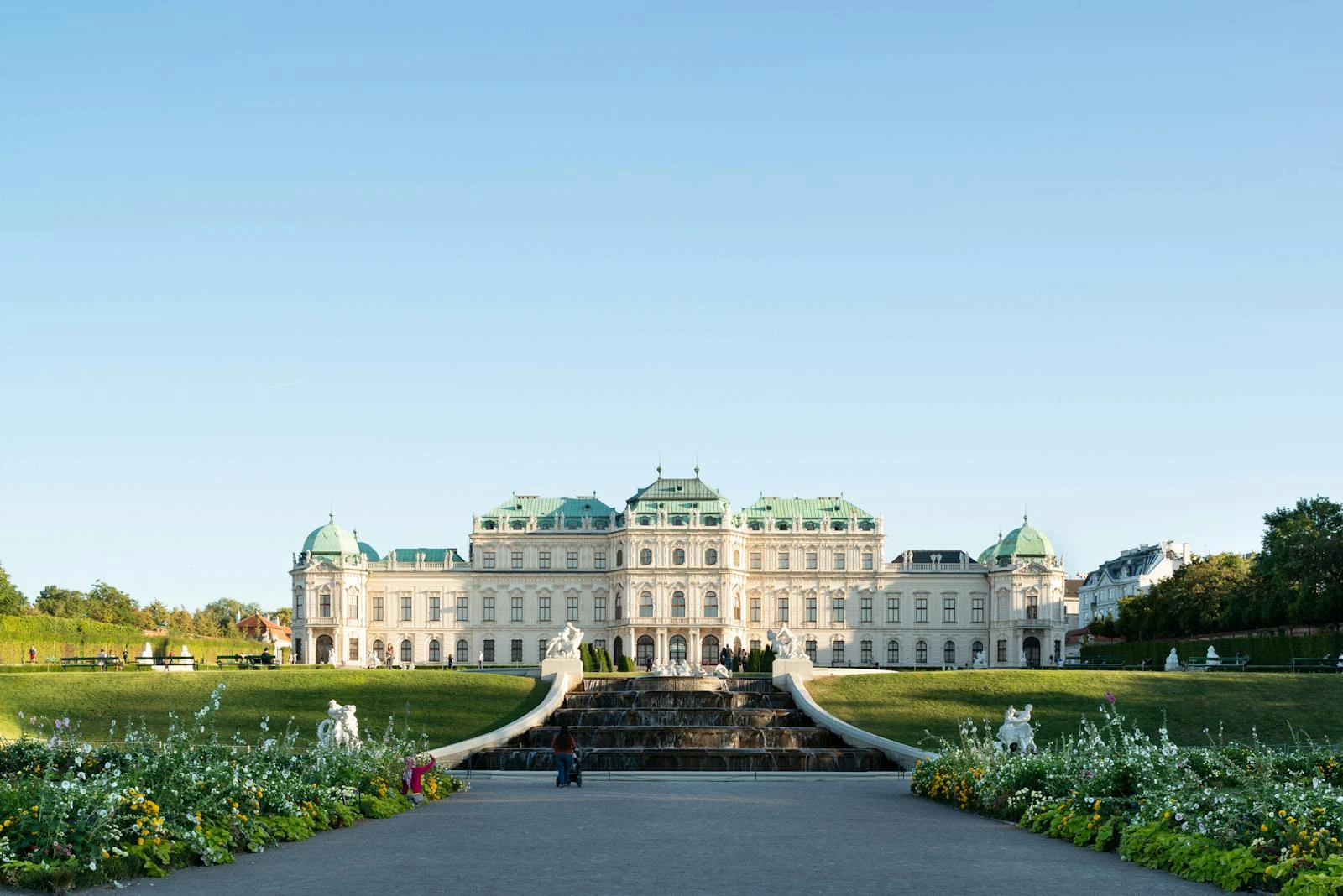
In Vienna, the Belvedere museum complex presents its permanent and temporary collections across the Upper Belvedere, Lower Belvedere, and Belvedere 21, showcasing artistic programming spanning from the Middle Ages to contemporary creation.
Eight Centuries of Art History Across Three Viennese Sites
This Austrian museum entity structures its cultural programs across three major sites: the Upper Belvedere, the Lower Belvedere, and Belvedere 21. This arrangement enables guests to traverse eight hundred years of art history via baroque rooms and modern galleries. Within this framework, audiences witness a continuous artistic evolution, spanning from medieval works to the newest contemporary creations.
Visitors to Belvedere Palace can also discover historical gardens spanning a continental expanse. These renowned grounds serve as a significant instance of late baroque landscape art across Europe, forming a verdant, heritage connection that unites the property’s distinct structures.
Upper Belvedere: Masterpieces of Modernism and Contemporary Works
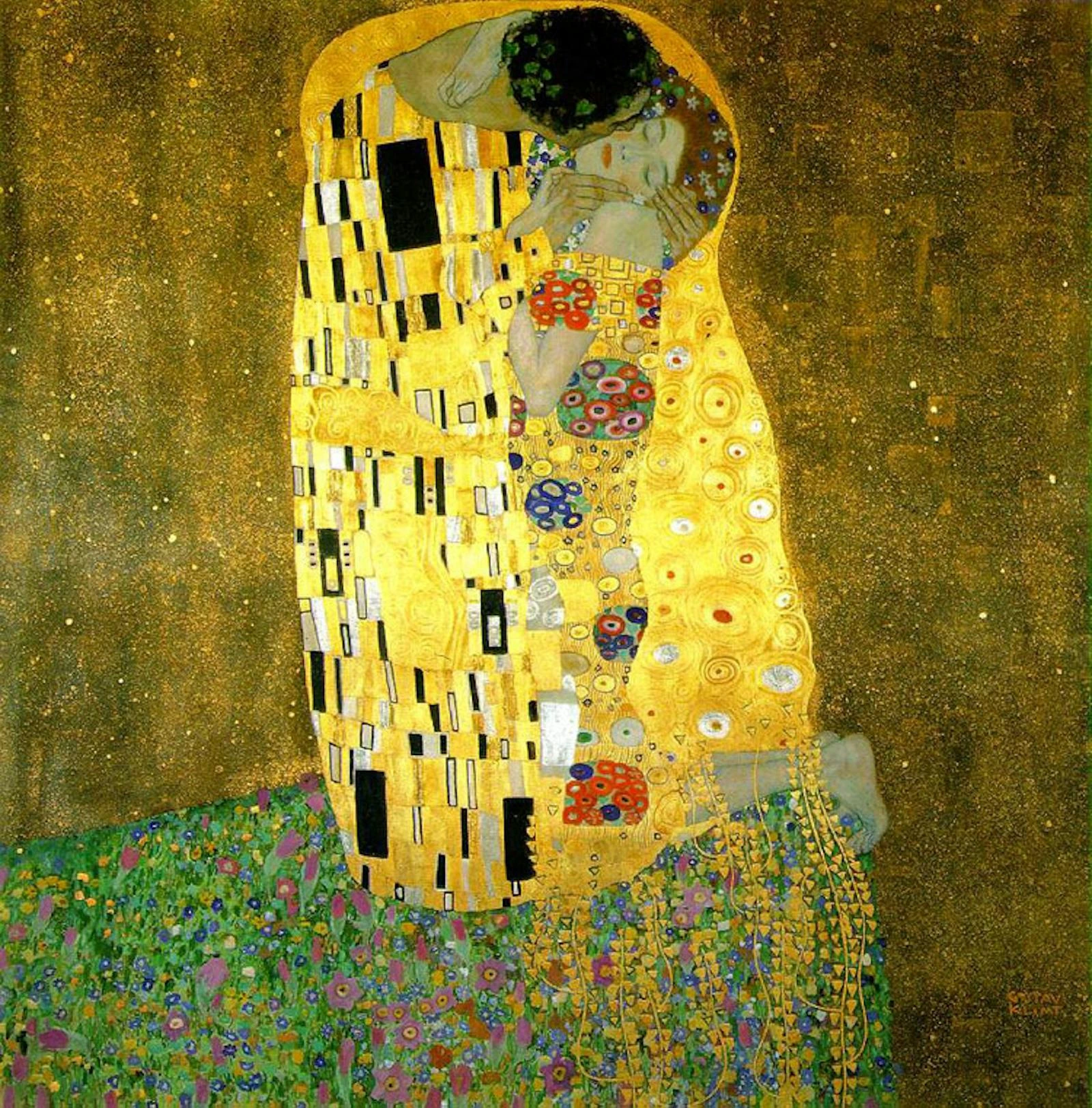
Upper Belvedere holds the collection that is permanently housed by the institution, displaying prominent artists of Viennese modernism. Its galleries feature, among other pieces, Gustav Klimt's The Kiss, plus works by Helene Funke, Egon Schiele, Franz Xaver Messerschmidt, as well as Vincent van Gogh. The standing show Picture this! frames the Belvedere's assets, spanning creations from Lucas Cranach through to Maria Lassnig.
This baroque palace pairs its permanent collection with a strong focus on engaging with contemporary art. Asta Gröting presents her project Things at CARLONE CONTEMPORARY from September 24, 2026, through March 29, 2027. This initiative places contemporary installations and sculptural pieces in direct dialogue with the palace’s historic architecture and interior décor.
Temporary Exhibitions at Lower Belvedere and Programming at Belvedere 21
Lower Belvedere offers a bold slate of temporary shows. Its spaces feature Erika Giovanna Klien: All Is Movement, displayed between September 18, 2026, and January 31, 2027, highlighting this Austrian creator’s kinetic, modernist-inspired explorations. Concurrently, guests may see the Erna Rosenstein retrospective, On the Other Side of Silence, available from July 3, 2026, through January 10, 2027.
The Middle Ages and Renaissance is permanently displayed at Lower Belvedere, highlighting the richness of its initial holdings. In close proximity, Belvedere 21 functions as the modern focal point for the museum group. Through its public initiative, Joint Ventures, it routinely presents performances, readings, concerts, movie showings, plus complimentary public debates and conversations.
Visiting Information, Ticketing, and Access to Upper Belvedere
When arranging a trip to Upper Belvedere, the facility operates on a consistent schedule, Monday to Sunday from 9 am to 6 pm. The admission fee for a standard single day stands at 23.00 euros. Specific reduced pricing structures exist: individuals aged 65 and older, plus students under 26, may purchase tickets for 19.00 euros. Those possessing a Vienna City Card pay 21.50 euros, whereas guests holding a disability certificate pay 8.00 euros. Entry costs nothing for children and youths under 19, alongside registered assistants accompanying persons with disabilities, assuming the necessary notation appears on the official document.
This organization additionally provides a Gold Pass priced at 49 euros, granting unlimited access to all three sites of the Belvedere without requiring a dedicated time slot reservation. Buying tickets online beforehand enables guests to move straight to the museum checkpoint, skipping ticket queues.
Daily, the Schlosscafé hosts guests between 9 am and 6 pm. These times align with the palace’s internal gift shop, available to ticket holders, and the second store close to the ticket office, which is open to all regardless of admission. Situated at 27 Prinz-Eugen-Straße in Vienna’s 3rd district, the location is accessible by tram D (the Schloss Belvedere stop), the S-Bahn, the tram lines 18 and O (Quartier Belvedere), or the U1 subway (Südtiroler Platz / Hauptbahnhof), then a 15-minute walk.
Scientific Research, Inclusion, and Community Engagement
In addition to exhibiting works, the organization promotes vigorous scholarly inquiry via its Research Center. This specialized unit concentrates on cataloguing, recording, and indexing the art of Austria while examining its connections within the international context.
Finally, the museum executes dedicated inclusion initiatives and community outreach, featuring tailored visits, neighborhood projects, and multilingual materials, such as Ukrainian, to guarantee exhibitions, guided tours, and audio guides stay accessible to every audience.
Sources: news.google.com · belvedere.at