22 rioniThe historic center is divided into twenty-two traditional districts, each with its own architectural and social character.
Understanding the city
A palimpsest city where every historical layer remains visible
Rome is not a city to be discovered at a single glance. It is an accumulation of architectural strata where Antiquity coexists with the Renaissance, the Baroque, and modern Italy. This superposition creates a unique visual density: you can move from an ancient forum to a Baroque square in just a few meters without leaving the same neighborhood. For first-time visitors as well as returning ones, this complexity requires clear spatial organization rather than an exhaustive list of monuments.
The city's geography imposes physical constraints. The historic center, protected by UNESCO, is compact but hilly. Walking distances are often deceptive: a straight line on the map can become a thirty-minute walk due to slopes and detours imposed by the road axes. It is therefore essential to group visits by geographic sector to avoid crossing the city multiple times a day. The Tiber forms a natural boundary separating the ancient core from Trastevere, requiring planning of crossings via the main bridges.
The pace of visiting must adapt to the local climate. Roman summers are hot, with average maximum temperatures above 30°C, while intermediate seasons offer milder conditions. In summer, it is strategic to concentrate indoor or shaded visits in the early morning and late afternoon, leaving the midday hours for coffee breaks or air-conditioned museums. Light changes drastically depending on the time of day, influencing the perception of facades and public squares.
Access to major sites such as the Colosseum, the Vatican, or the Pantheon often requires advance booking to avoid queues, especially during peak tourist seasons. These skip-the-line tickets allow you to manage your schedule and avoid fatigue from waiting outdoors. Combining these reserved visits with free exploration in adjacent streets offers a balance between efficiency and immersion in daily Roman life.
This guide prioritizes sustainability and flexibility. It does not propose a minute-by-minute schedule, but plausible time blocks and alternatives based on your preferences. Whether you are an enthusiast of history, photography, or simply curious about the urban atmosphere, the goal is to give you the keys to build your own route, respecting your energy and the logistical realities of the city.
Experiences & ideas
What to do in Rome?
From major monuments to neighborhood strolls, craft a stay that alternates between booked tours and free exploration.
Ancient Rome and its forums
The historic heart of Rome concentrates the remains of the Empire. The Colosseum zone, including the Roman Forum and the Capitoline Hill, forms a coherent ensemble accessible on foot. The ruins extend over a large area, requiring good physical condition or regular breaks in shaded spaces.
- Colosseum and Roman ForumThe audioguide helps understand the structure of the amphitheater and the history of the gladiators. The path to the Forum offers a bird's-eye view of the ancient temples and public squares. Allow at least two hours for this monumental ensemble.2h - 3h
- Palatine HillThe hill behind the Colosseum holds the remains of imperial houses. The climb is gentle and offers unobstructed views over the city centre. It's a good spot for a break before heading back down to the Forum.1h
- Capitoline MuseumsLocated on Capitoline Square, this museum houses the oldest collection of ancient art in the world. It's easy to visit in an hour and complements the tour of the forums just below.1h - 1h30
Religious and Baroque Heritage
Rome has around 900 churches. The historic centre groups the most famous ones, often free or low-cost. Baroque architecture dominates here, with spectacular façades and richly decorated interiors. The presence of the Vatican adds a unique dimension to this exploration.
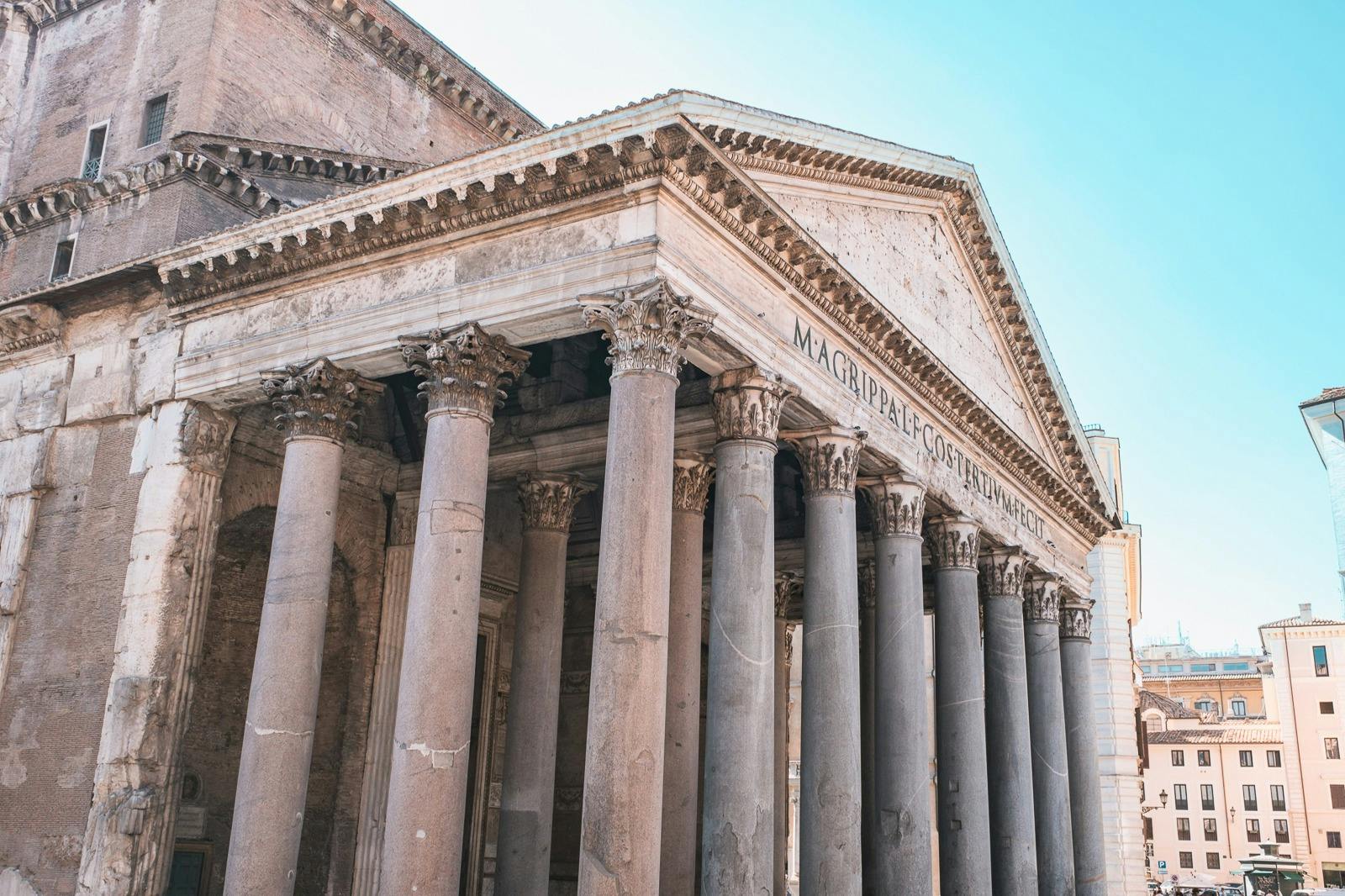
- PantheonA pagan temple transformed into a church, the Pantheon is famous for its intact dome and oculus. The digital audio guide helps avoid queues and explains the transition between eras. Natural light passing through the central opening creates a striking effect.45 min - 1h
- St. Peter's BasilicaAt the heart of the Vatican, this basilica is one of the largest religious buildings in the world. Access is free, but you must respect a dress code. The Sistine Chapel, located in the adjacent museums, requires advance booking to avoid long waits.1h - 2h
- Trevi FountainA symbol of Rome, this Baroque fountain attracts a constant crowd. Tossing a coin over the left shoulder is a local tradition. It's best to go early morning or late evening to enjoy the atmosphere without the tourist pressure.30 min
Parks and Green Spaces
Despite its urban density, Rome offers several large green spaces. They serve as a breath between cultural visits and allow you to discover the city from a more relaxed angle. The gardens are often free and accessible all day.
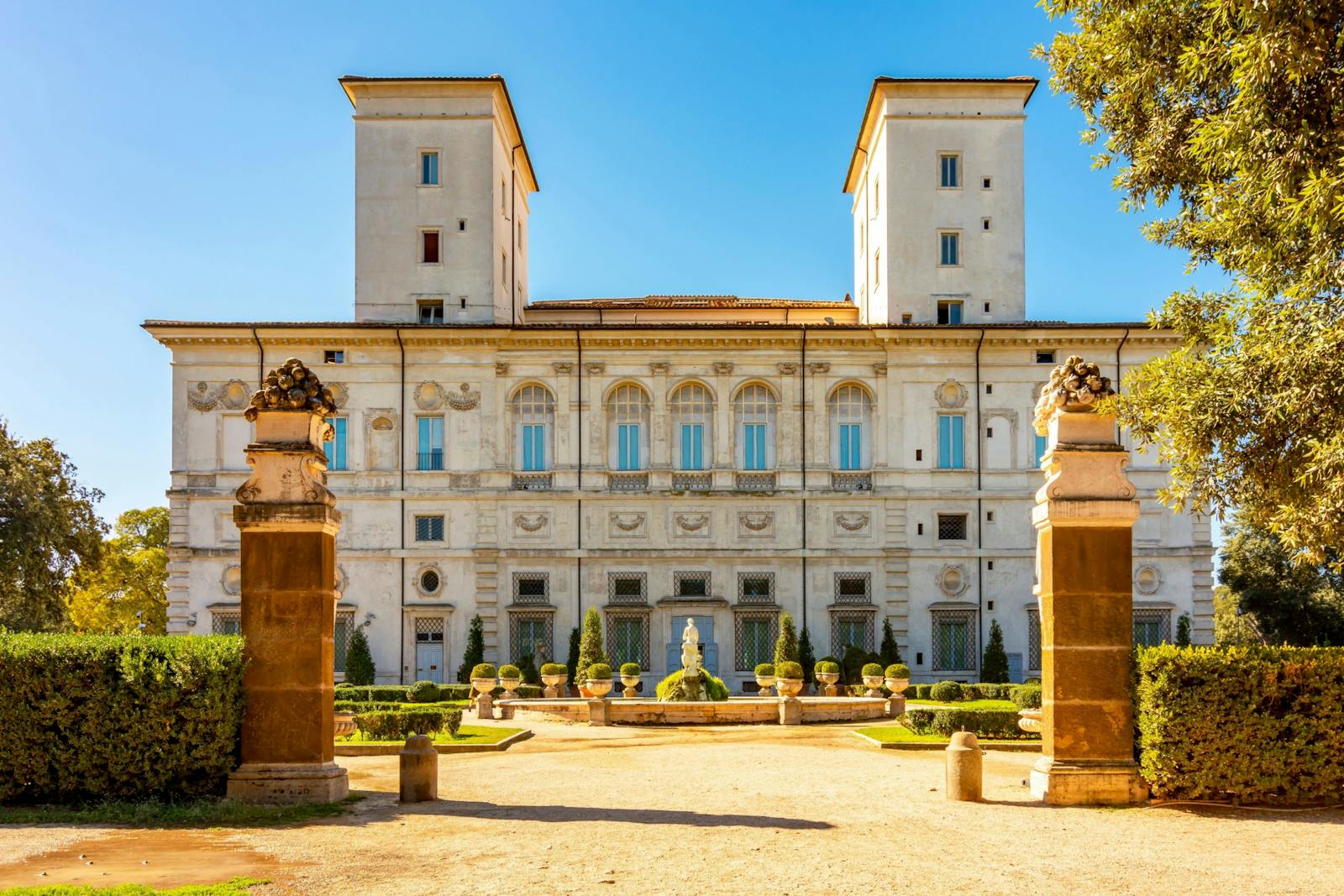
- Villa BorgheseRome's largest urban park, located in the north centre. You can rent bikes or boats on the lake. The park also houses the Borghese Gallery, which requires a reservation. It's an excellent place for a lunch break or a family walk.2h - 4h
- Vatican GardensAccessible via guided tours, these gardens offer a panoramic view of the city from the heights. The route alternates between shaded paths and historical viewpoints. It's a calm alternative to the Vatican museums.1h30 - 2h
- Aventine ParkA small district south of the centre, known for its peaceful atmosphere. The door of the Augustinian convent offers a framed view of St. Peter's Basilica. It's a good starting point to explore Trastevere on foot.1h
Walking Tours in the Districts
Rome's historic centre is compact and pedestrian-friendly. Moving on foot allows you to discover the alleys, squares, and architectural details that transport misses. Routes should be adapted to fatigue, with frequent breaks.
- TrastevereDistrict south of the Tiber, characterized by its narrow paved streets and quiet squares. It's the centre of artistic and culinary life in Rome. Ideal for strolling at the end of the day, after visiting the Vatican.2h - 3h
- Campo de' Fiori and NavonaTwo iconic squares in Old Rome. Campo de' Fiori is animated by a morning market, while Navona Square offers street performances and baroque fountains. The route between the two passes through interesting medieval alleys.1h30
- Piazza del Popolo to Piazza di SpagnaA 20-minute walk through the modern center. This route connects two major squares via Via del Corso. You will pass shops, cafes, and monuments like the Fontana della Barcaccia.1h
Museums and Art Collections
Beyond the Vatican Museums, Rome has several major institutions. Booking is strongly recommended for popular sites to avoid queues. Audio guides facilitate understanding of the works, especially for non-English-speaking visitors.
- Vatican MuseumsA vast ensemble including the Galleries, the Sistine Chapel, and the Gardens. A complete visit can take several hours. It is advisable to focus on priority sections if time is limited. The audio guide is available in English.3h - 5h
- Galleria BorgheseLocated in Villa Borghese, this gallery presents Renaissance and Baroque sculptures and paintings. Tickets are limited per time slot, so advance booking is required. The visit lasts about two hours.2h
- National Roman MuseumSpread across several sites, including Palazzo Massimo and Palazzo Altemps. It offers a complete collection of Roman art, from frescoes to mosaics. Each site has its own access and opening hours.2h - 3h
Family and Interactive Experiences
Rome is family-friendly thanks to its vast public spaces and varied activities. Children enjoy water games, parks, and sensory discoveries. It is important to plan regular breaks and choose short itineraries.
- Water Games and FountainsRoman fountains, such as the Trevi Fountain or the Fontana delle Naiadi, are natural play spots for children. Fresh water is appreciated in summer. Beware of slippery surfaces around the basins.Variable
- Toy Park (Giardino dei Semplici)In the Testaccio district, this small botanical and playful garden offers a safe green space for children. It is a calm alternative to major tourist attractions.1h
- Interactive Colosseum VisitThe audio guide allows children to follow the history of gladiators in an engaging way. Visual reconstructions help imagine daily life in the arena. Plan for comfortable walking shoes.2h
Evenings and Nightlife
Rome stays alive at night. Illuminated squares, terraces, and walks along the Tiber offer another facet of the city. There is no need to frequent specific establishments to enjoy the nightlife atmosphere.
- Walk Along the Tiber BanksAlong the river, the bridges are lit and the quays are designed for strolling. It is an ideal moment to digest your meal and observe the city at night. The Ponte Sant'Angelo is particularly photogenic.1h
- Navona Square at NightIlluminated, the square takes on a magical atmosphere. Street artists continue their performances and the terraces remain lively. It is a good meeting point to conclude the day.1h
- Night view from the GianicoloFrom the Janiculum Hill, you get a panoramic view of illuminated Rome. It's a discreet spot appreciated by locals. The climb is easy and the visual reward is immediate.30 min
Choose your base
Neighborhoods in Rome
The best neighborhood depends on your itinerary, pace, and preferred return time.
Ancient history and imperial architecture
Colosseum and Roman Forum
The heart of ancient Rome, this sector concentrates the most emblematic remnants of the Empire. The Colosseum dominates the area, surrounded by the Roman and Augustus Forums, as well as the Markets of Trajan. The Capitoline Hill completes the ensemble with its museums and view of the square. The zone is dense, paved, and exposed to the sun. You should plan for comfortable shoes and plenty of water. Archaeological excavations extend over a large area, making the visit long if you wish to explore everything. It is the ideal starting point to understand the urban structure of the ancient city before venturing into the neighboring medieval districts.
Colosseum and gladiatorial arenas · Roman Forum and ancient temples · Markets of Trajan · Capitoline Square and museums
Religious art, museums, and pilgrimage
Vatican and Borgo
A sovereign enclave within the city, the Vatican houses the Museums, the Sistine Chapel, and St. Peter's Basilica. The surrounding neighborhood, Borgo, forms a pedestrian corridor connecting the Vatican to the historic center. The atmosphere here is different from the rest of Rome, more solemn and international. Queues can be long, hence the importance of reserving priority access. The area is flat and easy to walk, but very crowded. After visiting the museums, it is pleasant to stroll through the streets of Prati, just next door, to find a calmer residential atmosphere that is typically Roman.
Vatican Museums and Sistine Chapel · St. Peter's Basilica · Vatican Gardens · Ponte Sant'Angelo and Castel Sant'Angelo
Local ambiance, gastronomy, and evenings
Trastevere
Located on the west bank of the Tiber, Trastevere is the most vibrant neighborhood in Rome, especially in the evening. Its narrow, paved streets lined with colorful buildings create a picturesque atmosphere that has inspired many artists. It is an ideal place for dinner, a drink, or simply observing Roman nightlife. The neighborhood is less touristy during the day, allowing you to discover baroque churches and quiet squares. Access from the historic center is easily done on foot via the bridges. Note that the streets are narrow and sometimes crowded, which slows down pedestrian traffic during peak hours.
Paved alleys and colorful facades · Santa Maria in Trastevere Church · Oratory Square · Nightlife and local restaurants
Baroque walks and public squares
Centro Storico (Navona, Campo de' Fiori)
The medieval and Renaissance heart of Rome consists of a series of majestic squares connected by commercial streets. Piazza Navona, with its baroque fountains, is an essential central point. Campo de' Fiori, a food market by day, becomes a lively square at night. The Pantheon, a perfectly preserved ancient monument, is located in close proximity. This area is perfect for strolling, people-watching, and discovering civil architecture. The streets are pedestrian-only or have limited traffic, making walking easy. It is also the area with the highest density of shops and cafes, offering numerous break options.
Piazza Navona and Bernini fountains · Pantheon and oculus · Campo de' Fiori and market · Trevi Fountain and Via del Corso
Neighborhood life, markets, and authenticity
Monti and Esquilino
Northeast of the center, Monti is a residential neighborhood that retains authentic charm. Its narrow alleys house artisan workshops, alternative bars, and historical churches. The Piazza Vittorio Emanuele II marks the transition to the Esquilino district, which is more popular and lively. Here you will find the Testaccio covered market and the Basilica of St. John Lateran, the oldest basilica in Rome. This sector is less visited than the center, offering a closer view of daily life for Romans. Public transport is well present here, facilitating access from the Termini station.
Piazza Vittorio Emanuele II · Basilica of St. John Lateran · Testaccio covered market · Artistic alleys of Monti
Panoramic views and local curiosities
Aventine and Testaccio
Located in the southeast, this sector combines exceptional viewpoints and unusual places. The Aventine Hill offers a view of the city from the secret garden of the Knights of Malta order, accessible through an eyelet in the wall. Testaccio, for its part, is known for its historical food market and its pyramid of ashes. The neighborhood is less touristy, attracting visitors looking to escape the crowds. The atmosphere is family-friendly and convivial. It is a good place to end a day of sightseeing with a traditional meal in a local trattoria, away from classic tourist circuits.
View from the Aventine · Pyramid of Cestius · Testaccio Market · San Sisto Church
Parks, relaxation, and urban elegance
Parioli and Villa Borghese
North of the city, the Parioli district surrounds the Villa Borghese, a vast public park that offers a green breathing space in the middle of the city. It is the ideal place for a nature break, bike rental, or a quiet stroll. The neighborhood is residential, with wide avenues and elegant buildings. The Galleria Borghese, located in the main palace, displays masterworks by Caravaggio and Bernini. The atmosphere is calmer and chic compared to the center. It is a good choice for families with children or for those who wish to vary the pace of their visit with an outdoor activity.
Villa Borghese Park · Borghese Gallery · Spanish Steps · Residential avenues of Parioli
Transport, shopping, and logistical base
Termini and Castro Pretorio
Around the central Termini station, this sector is the logistical hub of the city. Although the station itself is often crowded and noisy, adjacent neighborhoods like Castro Pretorio offer a more peaceful environment. This is where many hotels and large retail stores are located. The area is well served by the metro and regional trains, making it a practical starting point for excursions outside the city. The atmosphere is cosmopolitan and dynamic. For travelers, it is a strategic location to minimize travel times to other districts, despite being more functional than tourist-oriented.
Termini Station and connections · Castro Pretorio and its museums · Shopping and practical services · Direct access to regional transport
Tickets & Tours
Attractions to book in Rome
These attractions have a Visit Tickets page in this language. Each listing opens in a new tab to keep the guide handy.

Organize your stay
Practical tips for visiting Rome
Best time to visit
Rome enjoys a mild Mediterranean climate. The intermediate seasons, spring and autumn, offer the most pleasant conditions with mild temperatures and moderate rainfall. Summer is hot and humid, which can make outdoor visits exhausting.
Spring, from March to May, sees the city come alive with temperatures between 15 and 25 degrees. Days lengthen, allowing for longer visits. Autumn, from September to November, is often considered the best season as the summer heat subsides and the light remains beautiful.
Summer, from June to August, is marked by temperatures regularly exceeding 30 degrees. Humidity can be high, especially in July and August. It is advisable to plan indoor visits mid-day and prioritize strolls early morning or in the evening. Occasional thunderstorms are possible but rare.
Winter, from December to February, is mild with average temperatures around 10 degrees. Snow is exceptional. It is the least crowded period, which reduces queues at major sites. Days are shorter, so itineraries must be adjusted accordingly.
- Prioritize April-May and September-October for thermal comfort.
- In summer, aim for visits in the morning before 10am and in the afternoon after 4pm.
- In winter, accept shorter days and plan for layered clothing.
- Avoid peak crowds during major religious holidays if possible.
Getting around Rome
Rome's public transport network includes the metro, buses, trams, and urban trains. The same ticket is valid for all these modes, except tourist buses. The metro is useful for long trips, but the historic center is better explored on foot.
The metro has three lines: A, B, and C. Line C is still partially under construction. Lines A and B serve major attractions like the Colosseum, the Vatican, and Termini station. Service runs daily from 5:30am to 11:30pm, and until 1:30am on Saturdays.
Buses complement the metro network, particularly for accessing neighborhoods like Trastevere that are far from stations. Tickets are sold at automatic machines in stations and at tobacco shops. It is imperative to validate the ticket before boarding, otherwise a fine may be applied.
For visitors, the Roma Pass or multi-day cards can be advantageous if you use transport frequently. Taxis exist but can be expensive, and drivers are not always transparent about fares. On foot, the historic center is compact, and distances between major sites are generally less than 2 km.
- Buy tickets at tobacco shops or machines, never from drivers.
- Validate the ticket immediately after purchase to activate the validity period.
- Use the metro to reach the Vatican or Colosseum from Termini station.
- Walk in the historic center to discover the alleys and avoid traffic jams.
Budget and costs
The budget in Rome depends largely on activity and dining choices. Museum and monument entry fees vary by site and period. Public transport is affordable, while meals can range from quick options to gourmet restaurants.
Entry fees for major sites like the Colosseum or Vatican Museums represent a significant part of the cultural budget. Audio guides and skip-the-line tickets add extra cost but save time. Some municipal museums offer reduced rates or free days; check local conditions.
For dining, prices vary considerably. A simple meal in a local trattoria costs less than a restaurant near tourist attractions. Takeaway dishes or food markets offer economical alternatives. Bottled water is expensive; it is better to drink tap water, which is potable.
Accommodation is more expensive in the historic center and near the Vatican. Staying in outskirts neighborhoods like Esquilino or Prati reduces costs while remaining well connected to transport. It is recommended to set a daily overall budget including transport, meals, and entries to avoid overspending.
- Plan a separate budget for paid site entries.
- Eat in residential neighborhoods rather than on tourist squares.
- Drink tap water to save on bottles.
- Compare hotel prices based on distance to public transport.
Choosing your neighborhood
The choice of accommodation neighborhood influences the quality of the visit. The historic center is convenient but dense and noisy. Nearby neighborhoods offer a better value for money and a more local atmosphere, while remaining accessible by transport.
The historic center, around the Colosseum and Pantheon, is ideal for first stays. Everything is within walking distance, but nights can be lively due to tourism. Rooms are often small and prices high. It is an optimal logistical choice but less restful.
Trastevere, south of the Tiber, is prized for its bohemian vibe and cobblestone streets. It is slightly further from the main center, but accessible by bus or on foot via the bridge. It is a good compromise for those who want to experience local life in the evening.
Prati, north of the Vatican, is an elegant and quiet neighborhood, close to Termini station. It offers quality shops and a more residential atmosphere. Esquilino, south of Termini, is economical and well served, perfect for tight budgets. Each neighborhood has its advantages depending on priorities: proximity, calm, or economy.
- Choose the historic center for maximum convenience, despite the noise.
- Opt for Trastevere for authenticity and local nightlife.
- Prefer Prati for calm and proximity to the Vatican.
- Consider Esquilino for economical, well-connected accommodation.
Visiting with children
Rome is a rich family destination, but the density of sites and significant walking can tire young children. It is essential to adapt the pace, plan breaks, and select interactive or outdoor activities.
Parks such as the Villa Borghese offer play and relaxation spaces. The public fountains allow children to play with water, especially in summer. Museums with adapted audio guides or educational workshops make culture accessible to the youngest visitors.
It is recommended to limit the number of monumental sites per day. Alternate a major visit with a free walk or playtime. Strollers are usable in most centers, but some paved alleys or stairs can be difficult. Carrier bags may be useful.
Meals should be planned during quiet hours to avoid queues. Pizza and pasta are reassuring options for children. Remember to bring water and snacks for breaks between visits. Safety is good, but vigilance remains necessary in crowds.
- Alternate indoor and outdoor visits to vary the pace.
- Plan regular breaks in parks or squares.
- Choose restaurants with children's menus or simple options.
- Bring water and snacks for long walks.
Accessibility and reduced mobility
Rome presents challenges for people with reduced mobility due to its hilly terrain, its ancient cobblestones and its stairs. However, many major sites have implemented assistance facilities. Careful planning is necessary.
The historic center is difficult to access by wheelchair because of uneven cobblestones and slopes. Public transport has access ramps, but transfers can be complex. It is advisable to prefer adapted taxis or private cars for long distances.
Sites like the Colosseum, the Vatican and certain museums offer elevators or alternative routes. You must contact the tourist offices or the sites directly to know the available facilities. Guides can sometimes propose specific itineraries for visitors with reduced mobility.
Hotels must be chosen carefully to check the absence of stairs at the entrance and the presence of elevators. Adapted parking spaces are rare in the center; it is better to stay near an accessible metro station. Patience and anticipation are key to a successful visit.
- Check the specific accessibility of each site before booking.
- Prefer adapted transport or taxis for long trips.
- Choose accommodation without stairs at the entrance.
- Contact the tourist offices for personalized advice.
Bookings and crowd management
Rome's flagship sites attract massive crowds, especially in high season. Online booking is almost mandatory to guarantee access and avoid endless queues. Timing management is crucial for a pleasant experience.
The Colosseum, the Vatican Museums and the Sistine Chapel impose strict time slots. Buying tickets in advance, ideally a few weeks before the visit, is essential. Skip-the-line tickets often include an audio guide, which optimizes the time spent on site.
For free sites like the Pantheon or certain churches, queues can be long. Arriving early in the morning, at opening, is the best strategy. In summer, midday is the busiest, so this time slot should be avoided for outdoor visits.
Transport apps and route maps help optimize travel between sites. Grouping visits by neighborhood reduces travel times. In case of heavy crowds, consider replacing a major site with a free discovery in a less crowded neighboring neighborhood.
- Book Colosseum and Vatican tickets several weeks in advance.
- Arrive at free sites at opening to avoid queues.
- Group visits by geographic zone to minimize transport.
- Avoid outdoor visits between 12:00 and 15:00 in summer.
Ready-to-follow itineraries
Recommended itineraries in Rome
Days group nearby sites to minimize backtracking. Book time slots before finalizing the rest of your plan.
The essence of antique and baroque
Rome in one day: from the Colosseum to the Pantheon
This day condenses Rome's must-sees into a logical geographic route. It alternates major sites to book, such as the Colosseum and the Vatican, with free discoveries in nearby alleys. The pace is brisk but realistic, favoring public transport to avoid fatigue from long walks.
Day 1
Antiquity, historic center and Vatican
Departure from the antique heart, lunch break near the Capitoline Hill, afternoon in the medieval center and end of day at the Vatican.
Colosseum and Roman Forum
Start with the city's most emblematic site. The audio guide helps understand the amphitheater's architecture without getting lost in the crowd. Take time to climb the stands to see the arena from a different angle, then head down to the Roman Forum. The walk between the two is short and offers a clear view of the ruins. Allow about two hours for this first block, alternating shaded areas and open spaces depending on the season.
2hColosseumCapitoline Hill and Piazza Venezia
From the Forum, head up to the Capitoline Hill. This is a good moment for a light digestive pause before lunch. The square offers a unique perspective on the Via dei Fori Imperiali. You can stroll around the Victor Emmanuel II monument without entering the museums if you prefer to save energy for the afternoon. This area is ideal for orienting yourself geographically before joining the medieval center.
45minColosseumLunch in the Monti neighborhood
Leaving the Capitoline Hill, cross Via Nazionale to reach the Monti neighborhood. It is a lively residential sector, perfect for a quiet meal away from the main tourist flows. Look for a typical trattoria rather than a facade restaurant. Its proximity to the center allows you to digest comfortably while staying close to the next points of interest. Avoid establishments directly on the main commercial arteries to enjoy a more local atmosphere.
1h30MontiPantheon and Piazza Navona
After lunch, walk to the Pantheon; it's a pleasant twenty-minute or so stroll. Entry is often quick thanks to skip-the-line tickets or digital audio guides. Admire the dome and oculus, which remain the best-preserved witnesses of Roman architecture. On the way out, head to Piazza Navona, located just next door. The square is lined with Baroque fountains and terraces. It's an ideal spot to observe Roman life before continuing north.
1h30Old RomeTrevi Fountain and Spanish Steps
Take the bus or walk north to reach the Trevi Fountain. It's one of the most photographed monuments in the city. Stay as long as needed to appreciate the sculpture, then continue to the Spanish Steps. The climb up the Scalinata (monumental staircase) is physical but rewarding. This area, known as the Modern Center, is more spacious and airy than the ancient center, offering a welcome contrast. You can find shops and cafés here for a coffee break.
1hModern CenterSt. Peter's Basilica and Vatican Square
End the day at the Vatican. At this time, the queue for the basilica is generally shorter than in the morning. Entry is free, unlike the museums. Climb the dome if your fitness level allows, for a panoramic view of the city. If you're tired, stick to the square and the basilica. The sunset over the dome is a highlight of the visit. Remember to check the closing times of the basilica before leaving, as they vary by day.
1h30Vatican
Antiquity and Renaissance
Rome on a weekend: two days to cover the essentials
This weekend allows for more breathing room. The first day is dedicated to ancient Rome and the historic center, while the second explores the Vatican, gardens, and residential neighborhoods. This split avoids overload and lets you discover less visible aspects of the city, such as parks and the alleys of Trastevere.
Day 1
Ancient Rome and the historic center
Focus on the Colosseum, Forum, Capitoline Hill, and the medieval center with the Pantheon and Navona.
Colosseum and Roman Forum
Start early to avoid heat and crowds. An audio guide is essential to contextualize the ruins. Walk slowly through the Forum, observing the temple bases and basilica remains. The site is vast; take time to stop at key viewpoints. Don't try to see everything in depth-focus on main structures like the Arch of Septimius Severus and the Temple of Saturn. Morning light highlights the ancient stones well.
2h30ColosseumCapitoline Museums
Next, head up to the Capitoline Hill. The museums house major antique collections, including works like the Barberini Lion or bronzes. It's a good spot for an air-conditioned break if the day is hot. The terrace offers a stunning view of the Forum. If you're in a hurry, limit yourself to the main courtyard and a few key rooms. Otherwise, dedicate a full hour to exploring the collections.
1h30ColosseumLunch near Piazza Navona
Head to the historic center for lunch. The area around Navona and Campo de' Fiori offers many options, from quick pizzerias to more gourmet restaurants. Choose a terrace table to enjoy the atmosphere. After the meal, wander the adjacent alleys, such as Via del Corso or Via della Pace, to escape the main tourist thoroughfares. These small streets are often quieter and offer a glimpse into everyday Roman life.
1h30Old RomePantheon and Jewish Ghetto
Visit the Pantheon, a masterpiece of Roman engineering. Its oculus lets in natural light, creating a dramatic effect. Then, head to the Jewish Ghetto, located nearby. The synagogue and narrow alleys testify to the complex history of this community. It's a historically rich neighborhood, often unknown to visitors. Take time to read the explanatory plaques and observe the architecture of the old buildings. The transition from Baroque to medieval is smooth in this sector.
1h30Old RomeVilla Borghese
End the day with a stroll in Villa Borghese park. It's the green lung of the modern center. Rent a bike or simply walk. The park is vast and offers many peaceful corners. You can pass by the Borghese Gallery, even if you don't enter, to admire its façade. Evening light is ideal for photography. It's an excellent way to unwind after an intense day of archaeological visits. Plan for water and comfortable shoes.
1h30North Center
Day 2
The Vatican, Trastevere, and the heights
Morning at the Vatican, afternoon in the Trastevere neighborhood, and evening on the hills.
Vatican Museums and Sistine Chapel
Book your tickets in advance to avoid queues. Start with the Sistine Chapel, where Michelangelo's frescoes are impressive. Then, explore the Map Rooms and Raphael Rooms. The collections are immense; it's impossible to see everything in one morning. Focus on the major masterpieces. The floor can be slippery, so be careful. Natural light from the windows subtly illuminates the works. Leave before noon to avoid peak crowds.
2h30VaticanSt. Peter's Basilica and Gardens
As you leave the museums, step into the St. Peter's Basilica. The vastness of the interior space is breathtaking. Visit the tomb of St. Peter and Michelangelo's Pietà. If you still have energy, climb to the dome. Otherwise, head to the Vatican Gardens, accessible with a separate ticket. They offer a magnificent view of the city and a rare green setting in the center. It's a good spot for a quiet lunch break, although options are limited inside the gardens.
2hVaticanTiber Crossing and Trastevere
Cross the Ponte Sant'Angelo to reach Trastevere. This neighborhood, on the west bank, is known for its cobblestone alleys and bohemian atmosphere. Wander without a specific destination, discovering inner courtyards and colorful facades. It's an ideal place for a late lunch or an aperitif. There are many restaurants here, but choose a local establishment rather than a tourist one. The neighborhood is lively all day, with markets and craft shops. Take time to sit on one of the squares to observe local life.
1h30TrastevereAventine and Testaccio
Continue south toward the Aventine and Testaccio neighborhoods. The Aventine is a green hill with superb views of the city. Enter the secret garden of the Order of Malta Knights, visible through a keyhole-shaped door. Testaccio, just next door, is a popular neighborhood with a strong working-class identity. The covered market there is interesting for buying fresh produce. It's a striking contrast with the luxury of the center. These neighborhoods are less crowded with tourists, offering a more authentic experience.
1h30Aventine-TestaccioDinner and evening in the center
Head back to the center for dinner. The Monti neighborhood or the modern center offer good options. After the meal, finish with a night walk. Illuminated monuments, such as the Trevi Fountain or the Colosseum, take on another dimension at night. The city is alive, with full terraces and bustling streets. It's the perfect time to soak in the Roman atmosphere before leaving. Remember to book your return transport if you are staying far from the center.
2hModern Center
Full immersion
One week in Rome: depth and excursions
This week allows you to explore every aspect of the city in depth. Days are balanced, with mornings dedicated to major sites and more free afternoons. An out-of-town excursion is included to discover the Roman countryside. The pace is suited to families and culture lovers, with regular breaks and alternatives depending on preferences.
Day 1
Arrival and discovery of the modern center
Check-in, walk in the modern center and first approach to the historic center.
Check-in and orientation
Settle into your accommodation. If you are staying in the modern center, take advantage of it to explore the immediate surroundings. The Republic district is a good starting point, with its wide avenues and shops. Visit the central market if you want to taste local products. It's also the time to buy transport tickets and plan your movements. Take time to orient yourself on a paper or digital map before heading out.
1hModern CenterSpanish Steps and Scalinata
Reach the Spanish Steps on foot or by bus. Climb the monumental staircase, called the Scalinata. It connects the square to the Santa Maria di Montesanto church. The view from the top is beautiful, and the climb is good physical exercise. At the bottom, admire the fountain and elegant facades. This neighborhood is the commercial heart of the city, with many fashion boutiques. It's a good place to start feeling the atmosphere of the Italian capital.
1hModern CenterLunch and coffee break
Choose a restaurant in the Castro Pretorio or Barberini district. These areas are less touristy than Via Veneto, but just as charming. Try a wood-fired pizza or a traditional pasta dish. After the meal, have a coffee on a terrace. It's the quintessential Roman ritual. Observe the passersby and cars going by. This break allows you to recharge your batteries before the afternoon.
1h30Modern CenterVilla Borghese and Gallery
Enter the Villa Borghese park. It's a large green space with shaded paths. You can rent a bike to quickly tour the park, or walk slowly. If you love art, enter the Borghese Gallery, which requires a reservation. Bernini's sculptures there are remarkable. Otherwise, enjoy the walk in the park. It's an ideal relaxation spot to start the week gently. Children will appreciate the playgrounds and animals at the nearby zoo.
2hNorth CenterTrevi Fountain and Via del Corso
Leave the park and head to the Trevi Fountain. It's one of Rome's most famous monuments. Toss a coin into the fountain to guarantee your return, according to tradition. Then, walk along the Via del Corso, the main artery of the city. It's a bustling shopping street, with historical signs and attractive shop windows. Finish with an artisanal gelato, an unmissable pleasure in Rome. The evening can continue in the bars of the area, or with a light dinner.
1h30Modern Centre
Day 2
Ancient Rome in depth
A day dedicated to the Colosseum, the Forum and the Capitoline Hill, with a break in the Monti district.
Colosseum: guided tour
Devote the entire morning to the Colosseum. Use the audio guide to understand the structure of the amphitheater. Climb to the upper tiers to see the whole arena. Then descend into the arena itself, if your ticket allows it. It is an immersive experience that gives you a sense of the scale of the spectacles. Take time to photograph the architectural details. The site is immense, so walk regularly. Bring water and hats if the sun is strong.
2h30ColosseumRoman Forum and Palatine
Next, cross the Roman Forum. It is a labyrinth of ruins where every stone tells a story. Follow the main path, but detour to explore the sides. The Temple of Vesta and the Arch of Titus are highlights. The Palatine Hill, just next door, offers a panoramic view of the Forum. It is a good spot for a photo break. The light changes quickly, so take advantage of it to capture different moods. The site is accessible at all fitness levels, but the paths are sometimes uneven.
2hColosseumLunch in the Monti district
Leave the ancient site to have lunch in the Monti district. It is a residential neighborhood with many small streets and quiet squares. Restaurants there are often family-run and offer varied menus. Choose a terrace table to enjoy the atmosphere. After the meal, stroll through the adjacent alleys, such as Via San Giovanni in Laterano. It is a good way to digest while discovering a more intimate side of the city.
1h30MontiBasilica of St. John Lateran
From Monti, head to the Basilica of St. John Lateran. It is the official cathedral of Rome, although less well known than St. Peter's. The interior is sumptuous, with mosaics and baroque sculptures. Entry is free. It is an active place of worship, so respect the silence. The basilica is surrounded by gardens and historic buildings. It is a good place to reflect and admire Roman religious architecture. Its proximity to the center makes it easy to return to the modern center.
1hEsquilino-San GiovanniFree evening in the center
End the day with a free evening. You can choose to dine in the modern center or return to the historic center. The options are endless, from pizzas to refined dishes. Enjoy Roman nightlife, which is active until late. Terraces are full, and the atmosphere is festive. This is the time to relax and savor the experience of living in Rome for a week. Remember to book your transport if you stay far away.
2hModern Centre
Day 3
The Vatican and artistic treasures
A day devoted to the Vatican, including the museums, the Sistine Chapel and St. Peter's Basilica.
Vatican Museums
Start early with the Vatican Museums. Book in advance to avoid queues. Begin with the Sistine Chapel, where Michelangelo's frescoes are the highlight. Then explore the Map Gallery and the Raphael Rooms. The collections are vast, so select the major works. The floor is marble, so be careful. Natural light is present in some rooms, which enhances the perception of colors. Leave before noon to avoid the peak crowd.
3hVaticanSt. Peter's Basilica
As you leave the museums, enter the St. Peter's Basilica. The immensity of the interior space is impressive. Visit the tomb of St. Peter and Michelangelo's Pietà. If you have energy, climb the dome for a panoramic view. Otherwise, pass through the Vatican Gardens, accessible with a separate ticket. They offer a beautiful view of the city and a green setting. It is a good place for a quiet lunch break, although options are limited inside the gardens.
2hVaticanVatican Palace and Castel Sant'Angelo
After the basilica, visit the Vatican Palace, if possible. Otherwise, head to the Castel Sant'Angelo. It is a circular fortress overlooking the Tiber. The exterior is impressive, and the interior houses art collections. The view from the top is superb. It is a good spot for a photo break. The castle is well maintained and offers a contrast with the ancient ruins. Its proximity to the Vatican makes it easy to combine both visits.
1h30VaticanPonte Sant'Angelo and Trastevere
Cross the Ponte Sant'Angelo, adorned with angel statues by Bernini. From there, head to Trastevere. This neighborhood, on the west bank, is known for its cobblestone alleys and bohemian atmosphere. Wander without a specific purpose, discovering inner courtyards and colorful facades. It is an ideal place for a late dinner. There are many restaurants, but choose a local establishment rather than a tourist one. The neighborhood is lively all day, with markets and craft shops.
2hTrastevere
Day 4
Excursion: Tivoli and the Roman Countryside
A day out of the city to discover the villas of Tivoli and the surrounding nature.
Transport to Tivoli
Take the regional train from Termini station or Tiburtina. The journey takes about 40 minutes. It's a good opportunity to see the Roman countryside. Buy your ticket in advance to avoid queues. Arrive in Tivoli early to avoid the heat and crowds. The landscape is lush, with hills and vineyards. It's a welcome change of air compared to the urban density of Rome. Plan for comfortable shoes for walking.
1hTivoliVilla d'Este
Visit the Villa d'Este, a masterpiece of Renaissance architecture. The gardens are famous for their fountains and cascades. It's a magical place, with water jets and sculptures. The villa itself houses frescoes and sumptuous decorations. It's a good spot for a photo break. The site is vast, so walk regularly. Natural light is present in the gardens, which enhances the perception of colors. Leave before noon to avoid the peak crowd.
2h30TivoliLunch in Tivoli
Eat in the center of Tivoli. Restaurants there are cheaper than in Rome and offer local dishes. Taste Latin cuisine, with meat and vegetable dishes. Choose a terrace table to enjoy the atmosphere. After the meal, stroll through the streets of the center. It's a good way to digest while discovering a more intimate aspect of the region. The town is small, so easy to explore on foot.
1h30TivoliVilla Adriana
Next, visit the Villa Adriana, a palatial complex built by Emperor Hadrian. It's a huge archaeological site, with ruins of temples, baths, and palaces. It's a good place to understand the emperor's ambition. The site is less crowded than Villa d'Este, so quieter. Evening light is ideal for photography. It's a good way to end the day beautifully. Return to Rome by train, enjoying the view of the countryside.
2hTivoli
Day 5
The historic center and the streets
Exploration of the historic center, with the Pantheon, Navona, and the Jewish Ghetto.
Pantheon
Start with the Pantheon, a masterpiece of Roman engineering. Its oculus lets in natural light, creating a dramatic effect. The interior is sober and majestic. It's a good place to start the day. The light changes quickly, so take advantage of it to capture different atmospheres. The site is accessible at all fitness levels, but paths are sometimes uneven. Take time to read the explanatory plaques.
1hOld RomePiazza Navona and Campo de' Fiori
Next, head to Piazza Navona. The square is lined with baroque fountains and terraces. It's an ideal pass-through spot to observe Roman life. Continue to Campo de' Fiori, another lively square. The market there is interesting for buying fresh products. It's a good spot for a coffee break. Adjacent streets are often quieter and offer a glimpse of everyday Roman life. The transition from baroque to medieval is smooth in this area.
1h30Old RomeJewish Ghetto
Visit the Jewish Ghetto, located nearby. The synagogue and narrow streets testify to the complex history of this community. It's a neighborhood rich in history, often unknown to visitors. Take time to read the explanatory plaques and observe the architecture of old buildings. Morning light is ideal for photography. It's a good way to understand the cultural diversity of Rome. The neighborhood is small, so easy to explore on foot.
1hOld RomeLunch and break
Eat in the historic center. There are many options, from quick pizzerias to more gourmet restaurants. Choose a terrace table to enjoy the atmosphere. After the meal, stroll through adjacent streets. It's a good way to digest while discovering a more intimate aspect of the city. Afternoon light is soft, making photos more beautiful. Remember to drink water to stay hydrated.
1h30Old RomeBaroque churches
Explore the baroque churches of the center. The Chiesa del Gesù, the Sant'Ivo alla Sapienza and Sant'Agnese in Agone are remarkable examples. The interior is sumptuous, with frescoes and sculptures. Entry is often free. It's a good place to reflect and admire Roman religious architecture. Natural light is present in some rooms, enhancing color perception. Leave before the churches close.
2hOld Rome
Day 6
The hills and parks
A day dedicated to hills, parks, and panoramic views.
Janiculum Hill
Start with the Janiculum Hill, on the west bank of the Tiber. It is a great spot for panoramic views of the city. The park is calm and lush. It is a good way to start the day gently. Morning light is ideal for photography. The site is accessible at all fitness levels, but paths can be uneven. Take time to read the explanatory plaques.
1h30TrastevereAqueduct Park
Next, visit the Aqueduct Park. It is a large green space with shaded walkways. Ancient aqueducts are visible here. It is a good place for a peaceful stroll. Natural light fills the gardens, enhancing color perception. Head out before noon to avoid peak crowds. The site is vast, so keep walking regularly. Its proximity to Trastevere makes it easy to combine both visits.
1h30TrastevereLunch in Trastevere
Eat in Trastevere. There are many restaurants, but choose a local establishment rather than a tourist one. Taste Roman cuisine, featuring meat and vegetable dishes. Pick a terrace table to enjoy the atmosphere. After the meal, wander through the neighborhood's alleys. It is a good way to digest while discovering a more intimate side of the city. Afternoon light is soft, making photos look better.
1h30TrastevereAventine and Testaccio
Continue south toward the Aventine and Testaccio neighborhoods. The Aventine is a green hill with superb views of the city. Enter the secret garden of the Order of Malta Knights, visible through a keyhole door. Testaccio, just next door, is a popular district with a strong working-class identity. The covered market there is interesting for buying fresh produce. It offers a striking contrast to the luxury of the center.
1h30Aventine-TestaccioFree Evening
End the day with a free evening. You can choose to dine in the modern center or return to the historic center. Options are endless, from pizzas to refined dishes. Enjoy Roman nightlife, which stays active until late. Terraces are full, and the atmosphere is festive. This is the time to relax and savor the experience of living in Rome for a week. Remember to book your transport if you are staying far away.
2hModern Center
Day 7
Calm Day and Souvenirs
Last day to wander, buy souvenirs, and say goodbye to the city.
Central Market and Souvenirs
Start with the central market to buy food souvenirs. Cheeses, oils, and jams are excellent there. It is a good way to end the week on a flavorful note. Then, visit souvenir shops in the center. Avoid overly touristy items and look for handcrafted pieces. Morning light is ideal for photography. The site is accessible at all fitness levels, but paths can be uneven.
1h30Modern CenterFinal Stroll in the Center
Take a final walk through the historic center. Revisit the squares you enjoyed, such as Navona or Piazza Venezia. It is a good way to consolidate your memories. Morning light is soft, making photos look better. Remember to drink water to stay hydrated. The site is accessible at all fitness levels, but paths can be uneven. Take time to read the explanatory plaques.
1h30Old RomeFarewell Lunch
Dine at a restaurant you enjoyed during the week. It is a good way to close the experience. Choose a terrace table to enjoy the atmosphere. After the meal, stroll through the adjacent alleys. It is a good way to digest while discovering a more intimate side of the city. Afternoon light is soft, making photos look better. Remember to book your return transport.
1h30Modern CenterLast View of the City
Finish with a panoramic view of the city. Climb the Capitoline Hill or Janiculum Hill. It is a good way to say goodbye to the city. Evening light is ideal for photography. The site is accessible at all fitness levels, but paths can be uneven. Take time to read the explanatory plaques. It is a good way to end the week beautifully.
1hColosseum
For longer stays
Excursions from Rome
Vatican and Borgo
This excursion covers the Vatican City, the museums, the Sistine Chapel, and St. Peter's Basilica. The Borgo district offers a natural transition to the Roman historic center. Allow ample visiting time for the museums before exploring the gardens or the interior of the basilique at your own pace.
Culture enthusiasts and pilgrimsAncient Rome: Colosseum and Forums
The archaeological heart of the city includes the Colosseum, Roman Forum, Augustus Forum, and Trajan's Markets. These sites are geographically contiguous, allowing a smooth walking visit. An audioguide helps understand the ruins without group constraints.
Historians and familiesTrastevere and the west bank of the Tiber
Located on the west bank of the river, Trastevere is accessible by bus from the center because it is far from the main metro stations. This cobbled neighborhood, inspiring for artists, lends itself to free wandering. It provides a pleasant contrast with the monumental density of the east-center.
Visitors seeking local authenticityVilla Borghese and North Center
The Villa Borghese offers a vast green space north of the historic center. A stroll through the park can be alternated with visiting the Spanish Steps and elegant neighborhoods like Parioli. This area is quieter and ideal for resting your legs after an intense day on the ancient hills.
Families and walkersGetting oriented
Map of attractions and itineraries
Use the map to visualize tour clusters. Actual travel times depend on traffic and connections.
OpenStreetMap base layer. Check routes and accessibility in real-time before departure.
Frequently asked questions
Prepare your visit to Rome
Three to four days are the minimum to cover major sites like the Vatican, the Colosseum, and the Pantheon without rushing. A week allows adding peripheral neighborhoods like Trastevere or Aventino and discovering lesser-known museums. For first-time trips, prioritize geographic concentration by grouping nearby sites to limit fatigue from urban transport and daily walking.
Yes, for the Vatican and the Colosseum, advance booking is strongly recommended to avoid queues that can exceed several hours, especially in high season. Skip-the-line tickets save precious time. For the Pantheon, using a digital audioguide often includes simplified access management. Always check availability as soon as sales open to secure your preferred slots.
The metro, with its A and B lines, serves major tourist sites like the Colosseum and the Vatican. However, the network remains limited and does not cover the entire historic center. The bus usefully complements the metro to reach areas like Trastevere. Tickets are common to all ATAC public transports. On foot, the historic center is compact and easy to cross, which is often the most practical option for close visits.
Yes, the city offers numerous green spaces like the Villa Borghese where children can run freely. Archaeological sites like the Colosseum often captivate young people with their spectacular dimension. Plan regular breaks as walking days can be exhausting. Public transport accepts children under 10 years old for free accompanied by a paying adult, reducing the family budget.
The historic center presents major challenges due to irregular cobblestones, stairs, and narrow medieval streets. Large modern infrastructures like the Vatican museums or certain train stations offer better access conditions. It is advisable to plan short itineraries and check specific access for each site before leaving. Public transport has elevators and ramps, but their use sometimes requires non-negligible physical effort.
Prices vary depending on sites and seasons. A tourist pass like the Roma Pass can be advantageous if you plan to visit several major monuments and use unlimited transport for 48 or 72 hours. Without a pass, accumulate individual tickets and a daily transport ticket. Keep in mind that restaurants and accommodations represent the most variable part of the total budget, independent of monument entry fees.
Spring and autumn offer the most pleasant temperatures for walking the streets and visiting outdoor sites. Summer is very hot, with maximums often exceeding 30 degrees, making midday visits uncomfortable. Winter is mild but rainy, with shorter days. Choose according to your heat tolerance and preference for crowds, which are less numerous outside summer peaks.
Group sites by sector to minimize travel. The Vatican and the modern center form one block. The Colosseum, Forum, and Capitoline Hill constitute another coherent ensemble. The Pantheon and Navona are located between these two poles. Trastevere deserves a dedicated half-day on the west bank. Alternate intense monument visits with breaks in parks or public squares to absorb the visual richness of the city without saturation.
For the historic center, yes, it is even recommended to appreciate the architecture and urban details. The distance between the Vatican and the Colosseum is feasible on foot in about 30 minutes. However, to reach Trastevere or northern neighborhoods like Villa Borghese, the bus or metro saves time and energy. Combine walking for local discoveries and transport for longer trips to optimize your daily comfort.
Many baroque churches, fountains, and public squares are accessible for free and offer major artistic heritage. The Trevi Fountain, Navona Square, and church facades like Sant'Ivo alla Sapienza are highlights without entry fees. Strolling along the Tiber or in public parks also allows discovering the city from a different angle. These free discoveries ideally complement paid visits to major monuments.