News
Television evening of November 18: the geological secrets of Pisa and the lessons of Hurricane Hugo on the program
On November 18, 2026, the programming schedule features field-based inquiries and major technical analyses, spanning engineering techniques for the unstable ground of Tuscany to storm-proof rebuilding in Guadeloupe.
Three documentary perspectives scheduled on screen this November 18
Works addressing human hardships and technical hurdles dominate the television schedule for the evening of November 18, 2026. Three separate shows air on French-language networks: France 3 depicts a major natural catastrophe in the Caribbean, RTL TVI examines local conflicts, and La Une investigates Tuscan landmarks through a scientific lens. These transmissions unite under a shared theme, specifically the response of individuals and communities confronting severe material or relational pressures.
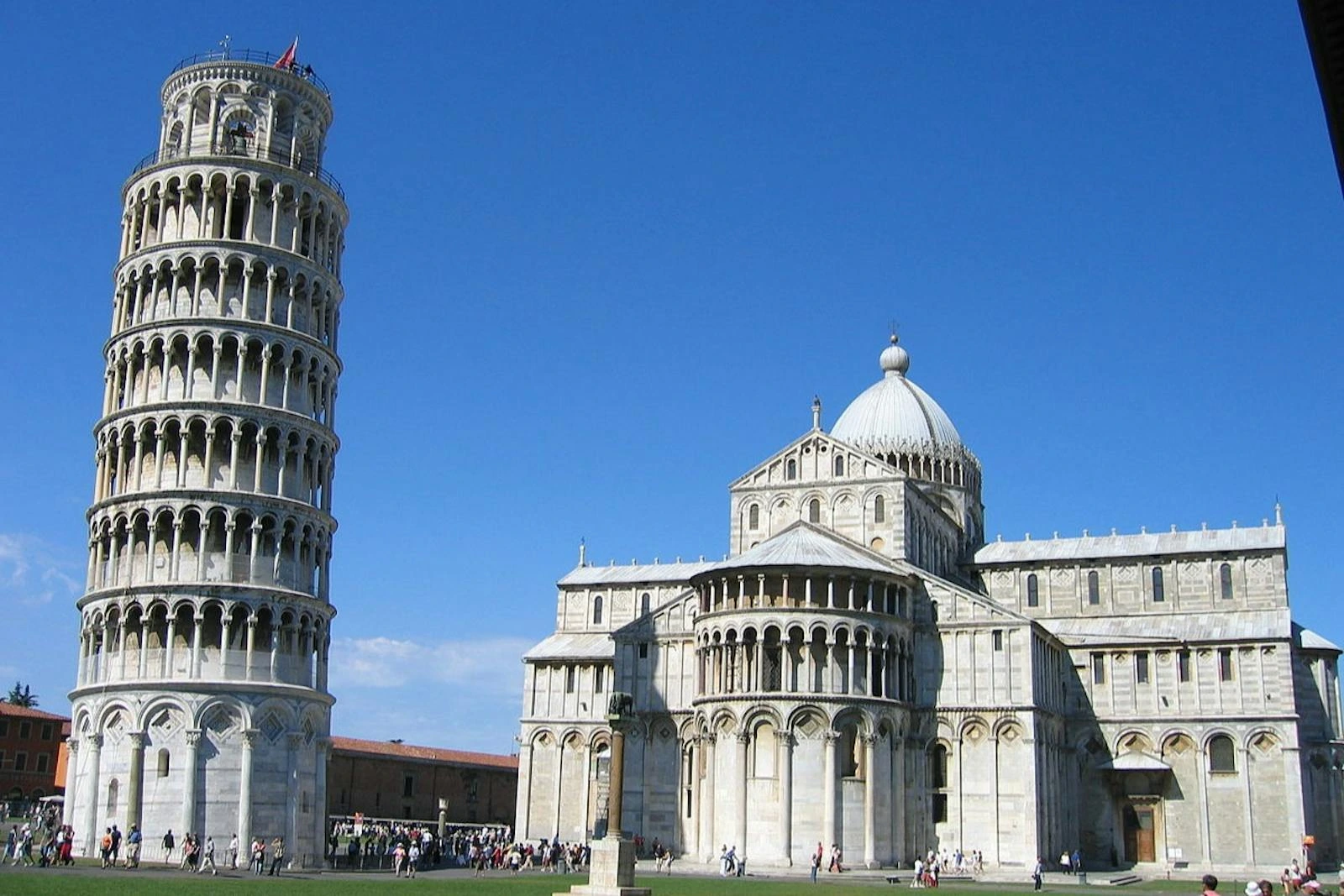
On La Une, the science program Matière grise airs an unpublished segment at 11:00 p.m. titled "The extraordinary inventiveness of the Leaning Tower of Pisa". This broadcast explores the mysteries of the renowned Tuscan bell tower, which is globally known for its geological instability and sustained resistance to gravity, while analyzing the various attempts made to stabilize its structure.
France 3 airs, at 11:00 p.m., a previously unseen documentary titled "Hurricane Hugo, the ordeal of the wind", helmed by Marion Guégan. The production investigates the disaster that hit the Guadeloupe archipelago in 1989. Earlier, at 7:50 p.m., RTL TVI features the social show "Neighbor Wars", led by Benjamin Maréchal. This host details the hardships local residents face due to noise or work-related disturbances in their everyday surroundings.
Matière grise and the technical challenge of the Pisa tower
La Une provides an in-depth examination of a medieval architectural masterpiece, globally renowned for its unique geotechnical peculiarity. The Leaning Tower of Pisa captivates worldwide viewers, yet persists as a puzzle for civil engineers and art experts. This investigative science publication dissects the precise origins of this remarkable incline, which has endured centuries and seismic events without ever collapsing.
This documentary explores the origins of the building's construction as well as the geological composition of the ground supporting its foundations. From the beginning of its construction in the Middle Ages, the soft, sedimentary nature of the subsoil led to an uneven sinking of the structure's base. This broadcast examines the geological strata in the Arno region, explaining how clay and sand layers affected the marble masonry's behavior.
Confronted by this gradual movement, multiple cohorts of specialists and investigators crafted innovative strategies to manage the building's angular drift. The broadcast outlines the technical steps taken to stabilize the base, strengthen the foundations, and remove the risk of significant structural failure. The documentary emphasizes the engineering feats that enabled the conservation of Italian architectural heritage and maintained public access to the structure.
Piazza del Duomo and heritage management by the Opera della Primaziale Pisana
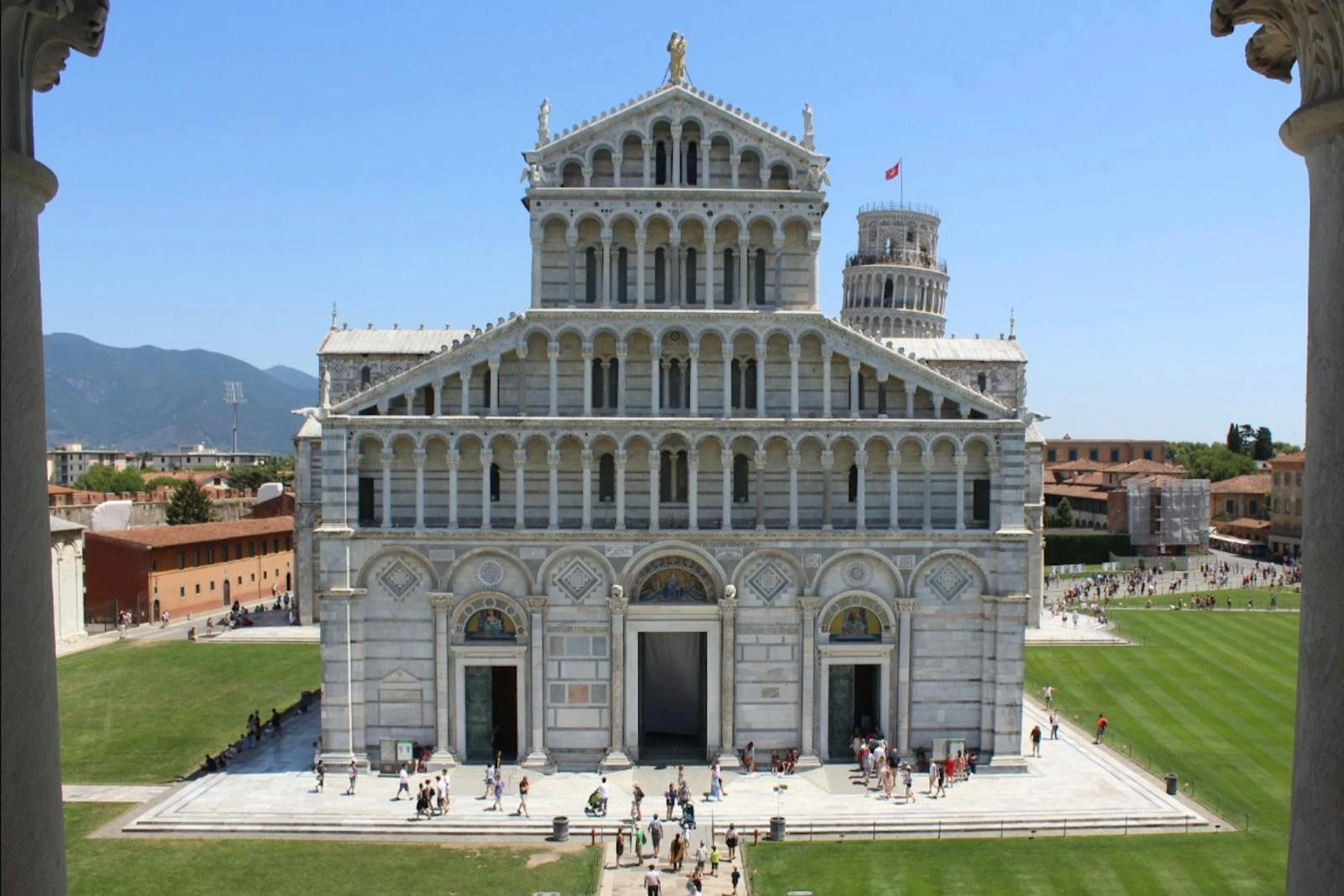
The campanile featured in the documentary belongs to a vast monumental ensemble situated on the Piazza del Duomo in Pisa. This location unites four emblematic structures that Italian author Gabriele d’Annunzio characterized in 1910 within his work "Forse che sì forse che no". He referenced "the Ardea that circled in the sky of Christ, over the Meadow of Miracles". The group includes the cathedral, the campanile, the baptistery, and the Camposanto, thus forming an allegory of human life.
This whole plaza serves as a symbolic instance of Pisan Romanesque style, defined by an architectural blend merging classical, Lombard, Early Christian, and Oriental elements. The distinct buildings coalesce into a rigorous stylistic unity. The Opera della Primaziale Pisana (O₽A), a historic body originally founded to supervise the initial stages of cathedral square building, currently handles the governance, conservation, research, and the promotion of this legacy.
Beyond the four principal monuments, the cathedral square contains exhibition venues run by the Opera della Primaziale Pisana. The Sinopie Museum safeguards the large original preparatory drawings discovered under the Camposanto frescoes. Conversely, the Opera del Duomo Museum displays the evolution of artistic creation in Pisa, featuring medieval sculpture masterpieces within a modern exhibition design. Every one of these locations and organizations stays accessible to visitors every day.
Restoration projects and heritage updates in Pisa
Maintaining the structures within Piazza del Duomo demands ongoing preservation and improvement tasks, overseen by the heritage body. The baptistery experienced multiple significant refurbishment projects: following a two-month shutdown for the restoration of its dome, the matroneum resumed public access on the 2nd of December, 2023. On the 15th of June, 2024, the baptistery opened its doors, with scaffolding maintained on the ground floor to meticulously finish interior tasks while avoiding disruption to visitor movement.
The Opera della Primaziale Pisana likewise organizes global scientific and cultural gatherings. The 15th International Conference of European Cathedrals, themed "Sacred Materiality," took place in the city on November 12 and 13, 2026, examining the sacred character of substances between patronage and conservation. Exploring how contemporary art integrates within historic religious monuments, titled "Cathedrals between Patronage and Conservation".
Regarding social involvement and access, the group presents the third straight installment of "Tutti all’Opera!" on December 2 and 3, 2026, coinciding with the International Day of Persons with Disabilities. The schedule begins December 2 with remarks from Gherardo Colombo and Sister Veronica Donatello, ending December 3 in the Teatro Verdi. The entity applies a standing gender equality policy, alongside a system for quality assurance and a code of ethics.
Guadeloupe 1989: the memory and reconstructions of Hurricane Hugo
On France 3 at 11:00 p.m., a film by Marion Guégan, not yet released, examines Guadeloupe’s collective recollections. The night of September 16 to 17, 1989, saw Hurricane Hugo hit the island territory with an extreme level of intensity. Authorities counted eleven people dead and over 20,000 residents displaced, a shock many locals liken to an apocalyptic event.
To rebuild the catastrophe and examine its systemic impacts, the director utilizes carefully curated archival footage from the period combined with direct survivor accounts. The production maps out the chronology of the severe weather incident and underscores the wave of solidarity that enabled Guadeloupeans to quickly repair their environment during the days and weeks after the storm's center passed.
This documentary probe looks past narrative history to assess institutional shifts triggered by the hurricane. Massive property destruction shattered building industry norms, compelling a total revision of storm-resistant construction codes. Additionally, the insurance sector experienced deep structural changes after paying enormous claims, providing actionable insights for managing modern climate risks.
Neighborhood disputes examined on RTL TVI
At approximately 7:50 p.m., RTL TVI broadcasts a fresh installment of the show "Neighbor Wars", hosted by Benjamin Maréchal. The series illuminates routine disputes that result in legal or interpersonal deadlocks, rendering daily existence especially difficult for inhabitants. The segment highlights two prominent examples of friction where dialogue has entirely collapsed among the participants.
Thierry, an entrepreneur specializing in landscape gardening, features in the initial scenario. Following purchasing a plot of land meant to grow his business, this tradesman found his ambitions thwarted by fierce, stubborn opposition from a nearby resident. Clashes concerning how the estate would be utilized escalated into overt hostility, thereby obstructing the tranquil execution of his profession.
This magazine's second article details Caroline's journey, as she abandoned urban life for countryside tranquility. Soon after relocating, she realized her property adjoined a kennel housing around forty dogs. Persistent barking and repeated noise disturbances generate severe strain, with neither party yielding their positions despite mediation efforts.
Sources: news.google.com · opapisa.it